Mental Matters

Health Conditions

Find information on various health conditions affecting people of all ages. This category covers causes, symptoms, diagnosis, and management options for physical illnesses and chronic diseases. Get insights to help you understand different health challenges and make informed decisions about your wellbeing.

Living Through Loss with Brain Death

Living Through Loss with Brain Death

Living Through Loss – Coping with Brain Death in the Family Living through loss – coping with brain death in the family is an emotionally overwhelming journey. While the death is clinical and final, the appearance of a breathing body on machines often confuses grief. Families facing this tragedy must process shock, make urgent decisions, and say goodbye in a deeply unnatural way. Living through loss – coping with brain death in the family requires information, support, and compassion. 1. Grief in ambiguity Unlike typical death, where breathing and heartbeat stop, brain death presents a paradox — the person appears alive, but isn’t. Families often need time to understand and accept the diagnosis. 2. Communication from healthcare teams Clear, sensitive explanations from doctors and nurses help families grasp the reality. Visual aids, spiritual guidance, or second opinions can ease confusion. 3. Decision-making pressure In some cases, organ donation or the removal of life support must be discussed quickly. This can feel rushed, so emotional support is critical. No family should feel coerced or abandoned during these decisions. 4. Cultural and spiritual rituals South African families come from diverse faiths and traditions. Hospitals should accommodate requests for prayer, blessings, or final rites to support the family’s mourning process. 5. Long-term grief support Loss through brain death can be traumatic. Families may experience prolonged sadness, confusion, or guilt. Access to grief counselling, community support, and mental health resources is essential. 6. Children and teens Young family members need age-appropriate explanations. Schools and caregivers should be informed to provide additional emotional support. 7. Honouring the memory Families find healing in creating legacies: memory boxes, planting a tree, or sharing stories. If organ donation was part of the journey, many find comfort in knowing lives were saved. Living through loss – coping with brain death in the family takes time and support. With the right help, families can begin healing, understand the finality of brain death, and carry the memory of their loved one forward with love and dignity. 👉 [End of Series | Back to Overview]
Living Through Loss with Brain Death Read More »

Brain Aneurysm

Brain Aneurysm

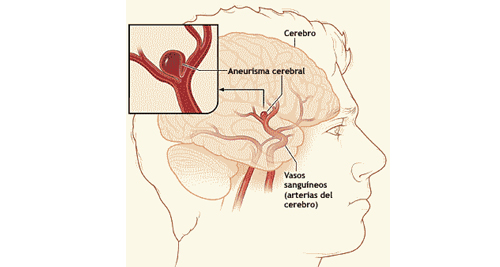
Brain Aneurysm – Overview A brain aneurysm is a bulge or ballooning in a blood vessel in the brain, caused by a weakened artery wall. If it ruptures, it leads to bleeding in the brain — a life-threatening condition known as a subarachnoid haemorrhage. However, many aneurysms are small and unruptured, often going unnoticed until discovered during imaging for unrelated issues. The risk depends on factors such as its size, shape, and location. Small aneurysms may remain stable for years without causing symptoms. Larger or irregularly shaped ones, however, are more likely to rupture and require close monitoring or intervention. Common symptoms of an unruptured brain aneurysm include: When a rupture occurs, it is sudden and severe. Signs include: In South Africa, diagnosis often depends on access to CT scans or MRIs. Many rural facilities lack immediate imaging, which can delay detection and treatment. Larger hospitals and neurology centres offer comprehensive care, including neurosurgical interventions. Although potentially deadly, early detection and careful management significantly improve outcomes. Advances in imaging, microsurgery, and endovascular treatments now offer hope for people affected by this silent but serious condition. 👉 [Next: Causes and Risk Factors of Brain Aneurysm]

Brain Aneurysm Read More »

Causes and Risk Factors of Brain Aneurysm

Causes and Risk Factors of Brain Aneurysm

Causes and Risk Factors of Brain Aneurysm The causes and risk factors of brain aneurysm are complex and multifactorial. They involve a combination of inherited vulnerabilities and acquired conditions that weaken blood vessel walls. Understanding the causes helps identify individuals who may benefit from screening or lifestyle changes. 7 Common Causes and Risk Factors of Brain Aneurysm 1. Genetic predispositionA family history of aneurysms increases the risk significantly. Conditions like polycystic kidney disease, Ehlers-Danlos syndrome, and Marfan syndrome also raise susceptibility due to their impact on connective tissue and vascular integrity. 2. Hypertension (high blood pressure)This is one of the leading risk factors. Constant pressure against arterial walls makes them more likely to bulge or rupture. 3. SmokingTobacco damages blood vessels and contributes to aneurysm formation and rupture. Studies show that smokers are several times more likely to develop brain aneurysms than non-smokers. 4. Age and genderThe risk rises after age 40, and women are more prone to aneurysms than men. Hormonal changes and blood vessel differences may play a role. 5. Drug and alcohol useCocaine and amphetamines increase blood pressure and directly damage blood vessels. Chronic alcohol use can also weaken vascular walls. 6. Head trauma and infectionsSevere trauma or certain infections can trigger aneurysm development, although this is relatively rare. 7. Previous aneurysmPeople who’ve had one aneurysm are more likely to develop another, especially if lifestyle risk factors are not addressed. In South Africa, the risk factors are often compounded by underdiagnosed hypertension, smoking, and limited access to preventative screening. Raising awareness about family history, managing blood pressure, and avoiding smoking can make a major impact on reducing risk. Causes and Risk Factors of Brain Aneurysm Understanding the cause is the first step in preventing rupture and its devastating consequences. 👉 [Next: Diagnosis and Evaluation of Brain Aneurysm]

Causes and Risk Factors of Brain Aneurysm Read More »

Diagnosis and Evaluation of Brain Aneurysm

Diagnosis and Evaluation of Brain Aneurysm

Diagnosis and Evaluation of Brain Aneurysm The diagnosis and evaluation of brain aneurysm are crucial for timely treatment and prevention of rupture. Doctors often find unruptured aneurysms by chance during brain scans. When symptoms do appear, they usually mimic other neurological problems. The diagnosis require a careful and structured approach involving both imaging and clinical assessment. 4 Common Methods of Diagnosis and Evaluation of Brain Aneurysm 1. Clinical signs and symptomsWhen an aneurysm ruptures, it causes a sudden, severe headache often described as the worst ever experienced. Other signs include nausea, vomiting, loss of consciousness, and neck stiffness. Unruptured aneurysms may cause headaches, blurred vision, or nerve pain. 2. Imaging techniques 3. Lumbar punctureIf a rupture is suspected but CT is negative, a spinal tap can detect blood in the cerebrospinal fluid — an important step in diagnosis. 4. Genetic testingIn cases where multiple family members are affected, or connective tissue disorders are suspected, genetic screening may be advised. In South Africa, the diagnosis are most accessible in urban centres. Delays may occur in rural settings due to lack of advanced imaging, making it essential for primary care providers to recognise warning signs and refer quickly. Diagnosis and Evaluation of Brain Aneurysm Accurate evaluation allow doctors to choose the safest treatment method — whether it be surgical, endovascular, or conservative management. 👉 [Next: Treatment Options for Brain Aneurysm]

Diagnosis and Evaluation of Brain Aneurysm Read More »

Treatment Options for Brain Aneurysm

Treatment Options for Brain Aneurysm

Treatment Options for Brain Aneurysm The treatment options for brain aneurysm depend on the size, location, and risk of rupture. Medical specialists consider the patient’s overall health and whether the aneurysm is symptomatic. The goal of all treatments are to prevent bleeding while minimising risk. 6 Treatment Options for Brain Aneurysm 1. Observation (watchful waiting)Small, stable aneurysms may not require immediate surgery. Patients undergo regular imaging and manage modifiable risk factors like hypertension and smoking. This is most common when the aneurysm is under 7mm and located in a low-risk area. 2. Endovascular coilingThe doctor inserts a catheter through the groin into the affected artery, then releases platinum coils into the aneurysm to trigger clotting and seal it off. This minimally invasive procedure is the preferred option for many aneurysms. 3. Surgical clippingIn this open brain surgery, the surgeon places a metal clip across the aneurysm’s neck to block blood flow. Clipping is more invasive than coiling but remains an excellent option for accessible or complex aneurysms. 4. Flow diversionThis newer technique uses a stent-like device placed inside the artery to redirect blood flow away from the aneurysm, allowing it to shrink and heal. 5. Supportive careFor ruptured aneurysms, patients require critical care to manage pressure in the brain, seizures, and fluid balance. Rehabilitation may follow depending on neurological impact. 6. Risk factor modificationLong-term success depends on controlling blood pressure, quitting smoking, and managing cholesterol or diabetes. In South Africa, access to neurosurgical procedures and interventional radiology varies by location. Major academic hospitals offer the full range of options, while rural patients may face referral delays. Treatment Options for Brain Aneurysm With early intervention, most patients recover well. Choosing the right treatment options can significantly improve survival and quality of life. 👉 [Next: Living with Brain Aneurysm – Recovery and Long-Term Care]

Treatment Options for Brain Aneurysm Read More »

Living with Brain Aneurysm

Living with Brain Aneurysm

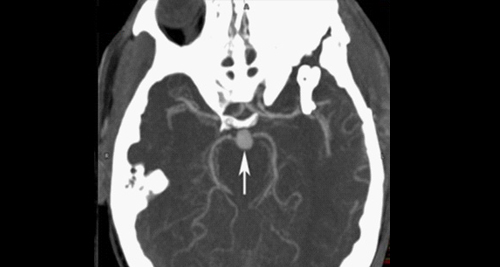
Living with Brain Aneurysm – Recovery and Long-Term Care Living with brain aneurysm involves ongoing health management, lifestyle changes, and regular medical check-ups. Coping—whether the aneurysm is unruptured, treated, or has already bled—requires careful planning to prevent recurrence and manage long-term effects. 5 Methods of Living with Brain Aneurysm 1. Post-treatment recoveryAfter surgery or coiling, most patients recover in hospital under close neurological monitoring. Rehabilitation may include physiotherapy, speech therapy, or occupational therapy if neurological deficits occurred. 2. Managing unruptured aneurysmsFor those under observation, consistent follow-up imaging (CTA or MRA) is vital. Patients are encouraged to: 3. Emotional and psychological wellbeingAnxiety and fear of rupture are common. Counsellors and support groups help patients manage uncertainty—especially when doctors recommend monitoring instead of immediate surgery. 4. Seizure precautionsSome patients may experience seizures post-treatment and need anticonvulsants. Driving restrictions may apply temporarily. 5. Lifestyle and daily activitiesWhile most people return to work and daily life, they may need time off for physical or emotional recovery. Doctors recommend aerobic exercise and a heart-healthy diet, but patients should avoid activities that cause sudden spikes in blood pressure. 6. Support in South AfricaUrban hospitals offer better access to follow-up care and neurosurgery. In rural areas, ongoing coordination between district hospitals and tertiary centres helps maintain monitoring. Family support, adherence to appointments, and local health initiatives all play a role in long-term success. Living with Brain Aneurysm Overall, living with brain aneurysm is manageable for most people. With the right treatment, consistent monitoring, and healthy choices, patients can look forward to a full and active life. 👉 [End of Series | Back to Overview]
Living with Brain Aneurysm Read More »

Brain Abscess

Brain Abscess

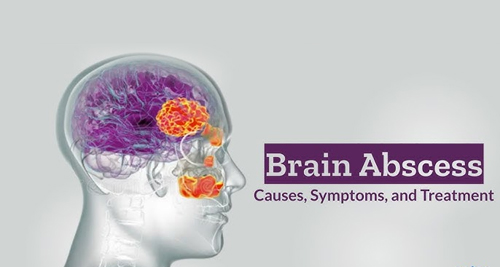
Brain Abscess – Overview A brain abscess is a rare but serious medical condition in which a collection of pus forms within the tissue due to infection. It results from the body’s attempt to isolate the infection, but the swelling and pressure can lead to life-threatening complications. While the condition is treatable, this abscess must be diagnosed and managed urgently to prevent permanent neurological damage or death. The infection that causes an abscess can arise from bacteria, fungi, or parasites that enter the brain through the bloodstream, from a nearby site such as the ears or sinuses, or as a result of trauma or surgery. People with weakened immune systems, congenital heart disease, or chronic infections are at higher risk. Common symptoms of a Brain Abscess include: Symptoms may vary depending on the location and size of the abscess. In some cases, the signs mimic those of a stroke or brain tumour, which can delay diagnosis. In South Africa, diagnosis and treatments are available at most tertiary hospitals, although access to imaging and neurosurgery may vary between public and private facilities. Prompt attention is vital, and delays in rural areas can pose serious risks. Thanks to modern imaging techniques, improved antibiotics, and better surgical interventions, the prognosis has improved significantly over recent decades—especially when detected early. 👉 [Next: Causes and Risk Factors of Brain Abscess]

Brain Abscess Read More »

Causes and Risk Factors of Brain Abscess

Causes and Risk Factors of Brain Abscess

Causes and Risk Factors of Brain Abscess The causes and risk factors of brain abscess stem from a combination of infectious sources and individual health conditions that allow harmful microbes to reach tissue. Understanding the risk is crucial for identifying high-risk patients and preventing this potentially fatal condition. 6 Common Causes and Risk Factors of Brain Abscess 1. Nearby infections spreading to the brainThis is one of the most common pathways: 2. Distant infectionsA brain abscess can form when an infection elsewhere in the body travels through the bloodstream. This includes: 3. Trauma or surgeryPenetrating head injuries, skull fractures, or neurosurgical procedures can directly introduce bacteria into the brain. 4. Immune system suppressionPeople with HIV/AIDS, cancer, or those taking immunosuppressive drugs (after organ transplants or chemotherapy) are at greater risk, as their bodies struggle to contain and fight infections. 5. Congenital heart defectsChildren born with heart abnormalities that allow unfiltered blood to bypass the lungs may develop brain abscesses, as bacteria are not removed by the lungs before reaching the brain. 6. Parasitic or fungal infectionsAlthough rare, fungal or parasitic brain abscesses can occur, especially in people with compromised immunity. In South Africa, conditions such as untreated dental infections, TB-related brain infections, and HIV-related immune suppression contribute significantly to the causes. Prompt treatment of these underlying conditions can prevent the spread of infection. Causes and Risk Identifying the causes and risk factors of brain abscess allows clinicians to take preventative steps, particularly in vulnerable populations. 👉 [Next: Diagnosis and Evaluation of Brain Abscess]

Causes and Risk Factors of Brain Abscess Read More »

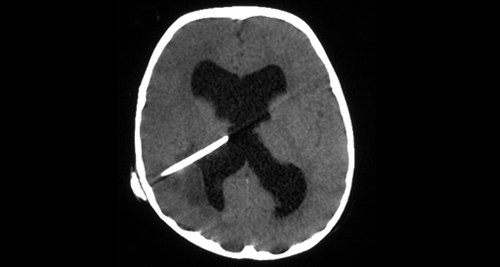
CT scan showing needle aspiration during diagnosis of brain abscess

Diagnosis and Evaluation of Brain Abscess

Diagnosis and Evaluation of Brain Abscess The diagnosis and evaluation of brain abscess requires prompt medical attention, as symptoms can worsen quickly. Since the clinical signs often resemble those of other neurological conditions, imaging and lab tests are essential in confirming the diagnosis. 5 Methods of Diagnosis and Evaluation of Brain Abscess 1. Clinical assessmentDoctors first conduct a thorough medical history and neurological exam. They assess for headache, fever, neck stiffness, confusion, and focal neurological deficits such as weakness or vision problems. 2. Imaging studies 3. Blood testsElevated white blood cell count and markers of inflammation such as CRP or ESR suggest active infection. Blood cultures help identify the causative organism in systemic cases. 4. Lumbar puncture (with caution)Doctors generally avoid this when they suspect a brain abscess because of the risk of brain herniation. However, they may use it in rare cases if they rule out an abscess and suspect meningitis instead. 5. Aspiration or biopsyIn some cases, a neurosurgeon may aspirate the abscess using a fine needle guided by CT or MRI. Lab technicians analyse this sample to identify the exact bacteria, fungi, or parasite causing the infection. In South Africa, urban hospitals with CT and MRI scanners provide better access to evaluations. In rural clinics, referral to a higher-level centre is often necessary, which can delay care. Diagnosis and Evaluation of Brain Abscess Accurate and timely diagnosis are critical. Early identification improves outcomes and guides the correct antibiotic or surgical approach. 👉 [Next: Treatment Options for Brain Abscess]

Diagnosis and Evaluation of Brain Abscess Read More »

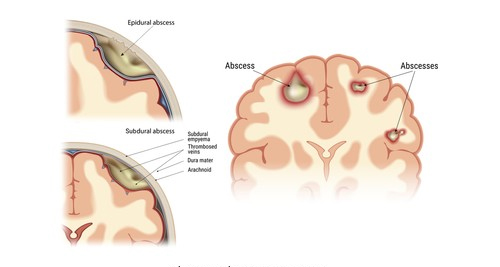
Medical diagram showing locations of epidural, subdural, and cerebral brain abscesses with treatment focus

Treatment Options for Brain Abscess

Treatment Options for Brain Abscess The treatment options for brain abscess focus on eliminating the infection, relieving pressure, and preventing complications. The combination of antibiotics and surgical drainage remains central to managing the condition. Understanding the available treatment helps ensure the best outcomes for patients. 5 Treatment Options for Brain Abscess 1. Intravenous antibioticsDoctors start a powerful course of IV antibiotics immediately—usually before lab results confirm the exact pathogen. They typically continue treatment for 4 to 8 weeks and adjust it once cultures identify the organism. Common antibiotics include: 2. Surgical drainageIf the abscess is large, growing, or causing significant pressure symptoms, neurosurgeons may perform a procedure to drain the pus. This is done either via: 3. Treating underlying infectionDoctors must treat infections in the ear, sinus, lung, or teeth if they caused the abscess, to prevent it from coming back. 4. Anti-seizure medicationSeizures are common with brain abscesses. Anticonvulsants may be prescribed during treatment and continued for several months after recovery. 5. SteroidsUsed only in cases of life-threatening brain swelling. Prolonged use may suppress immune function and interfere with abscess healing, so they are used sparingly. In South Africa, access to treatment can vary. Urban centres usually offer full neurosurgical and imaging support, while rural patients may require urgent transfer to specialist facilities. Treatment Options for Brain Abscess With early intervention, most patients recover fully. Delayed or incomplete treatment, however, can result in long-term brain damage or death. 👉 [Next: Living with Brain Abscess – Recovery and Outlook]

Treatment Options for Brain Abscess Read More »

Scroll to Top