Mental Matters

Health Conditions

Find information on various health conditions affecting people of all ages. This category covers causes, symptoms, diagnosis, and management options for physical illnesses and chronic diseases. Get insights to help you understand different health challenges and make informed decisions about your wellbeing.

Treatment of Lipoma

Treatment of Lipoma

Treatment of lipoma typically depends on the size, location, symptoms, and patient preference. While many lipomas are harmless and require no intervention, others may necessitate removal due to discomfort, cosmetic concerns, or potential complications. Understanding the full spectrum of options for the treatment of lipoma empowers patients to make informed choices in collaboration with their healthcare provider. A lipoma is a slow-growing, harmless lump made of fatty tissue that forms under the skin. Most lipomas cause no pain and are not cancerous. However, in some cases, they can press on nerves or become a cosmetic concern. Even though they rarely threaten health, the choice to treat them often depends on how they affect daily life and appearance. Watchful Waiting and Monitoring For small lipomas that cause no symptoms and are not bothersome in appearance, the most common plan is watchful waiting. Doctors recommend regular checks to make sure the lump does not grow or cause new problems. This approach avoids unnecessary procedures and works well when there is no effect on comfort or looks. Follow-up visits may include physical exams or scans such as ultrasound if the lipoma lies deeper in the body. Patients should tell their doctor about changes in size, texture, pain, or movement. If the lipoma starts to cause issues, the treatment of lipoma is reviewed and adjusted. Surgical Excision The most reliable treatment of lipoma is surgical removal. In this method, the lump is taken out through a small cut in the skin. Doctors choose this option for large, painful, fast-growing lipomas or those pressing on nerves or blood vessels. Surgery is also common when a visible lipoma causes cosmetic concern. Most surgeries happen under local anaesthetic in a clinic. The doctor removes the lump and its capsule to lower the risk of it coming back. Larger or deeper lipomas may need general anaesthetic or hospital care. After surgery, the wound is cared for, and stitches may be placed. Recovery is usually quick, though some mild pain or bruising may occur. Scars are usually small with good care. Liposuction Liposuction offers another way to treat certain lipomas. A thin tube called a cannula is inserted through a small cut, and the fatty tissue is suctioned out. This leaves smaller scars and allows faster healing. However, it may not remove the capsule fully, so the lipoma can grow again. This option works best for soft, shallow lipomas in areas where scarring would be noticeable. It is less effective for firm or deep lumps. Patients choosing liposuction should know there is a higher chance of the lipoma returning. Steroid Injections Steroid injections are a less common treatment of lipoma. They aim to shrink the lump by reducing inflammation and slowing fat cell growth. While injections can make the lipoma smaller, they rarely remove it completely. They may suit patients who cannot or do not want surgery, or those who need a temporary solution. This treatment usually needs several injections over time. Results vary, and the lipoma can grow again after treatment stops. Because of this, steroid injections are mostly used for small lipomas. New and Alternative Treatments Some newer methods are being tested for lipoma treatment. Laser-assisted fat breakdown and radiofrequency therapy aim to destroy fat cells without traditional surgery. These are still under study, so their long-term results are unknown. Some people try home remedies such as herbal compresses or diet changes. While these may sound appealing, there is no scientific proof that they work. It is always important to speak to a doctor before trying alternative options, especially if the lipoma changes or causes discomfort. Factors to Consider Before Treatment Before deciding on treatment, several things should be reviewed: A complete medical check, often with scans or a biopsy, ensures the correct diagnosis and the best treatment plan. Long-Term Outlook The treatment of lipoma is usually simple, and results are excellent. Most patients recover fully with little chance of problems. Surgery offers a permanent fix in most cases, though the lump can return if not fully removed. People with many lipomas, such as those with familial multiple lipomatosis, may need ongoing checks and occasional removals. Staying at a healthy weight may help limit new lipomas, but genetics often play a big role. In summary, the treatment of lipoma can range from watchful waiting to surgery. While treatment is not urgent in most cases, the choice is personal and depends on symptoms, appearance, and lifestyle. A doctor’s advice is key in choosing the best option. [Next: Complications of Lipoma →]
Treatment of Lipoma Read More »

Complications of Lipoma

Complications of Lipoma

Complications of lipoma are generally rare due to the benign nature of these soft, fatty growths. However, complications of lipoma can arise depending on their location, size, and growth behaviour, especially if left untreated or misdiagnosed. While most lipomas remain harmless, there are specific scenarios where complications may negatively impact quality of life, cause functional problems, or be mistaken for more serious conditions. Understanding the full scope of possible complications of lipoma is essential for both patients and healthcare professionals to ensure timely care and proper treatment. Although lipomas are usually painless and slow-growing, their location near nerves, blood vessels, or in tight spaces can create unique medical problems. They can also grow very large—known as “giant lipomas”—which may cause discomfort, visible lumps, or even trouble moving. In some rare situations, lipomas can cause pain or other symptoms due to inflammation, infection, or injury. Because of this, a careful check-up is important when dealing with suspected complications of lipoma. Nerve and Blood Vessel Pressure One of the most common complications of lipoma is pressure on a nerve, especially when the lump grows close to a major nerve. Lipomas do not grow into nearby tissues, but their size can press on nerves, leading to pain, numbness, tingling, or muscle weakness. This is more common with deep lipomas or those found in the arms, legs, neck, or upper back. People may not connect these nerve problems to a soft tissue lump, which can delay diagnosis and cause ongoing discomfort. Another possible issue is when a lipoma presses on blood vessels. This problem is rare but can affect blood flow in nearby areas, leading to swelling or skin colour changes. If not treated, long-term pressure on blood vessels can cause other problems such as poor blood return in veins or even tissue damage in severe cases. While these situations are uncommon, they highlight the need to watch lipomas closely, especially in areas rich in blood vessels. Cosmetic and Emotional Impact The way a lipoma looks can also cause problems, especially when it appears on visible parts of the body like the face, neck, or arms. Even though these are not physical health problems, the effect on mental health and self-esteem can be serious. People may feel embarrassed or uncomfortable in public, especially if the lumps are big or many. This can sometimes lead to stress, avoiding social events, or body image problems. In such cases, emotional support may be needed alongside physical treatment. Sometimes, injury to a lipoma—whether from an accident, repeated rubbing, or pressure—can cause bruising, swelling, or pain. While these usually heal without treatment, they can feel like signs of infection or even cancer, causing unnecessary worry. In these cases, doctors may use scans or a biopsy to confirm it is only a lipoma. Rare and Serious Risks of Lipomas A very rare but serious complication of lipoma is turning into liposarcoma, a cancer of fatty tissue. Liposarcoma may look like a lipoma but grows faster and acts more aggressively. This risk is higher in deep or quickly growing lipomas, especially those in the abdomen or deep muscles. Warning signs include sudden growth, pain, firmness, and uneven shape. If these signs appear, urgent medical checks are needed to rule out cancer. Another complication is the return of the lipoma after surgery. This can happen if the removal is incomplete or if the capsule is left behind. In rare situations, the lump may grow back many times, especially in people who are genetically more likely to have lipomas, such as those with familial multiple lipomatosis. Diagnostic and Functional Problems Diagnosing a lipoma can be tricky when it looks like other lumps such as cysts, abscesses, or different tumours. A wrong diagnosis can delay proper treatment or cause unnecessary stress. Correct diagnosis usually needs a physical exam, ultrasound, or MRI. In unclear cases, a biopsy is the only way to confirm the lump is harmless. For people with many lipomas, the lumps can limit movement, especially when they are near joints or on the legs. This may cause reduced flexibility, trouble walking, or even walking pattern changes in severe cases. For people with physically demanding jobs, these limits can affect work ability and overall movement. Sometimes, the body’s immune system reacts to injury or infection inside a lipoma. This may cause redness, swelling, and warmth, looking very similar to skin infection. Even though these reactions often go away on their own, they can confuse the diagnosis and require a doctor’s check to rule out infection or abscess. Imaging and Long-Term Care In certain patients, especially those with other health problems, complications of lipoma can affect scan results. Large or deep lipomas may hide important body details on CT or MRI scans, making it harder to assess other health issues. This is important for cancer patients, trauma cases, or before surgery in nearby areas. In the end, complications of lipoma, while uncommon, can affect physical health, body function, and emotional well-being. Health workers should always watch for signs that a harmless lipoma is starting to cause pain, limit movement, or raise concerns about cancer. Regular check-ups, clear patient advice, and quick treatment are key to good results. [Next: Back to Overview →]

Complications of Lipoma Read More »

Overview of Lipoedema

Lipoedema

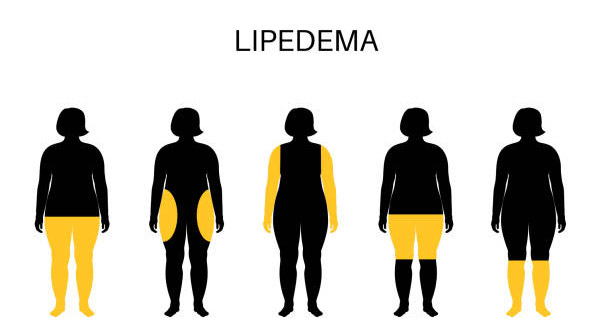
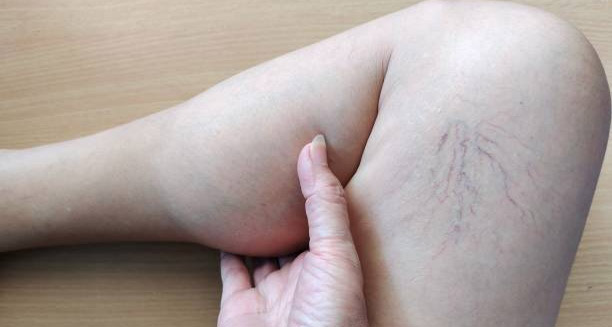
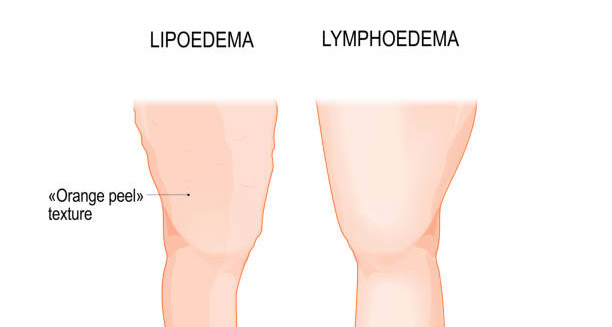
Overview of Lipoedema Understanding the overview of lipoedema is essential to grasp this chronic and often misunderstood condition. Lipoedema mainly affects women and causes abnormal, symmetrical fat build-up in the lower body. This includes the hips, buttocks, legs, and sometimes the arms. Unlike general obesity, lipoedema fat does not shrink with diet or exercise. This makes the condition both physically and emotionally challenging. Because lipoedema often looks like obesity or lymphoedema, it is frequently misdiagnosed. Recognising the overview of lipoedema helps raise awareness, encourages early diagnosis, and improves treatment. Lipoedema was first described in the 1940s. Doctors noticed uneven fat in the lower body that didn’t respond to weight loss. Since then, research has grown slowly. Still, lipoedema remains underdiagnosed and misunderstood, partly because of its complex symptoms and the stigma linked to body weight. Unlike fluid retention or normal weight gain, the swelling in lipoedema starts at the hips and moves downwards—always sparing the feet. This is a key sign that helps distinguish it from other conditions. Most people develop lipoedema during major hormonal changes like puberty, pregnancy, or menopause. This suggests hormones play a big role. While the exact cause isn’t clear, many women report family members with similar symptoms, showing a likely genetic link. An important part of the overview of lipoedema is knowing it often gets worse over time. The condition passes through stages that bring more pain, trouble moving, and possible complications such as lymphoedema, where lymph fluid builds up. Symptoms include disproportionate fat on the lower body, painful fat deposits, easy bruising, tenderness, and a heavy feeling in the legs or arms. Many patients struggle to find clothes that fit because their upper body is slim but their lower body is much larger. Lipoedema can greatly lower quality of life, causing physical pain and emotional stress due to changes in body shape and social stigma. Another key part of the overview of lipoedema is how it is diagnosed. Because it looks like other disorders and lacks a clear test, doctors rely on physical exams and patient history. They check fat distribution, rule out other problems like lymphoedema, and consider symptom patterns. Misdiagnosis often means years of wrong treatments and emotional pain. That’s why raising awareness among both the public and healthcare professionals is so important. The condition also impacts mental health. Many patients suffer from anxiety, depression, and low self-esteem. They often face misunderstanding from society and even some medical staff who may dismiss their concerns. Many women endure their symptoms quietly, thinking it’s their fault or just part of aging or gaining weight. Patient groups and awareness campaigns have helped change this view, but more progress is needed. When it comes to treatment, there is no cure yet. However, many therapies help manage symptoms and slow the disease. These include manual lymph drainage, compression garments, regular exercise, and an anti-inflammatory diet. In advanced cases, specialist liposuction can reduce fat and improve life quality. Treatment should always be personalized, addressing physical symptoms as well as emotional and social needs. The financial cost of lipoedema can be high. Many patients pay out of pocket for special garments and therapies not covered by insurance. This lack of recognition in healthcare systems, especially in some countries, makes access to care harder. Addressing these inequalities is an important part of the bigger overview of lipoedema. Recent research and patient advocacy have increased interest in lipoedema’s causes. Scientists are studying genes, hormones, blood vessel problems, and connective tissue issues. More funding for research and clinical trials is needed. This work will help create better diagnostic tools and treatments. Advancements could greatly improve lives and reduce stigma. In summary, the overview of lipoedema offers a clear picture of a complex, often overlooked disease. By telling lipoedema apart from obesity and swelling, doctors can diagnose it accurately and offer better care. Patients who understand the overview of lipoedema can better advocate for themselves, seek the right treatments, and connect with others. As awareness grows, hope increases for better outcomes and more research into this important condition. [Next: Causes of Lipoedema →]

Lipoedema Read More »

Causes of Lipoedema

Causes of Lipoedema

Causes of Lipoedema are still not fully understood, but researchers and medical professionals believe a combination of genetic, hormonal, and physiological factors contribute significantly to this chronic condition. The causes of lipoedema usually involve fat building up in an uneven way—mainly in the legs, buttocks, and sometimes arms—while sparing the hands, feet, and upper body. This condition mostly affects women. Sadly, many people confuse it with obesity or lymphoedema, which makes understanding its real cause even harder. Genetic and Hormonal Triggers One of the top causes of lipoedema may be genetics. Many people with this condition have close relatives with similar symptoms. In fact, studies show that up to 60% of patients report a family history. Although experts haven’t found the exact genes yet, this strong link points to inherited traits playing a big role. Hormones may also trigger lipoedema. The condition often starts or gets worse during puberty, pregnancy, or menopause. These events all involve changes in hormones like oestrogen. Some experts think these hormones may change how fat grows or how blood and lymph vessels work. This can lead to swelling and even tissue scarring. Blood Vessel and Lymphatic Changes Another possible cause involves small blood and lymph vessels. Some people with lipoedema may have weak or leaky capillaries. This can let fluid and proteins leak into nearby tissues, causing swelling, pain, and ongoing inflammation. Over time, these fluid leaks may also harden the tissue, making symptoms worse. Inflammation seems to be both a result and a trigger in causes of lipoedema. Fat tissue that grows out of control can release harmful chemicals. These cause low-grade inflammation that damages nearby cells and blocks lymph flow. This ongoing inflammation can also make the fat areas feel painful, swollen, or bumpy. Lifestyle, Stress, and Fat Resistance It’s important to know that lifestyle is not a root cause. Unlike obesity, lipoedema fat does not shrink with diet or exercise. Many patients work hard to lose weight and see no change in their legs or arms. This shows that causes of lipoedema are not linked to overeating or lack of activity. Sadly, when doctors blame patients for their size, it adds to the emotional stress and delays the right diagnosis. There is also talk about physical or emotional trauma playing a role. Some people say their symptoms began after a hard fall, accident, or a very stressful life event. While these stories are common, science has not yet confirmed a clear link between trauma and the start of lipoedema. Other Theories and Ongoing Research Some researchers think that weak connective tissue may also be involved. Conditions like Ehlers-Danlos Syndrome affect how tissue holds together. This weakness might allow fat to collect in unusual ways or let fluid leak from vessels. While this idea is still being tested, it adds to the growing view that causes of lipoedema come from many systems in the body working poorly together. Lipoedema also looks different from one person to the next. Some have mild discomfort, while others face severe pain, movement problems, and mental health struggles. This wide range of symptoms makes it hard to find a single cause. Instead, most experts now agree that it’s a mix of factors coming together in a complex way. Distinguishing Causes from Progression We must also tell the difference between causes and things that make the condition worse. Not moving enough, wearing the wrong compression garments, or being misdiagnosed can all speed up the damage. These don’t start the disease, but they do affect how fast it gets worse and how much it impacts life. In short, the causes of lipoedema likely include a mix of inherited genes, hormone changes, blood and lymph vessel problems, and long-term inflammation. Even though research is moving forward, no one has found the exact trigger yet. More studies are needed to fully understand how and why this condition begins. By learning more and improving early diagnosis, we can help people avoid years of confusion and get them the right care faster. [Next: Symptoms of Lipoedema →]

Causes of Lipoedema Read More »

Symptoms of Lipoedema

Symptoms of Lipoedema

Symptoms of Lipoedema typically develop gradually and are often misunderstood or misdiagnosed due to their resemblance to other conditions, such as obesity or lymphoedema. Symptoms of lipoedema mainly involve uneven fat build-up in the lower body, especially around the hips, thighs, buttocks, and sometimes the arms. This condition almost always affects women. It often gets worse during hormonal changes like puberty, pregnancy, or menopause. Since it can look like regular weight gain, many people—and even doctors—underestimate the signs. This often leads to late diagnosis and missed treatment. Recognising Physical Signs and Pain One of the clearest symptoms of lipoedema is swelling in both legs that happens in a matching pattern. This fat build-up creates a column-like or “tree-trunk” shape. A sharp line at the ankles usually separates the swollen area from the unaffected feet. That ankle line helps tell lipoedema apart from general weight gain or swelling caused by other issues. The fat feels soft and doughy in early stages. In later stages, it becomes lumpy or nodular. Many people also feel pain and tenderness in these areas. Unlike regular fat, lipoedema fat often hurts, even with light touch. People may feel aching or heaviness, especially after standing or walking. This pain doesn’t always match the amount of swelling seen. Easy Bruising and Impact on Daily Life People with lipoedema often bruise easily. The tiny blood vessels in the fat are fragile. Even a slight bump may cause a visible bruise. These frequent bruises may confuse or worry patients, especially when they don’t remember getting injured. This can lead to emotional stress or embarrassment. Over time, the added fat and weight in the legs can make it hard to move. Walking may become tiring. Climbing stairs or keeping balance can also be a struggle. In severe cases, joints like the knees and hips take on extra stress. This raises the risk of arthritis and changes in walking posture. These problems may even lead to more frequent falls. Appearance and Emotional Impact Many women with lipoedema notice their body shape becoming pear-like, with a smaller upper body and much larger lower body. This difference in size can make shopping for clothes frustrating. Wearing clothes that fit both top and bottom properly becomes difficult. These visual changes often affect self-esteem. The pain, reduced movement, and body shape changes can lead to emotional issues. Many women experience low mood, anxiety, or depression. Feeling misunderstood or judged adds to the stress. People often feel blamed for their condition, especially if they’ve been told to just lose weight—something that doesn’t work for lipoedema. Swelling, Progression, and Misunderstanding Swelling is another major symptom of lipoedema, but it’s different from swelling caused by fluid. In lipoedema, the swelling comes from fat build-up. Still, in advanced stages, fluid-related swelling may also develop. This combination, called lipolymphoedema, makes the legs even larger and harder to treat. It can lead to thicker skin, higher risk of infection, and more severe symptoms. Sometimes, symptoms of lipoedema also appear in the arms. Just like in the legs, the fat gathers in a matching pattern but doesn’t affect the hands. Pain, bruising, and tenderness may also appear in these areas. This pattern helps doctors tell lipoedema apart from other illnesses. Diet and exercise often help people feel better overall. However, in lipoedema, the fat in the affected areas usually doesn’t go away. This can make patients feel frustrated or hopeless—especially when they try hard to lose weight but see no change. Some may even delay seeking care because they think they’re not trying hard enough. Hormonal Flares and Long-Term Effects The emotional side of symptoms of lipoedema can be intense. Constant pain, body changes, and social pressure often lead people to feel isolated. Many patients say their symptoms are brushed off by healthcare providers. This feeling of being ignored causes deep emotional harm and delays proper care. For many, symptoms change with the seasons or life events. Hormonal shifts, hot weather, or being inactive for long periods can make everything feel worse. This up-and-down pattern makes it harder to plan life. People may cancel events or avoid travel due to flare-ups, affecting work and social life. In later stages, the fatty areas may become hard. This is known as fibrosis. The once-soft tissue becomes tough and responds poorly to treatments like compression therapy. When this happens, new problems may develop, including vein issues. These can cause leg cramps, skin colour changes, and even more fatigue. Understanding the Full Picture To sum up, symptoms of lipoedema are more than just cosmetic. They include long-lasting pain, extreme sensitivity, easy bruising, trouble moving, and deep emotional strain. Spotting these signs early is key. The sooner people get the right diagnosis, the better their chances of managing symptoms well. By spreading awareness and learning how lipoedema works, more people can get the help they need. That means less pain, fewer delays in treatment, and better lives for those affected. [Next: Diagnosis of Lipoedema →]

Symptoms of Lipoedema Read More »

Diagnosis of Lipoedema

Diagnosis of Lipoedema

Diagnosis of Lipoedema can be particularly challenging because it is frequently misdiagnosed as obesity or lymphoedema. The term diagnosis of lipoedema refers to a full medical check-up that helps identify this long-term condition. It mostly affects women and leads to uneven fat build-up, especially in the legs, thighs, and sometimes arms. Getting the diagnosis right early is very important. It helps start the right treatment plan, which reduces problems and improves life quality. A proper diagnosis of lipoedema starts with taking a detailed health history. Doctors usually ask when symptoms began and if any family members had the same issue. They also want to know if hormonal changes—like puberty, pregnancy, or menopause—happened around the time symptoms appeared. These hormone shifts are key clues. Lipoedema often gets worse during these times. Next, doctors ask how the condition affects walking or daily tasks. They also check for pain, easy bruising, or tenderness. This background information plays a big part in the overall diagnosis of lipoedema. Physical Examination and Visual Signs After gathering history, doctors do a full physical check. One clear sign of lipoedema is both legs growing larger in a balanced way. This is different from obesity. In lipoedema, the hands and feet usually look normal, creating a sharp line at the ankles or wrists. The texture of the fat also feels different. It may seem rubbery or lumpy. People often say these areas hurt when touched and bruise easily. These are major signs that help with the diagnosis of lipoedema. Doctors must also rule out other conditions. In lymphoedema, swelling often affects only one side and includes the feet. This doesn’t happen in lipoedema. Also, the fat in lipoedema doesn’t go away with diet or exercise. This makes it easier to tell it apart from obesity. Spotting these differences is an important part of diagnosing the condition. Supporting Tests and Diagnostic Tools There is no single blood test or scan made just for the diagnosis of lipoedema. Still, some tests can help doctors feel more confident in their decision. Ultrasound can show fat structure and help rule out other problems. In tough cases, a scan called lymphoscintigraphy checks how the lymph system is working. These tests don’t confirm lipoedema but can support the diagnosis when used carefully. One issue doctors face is that there are no worldwide standards for diagnosing lipoedema. This leads to confusion, late diagnoses, and added stress for patients. Luckily, more experts now follow trusted guidelines from groups like the Royal College of General Practitioners and the International Lipoedema Association. These help make the process clearer and more reliable. Measurements, Referrals, and Mental Health Sometimes, doctors take photos or measure limb sizes. These tools help track how the condition changes or how well treatments are working. Body Mass Index (BMI) and waist-to-hip ratios are also checked. But these numbers don’t tell the full story in lipoedema. Since fat is not spread evenly, these measurements are not reliable on their own. Still, they help rule out other problems like general obesity or metabolic issues. It’s a good idea for patients to see a lipoedema expert or a team that includes skin, vein, and movement specialists. These professionals know how to spot subtle signs and create a full care plan. Their teamwork leads to a stronger diagnosis of lipoedema and better support going forward. Emotional health is just as important. Because lipoedema changes how the body looks, it often causes anxiety, sadness, or body image struggles. Mental health professionals help people cope with these feelings during and after the diagnosis. Including them in the process makes the care more complete. The Importance of Early and Accurate Diagnosis To sum up, the diagnosis of lipoedema depends mostly on clinical judgement. Doctors need to know what signs to look for and how to rule out other causes. This process includes a full health history, careful physical exam, and sometimes imaging tests to support the findings. Getting the diagnosis right, and doing it early, changes everything. It leads to better treatment results and helps ease both the physical discomfort and emotional strain linked with this condition. [Next: Treatment of Lipoedema →]

Diagnosis of Lipoedema Read More »

Treatment of Lipoedema

Treatment of Lipoedema

Treatment of lipoedema involves a comprehensive and multifaceted approach aimed at managing the symptoms, improving the quality of life, and slowing the progression of the condition. Since lipoedema is a long-term and often misunderstood disorder, getting the right help early makes a big difference. A strong treatment plan focuses on both the body and mind. Personalised care is key. It should aim to ease symptoms and improve daily life. Although there is no cure yet, both non-surgical and surgical methods help ease issues like pain, heaviness, trouble moving, and emotional stress. A complete plan may include changes in daily habits, wearing compression garments, special massage therapy, and sometimes liposuction. Each part of the plan depends on how far the condition has progressed. Conservative (Non-Surgical) Treatments A big part of the treatment of lipoedema starts with non-surgical steps, especially during early stages or when surgery isn’t possible. These treatments try to ease discomfort, slow things down, and help the lymphatic system work better. Compression therapy is one of the most important parts. Special compression clothes, like leggings or sleeves, help lower swelling and improve blood and fluid flow. People usually wear them during the day and sometimes at night, depending on their condition. These garments also help reduce pain and the heavy feeling in the limbs. Manual lymphatic drainage (MLD) is another helpful therapy. This gentle massage boosts the flow of lymph fluid and lowers fluid build-up. It works best when combined with other treatments and should be done by someone trained to treat lipoedema. Exercise also plays a helpful role in the treatment of lipoedema. Simple activities like swimming, walking, and cycling improve blood flow, keep the body moving, and stop other issues like weight gain. Exercises should not put too much pressure on the joints. In some cases, guidance from a professional is best. Nutritional advice matters too. While losing weight doesn’t get rid of lipoedema fat, staying at a healthy weight supports the lymphatic system and boosts overall health. Eating fewer processed foods, sugar, and salt may reduce swelling and fluid build-up. Psychosocial Support and Mental Health Care Another vital part of the treatment of lipoedema is caring for mental and emotional health. Many people with this condition feel low, anxious, or alone. Some even struggle with depression and poor self-image. Support groups, therapy, and cognitive behavioural therapy (CBT) offer much-needed help. These resources let people talk about their feelings, learn how to cope, and connect with others who understand their journey. Healthcare professionals must listen and take their patients seriously. Being ignored or misdiagnosed can make mental health worse. Helping people understand their condition and find others going through the same thing builds confidence and a sense of community. Surgical Treatment Options In more serious cases, when other methods aren’t enough, surgery becomes an option. Surgical treatment of lipoedema often includes liposuction. Special types like tumescent or water-assisted liposuction remove the diseased fat and reshape the limbs. This isn’t the same as regular cosmetic surgery. Lipoedema surgery targets specific problem areas and must be done by a surgeon who knows the condition well. The results can reduce pain, improve movement, and make daily life easier. But often, more than one session is needed. Surgery works best when paired with other treatments like compression and massage. Before surgery, people must be in good general health and have clear, realistic goals. After surgery, care continues with compression garments, physical therapy, and sometimes MLD to help healing and keep results strong. Long-Term Management and Follow-Up The treatment of lipoedema doesn’t stop after surgery or early therapy. Long-term care is important to stop the condition from getting worse and to protect both physical and emotional health. Ongoing check-ups with different experts help meet changing needs. Doctors may include vein specialists, lymphatic therapists, skin experts, and dietitians. They also watch for problems like lipo-lymphoedema, which is when lipoedema leads to another type of swelling. Daily habits matter. Wearing compression clothing, eating well, staying active, and taking time for self-care can all help. Following a personal care plan lowers the risk of new problems and helps people stay independent. Challenges in Accessing Care Sadly, getting proper treatment of lipoedema is still hard in many places. Some people are wrongly diagnosed or face doctors who don’t know much about the condition. Costs can also stop people from getting help. Efforts to raise awareness are ongoing. More research money and better training for doctors are badly needed. In some countries, healthcare plans do not pay for lipoedema treatment. That puts extra stress on patients. Because of this, many people become their own advocates. They learn about their condition, connect with others online, and look for doctors who understand lipoedema. Online groups and websites give them the tools and support they need. Emerging Therapies and Future Directions New research is giving hope for better treatment of lipoedema. Studies are exploring the role of genes and testing new ways to manage the disease. Possible future options include enzyme treatments, anti-inflammatory drugs, and cell-based therapies. Technology also offers promise. Mobile apps and wearable devices now help people track symptoms, log activity, and manage their health. These tools could become key parts of personal care plans in the future. As awareness spreads, experts are working toward faster diagnosis, clear treatment steps, and more access to team-based care. The future of treatment of lipoedema will likely mix medicine, surgery, and lifestyle care. Most importantly, it will match the plan to each person’s needs. [Next: Complications of Lipoedema →]

Treatment of Lipoedema Read More »

Complications of Lipoedema

Complications of Lipoedema

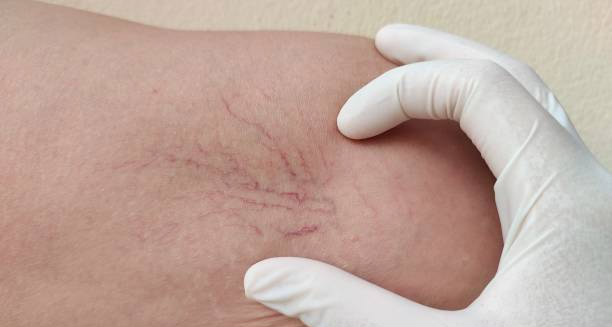
The complications of lipoedema can significantly affect a person’s physical health, emotional wellbeing, and overall quality of life. When left unmanaged, the complications of lipoedema often extend beyond the visible swelling and pain in the limbs. This condition not only alters body shape but also increases the risk of more health problems—both physical and mental. As lipoedema worsens, its effects become more noticeable. It often triggers more health issues that impact movement, daily routines, and self-esteem. Lipoedema is a long-term condition where fat builds up in certain areas, mostly in women. It usually affects the legs, thighs, buttocks, and sometimes the arms, while sparing the hands and feet. Although it is not caused by obesity, extra weight, a late diagnosis, or poor treatment can make the symptoms worse. Understanding these complications helps both patients and doctors to act early and manage the disease better. Joint Strain and Movement Problems One of the most common complications of lipoedema is trouble with movement. The extra fat, especially on the lower body, puts pressure on joints like the knees, hips, and ankles. This added weight changes how the body moves. As a result, walking, standing, or even basic tasks become painful and tiring. Over time, this can lead to joint damage and conditions like osteoarthritis. In severe cases, the fat buildup makes walking very hard. People may change how they walk to cope, which strains their muscles and posture. These changes lead to more pain and limit movement even further. As mobility drops, people become less active, which only worsens physical and mental symptoms. Pain and Skin Sensitivity Pain is another major issue with lipoedema. The affected areas often feel sore or overly sensitive. Some people feel a deep ache, while others describe sharp discomfort. This pain often does not match any visible signs like bruises. It may become long-lasting and harder to manage as the condition progresses. Pain can also disturb sleep, limit movement, and affect emotional health. Many people with lipoedema also experience allodynia, which means even gentle touch causes pain. This makes tight clothes or medical exams uncomfortable. Swelling can press on nerves, adding to the pain and making the skin feel even more tender. Lymph Trouble and Lipo-lymphoedema Lipoedema can also harm the lymphatic system. While lipoedema and lymphoedema are different, unmanaged lipoedema may cause the lymph system to fail. This leads to lipo-lymphoedema, where the body cannot drain fluid properly. The legs or arms swell more, and movement becomes even harder. This condition is harder to treat than early lipoedema. It also raises the risk of skin infections like cellulitis, especially if there are cracks or sores. These infections are painful and, if ignored, can become life-threatening. Skin Problems and Infection Risk The complications of lipoedema also affect the skin. As swelling continues, the skin stretches and weakens. This makes it more likely to tear or become infected. Common issues include rashes, fungal infections, and repeated bouts of cellulitis. In more advanced stages, the skin can become thick and stiff. It may take on a bumpy or “orange peel” texture. Fat lumps may also form in folds of the skin. These areas are harder to keep clean and more likely to get infected again, especially if mobility is already limited. Emotional and Social Effects The mental and social effects of lipoedema are just as serious. Many people feel ashamed of their body, leading to low self-worth and sadness. Depression, anxiety, and isolation are common. Some avoid going out or stop doing activities they once enjoyed. It’s even worse when others—including doctors—misunderstand the condition. People with lipoedema are often wrongly told they’re just overweight or not trying hard enough. This causes stress and delays in treatment. The frustration and shame can stop people from asking for help when they need it most. Weight Gain and Wrong Advice While lipoedema isn’t caused by poor diet or lack of exercise, people are often given the wrong advice. They may be told to follow strict diets or intense workout plans. These often fail, which leaves patients feeling frustrated and hopeless. That’s because lipoedema fat doesn’t respond to dieting the same way as other types of fat. If weight gain continues, it can speed up disease progression. Heavier weight puts more strain on joints, worsens swelling, and makes movement harder. People may fall into unhealthy eating patterns—either overeating or starving themselves—just to try and manage symptoms. This cycle only worsens both their physical and mental health. Delayed Diagnosis and Access to Care Another hidden complication is late diagnosis. Many general doctors still don’t recognise lipoedema, so patients often go years without answers. Without a correct diagnosis, they miss out on treatments like compression therapy, manual lymphatic drainage, or specialised physiotherapy. The sooner the condition is diagnosed, the easier it is to manage. Access to treatment also depends on money. In many countries, liposuction and other helpful treatments aren’t covered by insurance. This means only people who can afford private care get the best support, while others continue to suffer. Conclusion The complications of lipoedema go far beyond appearance. They affect movement, cause pain, lead to infections, and hurt emotional wellbeing. Without early diagnosis and proper treatment, these problems get worse over time. That’s why raising awareness is so important. With the right care plan, many of these issues can be reduced or even prevented. Patients should feel empowered to speak up and seek help. With support and early action, they can manage their condition better and live more confidently. [Next: Back to Overview →]

Complications of Lipoedema Read More »

Overview of Lichen Sclerosus

Lichen Sclerosus

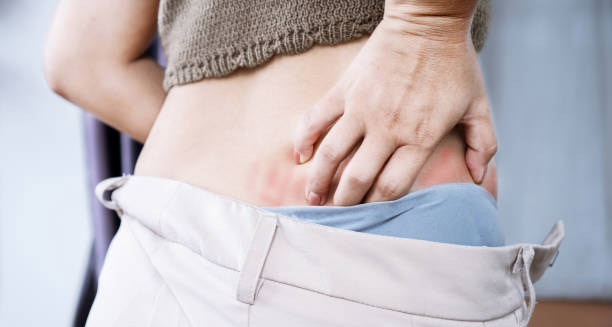
Overview of Lichen Sclerosus The overview of Lichen Sclerosus is essential for understanding this chronic, often misunderstood skin condition that predominantly affects the genital and anal regions. Overview of Lichen Sclerosus helps explain a disease that can deeply affect quality of life. It mostly impacts women, though it can also affect men and children. This long-term skin problem causes white, patchy areas of skin that are thinner than usual. These areas often feel itchy and sore. Without treatment, the condition may lead to scarring. While it is not caused by poor hygiene or spread through contact, doctors still don’t know exactly what causes it. That’s why early diagnosis is key to controlling symptoms and stopping complications. Although it’s rare, lichen sclerosus may be more common than we think. Doctors may miss it, especially since it often starts with mild symptoms and affects private areas. It’s seen most often in postmenopausal women, but it can also appear in younger people and in men. In women, it often affects the vulva. In men, it can affect the foreskin. Children may also get it, though their symptoms may fade after puberty. Key Challenges in the Overview of Lichen Sclerosus A major concern in the overview of Lichen Sclerosus is the discomfort it brings. The skin changes can make daily activities hard. Some people find it painful to walk, use the toilet, or have sex. It can also cause a lot of emotional stress. People may feel embarrassed or nervous, which can stop them from asking for medical help. Looking at what happens in the skin, lichen sclerosus changes how the skin’s collagen works. The skin loses colour, becomes white, and feels more fragile. It may tear or crack easily. These changes can also affect how the skin works. For women, the labia may stick together, or the vaginal opening may shrink. For men, the foreskin might tighten, making urination or sex painful. These problems show how important quick treatment is. Even more serious, lichen sclerosus can raise the risk of vulvar cancer. Although this risk is low, it’s still a concern. Regular check-ups can help find early signs of cancer. Catching these changes early makes treatment easier and lowers long-term risks. Diagnosis and Causes of Lichen Sclerosus Doctors aren’t sure what causes lichen sclerosus, but there are many ideas. One common theory is that the immune system wrongly attacks the skin. Some also think hormone levels might play a part, especially since the condition often affects women after menopause. Genetics may also be involved. More studies are needed to fully understand why it happens. Since there’s no known cure, most people will need to manage the condition over time. To diagnose it, doctors usually do a skin check. They may also take a small skin sample (biopsy) to confirm the diagnosis and rule out other issues. It’s important to tell it apart from other skin problems like lichen planus or vulvar changes linked to HPV. Because it looks like other skin diseases, doctors may take longer to make the correct diagnosis. In the bigger picture of skin health, the overview of Lichen Sclerosus highlights how important it is to raise awareness. More education helps both doctors and patients notice signs early. Many people stay quiet about their symptoms because they feel ashamed. But good treatment is out there. Treatment, Support, and Living with Lichen Sclerosus Treatment often starts with strong steroid creams. These reduce swelling and ease symptoms. In some cases, medicines that affect the immune system may help. Ongoing treatment is often needed to stop flare-ups. Simple steps like wearing loose clothes and avoiding harsh soaps also help. For men with severe tightening of the foreskin, doctors may suggest circumcision. Follow-up visits are important to check for changes or early signs of cancer. Living with lichen sclerosus isn’t easy. People often need care from skin doctors, gynaecologists, or urologists, depending on where their symptoms are. Mental health support is just as important. Anxiety, sadness, and low self-esteem are common. Support groups and therapy can make a big difference. In short, the overview of Lichen Sclerosus gives a clear picture of a difficult skin condition. It’s not deadly, but it can change lives. Catching it early, using the right treatment, and seeing the doctor often are the best ways to control symptoms and avoid long-term issues. By talking more openly and spreading awareness, people can feel safe getting help and not feel ashamed of their condition. [Next: Causes of Lichen Sclerosus →]

Lichen Sclerosus Read More »

Causes of Lichen Sclerosus

Causes of Lichen Sclerosus

Causes of Lichen Sclerosus are not yet fully understood, but researchers believe the condition results from a combination of autoimmune, hormonal, genetic, and environmental factors. Although lichen sclerosus is not very common, it can affect people of all ages. It appears more often in postmenopausal women and, less frequently, in children and men. By learning what causes Lichen Sclerosus, we can better spot it early and treat it faster. This helps lower symptoms and reduce future problems. A leading cause may be an autoimmune reaction. In these cases, the immune system wrongly attacks healthy skin and tissue. With lichen sclerosus, this reaction affects the skin and moist inner areas. This leads to inflammation, thinning skin, and scarring. Autoimmune diseases often run in families. People with lichen sclerosus may also have other autoimmune conditions, like thyroid problems, vitiligo, or type 1 diabetes. This strengthens the autoimmune theory. Hormonal and Genetic Causes of Lichen Sclerosus Hormones might also play a role. The condition shows up often in postmenopausal women and young children—both groups with lower estrogen levels. This link suggests that hormonal changes may affect the disease. However, hormone replacement therapy (HRT) does not cure or prevent it. So, hormones may contribute to lichen sclerosus but don’t fully cause it. Genetics could be another factor. Studies show that lichen sclerosus sometimes runs in families. Some people may have a higher risk due to certain genes. But scientists haven’t found a single gene responsible. Most likely, a mix of genes and environmental triggers lead to the condition in those who are at risk. Environmental Triggers and Skin Trauma Everyday habits and surroundings may also influence the causes of Lichen Sclerosus. For example, rubbing or injury from tight clothing might trigger symptoms. This idea matches a known skin reaction called the Koebner phenomenon, where damage leads to new skin lesions. Poor hygiene, exposure to harsh soaps or chemicals, and synthetic fabrics may also play a part. Some scientists have looked at infections as possible triggers. While no single virus or bacteria has been confirmed, HPV and other infections have been studied. These infections may not directly cause lichen sclerosus, but they could make it worse. There’s also a possible link to urinary incontinence. When skin stays wet with urine or stool, especially in children or older adults, it can become weak. This may make the skin more likely to react badly, though this is likely a worsening factor, not the root cause. Other Contributing Factors Another theory focuses on the skin’s natural balance of bacteria—its microbiome. Like the gut, the skin needs good bacteria to stay healthy. If this balance breaks—due to antibiotics, harsh soap, or over-washing—the skin can become weak and more prone to problems. This might make inflammatory conditions like lichen sclerosus more likely. Stress also plays a role. While not a direct cause, stress can affect the immune system. Many people notice flare-ups during stressful times. This doesn’t prove stress causes lichen sclerosus, but the connection is common in autoimmune skin conditions. Some medical treatments might act as triggers too. Surgery or radiation in the genital area can change tissue and immune responses. This could make the skin more likely to develop lichen sclerosus after healing. Even so, these cases are rare. Importantly, lichen sclerosus is not contagious. You can’t get it through touch, sex, or sharing personal items. This fact is key to clearing up common myths and lowering shame tied to skin conditions in private areas. Summary of the Causes of Lichen Sclerosus In short, causes of Lichen Sclerosus are likely complex and involve several factors. The autoimmune theory is the strongest so far. But hormones, genetics, irritation, microbiome imbalance, and even stress may all add to the risk. Research is still ongoing. As scientists learn more, better tests and treatments will likely become available. This progress offers hope for people living with this lifelong skin condition. [Next: Symptoms of Lichen Sclerosus →]

Causes of Lichen Sclerosus Read More »

Scroll to Top