Mental Matters

Health Conditions

Find information on various health conditions affecting people of all ages. This category covers causes, symptoms, diagnosis, and management options for physical illnesses and chronic diseases. Get insights to help you understand different health challenges and make informed decisions about your wellbeing.

Adult incontinence pads and underwear on display

Living with Bowel Incontinence

Living with Bowel Incontinence – Support and Outlook While bowel incontinence can be deeply distressing, many people go on to live full and active lives with the right treatment, support, and adjustments. Learn more about living with bowel incontinence below. 1. Emotional and psychological wellbeing 2. Managing day-to-day life 3. Coping strategies 4. Relationships and intimacy 5. Employment and education 6. Long-term prognosis 7. Resources in South Africa for Living with Bowel Incontinence The most important message: You are not alone. Bowel incontinence is common, treatable, and manageable with the right team and tools. 👉 [End of Series | Back to Overview]

Living with Bowel Incontinence Read More »

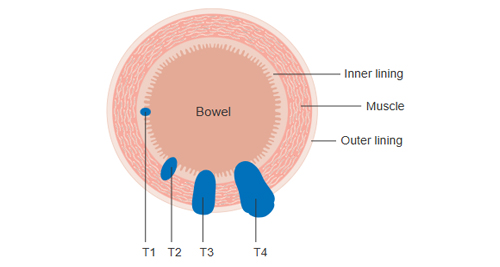
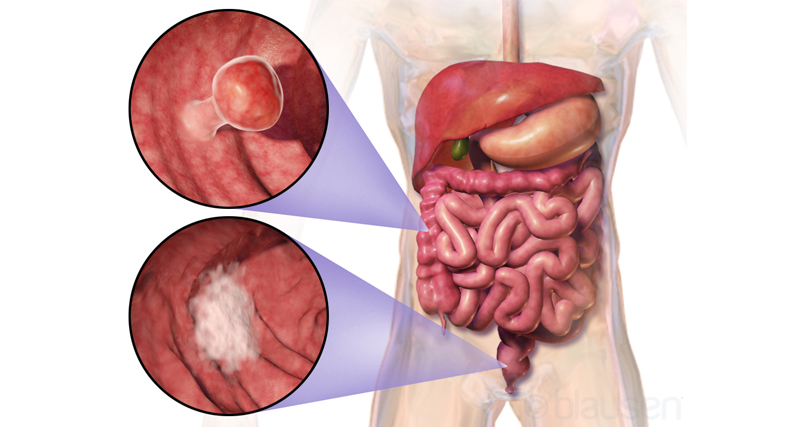
Medical diagram showing location and close-up views of bowel cancer in the digestive tract

Bowel Cancer

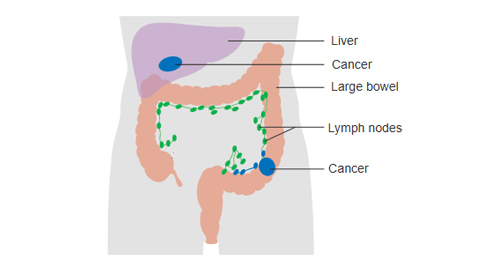
Bowel Cancer – Overview Bowel cancer, also known as colorectal cancer, is a common and potentially deadly cancer that affects the large intestine, including the colon and rectum. It usually begins as small growths called polyps, which may become cancerous over time if not detected and removed early. This condition ranks among the top five most common cancers worldwide, including in South Africa. It typically affects people over the age of 50, but younger cases are becoming more common, partly due to changes in diet, lifestyle, and genetic awareness. Early detection is critical — when diagnosed at an early stage, this condition has a high survival rate, especially with surgery and appropriate treatment. Common symptoms of bowel cancer: Because these symptoms often resemble other digestive conditions like IBS, haemorrhoids, or infections, bowel cancer can go unnoticed until it has progressed. This is why screening and awareness are so important. In South Africa, awareness is growing, but screening remains limited in public facilities. Most people are diagnosed only after symptoms appear, which often means later stages of the disease. This condition affects men and women equally, and risk increases with age. However, lifestyle factors — such as low fibre intake, high consumption of red or processed meat, obesity, and alcohol — also play a major role. When found early, bowel cancer is one of the most treatable cancers, with surgery, chemotherapy, and radiation therapy offering effective options. 👉 [Next: Causes and Risk Factors of Bowel Cancer]

Bowel Cancer Read More »

Diagram showing bowel cancer affecting large bowel, lymph nodes, and liver

Causes and Risk Factors of Bowel Cancer

Causes and Risk Factors of Bowel Cancer Causes and risk factors of bowel cancer develops when cells in the colon or rectum grow uncontrollably, often beginning as non-cancerous polyps. Over time, some polyps can become cancerous, especially if left undetected. Several risk factors contribute to the development of bowel cancer, many of which are preventable or manageable through lifestyle changes and regular screening. 1. Age 2. Diet and lifestyle 3. Family history 4. Genetic syndromes 5. Inflammatory bowel disease (IBD) 6. Diabetes 7. Previous cancer or radiation therapy 8. Ethnicity and access to care Causes and Risk Factors of Bowel Cancer Awareness of these risk factors can lead to earlier detection and life-saving intervention. 👉 [Next: Diagnosis and Screening for Bowel Cancer]

Causes and Risk Factors of Bowel Cancer Read More »

Diagnosis and Screening for Bowel Cancer

Diagnosis and Screening for Bowel Cancer

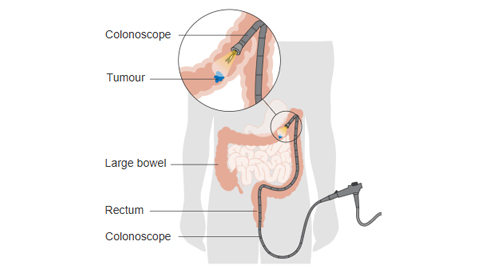
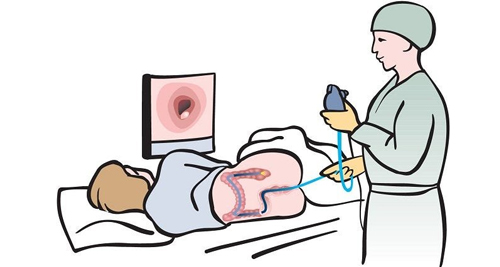
Diagnosis and Screening for Bowel Cancer Early diagnosis and screening for bowel cancer is critical to improving survival rates. Since early stages often have no symptoms, regular screening is the most effective way to detect the disease before it spreads. 1. Screening tests A. Faecal immunochemical test (FIT) B. Colonoscopy C. Sigmoidoscopy D. CT colonography (virtual colonoscopy) 2. Diagnostic confirmation 3. Staging the cancer 4. Blood tests In South Africa: Diagnosis and Screening for Bowel Cancer If caught early, bowel cancer has a 5-year survival rate of over 90%, but this drops dramatically with late-stage diagnosis. 👉 [Next: Treatment Options for Bowel Cancer]

Diagnosis and Screening for Bowel Cancer Read More »

Diagram showing a colonoscope examining a tumour in the large bowel for bowel cancer treatment.

Treatment Options for Bowel Cancer

Treatment Options for Bowel Cancer Treatment options for bowel cancer depends on the stage of the cancer, location, and the patient’s overall health. Most cases require a combination of surgery, chemotherapy, and possibly radiation therapy. 1. Surgery 2. Chemotherapy 3. Radiation therapy 4. Targeted therapies and immunotherapy 5. Palliative care Multidisciplinary teams — including oncologists, surgeons, dietitians, psychologists, and nurses — offer the best outcomes when care is coordinated. Treatment Options for Bowel Cancer In South Africa: 👉 [Next: Living with Bowel Cancer – Recovery and Support]

Treatment Options for Bowel Cancer Read More »

Medical illustration of a colonoscopy procedure for bowel cancer diagnosis and monitoring.

Living with Bowel Cancer

Living with Bowel Cancer – Recovery and Support Recovering from bowel cancer treatment involves more than just physical healing. Emotional resilience, long-term monitoring, and practical adjustments are all part of living well after cancer. The following adjustments can be considered when living with bowel cancer. 1. Post-surgical recovery 2. Diet and lifestyle 3. Emotional health 4. Follow-up care 5. Return to normal life 6. Support in South Africa Living with Bowel Cancer With the right care, bowel cancer survivors can live long, fulfilling lives. Awareness, early diagnosis, and supportive systems are the foundation of hope and healing. 👉 [End of Series | Back to Overview]

Living with Bowel Cancer Read More »

Therapist and patient in a counselling session, illustrating mental health support for borderline personality disorder.

Borderline Personality Disorder

Borderline Personality Disorder (BPD) – Overview Borderline Personality Disorder (BPD) is a complex mental health condition that causes intense instability in emotions, self-image, relationships, and behaviour. People with BPD often struggle with intense mood swings, fear of abandonment, and impulsive actions that can disrupt their personal and professional lives. About 1–2% of the population lives with BPD, and the emotional distress it causes can be intense. Many individuals with BPD experience chronic feelings of emptiness, intense interpersonal conflict, and a fragile sense of identity. Self-harm, suicidal thoughts, and extreme emotional reactions are common. In South Africa, many people misunderstand or misdiagnose BPD, often confusing it with bipolar disorder, depression, or anxiety. Limited access to personality-specific psychological care in many regions makes accurate diagnosis and effective treatment even more difficult. Core symptoms of BPD include: Key challenges faced by people with BPD: Who is affected by Borderline Personality Disorder (BPD)? Despite its severity, BPD is treatable. With the right therapy, individuals can build more stable relationships, improve emotional control, and live meaningful lives. 👉 [Next: Causes and Risk Factors of BPD]

Borderline Personality Disorder Read More »

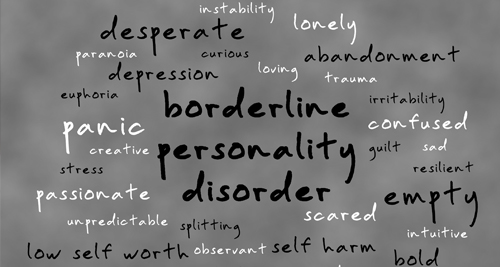
Word cloud showing emotional terms linked to borderline personality disorder such as fear, emptiness, panic, and self-harm.

Causes and Risk Factors of BPD

Causes and Risk Factors of BPD The exact causes of Borderline Personality Disorder (BPD) are not fully understood, but most researchers agree that it results from a combination of biological, psychological, and environmental factors. These interact during early development to influence brain function, emotional regulation, and attachment styles. Learn more about the causes and risk factors of bpd below. 1. Genetic predisposition 2. Brain structure and function 3. Early life trauma 4. Invalidating environment 5. Neurobiological sensitivity 6. Gender and cultural factors 7. Social factors Causes and Risk Factors of BPD Understanding the origins of BPD is essential for approaching it with compassion and clinical accuracy, not judgment. 👉 [Next: Diagnosis and Recognition of BPD]

Causes and Risk Factors of BPD Read More »

Abstract illustration of a person split into two moods, symbolising emotional instability and duality.

Diagnosis and Recognition of BPD

Diagnosis and Recognition of BPD Diagnosis and recognition of BPD can be challenging because its symptoms overlap with other mental health conditions. Additionally, individuals with BPD may struggle to describe their emotional world clearly, making it difficult for healthcare providers to distinguish BPD from bipolar disorder, PTSD, or depression. A trained mental health professional — typically a psychiatrist, psychologist, or clinical social worker — conducts a comprehensive clinical interview and psychological assessments to make a diagnosis. Diagnostic criteria (DSM-5): To be diagnosed with BPD, a person must exhibit at least five of the following traits: Screening tools that may be used: Differentiating BPD from other conditions: South African challenges in diagnosis: Diagnosis and Recognition of BPD Stigma and misunderstanding around BPD often cause people to be dismissed as “difficult” rather than recognised as someone in need of structured, trauma-informed care. 👉 [Next: Treatment Options for BPD]

Diagnosis and Recognition of BPD Read More »

A diverse group of smiling young adults forming a supportive circle with hands joined in unity.

Treatment Options for BPD

Treatment Options for BPD Borderline Personality Disorder is challenging, but very treatable, especially when care is consistent and personalised. People with BPD often see significant improvements in their symptoms, relationships, and emotional stability with the right treatment approach. Learn more about the treatment options for bpd below. 1. Dialectical Behaviour Therapy (DBT) 2. Mentalisation-Based Therapy (MBT) 3. Schema Therapy 4. Medication 5. Crisis and hospital support 6. Lifestyle and support In South Africa, DBT and MBT are offered in some private mental health facilities, while public services may focus on crisis management and referrals. NGOs like SADAG and Akeso Clinics offer tools and resources for those in need. Treatment Options for BPD With structured, compassionate support, people with BPD can go on to lead balanced, fulfilling lives. 👉 [Next: Living with BPD – Support and Recovery]

Treatment Options for BPD Read More »

Scroll to Top