Mental Matters

Health Conditions

Find information on various health conditions affecting people of all ages. This category covers causes, symptoms, diagnosis, and management options for physical illnesses and chronic diseases. Get insights to help you understand different health challenges and make informed decisions about your wellbeing.

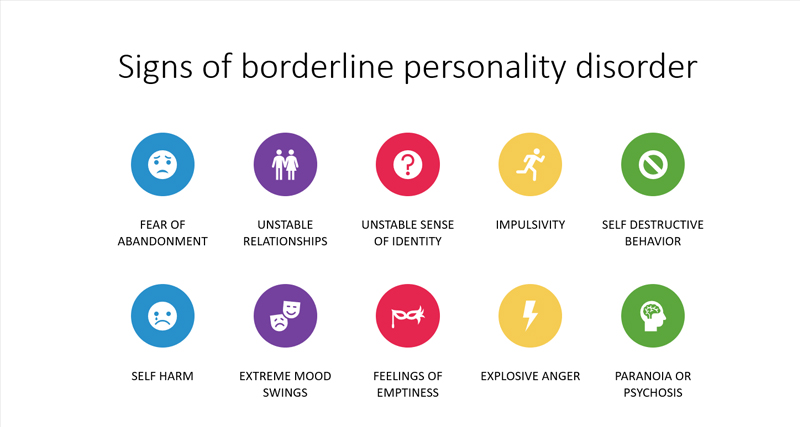
Infographic showing key signs of borderline personality disorder, including fear of abandonment, mood swings, and impulsivity.

Living with BPD

Living with BPD – Support and Recovery Living with Borderline Personality Disorder (BPD) is not easy, but recovery is possible. With access to treatment, social support, and a personalised approach to wellbeing, many individuals with BPD learn to build stable relationships, manage emotions, and gain a strong sense of identity. Read more about Living with BPD below. 1. Building emotional resilience 2. Strengthening relationships 3. Managing relapses 4. Employment and education 5. Self-care routines 6. Peer support 7. Family support and understanding In the South African context, access to affordable long-term therapy is still limited in many regions. Raising awareness, expanding training for professionals, and offering community-based DBT programmes can help close the treatment gap. Living with BPD Recovery from BPD means not only managing symptoms — it’s about building a life worth living, with confidence, connection, and hope. 👉 [End of Series | Back to Overview]
Living with BPD Read More »

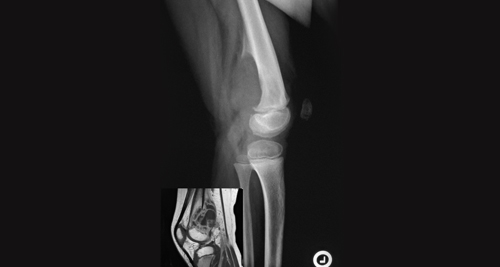
X-ray image of a bone cyst visible in the femur, showing a radiolucent lesion with defined borders.

Bone Cyst

Bone Cyst – Overview A bone cyst is a fluid-filled cavity that develops inside a bone, typically in children and young adults. Although they can sound alarming, most bone cysts are benign (non-cancerous) and often discovered accidentally on X-rays taken for unrelated reasons, like after a fall or injury. Bone cysts are generally painless, but they may weaken the affected bone over time, increasing the risk of fractures. If a cyst is large, growing, or located in a critical bone like the femur or humerus, treatment might be required. There are two main types of bone cysts: Symptoms of a bone cyst may include: Most bone cysts do not become cancerous, but they must be monitored to ensure they do not interfere with growth or structural stability. In South Africa, they are typically diagnosed by orthopaedic specialists at public or private clinics when investigating unexplained pain or injury in children and teens. While many cysts resolve on their own, some require surgical drainage, steroid injection, or bone grafting, especially if they’re large or recurrent. 👉 [Next: Causes and Risk Factors of Bone Cysts]

Bone Cyst Read More »

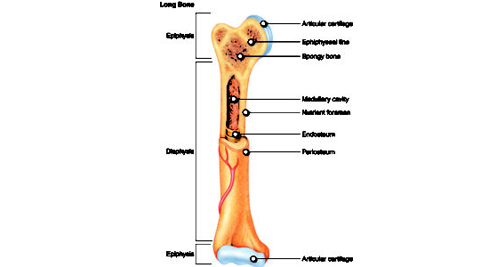
Diagram of a long bone showing anatomy including epiphysis, diaphysis, medullary cavity, and nutrient foramen.

Causes and Risk Factors of Bone Cysts

Causes and Risk Factors of Bone Cysts The exact causes and risk factors of bone cysts remains somewhat unclear, especially for unicameral (simple) bone cysts. However, doctors believe that they are often related to fluid build-up and abnormal growth in the bone marrow cavity during childhood development. 1. Unicameral (simple) bone cysts Risk factors for simple bone cysts include: 2. Aneurysmal bone cysts Risk factors for aneurysmal bone cysts: 3. Genetic and pathological associations Causes and Risk Factors of Bone Cysts Environmental or lifestyle causes are not linked to bone cysts, and they cannot be prevented. However, timely diagnosis and monitoring ensure they do not lead to complications, especially pathological fractures in active children. 👉 [Next: Diagnosis and Evaluation of Bone Cysts]

Causes and Risk Factors of Bone Cysts Read More »

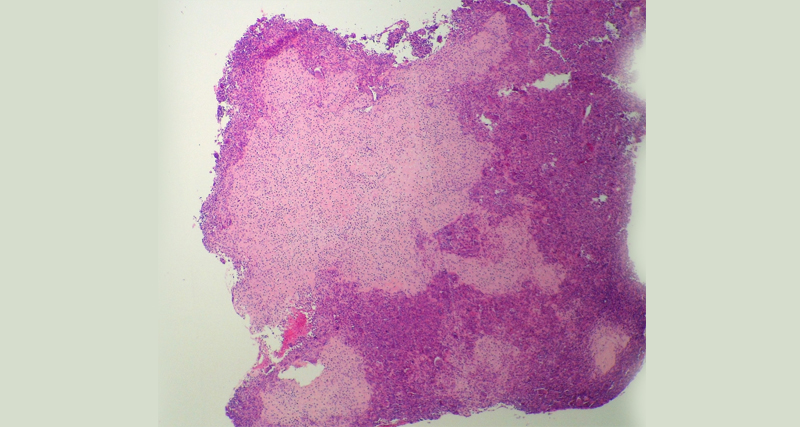
Microscopic image showing a bone cyst under histological evaluation with varying shades of pink and purple.

Diagnosis and Evaluation of Bone Cysts

Diagnosis and Evaluation of Bone Cysts Diagnosis and evaluation of bone cysts involves a combination of clinical evaluation, imaging, and occasionally biopsy to confirm the diagnosis and rule out other bone lesions or tumours. Most bone cysts are incidental findings, discovered on X-rays taken after a fall or sports injury. In some cases, children may present with mild pain or a limp if the cyst affects movement or causes structural weakness. 1. Clinical assessment: 2. Imaging tests: A. X-ray B. MRI (Magnetic Resonance Imaging) C. CT scan (Computed Tomography) 3. Bone biopsy 4. Blood tests In South Africa, public hospitals such as Red Cross, Groote Schuur, or Chris Hani Baragwanath have paediatric orthopaedic units equipped to diagnose bone cysts. Private imaging centres may offer faster access to MRI or CT scans. Diagnosis and Evaluation of Bone Cysts Early diagnosis helps avoid complications such as fractures or bone deformity, especially if the cyst is near a growth plate. 👉 [Next: Treatment Options for Bone Cysts]

Diagnosis and Evaluation of Bone Cysts Read More »

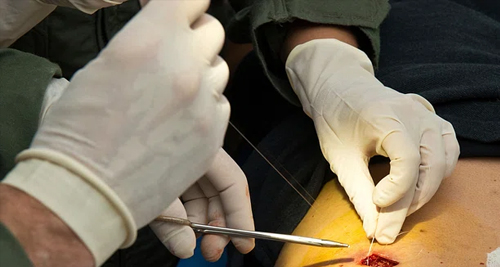
Close-up of a medical procedure where a doctor is performing a minor surgical intervention to treat a bone cyst.

Treatment Options for Bone Cysts

Treatment Options for Bone Cysts Treatment options for bone cysts depends on the type, size, location, and whether the cyst is causing symptoms or complications like fractures. Many bone cysts resolve on their own, particularly simple bone cysts in children, but some may require intervention to prevent bone weakening or deformity. 1. Observation (watchful waiting) 2. Steroid injections 3. Bone grafting 4. Curettage and internal fixation 5. Sclerotherapy 6. Resection (removal) 7. Physical therapy In South Africa, treatment is accessible through both public and private orthopaedic clinics. Surgical options are available in tertiary hospitals, though waiting times may vary. Treatment Options for Bone Cysts The goal is to stabilise the bone, relieve symptoms, and prevent recurrence, allowing the child or adolescent to resume normal activities. 👉 [Next: Recovery and Long-Term Outlook]

Treatment Options for Bone Cysts Read More »

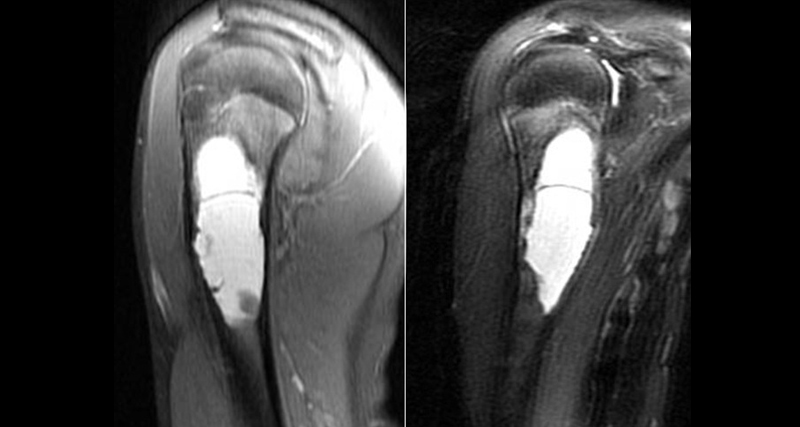
MRI scans showing bone cysts in the upper arm, typically used in diagnosis and follow-up imaging.

Bone Cysts Recovery and Long-Term Outlook

Bone Cysts Recovery and Long-Term Outlook The outlook for bone cysts is generally excellent, especially when diagnosed early and managed appropriately. Most children and teens recover fully and return to their usual activities without long-term issues. Read more about bone cysts recovery and long-term outlook below. 1. Healing process 2. Return to activities 3. Risk of recurrence 4. Long-term follow-up 5. Rare complications Bone Cysts Recovery and Long-Term Outlook In South Africa, many doctors diagnose bone cysts only after an injury — largely due to low public awareness. Educational outreach in schools and sports clubs can help promote early investigation of persistent limb pain or swelling. Children diagnosed with bone cysts can look forward to a normal, active life with the right care and follow-up. 👉 [End of Series | Back to Overview]
Bone Cysts Recovery and Long-Term Outlook Read More »

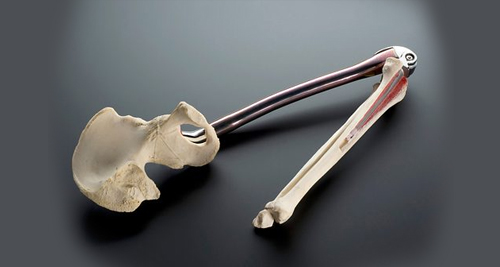
Prosthetic model showing a human femur and hip bone replacement, often used in advanced bone cancer cases.

Bone Cancer

Bone Cancer – Overview Bone cancer refers to a malignant tumour that starts in the bone or bone tissue. It’s distinct from cancers that spread to the bones from other organs, such as breast or prostate cancer — those are known as secondary or metastatic bone cancers. Primary is rare but can be aggressive, especially if not detected early. This can affect people of all ages but is more common in children, teens, and young adults. In South Africa, access to early diagnosis varies widely by region, often leading to delayed detection in rural areas or under-resourced communities. Types of primary bone cancer include: Common symptoms: This condition may be mistaken for sports injuries or growing pains, especially in children, which can delay diagnosis. While rare, it’s important to investigate any long-lasting bone pain or swelling that doesn’t improve with rest. Though this condition is serious, advances in treatment, especially when caught early, have improved outcomes significantly. Multidisciplinary care — involving oncologists, orthopaedic surgeons, and rehabilitation teams — is crucial for managing this complex condition. 👉 [Next: Causes and Risk Factors of Bone Cancer]

Bone Cancer Read More »

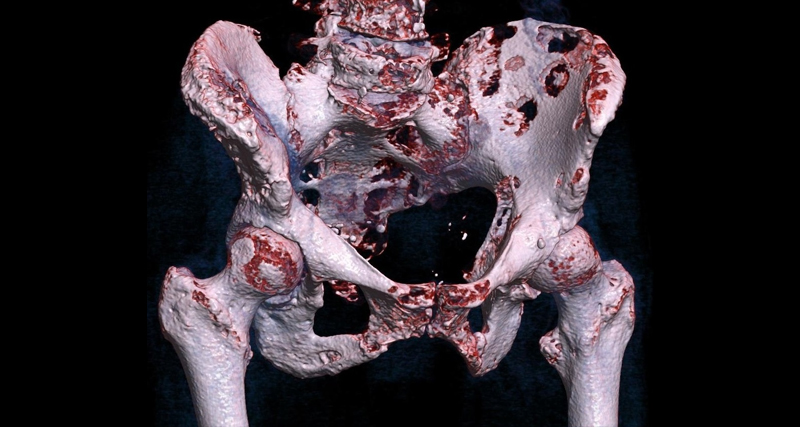
3D bone scan showing widespread bone lesions indicative of cancer affecting the pelvis and lower spine.

Causes and Risk Factors of Bone Cancer

Causes and Risk Factors of Bone Cancer The precise causes and risk factors of bone cancer are often unknown, but researchers believe a combination of genetic mutations, bone cell abnormalities, and environmental exposures play a role. While many cases are sporadic, several risk factors have been identified. 1. Genetic mutations 2. Radiation exposure 3. Bone disorders 4. Age and growth spurts 5. Gender 6. Family history 7. Chronic inflammation or injury 8. Ethnicity and geography Causes and Risk Factors of Bone Cancer Understanding the risk factors is crucial for early screening in high-risk individuals and for guiding treatment decisions. 👉 [Next: Diagnosis and Testing for Bone Cancer]

Causes and Risk Factors of Bone Cancer Read More »

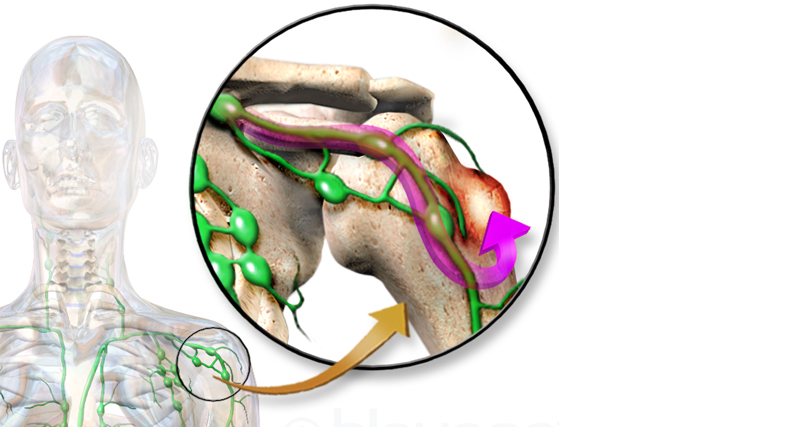
Illustration of bone cancer with lymphatic spread and anatomical highlighting of affected bone and lymph nodes.

Diagnosis and Testing for Bone Cancer

Diagnosis and Testing for Bone Cancer Prompt and accurate diagnosis is key to effectively treating bone cancer. Because early symptoms can mimic injuries or common bone conditions, doctors must carry out a thorough diagnostic process to confirm cancer, identify its type, and plan the right treatment. Learn more about the diagnosis and testing for bone cancer below. Initial steps in diagnosis: South African context: Diagnosis and Testing for Bone Cancer A timely, accurate diagnosis is the first step to improving outcomes and preserving mobility in bone cancer patients. 👉 [Next: Treatment Options for Bone Cancer]

Diagnosis and Testing for Bone Cancer Read More »

Tablet displaying a word cloud centred around cancer-related terms, including causes, symptoms, and treatments.

Treatment Options for Bone Cancer

Treatment Options for Bone Cancer Treatment options for bone cancer typically involves a multidisciplinary approach, combining surgery, chemotherapy, and radiation therapy. The goal is to remove or destroy the cancer, reduce the risk of recurrence, and preserve as much limb function as possible. 1. Surgery 2. Chemotherapy 3. Radiation therapy 4. Targeted therapies and clinical trials 5. Supportive care In South Africa: Treatment Options for Bone Cancer Early, aggressive treatment improves survival rates and offers the best chance at preserving quality of life. 👉 [Next: Living with Bone Cancer – Recovery and Support] https://mentalmatters.co.za/bone-cancer/

Treatment Options for Bone Cancer Read More »

Scroll to Top