Mental Matters

Health Conditions

Find information on various health conditions affecting people of all ages. This category covers causes, symptoms, diagnosis, and management options for physical illnesses and chronic diseases. Get insights to help you understand different health challenges and make informed decisions about your wellbeing.

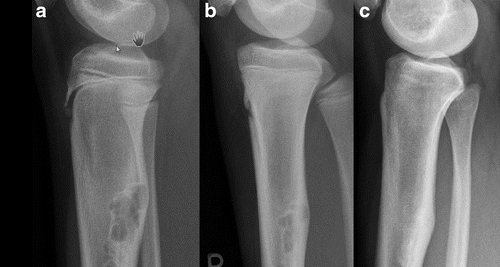
X-ray images showing the progression and treatment response of bone cancer in the leg.

Living with Bone Cancer

Living with Bone Cancer – Recovery and Support Living with bone cancer involves not only physical recovery but also emotional and social adjustment. Whether you’re undergoing treatment or in remission, long-term care, support, and rehabilitation are essential to ensure a good quality of life. 1. Physical rehabilitation 2. Emotional and psychological support 3. Education and social reintegration 4. Long-term monitoring 5. Nutrition and lifestyle 6. Financial and practical challenges 7. Survivor outlook Living with Bone Cancer Many survivors of bone cancer go on to lead full, active lives, pursue careers, and start families. With continued support, education, and follow-up, bone cancer doesn’t have to be the end of your future — it can be the beginning of a new one. 👉 [End of Series | Back to Overview]
Living with Bone Cancer Read More »

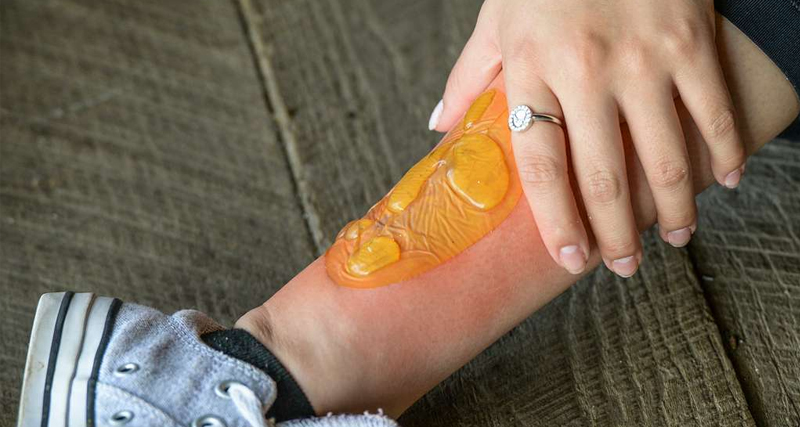
Boil on leg with a protective transparent dressing and surrounding redness being treated by hand.

 Boils

Boils – Overview A boil, also known as a furuncle, is a painful, pus-filled bump that develops under the skin when a hair follicle or oil gland becomes infected. Boils are caused by bacteria — most commonly Staphylococcus aureus — and often appear on areas of the body prone to sweating, friction, or hair growth, such as the neck, armpits, thighs, buttocks, or face. Boils typically start as red, tender lumps, and within a few days, they become larger, more painful, and filled with pus. Once the boil bursts and drains, it usually begins to heal, but in some cases, it may require medical treatment. In South Africa, they are common, especially in warmer climates and overcrowded living conditions, where skin hygiene and access to healthcare may be limited. They can affect people of any age but are more frequent in teens and adults. Signs and symptoms of  boils: Common sites for boils: When two or more of them, they can create a larger, connected cluster known as a carbuncle, which may cause deeper skin infections and systemic symptoms. Although most boils resolve on their own, complications may include: Boils are different from pimples or cysts, as they’re caused by infection and may require drainage or antibiotics. 👉 [Next: Causes and Risk Factors of Boils]

 Boils Read More »

Close-up of a boil on irritated skin, showing redness, swelling, and a central pustule.

Causes and Risk Factors of Boils

Causes and Risk Factors of Boils Boils are caused by a bacterial infection, usually by Staphylococcus aureus, which enters the skin through minor cuts, ingrown hairs, or blocked sweat glands. The body responds by sending white blood cells to the area, forming pus and creating an inflamed, painful lump. Read more about the causes and risk factors of boils below. Common causes include: Key risk factors: Causes and Risk Factors of Boils Boils are not usually dangerous, but recurring or large ones may signal a deeper problem. Understanding the risk factors helps prevent future outbreaks. 👉 [Next: Diagnosis and When to Seek Help]

Causes and Risk Factors of Boils Read More »

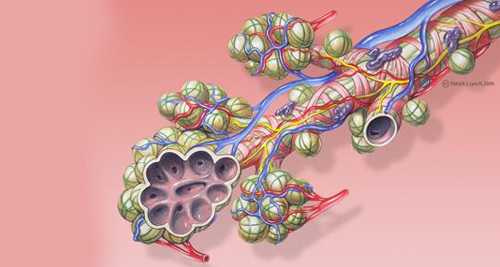
Detailed anatomical illustration of alveoli and blood vessels, depicting lung structures vital for respiratory diagnosis.

Diagnosis and When to Seek Help

Diagnosis and When to Seek Help Diagnosis and when to seek help for a boil is usually straightforward. A healthcare provider can identify it through a physical examination, based on its appearance, location, and symptoms. However, further investigation may be needed if boils are recurrent, unusually large, or show signs of systemic infection. Typical signs doctors look for: Additional tests may be done if: Diagnostic tests may include: When to seek medical attention: In South Africa, public clinics are well-equipped to treat boils, especially if caught early. Private GPs and dermatologists may provide faster diagnosis and lab testing for persistent or resistant cases. Diagnosis and When to Seek Help Early treatment can prevent complications such as abscess formation, scarring, or bloodstream infection (sepsis). 👉 [Next: Treatment and Home Care for Boils]

Diagnosis and When to Seek Help Read More »

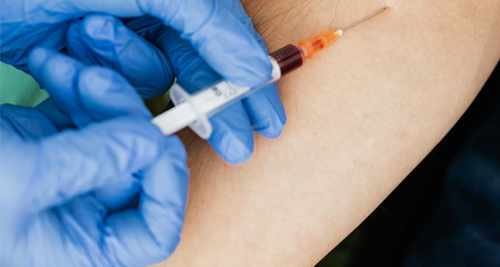
Close-up of a healthcare worker drawing fluid with a syringe, suggesting treatment of a skin infection or boil.

Treatment and Home Care for Boils

Treatment and Home Care for Boils Most small boils can be treated at home with basic hygiene and warm compresses, but larger or more severe infections may need medical attention, incision and drainage, or antibiotics. Read more about the treatment and home care for boils below. 1. Home care for small boils: 2. Do NOT: 3. Medical treatments: A. Incision and drainage (I&D) B. Antibiotics C. Pain management 4. Treating recurrent boils: In the South African context: Treatment and Home Care for Boils Prompt treatment reduces scarring and stops spread to others. 👉 [Next: Prevention and Long-Term Skin Health]

Treatment and Home Care for Boils Read More »

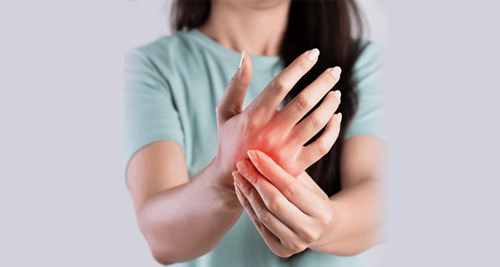
Woman holding inflamed hand with visible redness, representing skin irritation or early signs of a boil.

Boils Prevention and Long-Term Skin Health

Boils Prevention and Long-Term Skin Health Preventing boils involves reducing exposure to bacteria, keeping skin healthy, and addressing underlying conditions that contribute to recurrent infections. Read more about boils prevention and long-term skin health below. 1. Practise good hygiene 2. Avoid skin trauma 3. Keep skin dry and clean 4. Don’t share personal items 5. Manage chronic conditions 6. Nutrition and immunity 7. Treat nasal carriers 8. Clean and disinfect Boils Prevention and Long-Term Skin Health In South Africa, where overcrowding and shared facilities are common in some communities, educational outreach and access to antibacterial resources can make a big difference in preventing outbreaks. With consistency, it is possible to break the cycle of recurring boils and maintain clear, healthy skin. 👉 [End of Series | Back to Overview]
Boils Prevention and Long-Term Skin Health Read More »

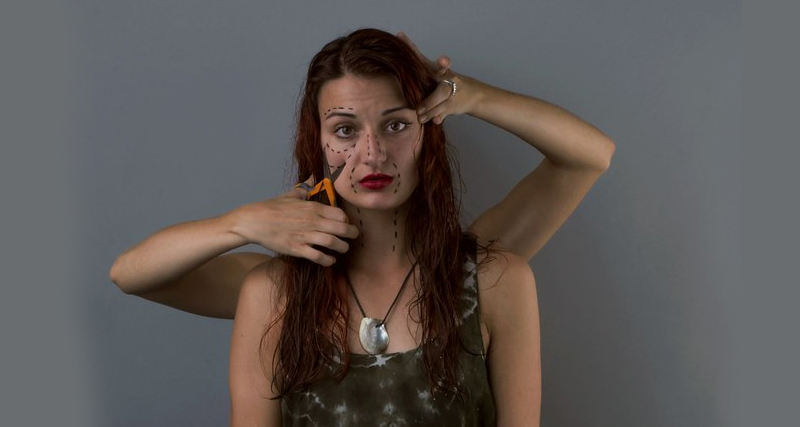
Woman with facial markings and extra arms holding scissors, symbolising inner conflict and distorted self-image linked to body dysmorphic disorder.

Body Dysmorphic Disorder

Body Dysmorphic Disorder (BDD) – Overview Body Dysmorphic Disorder (BDD) is a mental health condition in which a person becomes obsessively concerned with one or more perceived flaws in their physical appearance — flaws that are either minor or not visible to others at all. These worries are far more intense than typical appearance concerns and can significantly impact daily life, relationships, and emotional wellbeing. BDD is not vanity. It is a serious psychological disorder often misunderstood as simple insecurity. People with BDD may spend hours each day checking mirrors, comparing themselves to others, or engaging in repetitive behaviours like skin picking or excessive grooming. In South Africa, BDD is likely underdiagnosed, especially in communities where mental health awareness remains limited. Social media, unrealistic beauty standards, and cultural pressure contribute to growing body image distress, particularly among teens and young adults. Key features of Body Dysmorphic Disorder include: BDD can affect anyone, regardless of gender, although it often begins in adolescence. People with BDD may also have other mental health conditions, such as depression, anxiety, obsessive-compulsive disorder (OCD), or eating disorders. BDD differs from general low self-esteem. The level of distress and obsession is so intense that it can lead to social isolation, work or school disruption, and even suicidal thoughts. If left untreated, the condition can become chronic. However, with appropriate help — particularly therapy and sometimes medication — many people experience meaningful recovery. 👉 [Next: Causes and Risk Factors of BDD]

Body Dysmorphic Disorder Read More »

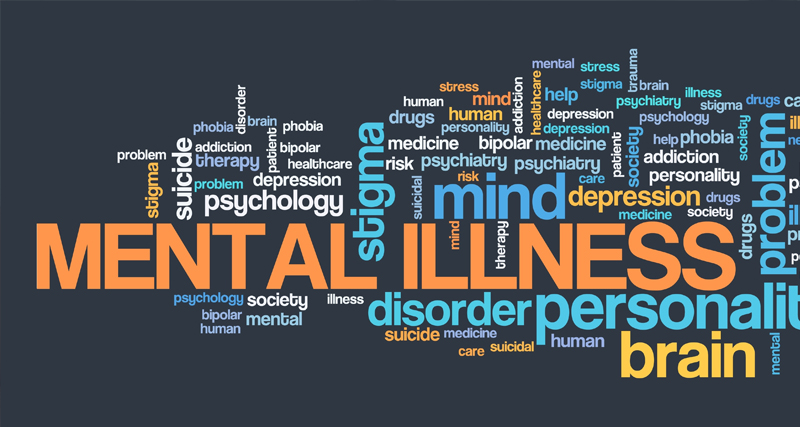
Word cloud highlighting mental illness terms like depression, stigma, disorder, brain, and personality, related to mental health.

Causes and Risk Factors of BDD

Causes and Risk Factors of BDD The exact cause of Body Dysmorphic Disorder (BDD) is not fully understood. Like many mental health conditions, BDD is believed to develop from a combination of biological, psychological, and environmental factors. Genetics, upbringing, trauma, and societal pressure all play a role. Ready more about the causes and risk factors of BDD below. 1. Biological factors 2. Genetic predisposition 3. Psychological factors 4. Environmental and social influences 5. Trauma and abuse 6. Co-occurring conditions Causes and Risk Factors of BDD Many people with BDD are not aware they have a treatable condition. They may believe their concerns are valid and seek help from dermatologists or cosmetic surgeons instead of mental health professionals. Early recognition and intervention are key to improving long-term outcomes. 👉 [Next: Diagnosis and Recognition of BDD]

Causes and Risk Factors of BDD Read More »

A man speaking with a female mental health professional during a counselling session in a modern, bright office.

Diagnosis and Recognition of BDD

Diagnosis and Recognition of BDD Diagnosing Body Dysmorphic Disorder (BDD) can be challenging because many individuals hide their symptoms or genuinely believe they have a physical defect. It is often mistaken for low self-esteem, vanity, or body image issues without realising it is a psychiatric condition. Read more about the diagnosis and recognition of BDD below. Mental health professionals, such as psychologists or psychiatrists, typically diagnose BDD using clinical interviews and DSM-5 criteria. Key diagnostic criteria include: Screening questions may include: BDD vs normal appearance concerns: Red flags to watch for: Diagnosis and Recognition of BDD In South Africa, stigma around mental illness and limited access to specialised psychological services often lead doctors to overlook BDD. Many individuals present first to GPs or beauty clinics, not realising the root is psychological. Raising awareness among healthcare providers and communities is essential for early intervention. 👉 [Next: Treatment Options for BDD]

Diagnosis and Recognition of BDD Read More »

Visual showing synonyms for Body Dysmorphic Disorder (BDD) on a blue background, including dysmorphia and dread of deformity.

Treatment Options for BDD

Treatment Options for BDD Body Dysmorphic Disorder (BDD) is highly treatable with the right approach. The most effective treatment plan usually includes a combination of psychotherapy, medication, and supportive interventions. Treatment options for BDD aims to reduce obsessive thoughts, stop harmful behaviours, and improve quality of life. 1. Cognitive Behavioural Therapy (CBT) 2. Exposure and Response Prevention (ERP) 3. Medication 4. Group therapy and support groups 5. Family therapy 6. Avoid cosmetic procedures 7. Mindfulness and stress management In South Africa: Treatment Options for BDD Recovery takes time, but with consistent care, people with BDD can regain freedom from obsession and reconnect with the world in healthier ways. 👉 [Next: Living with BDD – Self-Compassion and Recovery]

Treatment Options for BDD Read More »

Scroll to Top