Mental Matters

Health Conditions

Find information on various health conditions affecting people of all ages. This category covers causes, symptoms, diagnosis, and management options for physical illnesses and chronic diseases. Get insights to help you understand different health challenges and make informed decisions about your wellbeing.

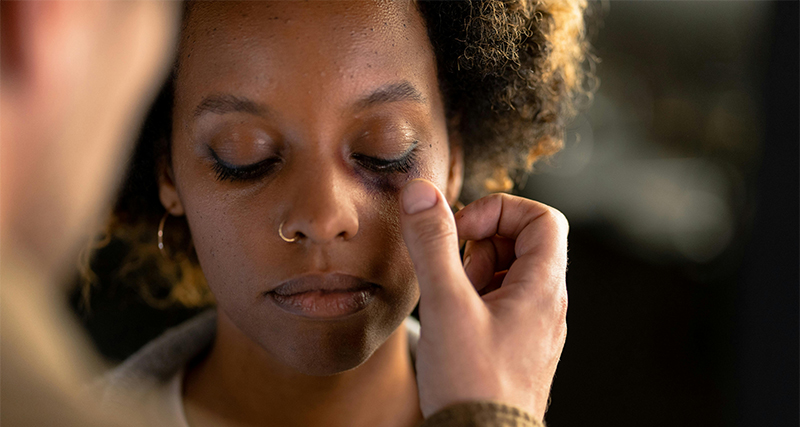
Woman applying a cold compress to her cheek to reduce swelling and pain from a black eye.

Treatment and Recovery of Black Eye

Treatment and Recovery of Black Eye The treatment and recovery of black eye is usually non-invasive and focuses on reducing swelling, relieving pain, and preventing complications. Most cases resolve within 7–14 days. Home treatment for mild black eyes: Switch to warm compresses after 48 hours Avoid: When medical treatment is needed: Recovery timeline: Tips for cosmetic concerns: Treatment and Recovery of Black Eye In South Africa, state clinics and emergency units treat black eyes regularly. Doctors often refer severe trauma cases to Tygerberg Hospital, Chris Hani Baragwanath, or other tertiary facilities, depending on the patient’s location. 👉 [Next: Emotional and Social Considerations]

Treatment and Recovery of Black Eye Read More »

Woman with a black eye being gently examined by another person, suggesting concern and emotional support.

Black Eye Emotional and Social Considerations

Black Eye Emotional and Social Considerations While a black eye is usually temporary, the emotional impact can be significant — especially when it is linked to violence, bullying, or embarrassment. Read more about black eye emotional and social considerations below. Psychological effects: Domestic violence and black eyes: What you can do: Support resources in South Africa: Workplace and school considerations: Black Eye Emotional and Social Considerations Even if the cause is not violence-related, a black eye can affect confidence, participation, and mood. Offering understanding, space, and time to heal — both physically and emotionally — is key. 👉 [End of Series | Back to Overview]

Black Eye Emotional and Social Considerations Read More »

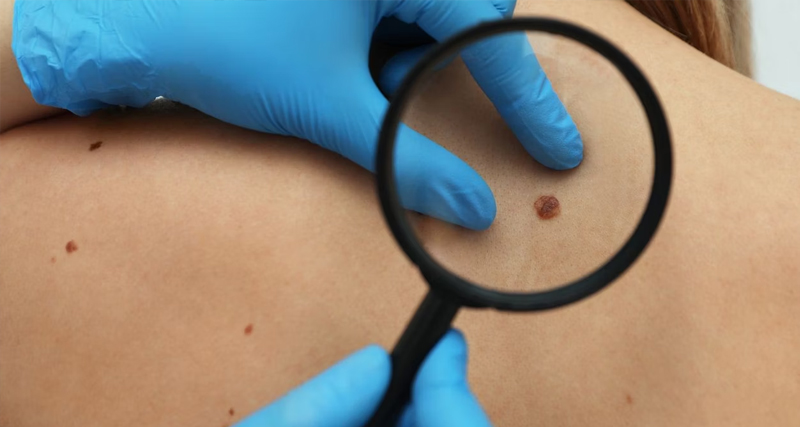
Dermatologist examining a mole-like birthmark on a patient’s back using gloves and a magnifying glass.

Birthmarks

Birthmarks Overview Birthmarks are coloured spots or marks that are present at birth or develop shortly after. They can appear anywhere on the skin and vary in size, shape, colour, and texture. Most are harmless, but some may require monitoring or medical attention due to their size, growth, or association with underlying conditions. There are two main types of birthmarks: Some birthmarks fade over time, while others remain for life. Although they are often seen as cosmetic, certain types can have emotional, social, or health implications, especially if located on visible areas like the face or neck. Common birthmarks include: In South Africa, these are common across all ethnic groups, but skin tone can influence how easily they are detected or monitored. Some communities may attach cultural meaning or superstition, which can affect how families respond to them. While most birthmarks are benign, some may signal underlying health issues or lead to cosmetic concerns. It’s important to have any new or growing mark evaluated by a healthcare provider. Modern treatments, including laser therapy, surgery, or observation, can help manage visible or problematic birthmarks. 👉 [Next: Types of Birthmarks and What They Mean]

Birthmarks Read More »

Pink and red vascular birthmarks on a person’s lower leg and foot, indicative of common types of congenital skin markings.

Types of Birthmarks and What They Mean

Types of Birthmarks and What They Mean Birthmarks fall into two major categories: vascular birthmarks and pigmented birthmarks. Each has distinct characteristics, risks, and implications. Understanding the differences can help guide treatment decisions and monitoring. Learn more about the Types of Birthmarks and What They Mean below. A. Vascular Birthmarks These are caused by abnormal blood vessels beneath the skin. They are usually red, pink, or purple in colour. B. Pigmented Birthmarks These result from overgrowth of pigment cells and appear as brown, black, or bluish spots. Types of Birthmarks and What They Mean In South Africa, where diverse skin tones are present, diagnosis and monitoring should be tailored accordingly. Healthcare professionals should be culturally sensitive when discussing cosmetic or health concerns associated with birthmarks. 👉 [Next: Diagnosis and When to Seek Medical Advice]

Types of Birthmarks and What They Mean Read More »

Dark pigmented birthmark on the back of a person's leg, highlighting a skin condition that may require medical evaluation.

Diagnosis on Birthmarks and When to Seek Medical Advice

Diagnosis on Birthmarks and When to Seek Medical Advice While most birthmarks are harmless and require no treatment, it’s important to understand when to seek medical evaluation, particularly if a mark changes in appearance or location. Read more about the diagnosis on birthmarks and when to seek medical advice below. How birthmarks are diagnosed: When to seek medical advice: Diagnosis on Birthmarks and When to Seek Medical Advice In South Africa, many people rely on public clinics or traditional beliefs to interpret skin markings. This can sometimes delay early intervention or screening. It’s important for parents and caregivers to understand that most birthmarks are medical, not mystical, and early evaluation can offer reassurance or appropriate treatment. 👉 [Next: Treatment Options for Birthmarks]

Diagnosis on Birthmarks and When to Seek Medical Advice Read More »

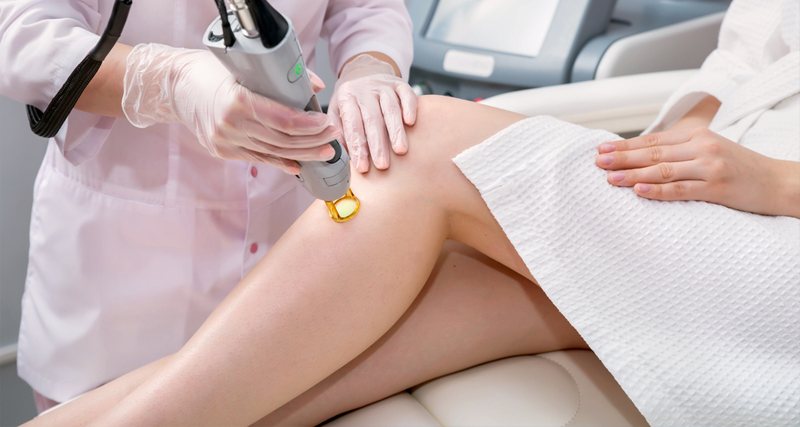
Laser treatment being applied to a patient’s leg to reduce the appearance of a birthmark using advanced dermatological technology.

Treatment Options for Birthmarks

Treatment Options for Birthmarks Treatment options for birthmarks depends on their type, location, size, and impact on health or appearance. Many birthmarks fade over time or remain stable, requiring no intervention beyond regular observation. However, others may benefit from medical or surgical treatment. 1. Observation 2. Laser therapy 3. Beta-blocker medication 4. Corticosteroid injections or oral steroids 5. Surgical removal 6. Cosmetic camouflage Availability in South Africa: Treatment Options for Birthmarks Ultimately, the decision to treat is personal, guided by medical advice and patient or parental preference. Emotional impact, especially in children, is just as important as physical health. 👉 [Next: Emotional and Social Impact of Birthmarks]

Treatment Options for Birthmarks Read More »

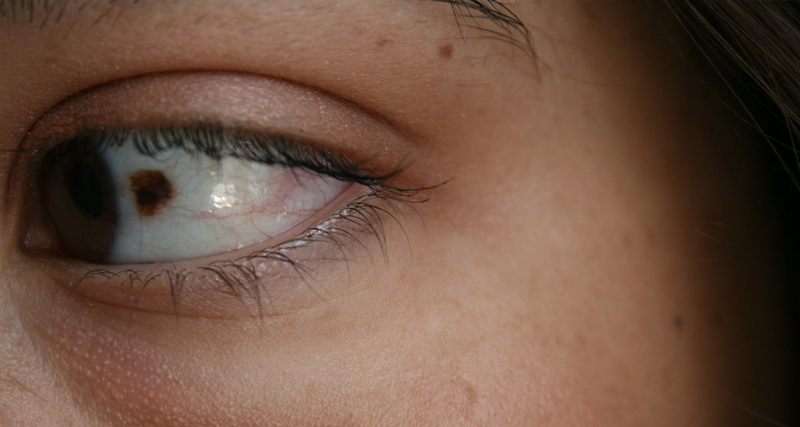
Close-up of an eye with a visible birthmark on the sclera, highlighting the personal and emotional aspects of facial birthmarks.

Emotional and Social Impact of Birthmarks

Emotional and Social Impact of Birthmarks While most birthmarks are medically harmless, their emotional and psychological impact can be significant, especially when located in visible areas or when large in size. Stigma, bullying, and self-consciousness can affect children and adults alike. Read more about the emotional and social impact of birthmarks below. In children: Teenagers: Adults: Support strategies: In South Africa, birthmarks may carry cultural myths or superstitions, ranging from being “blessed” to being “cursed.” These beliefs can be harmful if they prevent proper medical care or cause shame. Health professionals should address such views sensitively while promoting factual information. The emotional journey of living with a birthmark is deeply personal. For many, a blend of acceptance, support, and treatment can help them feel seen, valued, and empowered. 👉 [End of Series | Back to Overview]

Emotional and Social Impact of Birthmarks Read More »

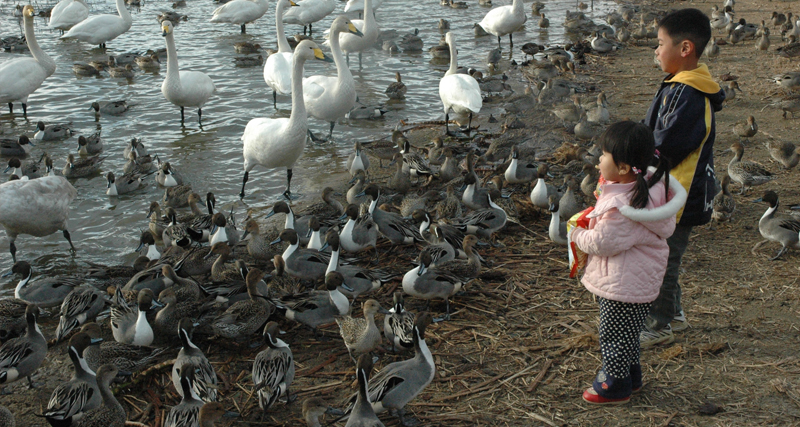
Two children watching ducks and swans by the water’s edge, highlighting bird flu transmission risks in natural settings.

Bird Flu

Bird Flu Overview Bird flu, also known as avian influenza, is a viral infection that primarily affects birds but can occasionally infect humans and other animals. Caused by influenza type A viruses, bird flu has several strains, with H5N1 and H7N9 being the most concerning for human health. While human cases of this flu are rare, they can be severe or fatal. Most infections occur after close contact with infected poultry, wild birds, or contaminated environments, such as live bird markets. There is no sustained human-to-human transmission, but experts fear that mutations in the virus could change that, leading to a global pandemic. Symptoms of bird flu in humans can vary from mild to severe and typically include: In many cases, this condition has a rapid onset and progression, requiring hospitalisation and urgent antiviral treatment. In South Africa, this condition primarily affects the poultry industry, leading to culling of birds, egg shortages, and economic losses. While human infections are extremely rare, outbreaks in birds can raise the risk of zoonotic spillover, particularly for farmers, abattoir workers, and those handling live poultry. The first human cases of bird flu were identified in Hong Kong in 1997, linked to the H5N1 strain. Since then, sporadic outbreaks have occurred across Asia, the Middle East, and parts of Africa and Europe. Key facts: While bird flu in humans is rare, its high fatality rate (up to 60% in some strains) makes it a serious public health concern. 👉 [Next: Causes and Transmission of Bird Flu]
Bird Flu Read More »

Flock of seabirds gathered on rocky shore, illustrating natural reservoirs and transmission pathways of bird flu.

Causes and Transmission of Bird Flu

Causes and Transmission of Bird Flu Bird flu is caused by influenza A viruses that naturally infect birds. These viruses are grouped based on two proteins found on their surface: hemagglutinin (H) and neuraminidase (N). Combinations such as H5N1, H7N9, and H5N6 are of greatest concern to humans. Learn more about the causes and transmission of bird flu below. Bird flu is mainly a zoonotic disease, meaning it spreads from animals to humans. It does not easily spread between people, but mutations could change that in the future. How it spreads: High-risk environments: In South Africa, outbreaks in birds have led to large-scale culling and surveillance by the Department of Agriculture. Migratory birds along the West Coast and inland wetlands are monitored during high-risk seasons. Causes and Transmission of Bird Flu Preventing zoonotic transmission involves strict biosecurity, personal protective equipment (PPE), safe farming practices, and immediate response to suspected outbreaks. Monitoring and reporting are crucial, especially in areas where humans and poultry live in close quarters. 👉 [Next: Diagnosis and Testing for Bird Flu]

Causes and Transmission of Bird Flu Read More »

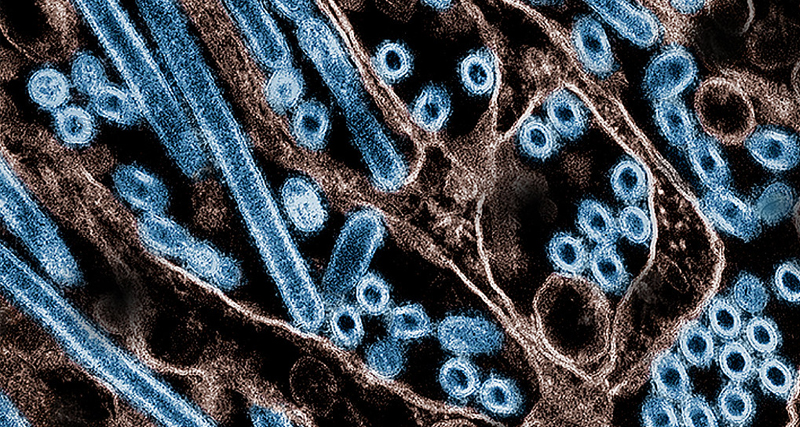
Microscopic image of the bird flu virus particles used to illustrate diagnostic testing and virological analysis.

Diagnosis and Testing for Bird Flu

Diagnosis and Testing for Bird Flu Because the symptoms of bird flu are similar to other respiratory illnesses, including COVID-19 and seasonal flu, accurate diagnosis and testing for bird flu relies on specific laboratory tests. Early detection is vital to start antiviral treatment and prevent complications. Who should be tested: Steps in diagnosis: Testing is usually done in specialised laboratories, such as the National Institute for Communicable Diseases (NICD) in South Africa or designated reference labs in other countries. Important considerations: Diagnosis and Testing for Bird Flu Prompt diagnosis allows for immediate isolation, treatment with antivirals, and public health measures to contain any potential spread. 👉 [Next: Treatment and Prevention of Bird Flu]

Diagnosis and Testing for Bird Flu Read More »

Scroll to Top