Mental Matters

Health Conditions

Find information on various health conditions affecting people of all ages. This category covers causes, symptoms, diagnosis, and management options for physical illnesses and chronic diseases. Get insights to help you understand different health challenges and make informed decisions about your wellbeing.

Illustration of a woman with text "Bartholin’s Cyst" representing awareness and education about cyst complications.

Complications and Recurrence of Bartholin’s Cyst

Complications and Recurrence of Bartholin’s Cyst While most Bartholin’s cysts are harmless, complications can arise if they are left untreated or if they recur frequently. Understanding these risks can help women take appropriate action early. Read more about the complications and recurrence of Bartholin’s cyst below. Common complications include: Why do some women get recurring cysts? Preventing recurrence: In South Africa, access to follow-up care may be limited, making recurrence more likely in women who are discharged without further monitoring. Education on home care and follow-up is crucial. Complications and Recurrence of Bartholin’s Cyst If cysts return frequently, more permanent solutions like marsupialisation or gland removal should be considered. These options offer long-term relief and restore comfort and confidence. 👉 [Next: Living with and Preventing Bartholin’s Cysts]

Complications and Recurrence of Bartholin’s Cyst Read More »

Illustration of a woman practicing personal hygiene, surrounded by toiletries and self-care products.

Living with and Preventing Bartholin’s Cysts

Living with and Preventing Bartholin’s Cysts Living with and preventing Bartholin’s cysts can be frustrating, especially if they recur. But with proper care, hygiene, and awareness, most women can prevent flare-ups and maintain comfort and sexual wellbeing. Daily prevention strategies: When to see a doctor | Living with and Preventing Bartholin’s Cysts: For South African women, especially in rural communities, accessing sexual health services without fear of judgment is essential. Community health workers, mobile clinics, and women’s health NGOs are important allies in promoting genital health education and normalising care-seeking behaviour. Emotional wellbeing matters too. Dealing with intimate health issues can cause embarrassment or anxiety. Support from your healthcare provider, partner, or a support group can make all the difference. Bartholin’s cysts are common and treatable. With awareness and care, most women make a full recovery and can continue living confidently, free of discomfort and worry. 👉 [End of Series | Back to Overview]

Living with and Preventing Bartholin’s Cysts Read More »

Woman in fitness clothing forming a heart shape with hands over lower abdomen, symbolising bladder health awareness.

Bladder Cancer

Bladder Cancer Overview Bladder cancer is a type of cancer that starts in the lining of the organ, which is responsible for storing urine. It most commonly begins in the urothelium, a layer of cells lining the inside of the bladder. This condition can range from non-invasive tumours, which remain in the lining, to invasive types that spread into the deeper bladder wall and beyond. This type of cancer is more common in older adults, particularly men over 55, but it can occur at any age. Worldwide, this is is among the top 10 most common cancers, with smoking being the leading risk factor. In South Africa, the incidence is lower than in Western countries but still significant, especially among urban populations and industrial workers. Key symptoms of bladder cancer: This cancer is often detected early because of these urinary symptoms, which makes early diagnosis and treatment possible in many cases. There are three main types: Risk factors include: While bladder cancer can be highly treatable when caught early, it often recurs, requiring lifelong follow-up. Invasive cases can spread to the kidneys, liver, lungs, or bones. 👉 [Next: Causes and Risk Factors of Bladder Cancer]

Bladder Cancer Read More »

Close-up of a burning cigarette, symbolising smoking as a major risk factor for bladder cancer.

Causes and Risk Factors of Bladder Cancer

Causes and Risk Factors of Bladder Cancer The exact causes and risk factors of bladder cancer are not always clear, but most cases are linked to genetic mutations in the cells lining the bladder. These mutations cause cells to grow and divide uncontrollably, forming tumours. Top risk factors: Reducing your risk: Causes and Risk Factors of Bladder Cancer Understanding these risk factors helps in early detection and prevention, especially for high-risk groups. 👉 [Next: Diagnosis and Staging of Bladder Cancer]

Causes and Risk Factors of Bladder Cancer Read More »

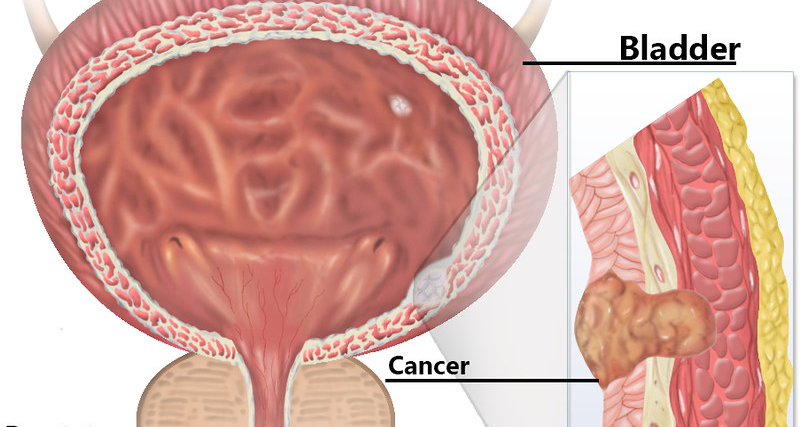
Medical illustration of bladder cancer showing tumour growth and bladder wall cross-section used in diagnosis and staging.

Diagnosis and Staging of Bladder Cancer

Diagnosis and Staging of Bladder Cancer Early detection is crucial in bladder cancer because timely treatment significantly improves outcomes. Diagnosis and staging of bladder cancer involves a combination of clinical assessment, urine tests, imaging, and biopsy procedures. 1. Medical history and physical exam 2. Urinalysis and urine cytology 3. Cystoscopy 4. Imaging tests 5. Biopsy and pathology Staging bladder cancer: Grading system: In South Africa, government hospitals and urology units offer cystoscopy and biopsy services, though wait times may vary. Private hospitals usually provide faster access. Diagnosis and Staging of Bladder Cancer Proper staging guides treatment decisions and prognosis. Doctors often treat early-stage bladder cancer with local therapies, while advanced cases typically require systemic treatment. 👉 [Next: Treatment Options for Bladder Cancer]

Diagnosis and Staging of Bladder Cancer Read More »

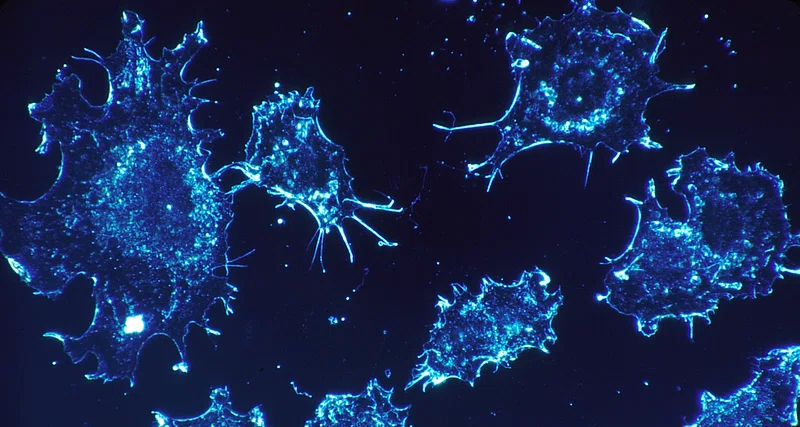
Microscopic view of cancer cells, representing treatment options for bladder cancer at the cellular level.

Treatment Options for Bladder Cancer

Treatment Options for Bladder Cancer Treatment options for bladder cancer depends on the type, stage, grade, and overall health of the patient. Options range from local therapies for early-stage cancer to surgery and chemotherapy for advanced disease. 1. Non-muscle-invasive bladder cancer (early-stage) 2. Muscle-invasive bladder cancer 3. Metastatic bladder cancer South African context: Treatment Options for Bladder Cancer Doctors achieve better treatment outcomes when they diagnose cancer early. Long-term surveillance is necessary, as bladder cancer tends to recur even after successful treatment. 👉 [Next: Living with Bladder Cancer – Recovery and Outlook]

Treatment Options for Bladder Cancer Read More »

Blue awareness ribbon symbolising support for people living with bladder cancer.

Living with Bladder Cancer

Living with Bladder Cancer – Recovery and Outlook Recovering from bladder cancer involves more than just physical healing — it’s also about managing long-term health, emotional wellbeing, and lifestyle changes. Read more about living with bladder cancer below. 1. Follow-up care 2. Managing side effects 3. Psychological support 4. Lifestyle changes 5. Long-term prognosis In South Africa, access to follow-up care varies by region. Patients should be empowered to ask questions, request referrals, and seek second opinions when needed. Living with Bladder Cancer You’re not alone. Many bladder cancer survivors lead fulfilling lives. With the right treatment plan, regular follow-up, and emotional support, life after diagnosis can still be meaningful and vibrant. 👉 [End of Series | Back to Overview]

Living with Bladder Cancer Read More »

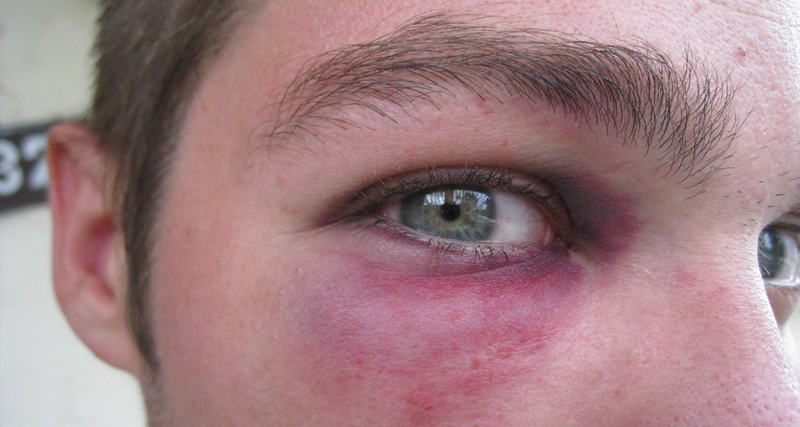
Close-up of a man's eye with visible bruising and discolouration, showing symptoms of a black eye.

Black Eye

Black Eye Overview A black eye, also known medically as periorbital haematoma, is a common injury where blood collects under the skin around the eye, causing bruising and discolouration. Despite its alarming appearance, most black eyes are not serious and resolve on their own within a week or two. Black eyes are usually caused by blunt trauma to the face or head. The soft tissues around the eye absorb the impact, leading to swelling and a purplish-black bruise that often spreads downward due to gravity. While most cases are mild, some may signal underlying fractures or internal injury, especially if accompanied by vision changes, severe swelling, or bleeding from the nose or ears. Common causes include: Symptoms of a black eye: It’s important to note that the eye itself is usually not injured in minor cases. However, trauma severe enough to cause a black eye can sometimes result in: In South Africa, black eyes are a common presentation in emergency departments and clinics, particularly following domestic violence, sports injuries, or assaults. In such cases, healthcare providers may screen for abuse or additional injuries. While black eyes often heal without treatment, it’s crucial to monitor for signs of a more serious injury and to seek medical attention if vision is affected or the swelling is extreme. 👉 [Next: Causes and When to Worry]

Black Eye Read More »

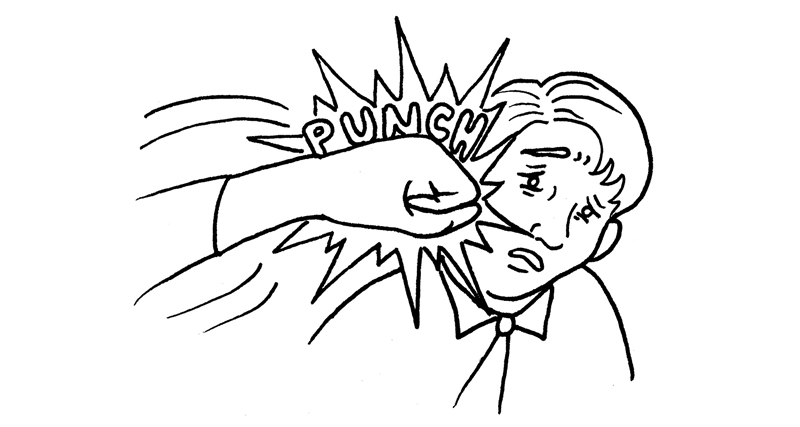
Cartoon drawing of a man getting punched in the face with the word “PUNCH” illustrating the cause of a black eye.

Causes for Black Eye and When to Worry

Causes for Black Eye and When to Worry A black eye usually results from direct impact to the area around the eye. The skin around the eyes is thin and delicate, and even a minor blow can rupture small blood vessels, causing blood to leak into surrounding tissues. Learn more about the causes for black eye and when to worry below Common causes of black eyes: When to worry:While most black eyes heal without intervention, certain signs may indicate a serious medical issue: Red flags in children: Causes for Black Eye and When to Worry If any of these warning signs are present, immediate medical attention is needed to assess for orbital fractures, brain injury, or internal eye damage. 👉 [Next: Diagnosis and Medical Evaluation]

Causes for Black Eye and When to Worry Read More »

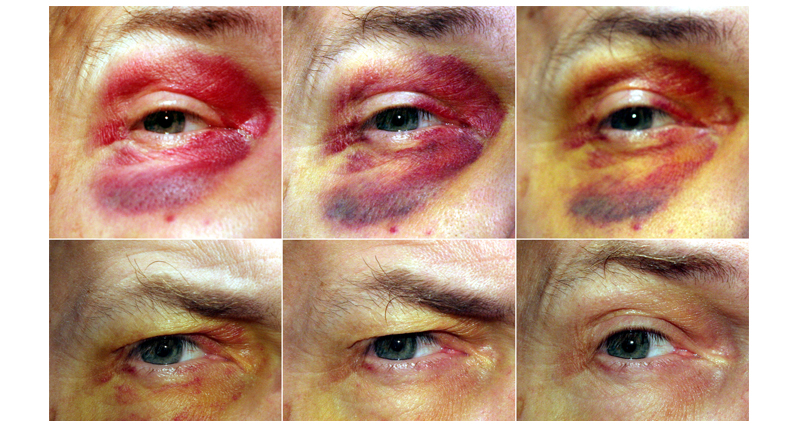
Progressive images of a healing black eye, showing colour changes from red to yellow over several days.

Black Eye Diagnosis and Medical Evaluation

Black Eye Diagnosis and Medical Evaluation Most black eye diagnosis and medical evaluation on physical examination and patient history. However, in cases involving severe trauma, additional tests may be needed to rule out deeper injuries. What to expect during a medical evaluation: In South Africa, basic examination and first-line imaging are available in most clinics and hospitals. However, advanced imaging like CT may only be available in referral hospitals or private facilities. If a serious eye injury or fracture is suspected, referral to a specialist — such as an ophthalmologist or maxillofacial surgeon — is essential. Black Eye Diagnosis and Medical Evaluation Early assessment is especially important in children or patients with underlying conditions (e.g., diabetes or bleeding disorders) that could complicate healing. 👉 [Next: Treatment and Recovery]

Black Eye Diagnosis and Medical Evaluation Read More »

Scroll to Top