Mental Matters

Health Conditions

Find information on various health conditions affecting people of all ages. This category covers causes, symptoms, diagnosis, and management options for physical illnesses and chronic diseases. Get insights to help you understand different health challenges and make informed decisions about your wellbeing.

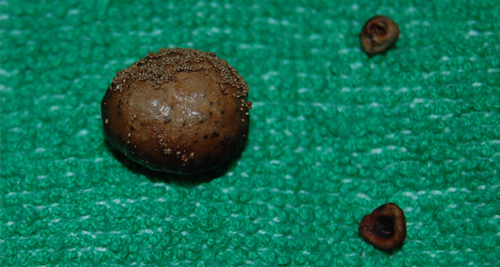
Bladder stones of varying sizes placed on a green medical cloth after removal.

Preventing Bladder Stones and Living Well

Preventing Bladder Stones and Living Well Preventing bladder stones and living well addressing the root cause, staying hydrated, and monitoring urinary health — especially in individuals with a history of stones or bladder issues. 1. Stay well hydrated 2. Manage underlying conditions 3. Adjust your diet 4. Avoid unnecessary catheters 5. Regular medical reviews Emotional wellbeing and support Living with a history of bladder stones: Preventing Bladder Stones and Living Well encouraged to advocate for themselves, ask for urology referrals when needed, and maintain open dialogue with healthcare providers. 👉 [End of Series | Back to Overview]

Preventing Bladder Stones and Living Well Read More »

Clipboard labelled 'Bladder Disorders' with pills, syringe, and medical tools symbolising treatment of bladder pain syndrome.

Bladder Pain Syndrome

Bladder Pain Syndrome (Interstitial Cystitis) – Overview Bladder Pain Syndrome (BPS), also known as Interstitial Cystitis (IC), is a chronic condition that causes persistent pain, pressure, or discomfort in the bladder and pelvic region, often accompanied by urinary urgency and frequency. Unlike a regular bladder infection, BPS/IC is not caused by bacteria and does not improve with antibiotics. BPS is considered a diagnosis of exclusion, meaning other causes like urinary tract infections, bladder stones, or cancers must first be ruled out. The symptoms can range from mild discomfort to debilitating pelvic pain that affects quality of life, emotional wellbeing, and daily activities. The condition can affect anyone, but it is more common in women, particularly between the ages of 30 and 50. In South Africa, awareness and diagnosis remain limited, especially in public healthcare settings, where it is often misdiagnosed as recurrent UTIs. Common symptoms of Bladder Pain Syndrome/IC: The symptoms often flare and subside unpredictably, making it frustrating for patients to manage and for doctors to treat. Some people go years without an accurate diagnosis. Subtypes: While there is no cure, many people find symptom relief through tailored treatments and lifestyle adjustments. BPS/IC is a real medical condition — not psychological, imaginary, or attention-seeking — and it deserves appropriate medical recognition and support. 👉 [Next: Causes and Risk Factors of Bladder Pain Syndrome]

Bladder Pain Syndrome Read More »

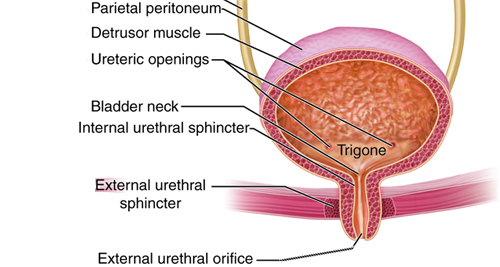
Medical illustration of the bladder and urethra highlighting parts often affected in bladder pain syndrome.

Causes and Risk Factors of Bladder Pain Syndrome

Causes and Risk Factors of Bladder Pain Syndrome The exact causes and risk factors of bladder pain syndrome (BPS) remains unclear. It is believed to be a complex, multifactorial condition, involving disruptions in the bladder lining, immune system responses, nerve hypersensitivity, and possibly even autoimmune factors. Unlike a standard urinary infection, BPS does not involve bacteria. Instead, it may stem from inflammation and damage to the bladder lining (urothelium), allowing irritating substances in the urine to affect the deeper tissues of the bladder wall. Theories behind BPS include: Risk factors: In South Africa, lack of access to specialist urologists and awareness among general practitioners means many people suffer for years without answers. Misdiagnosis is common — patients may be told they have recurrent UTIs or that the issue is “in their head.” Causes and Risk Factors of Bladder Pain Syndrome Understanding these possible causes helps both patients and healthcare providers move beyond symptom dismissal and toward multi-disciplinary, personalised care. 👉 [Next: Diagnosis and Tests for Bladder Pain Syndrome]

Causes and Risk Factors of Bladder Pain Syndrome Read More »

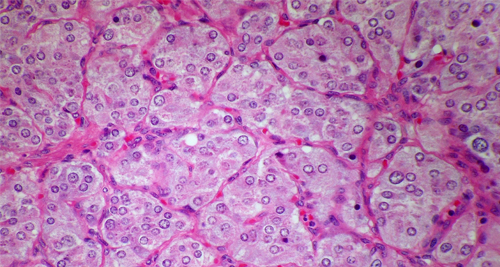
Microscopic view of bladder tissue cells, often used in diagnostic tests for bladder pain syndrome.

Diagnosis and Tests for Bladder Pain Syndrome

Diagnosis and Tests for Bladder Pain Syndrome Diagnosis and Tests for Bladder Pain Syndrome (Interstitial Cystitis) can be challenging because no single test confirms the condition. Doctors typically diagnose it by ruling out other possible causes of chronic bladder and pelvic pain. A detailed medical evaluation, symptom history, and ruling out infections or anatomical issues are essential to reaching a diagnosis. 1. Medical history and symptom assessment 2. Urine tests 3. Bladder diary 4. Pelvic examination 5. Cystoscopy 6. Potassium sensitivity test (not commonly used in SA) Other conditions that must be ruled out: In South Africa, cystoscopy is available at specialist urology centres and major hospitals, but wait times in the public sector may delay diagnosis. In the absence of cystoscopy, diagnosis is often based on clinical presentation and exclusion of infection. Diagnosis and Tests for Bladder Pain Syndrome Once diagnosed, patients can begin a targeted treatment journey based on symptom severity and lifestyle factors. 👉 [Next: Treatment Options for Bladder Pain Syndrome]

Diagnosis and Tests for Bladder Pain Syndrome Read More »

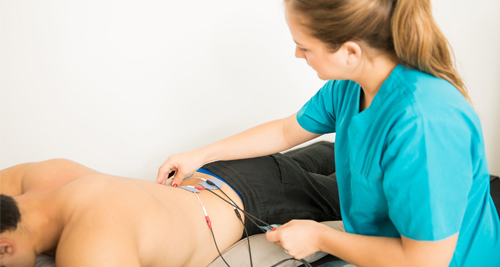
A physiotherapist applies electrodes to a man's lower back as part of bladder pain syndrome treatment.

Treatment Options for Bladder Pain Syndrome

Treatment Options for Bladder Pain Syndrome There is no one-size-fits-all treatment for Bladder Pain Syndrome (BPS/IC). Management focuses on reducing symptoms, improving quality of life, and addressing triggers. A combination of medical, behavioural, and supportive therapies is often required. Learn more about the treatment options for bladder pain syndrome below. 1. Lifestyle and diet changes 2. Bladder training 3. Pelvic floor physiotherapy 4. Oral medications 5. Intravesical therapy 6. Nerve modulation therapy 7. Surgery (last resort) Mental health support Treatment Options for Bladder Pain Syndrome In South Africa, many of these treatments are more accessible in private healthcare, but public hospitals are increasingly offering multidisciplinary management, including physiotherapy and pain clinics. 👉 [Next: Living with Bladder Pain Syndrome]

Treatment Options for Bladder Pain Syndrome Read More »

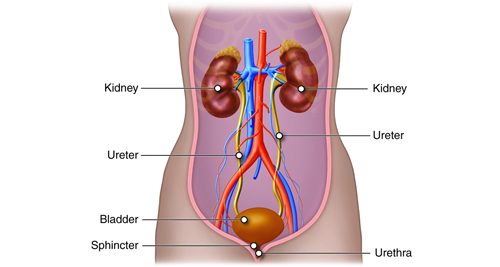
Medical diagram of the urinary system, labelling kidneys, ureters, bladder, sphincter, and urethra.

Living with Bladder Pain Syndrome

Living with Bladder Pain Syndrome Living with Bladder Pain Syndrome can be challenging, but with the right tools and support, many people learn to manage their symptoms and regain control over their lives. 1. Emotional impact 2. Relationships and intimacy 3. Work and productivity 4. Coping strategies 5. Long-term outlook South African support options: Living with Bladder Pain Syndrome You are not alone. With proper care and a personalised plan, many people with BPS live full, active lives. Advocate for yourself, seek the right providers, and take your recovery step by step. 👉 [End of Series | Back to Overview]

Living with Bladder Pain Syndrome Read More »

Medical diagram showing the vulva with labelled Bartholin’s glands near the vaginal opening.

Bartholin’s Cyst

Bartholin’s Cyst Overview A Bartholin’s cyst occurs when the Bartholin’s glands, located on either side of the vaginal opening, become blocked and fill with fluid. These glands are about the size of a pea and are responsible for secreting mucus that lubricates the vagina. When their ducts become obstructed, a painless or painful lump may form — this is what’s known as a Bartholin’s cyst. Bartholin’s cysts are common in women of reproductive age, especially between 20 and 40 years old. In many cases, the cyst is small, painless, and goes away on its own. However, if bacteria infect the fluid inside the cyst, it can become a Bartholin’s abscess, which is swollen, red, and extremely painful. Abscesses often require urgent medical treatment. Typical symptoms include: Some women have no symptoms at all, discovering the cyst during a routine check or when cleaning. Others may feel increasing discomfort as the cyst grows. In South Africa, access to women’s health services can vary significantly. In rural or underserved communities, many women may not seek medical help out of fear, stigma, or lack of transport. Education around recognising symptoms and seeking care early is vital. It’s important to note that Bartholin’s cysts are not sexually transmitted infections, although they can become infected by bacteria normally found in the vaginal or intestinal flora, or by STI-related bacteria. Bartholin’s cysts are usually benign (non-cancerous), but any new lump near the vagina should always be examined, particularly in women over 40, where rare cases of Bartholin gland cancer may present similarly. 👉 [Next: Causes and Risk Factors of Bartholin’s Cyst]
Bartholin’s Cyst Read More »

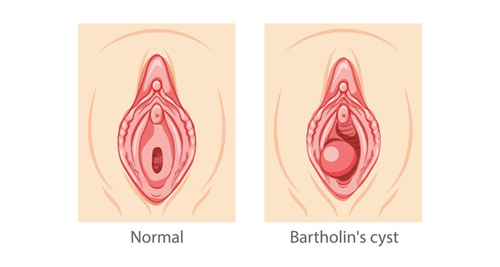
Medical illustration comparing normal anatomy to Bartholin’s cyst with visible gland swelling.

Causes and Risk Factors of Bartholin’s Cyst

Causes and Risk Factors of Bartholin’s Cyst A Bartholin’s cyst forms when the duct of the Bartholin’s gland becomes blocked, preventing the mucus it produces from draining. The fluid backs up into the gland, causing it to swell and form a cyst. If this fluid becomes infected, it may develop into an abscess, causing increased pain and swelling. Read more about the causes and risk factors of Bartholin’s cyst below. Causes of duct blockage include: Infections that may lead to abscess formation include: It’s important to remember that while STIs can be involved, Bartholin’s cysts themselves are not considered STIs. However, sexually active women are more prone to developing them due to increased exposure to bacteria and minor trauma to the area. Risk factors for Bartholin’s cysts include: In South Africa, where cultural taboos may discourage open discussion of vaginal health, many women suffer in silence or delay seeking treatment. This can lead to more severe symptoms or complications that could have been prevented with early care. Preventing the formation of a Bartholin’s cyst isn’t always possible, but practising good hygiene, wearing breathable underwear, and seeking prompt treatment for infections can reduce the risk. 👉 [Next: Diagnosis of Bartholin’s Cyst]

Causes and Risk Factors of Bartholin’s Cyst Read More »

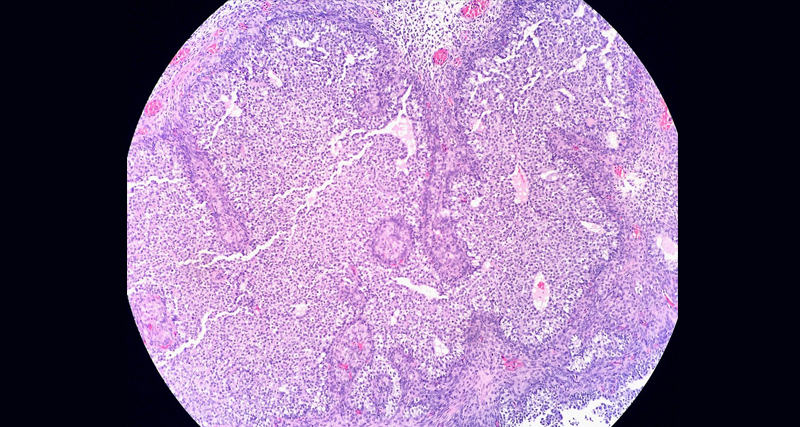
Microscopic histology slide showing glandular tissue used for diagnosing Bartholin’s cyst.

Diagnosis of Bartholin’s Cyst

Diagnosis of Bartholin’s Cyst Diagnosis of Bartholin’s cyst is generally straightforward. Most women seek help when they notice a lump, discomfort during movement or sex, or intense pain in the case of an abscess. Healthcare professionals will conduct a physical examination and may request further tests if necessary. Diagnosis involves: In South Africa, diagnosis can be performed at local clinics, public hospitals, or private GPs. In areas with limited resources, syndromic treatment may be used, where doctors treat based on symptoms rather than lab confirmation. Diagnosis of Bartholin’s Cyst Most cases are benign and self-limiting, but proper diagnosis ensures effective treatment and excludes more serious conditions. Women are encouraged to seek medical advice early — especially if the cyst becomes painful, grows rapidly, or interferes with daily life. 👉 [Next: Treatment of Bartholin’s Cyst and Abscess]

Diagnosis of Bartholin’s Cyst Read More »

Female doctor consulting a young woman about Bartholin’s cyst or abscess treatment options.

Treatment of Bartholin’s Cyst and Abscess

Treatment of Bartholin’s Cyst and Abscess The treatment of Bartholin’s cyst and abscess depends on the size, pain level, and presence of infection. Many small cysts require no intervention and resolve on their own. However, if the cyst is large, painful, or infected, medical treatment is necessary. Home care for mild cases: Medical treatment options: In South Africa, many government clinics and hospitals perform these procedures as part of women’s reproductive health services. However, access may be delayed in rural areas, and some women may be referred to district or regional hospitals. Treatment of Bartholin’s Cyst and Abscess Prompt treatment not only brings relief but also prevents complications, such as the spread of infection or repeated abscesses. Early intervention makes recovery faster and less invasive. 👉 [Next: Complications and Recurrence of Bartholin’s Cyst]

Treatment of Bartholin’s Cyst and Abscess Read More »

Scroll to Top