Mental Matters

Health Conditions

Find information on various health conditions affecting people of all ages. This category covers causes, symptoms, diagnosis, and management options for physical illnesses and chronic diseases. Get insights to help you understand different health challenges and make informed decisions about your wellbeing.

Causes and Spread of Bedbugs

Causes and Spread of Bedbugs

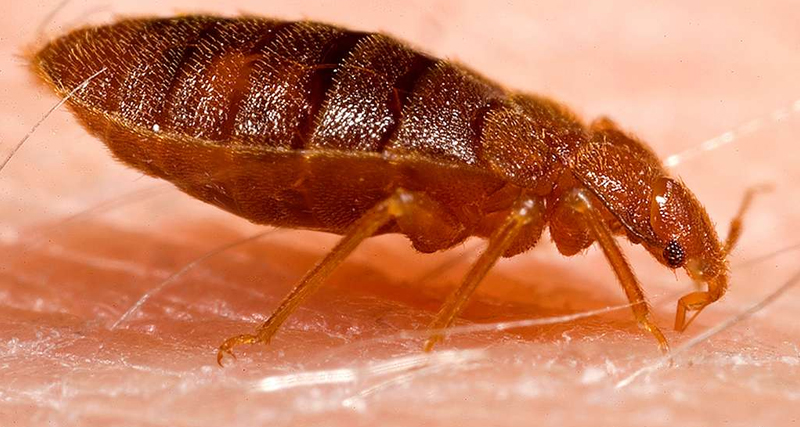
Causes and Spread of Bedbugs Bedbugs are expert hitchhikers. They spread by clinging to clothing, luggage, bedding, furniture, or other personal items, allowing them to travel unnoticed between locations. Once inside a home or building, they quickly find hiding places near sleeping areas and begin to reproduce. Learn more about the causes and spread of bedbugs below. Key ways bedbugs spread include: What doesn’t cause bedbugs? Risk factors: In rural parts of South Africa, infestations may go unnoticed for longer due to fewer inspections or less awareness. In lower-income communities, lack of access to professional pest control can lead to ongoing problems. Causes and Spread of Bedbugs Education, awareness, and early detection are key to reducing spread and keeping communities bedbug-free. 👉 [Next: Symptoms and Reactions to Bedbug Bites]

Causes and Spread of Bedbugs Read More »

Symptoms and Reactions to Bedbug Bites

Symptoms and Reactions to Bedbug Bites

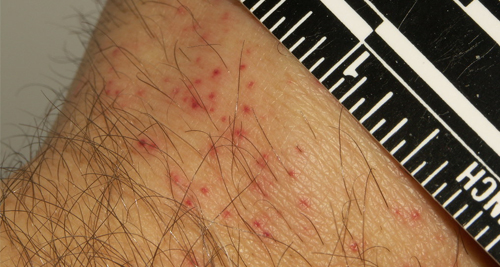
Symptoms and Reactions to Bedbug Bites The most noticeable sign of a bedbug infestation is the presence of itchy, red bites, typically appearing after a person has been asleep. However, not everyone reacts the same — some individuals may show no symptoms at all, while others may experience severe allergic reactions. Learn more about the symptoms and reactions to bedbug bites below. Common bite symptoms include: Bites are most often found on areas exposed during sleep, such as the: Bedbug saliva contains an anaesthetic and anticoagulant that prevents pain and allows continuous feeding, which is why bites are usually only noticed later. Complications may include: In South Africa, many people delay seeking help due to stigma, mistakenly believing that bedbugs only affect “dirty” homes. This can lead to delayed diagnosis and worsening infestations. Unlike mosquito bites, bedbug bites do not spread diseases, but the psychological toll — particularly in children or vulnerable individuals — can be significant. Repeated bites over several nights may cause insomnia or even symptoms of anxiety or depression. Symptoms and Reactions to Bedbug Bites Important note: Bedbug bites can resemble other insect bites or skin conditions. If unsure, consult a healthcare provider to rule out other causes like scabies, fleas, or allergic dermatitis. 👉 [Next: Diagnosis and Detection of Bedbugs in the Home]

Symptoms and Reactions to Bedbug Bites Read More »

Diagnosis and Detection of Bedbugs in the Home

Diagnosis and Detection of Bedbugs in the Home

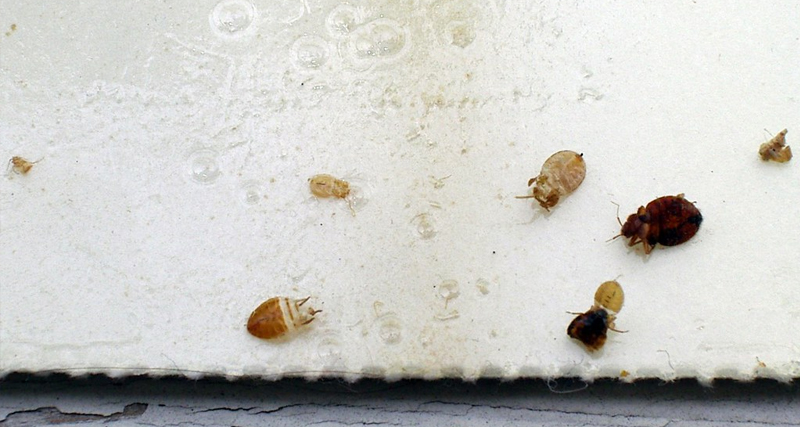
Diagnosis and Detection of Bedbugs in the Home Identifying a bedbug infestation early is vital to preventing it from spreading. While the bites are often the first clue, a thorough inspection of sleeping areas and furniture is the best way to confirm their presence. Read more about the diagnosis and detection of bedbugs in the home below. Where to look for bedbugs: Signs of infestation: DIY inspection tips: In South Africa, professional pest control companies offer bedbug detection services, including canine inspections and visual searches. In informal housing areas, self-inspection may be the only option, but early recognition is still possible. If unsure, collect a bug in a clear container and take it to a pest control expert or environmental health officer for confirmation. Diagnosis and Detection of Bedbugs in the Home Early detection is critical. A small, localised infestation is much easier and cheaper to eliminate than a widespread one. 👉 [Next: Treatment and Elimination of Bedbugs]

Diagnosis and Detection of Bedbugs in the Home Read More »

Treatment and Elimination of Bedbugs

Treatment and Elimination of Bedbugs

Treatment and Elimination of Bedbugs Eliminating bedbugs is challenging due to their resilience, hiding abilities, and resistance to many common pesticides. Effective treatment and elimination of bedbugs often requires a combination of professional pest control, environmental management, and vigilance. Professional pest control options: Home-based interventions: Avoid using flammable substances like paraffin, methylated spirits, or petrol — a dangerous practice reported in some informal settlements. Treatment and Elimination of Bedbugs In South Africa, access to professional extermination services can be expensive. Some municipalities offer environmental health support, but services vary by region. NGOs and community clinics may assist in referral or advice. Bedbugs do not go away without intervention. Even after treatment, continued monitoring for signs of re-infestation is necessary for several weeks. 👉 [Next: Prevention and Living Bedbug-Free]

Treatment and Elimination of Bedbugs Read More »

Prevention and Living Bedbug-Free

Prevention and Living Bedbug-Free

Prevention and Living Bedbug-Free After treating a bedbug infestation, prevention and living bedbug-free becomes crucial. Because bedbugs are mobile and resilient, even clean, well-maintained homes can become reinfested if precautionary steps are not taken. Prevention tips: In South Africa, support may be available through local environmental health units, municipal pest control services, or community outreach organisations. Education on safe and effective pest control methods is vital, especially in underserved or overcrowded communities. Prevention and Living Bedbug-Free Mental wellbeing matters too. Bedbug infestations can be emotionally exhausting. Many people experience sleep issues, anxiety, or embarrassment. Support groups, online forums, and healthcare providers can offer reassurance and coping strategies. With persistence, planning, and awareness, it’s possible to regain control and enjoy a bug-free home. 👉 [End of Series | Back to Overview]

Prevention and Living Bedbug-Free Read More »

Balanitis

Balanitis

Balanitis Overview Balanitis refers to inflammation of the glans (head) of the penis. When the foreskin is also involved, the condition is referred to as balanoposthitis. It is a common condition, especially in uncircumcised males, and can affect men and boys of all ages. While often mild and treatable, it can be painful, distressing, and occasionally recurrent. The inflammation is usually caused by irritation, infection, or poor hygiene. Balanitis can result from a buildup of smegma (a natural secretion made up of dead skin cells, oils, and moisture), allergic reactions to soaps or condoms, or infections such as yeast, bacteria, or STIs. Common symptoms of balanitis include: Balanitis is not always serious, but if left untreated, it can lead to scarring, urinary difficulties, and repeated infections. In children, especially boys under five, it may be mistaken for other types of skin irritation or urinary tract infections. In South Africa, where access to healthcare may vary, some men delay seeking treatment due to embarrassment or stigma, especially when symptoms resemble sexually transmitted infections. Open, judgment-free medical care is essential for addressing the condition early and preventing complications. Understanding the cause of balanitis is critical. For some, it may simply be a reaction to a new soap, while for others, it could signal an underlying medical condition like diabetes, which increases susceptibility to infections. Most cases respond well to topical treatments, improved hygiene practices, and avoiding known irritants. However, recurrent or severe cases may require more extensive medical evaluation. 👉 [Next: Causes and Risk Factors of Balanitis]

Balanitis Read More »

Causes and Risk Factors of Balanitis

Causes and Risk Factors of Balanitis

Causes and Risk Factors of Balanitis Balanitis can result from a variety of causes, ranging from minor irritants to more serious underlying conditions. In many cases, it’s a combination of factors that lead to inflammation. Recognising these causes is essential for both effective treatment and prevention. Read more about the Causes and Risk Factors of Balanitis below. Common causes of balanitis include: Risk factors include: In communities where circumcision is not routinely practiced, such as some urban areas in South Africa, educational outreach about proper genital hygiene is important. Cultural perceptions and fear of judgment may prevent some men from seeking timely care. Prevention starts with awareness. Knowing what increases the risk can empower men to take simple, daily steps to protect their health. 👉 [Next: Diagnosis of Balanitis]

Causes and Risk Factors of Balanitis Read More »

Diagnosis of Balanitis

Diagnosis of Balanitis

Diagnosis of Balanitis Diagnosis of balanitis usually begins with a clinical examination and discussion of recent symptoms and hygiene habits. Most doctors or nurses can identify balanitis based on appearance alone, but additional tests may be needed to confirm the cause and guide treatment. What to expect during diagnosis: In South Africa, public clinics and hospitals can diagnose balanitis during general or STI-focused check-ups. Private GPs and urologists may offer more rapid testing, particularly in urban centres. It’s important not to self-diagnose, especially since other conditions like genital herpes, lichen sclerosus, or penile cancer can present similarly. Getting a correct diagnosis ensures you receive the most effective and safe treatment. 👉 [Next: Treatment Options for Balanitis]

Diagnosis of Balanitis Read More »

Treatment Options for Balanitis

Treatment Options for Balanitis

Treatment Options for Balanitis Treatment options for balanitis depend on the underlying cause. In most cases, the condition responds well to a combination of good hygiene, topical medications, and avoidance of irritants. Treatment options include: Home care tips during treatment: Treatment in South Africa is available at most clinics and hospitals. Many antifungal and antibiotic creams are provided free of charge at government facilities. Private pharmacies also stock over-the-counter options, but proper diagnosis should always come first. With early intervention, most cases clear up within 7 to 10 days. However, untreated or mismanaged balanitis can return or lead to complications. 👉 [Next: Complications and Prevention of Balanitis]

Treatment Options for Balanitis Read More »

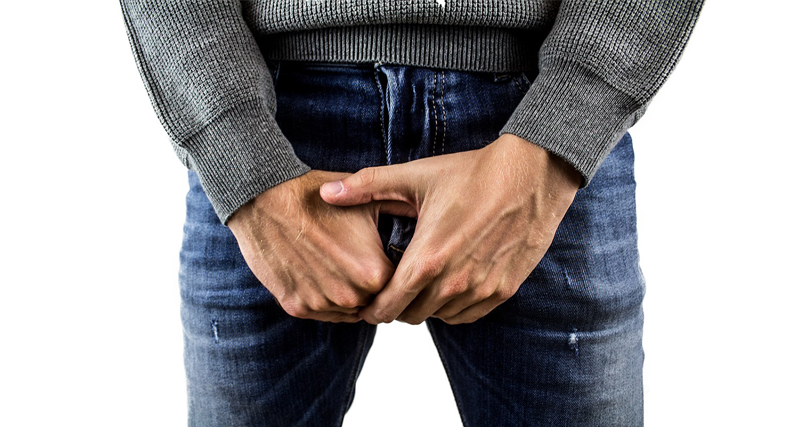
Man clutching groin area, indicating pain or discomfort commonly associated with balanitis or other penile inflammation.

Complications and Prevention of Balanitis

Complications and Prevention of Balanitis While most cases of balanitis are mild and resolve quickly, ignoring the condition or repeating harmful hygiene practices can lead to complications — especially in recurrent or untreated cases. Read more about the complications and prevention of balanitis below. Possible complications include: Prevention tips: In South Africa, awareness about male genital health is growing, but there’s still a stigma that prevents some men from seeking help. Health education campaigns and community outreach can help change attitudes and encourage early care. Balanitis is common and highly treatable. Taking small steps to maintain hygiene and manage risk factors can make a big difference in prevention and overall confidence. 👉 [End of Series | Back to Overview]

Complications and Prevention of Balanitis Read More »

Scroll to Top