Mental Matters

Health Conditions

Find information on various health conditions affecting people of all ages. This category covers causes, symptoms, diagnosis, and management options for physical illnesses and chronic diseases. Get insights to help you understand different health challenges and make informed decisions about your wellbeing.

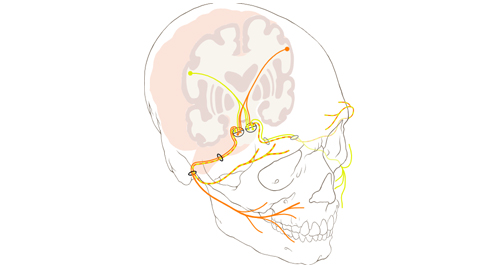
Medical illustration of cranial nerve pathways involved in Bell’s palsy, showing the facial nerve and its branches across the skull.

Diagnosis of Bell’s Palsy

Diagnosis of Bell’s Palsy Diagnosis of Bell’s palsy is primarily a clinical process, meaning doctors often make the diagnosis based on a person’s symptoms and a physical examination. However, it’s essential to rule out other serious conditions, particularly stroke, which can also cause sudden facial drooping. Steps in diagnosis typically include: In South Africa, most cases are diagnosed in primary care clinics or emergency units. Public hospitals may provide imaging where needed, especially if red flags like gradual onset or multiple cranial nerve involvement are present. Diagnosis of Bell’s Palsy Prompt diagnosis allows early initiation of treatment, which significantly improves recovery rates. Differentiating Bell’s palsy from other conditions, especially stroke, is essential for proper management. 👉 [Next: Treatment of Bell’s Palsy]
Diagnosis of Bell’s Palsy Read More »

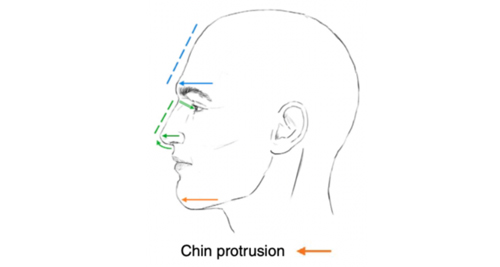
Side profile diagram showing chin and facial muscle alignment used in evaluating Bell’s palsy and facial asymmetry during treatment planning.

Treatment of Bell’s Palsy

Treatment of Bell’s Palsy The treatment of Bell’s palsy for Bell’s palsy focuses on reducing inflammation, supporting nerve healing, and protecting the eye on the affected side. Most patients recover fully within a few weeks to months, especially if treatment begins early. Key treatments include: In South Africa, public hospitals typically provide prednisone and eye care essentials. Referral to a physiotherapist or neurologist may be available through tertiary centres. In private practice, earlier access to MRI and EMG may guide advanced treatment planning. Treatment of Bell’s Palsy Most patients improve within 2–3 weeks, with full recovery in 70–85% of cases. Those with incomplete recovery may experience mild muscle weakness, facial tightness, or residual asymmetry. Early intervention is crucial. Even in remote or rural settings, starting steroids and protecting the eye can make a significant difference. 👉 [Next: Recovery and Complications of Bell’s Palsy]

Treatment of Bell’s Palsy Read More »

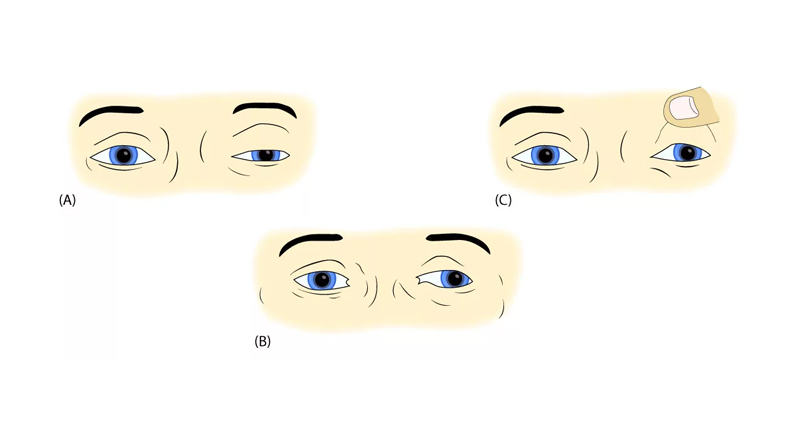
Illustration showing eye and facial muscle symptoms during different stages of Bell’s palsy recovery, including eyelid weakness and patch use.

Recovery and Complications of Bell’s Palsy

Recovery and Complications of Bell’s Palsy The recovery and complications of bell’s palsy timeline for Bell’s palsy varies, but the majority of people experience partial or full recovery within three to six months. Early treatment improves outcomes, but even without treatment, many patients heal spontaneously. What to expect in recovery: Factors that influence recovery: Possible complications: When to seek further help: In South Africa, rehabilitation services such as speech and physiotherapy may be accessed through public hospitals, though waiting times can vary. Online tutorials and support groups can also help patients manage recovery at home. Recovery and Complications of Bell’s Palsy Full recovery is likely, but it requires patience, support, and early care. Long-term complications are uncommon when treatment is prompt and eye protection is consistent. [End of Series | Back to Overview]

Recovery and Complications of Bell’s Palsy Read More »

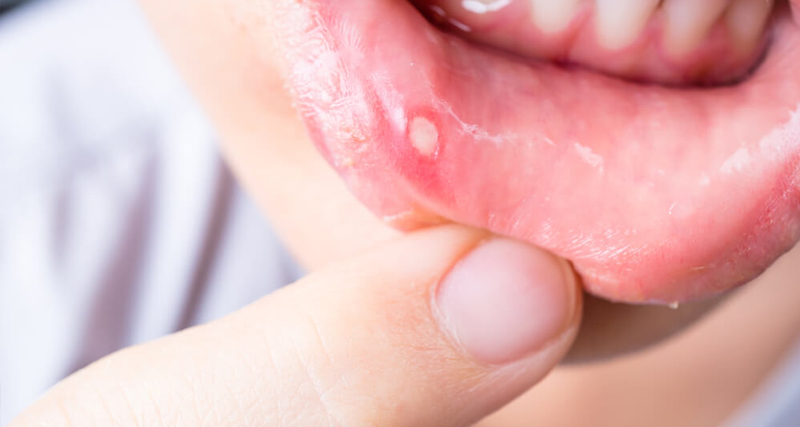
Mouth ulcer on lower lip, a common early symptom of Behçet’s disease linked to recurring inflammation in mucous membranes.

Behçet’s Disease

Behçet’s Disease Overview Behçet’s disease, also called Behçet’s syndrome, is a rare, chronic condition that causes inflammation of blood vessels (vasculitis) throughout the body. This inflammation can affect multiple systems, including the mouth, eyes, skin, joints, genitals, and digestive system. The condition is autoimmune in nature, meaning the immune system mistakenly attacks the body’s own tissues. Named after Turkish dermatologist Dr. Hulusi Behçet, who first described the disease in the 1930s, it is most common in countries along the ancient Silk Road, including Turkey, Iran, Japan, and China. However, it also occurs globally — including in South Africa, where it may be underdiagnosed due to its rarity and overlap with other illnesses. The exact cause of Behçet’s disease is unknown, but it is believed to involve a combination of genetic predisposition and environmental triggers, such as infections. The hallmark symptom is recurrent mouth ulcers, but the disease can also cause genital sores, eye inflammation, skin lesions, and problems in the nervous system or major organs. Common symptoms include: Behçet’s disease is a relapsing-remitting condition — meaning symptoms flare up and then improve or disappear for periods of time. For some, the disease is mild and manageable; for others, it may be severe and disabling. Although Behçet’s disease can be distressing and unpredictable, early diagnosis and ongoing treatment help reduce flare-ups, preserve vision, and manage pain. In South Africa, limited awareness and access to rheumatology services in certain areas may delay diagnosis. Education and specialist referral are crucial, particularly when symptoms involve multiple organs. 👉 [Next: Causes and Risk Factors of Behçet’s Disease]

Behçet’s Disease Read More »

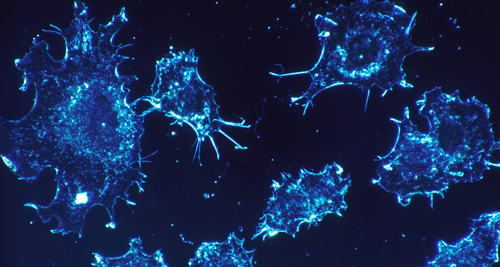
Microscopic image of immune cells, symbolising autoimmune activity linked to Behçet’s disease causes and risk factors.

Causes and Risk Factors of Behçet’s Disease

Causes and Risk Factors of Behçet’s Disease The causes and risk factors of Behçet’s disease are not fully understood, but researchers believe it results from a combination of genetic, immune, and environmental factors. What sets Behçet’s apart from many other autoimmune diseases is its wide range of symptoms and vascular inflammation. Key contributing factors: Risk factors include: In South Africa, Behçet’s disease is rare, which can make diagnosis difficult. Many patients may be misdiagnosed with conditions such as lupus, herpes, or Crohn’s disease, particularly if symptoms occur in isolation. Healthcare providers should suspect Behçet’s if a person experiences recurrent mouth and genital ulcers, unexplained eye inflammation, or vascular symptoms across multiple body systems. Causes and Risk Factors of Behçet’s Disease While it is not contagious and does not spread between people, Behçet’s is lifelong and requires ongoing medical care. Identifying risk factors and symptoms early allows for timely intervention and improved outcomes. 👉 [Next: Diagnosis of Behçet’s Disease]

Causes and Risk Factors of Behçet’s Disease Read More »

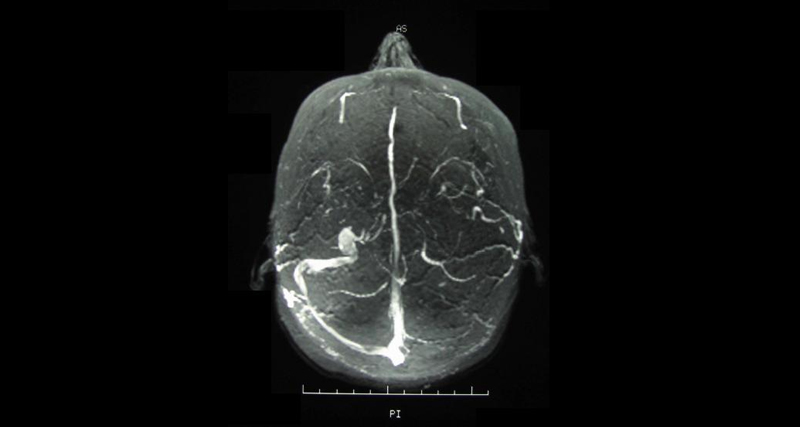
MRI brain scan showing neurological involvement associated with Behçet’s disease.

Diagnosis of Behçet’s Disease

Diagnosis of Behçet’s Disease Diagnosis of Behçet’s disease can be challenging because there is no single test that confirms it. Instead, doctors rely on a combination of clinical criteria, patient history, and exclusion of other conditions. The process often involves multiple specialists, including dermatologists, rheumatologists, and ophthalmologists. Diagnostic criteria often include: Tests used to support diagnosis include: The pathergy test (common in countries where Behçet’s is prevalent) is less reliable in South Africa and other regions where the disease is rarer. Because the symptoms can appear years apart and mimic other illnesses, Behçet’s is often misdiagnosed. In South Africa, people may initially be treated for STIs, oral herpes, or inflammatory bowel disease before the full pattern is recognised. Diagnosis of Behçet’s Disease The earlier the diagnosis, the better. Regular monitoring and multidisciplinary care are essential to track the disease’s progression and avoid complications such as blindness or blood vessel rupture. 👉 [Next: Treatment and Management of Behçet’s Disease]

Diagnosis of Behçet’s Disease Read More »

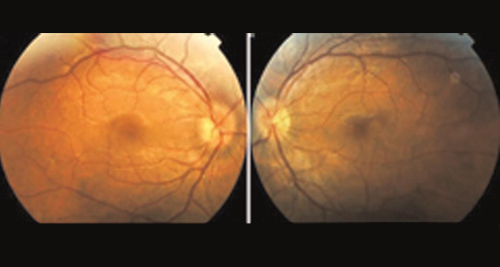
Retinal scan comparison showing inflammation from Behçet’s disease versus a healthy retina.

Treatment and Management of Behçet’s Disease

Treatment and Management of Behçet’s Disease There is currently no cure for Behçet’s disease, but a combination of medications, symptom management, and regular monitoring can help control flare-ups, reduce inflammation, and improve quality of life. Learn more about the treatment and management of Behçet’s disease below. Treatment depends on which body systems are affected and the severity of symptoms. Common treatment options include: In South Africa, access to specialised care may be limited in rural areas, so referrals to tertiary hospitals or academic centres are often necessary. Public sector access to biologic therapies may be restricted, though NGOs and support programmes may offer assistance. Treatment and Management of Behçet’s Disease Managing Behçet’s is a lifelong commitment, but with proper support and treatment, many patients lead full and active lives. The key is to tailor therapy to each individual’s symptoms and adjust as the disease changes over time. 👉 [Next: Complications and Long-Term Outlook]

Treatment and Management of Behçet’s Disease Read More »

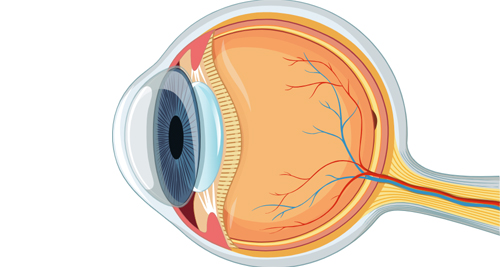
Detailed cross-section of the human eye showing internal structures, highlighting vision complications related to Behçet’s disease.

Complications and Long-Term Outlook of Behçet’s Disease

Complications and Long-Term Outlook of Behçet’s Disease Behçet’s disease varies greatly between individuals — some experience mild, manageable symptoms, while others face serious complications affecting the eyes, brain, or major blood vessels. The severity and pattern of symptoms often change over time. Read more about the complications and long-term outlook of Behçet’s disease below. Potential complications include: Prognosis: In South Africa, long-term outcomes improve when patients have access to regular monitoring, multi-specialist care, and mental health support. Those without consistent access may experience more complications due to missed treatment or delayed diagnosis. Complications and Long-Term Outlook of Behçet’s Disease Raising awareness among healthcare providers and the public is key to improving outcomes. No one should suffer silently from a disease that, though rare, is manageable with the right care. 👉 [Next: Living with Behçet’s – Practical Advice and Support]

Complications and Long-Term Outlook of Behçet’s Disease Read More »

Fresh garlic bulbs spilled on a woven mat, symbolising natural anti-inflammatory remedies for chronic conditions like Behçet’s disease.

Living with Behçet’s Disease

Living with Behçet’s Disease – Practical Advice and Support Living with Behçet’s disease requires patience, self-awareness, and a supportive care team. While the disease is unpredictable, it can be managed through education, planning, and self-care. Tips for daily living: In South Africa, consider connecting with national or regional patient advocacy organisations, where available. Even though Behçet’s is rare, you’re not alone. Online platforms can also connect you with global support networks and reliable health information. Living with Behçet’s With regular treatment, education, and emotional support, people with Behçet’s can achieve long-term stability. Life with this disease may have hurdles — but it can also be lived with strength, dignity, and hope. 👉 [End of Series | Back to Overview]

Living with Behçet’s Disease Read More »

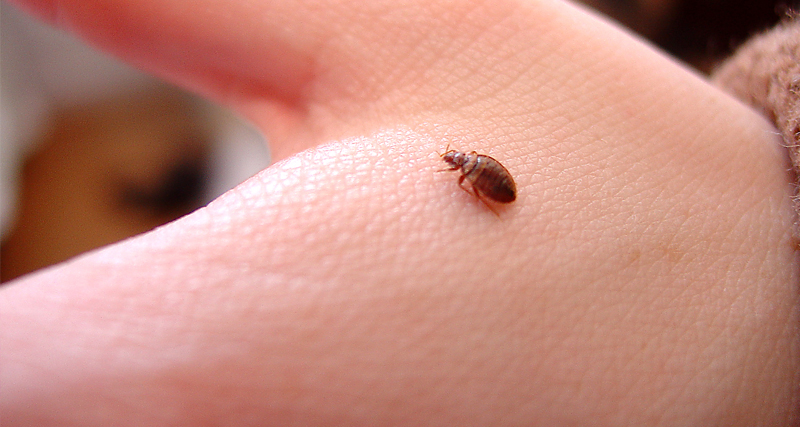
Close-up of a bedbug on human skin, showing the parasite responsible for itchy bites and skin irritation.

Bedbugs

Bedbugs Overview Bedbugs, also known as Cimex lectularius, are small, wingless insects that feed on human blood. Usually at night while a person sleeps. Despite their name, bedbugs can infest many areas, including mattresses, bed frames, furniture, clothing, curtains, and cracks in walls or floors. They are not known to transmit diseases, but they can cause significant physical discomfort and emotional distress. Their bites often result in itchy welts, skin irritation, and in some cases, allergic reactions or secondary infections from scratching. Bedbugs are flat, oval-shaped, and reddish-brown in colour. Adults are about the size of an apple seed, while younger nymphs are smaller and lighter in shade. They are hardy pests, capable of surviving for months without feeding and hiding in extremely small crevices. Which makes them difficult to detect and eliminate. Common signs of bedbugs include: While bedbugs are often associated with poor hygiene or poverty, they can infest any environment. Including clean, well-maintained homes, hotels, and public transport. In South Africa, rising urban density, shared housing, and increased travel have contributed to a resurgence in bedbug infestations. Furthermore, particularly in hostels, shelters, and densely populated city flats. Though bedbugs don’t spread disease, their presence can cause anxiety, insomnia, embarrassment, and stress. Particularly, in households with children, elderly individuals, or people with allergies. Prompt detection and proper treatment are critical for controlling bedbug infestations and preventing them from spreading to neighbouring homes or public spaces. 👉 [Next: Causes and Spread of Bedbugs]

Bedbugs Read More »

Scroll to Top