Mental Matters

Health Conditions

Find information on various health conditions affecting people of all ages. This category covers causes, symptoms, diagnosis, and management options for physical illnesses and chronic diseases. Get insights to help you understand different health challenges and make informed decisions about your wellbeing.

Young woman looking distressed after eating, symbolising emotional struggle and the need for treatment of binge eating disorder.

Treatment of Binge Eating Disorder

Treatment of Binge Eating Disorder Treatment of binge eating disorder focuses on restoring a healthy relationship with food, addressing emotional triggers, and treating any co-existing mental or physical health concerns. The most effective approaches combine psychological therapy, nutritional support, and sometimes medication. 1. Psychological therapies 2. Nutritional counselling 3. Medication 4. Group therapy and support groups Access in South Africa: Treatment of Binge Eating Disorder Recovery is absolutely possible. With time, support, and consistency, individuals can reduce or eliminate binge episodes and learn to eat and live without guilt or secrecy. 👉 [Next: Complications and Living with Binge Eating Disorder]
Treatment of Binge Eating Disorder Read More »

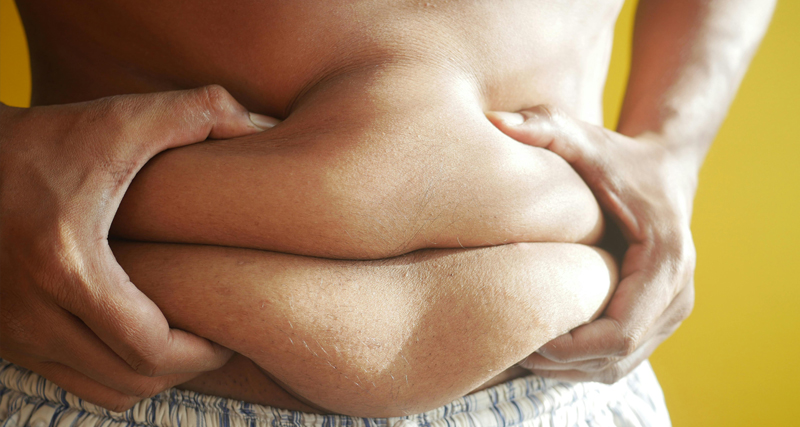
Man holding excess abdominal fat, symbolising health complications related to binge eating disorder and weight gain.

Complications and Living with Binge Eating Disorder

Complications and Living with Binge Eating Disorder When left untreated, BED can have serious physical, psychological, and social consequences. However, with proper support, individuals can achieve recovery and rebuild a healthy, fulfilling life. Learn more about the complications and living with binge eating disorder below. Physical complications: Mental health complications: Social and emotional impact: Living with BED means navigating: Positive steps in recovery: Complications and Living with Binge Eating Disorder In South Africa, mental health is slowly gaining recognition. More professionals are being trained in eating disorder treatment, but stigma, affordability, and awareness gaps remain. You are not alone. BED is real, treatable, and recovery is possible — with dignity, compassion, and support. 👉 [End of Series | Back to Overview]

Complications and Living with Binge Eating Disorder Read More »

Bile Duct Cancer

Bile Duct Cancer

Bile Duct Cancer Overview The condition Bile duct cancer, medically known as cholangiocarcinoma, is a rare but aggressive cancerous condition that arises in the ducts, which are tubes that carry biles from the liver to the small intestine. Bile is a fluid produced by the liver that helps digest fats. When cancer forms in these ducts, it can block the flow of bile and lead to serious health complications. There are three main types of cholangiocarcinoma, depending on where it starts: Although bile duct cancer is rare, it’s especially challenging because symptoms usually appear late — often after the disease has already advanced. Early detection is difficult, and by the time it is diagnosed, it may have spread to surrounding tissues or organs. Key symptoms include: In South Africa, doctors may miss early-stages— particularly in rural or low-resource areas with limited access to specialists and imaging. Doctors often mistake it for more common liver conditions, such as hepatitis or gallstones. Bile Duct Cancer While the prognosis for advanced stages can be poor, early intervention with surgery or specialised therapies can improve outcomes. Newer treatments are emerging, offering hope for improved survival in select cases. 👉 [Next: Causes and Risk Factors of Cholangiocarcinoma]

Bile Duct Cancer Read More »

Causes and Risk Factors of Cholangiocarcinoma

Causes and Risk Factors of Cholangiocarcinoma

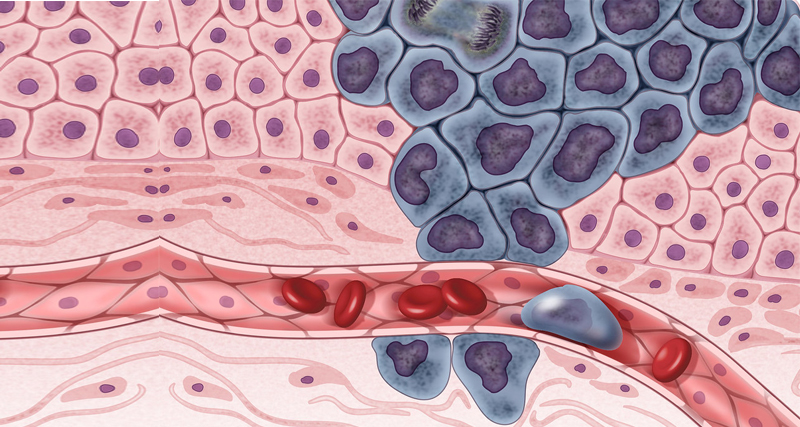
Causes and Risk Factors of Cholangiocarcinoma The exact causes and risk factors of cholangiocarcinoma are not always clear, but it typically develops when the cells lining the bile ducts undergo genetic mutations, causing them to grow uncontrollably. This abnormal growth forms a tumour that can interfere with bile flow and invade nearby tissues. Several risk factors have been identified, including underlying liver and bile duct diseases, chronic inflammation, and exposure to certain chemicals or parasites. Known causes and risk factors: In South Africa, certain viral infections and alcohol-related liver conditions are prevalent, potentially increasing the risk in some populations. Lack of early screening and limited access to liver specialists can contribute to late diagnosis. Causes and Risk Factors of Cholangiocarcinoma By understanding these risk factors, individuals and healthcare providers can be more vigilant, particularly in patients presenting with persistent liver or biliary symptoms. 👉 [Next: Diagnosis of Bile Duct Cancer]

Causes and Risk Factors of Cholangiocarcinoma Read More »

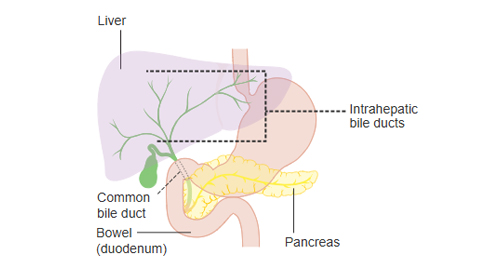
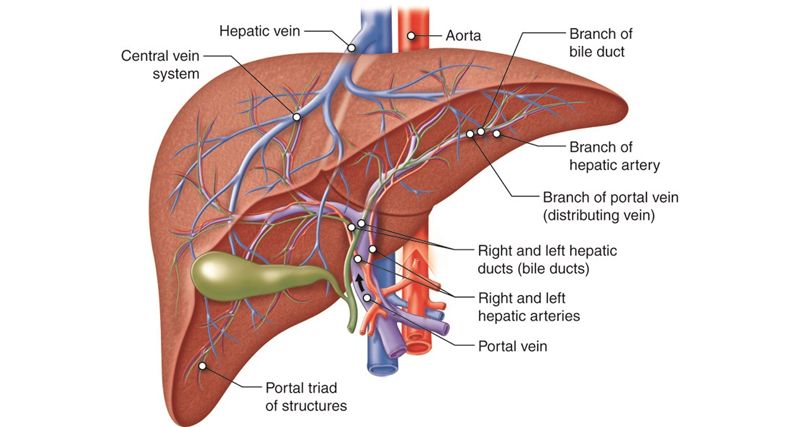
An anatomical diagram of the liver and bile ducts used to illustrate bile duct cancer diagnosis and internal liver structure.

Diagnosis of Bile Duct Cancer

Diagnosis of Bile Duct Cancer Diagnosing cholangiocarcinoma can be difficult due to its deep location within the body and non-specific symptoms. Many signs mimic other, more common illnesses like gallstones or hepatitis. A combination of imaging tests, blood work, and biopsies is usually required. Learn more about the diagnosis of bile duct cancer below. Step-by-step diagnostic process: In South Africa, diagnostic access depends on location. Major hospitals and academic centres offer CT, MRI, and ERCP, but availability may be limited in rural or underfunded public facilities. Diagnosis of Bile Duct Cancer Because early symptoms are vague, delays in diagnosis are common. Prompt referral to a gastroenterologist, hepatologist, or oncologist is vital when jaundice or unexplained liver symptoms are present. 👉 [Next: Treatment of Bile Duct Cancer]

Diagnosis of Bile Duct Cancer Read More »

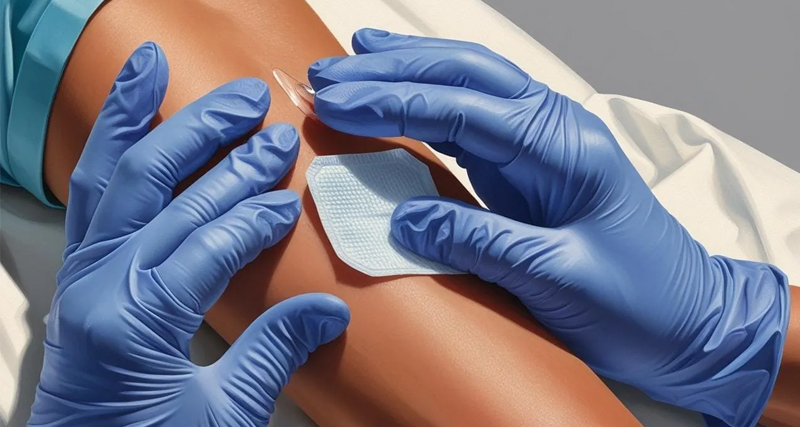
A healthcare professional applying a bandage after an intravenous procedure, symbolising chemotherapy for bile duct cancer.

Treatment of Bile Duct Cancer

Treatment of Bile Duct Cancer The treatment of cholangiocarcinoma depends on its location, stage, and whether it can be surgically removed. The main goal is to remove or reduce the tumour, ease symptoms, and improve quality of life. Learn more about the treatment of bile duct cancer below. Treatment options include: Access to care in South Africa varies greatly. While private facilities may offer surgery, chemo, and transplant referral, rural clinics may focus on supportive care. NGOs and support networks play a growing role in linking patients to referral hospitals. Treatment of Bile Duct Cancer Early-stage detection improves survival, but even late-stage treatment can relieve symptoms and extend life expectancy. 👉 [Next: Complications and Prognosis]

Treatment of Bile Duct Cancer Read More »

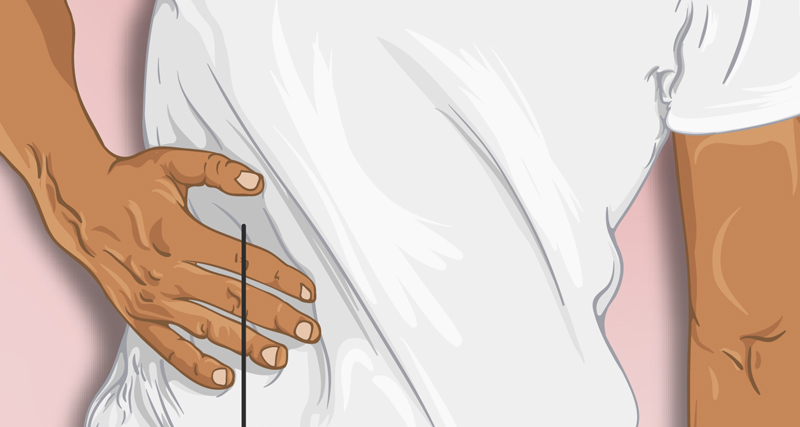
Illustration of a person clutching the right side of their abdomen, indicating pain linked to bile duct cancer complications.

Complications and Prognosis of Bile Duct Cancer

Complications and Prognosis of Bile Duct Cancer Cholangiocarcinoma often progresses quietly until it causes serious complications, which can affect multiple organs and lead to reduced quality of life. Early and ongoing management can help delay these complications. Read more about the complications and prognosis of bile duct cancer below. Common complications include: Prognosis: In South Africa, late presentation and limited access to specialist care may worsen outcomes. However, early referral, supportive care, and palliative services can significantly improve quality of life. Living with Bile Duct Cancer Many patients benefit from multidisciplinary care involving surgeons, oncologists, palliative nurses, and dietitians — especially when supported by family and community. 👉 [Next: Living with Bile Duct Cancer – Support and Lifestyle]

Complications and Prognosis of Bile Duct Cancer Read More »

Smiling healthcare provider holding IV bag filled with images of fruits, symbolising nutritional therapy for bile duct cancer support.

Living with Bile Duct Cancer

Living with Bile Duct Cancer – Support and Lifestyle Living with bile duct cancer can be overwhelming — both physically and emotionally. But with the right support and information, many people find ways to cope, stay hopeful, and maintain dignity. Living well with cholangiocarcinoma: Where to find help in South Africa: Living with Bile Duct Cancer Remember, you are not alone. Even in the face of a difficult diagnosis, many people find meaning, connection, and peace through support, love, and quality care. 👉 [End of Series | Back to Overview]

Living with Bile Duct Cancer Read More »

Man with uneven facial expression due to muscle weakness, a common sign of Bell’s palsy affecting one side of the face.

Bell’s Palsy

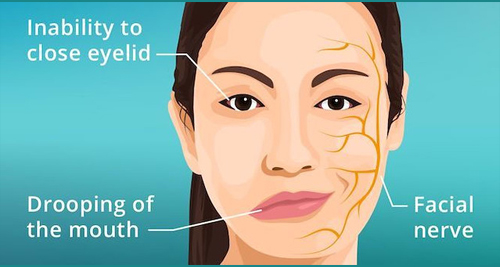
Bell’s Palsy Overview Bell’s palsy is a sudden, temporary weakness or paralysis of the muscles on one side of the face. It occurs when the facial nerve (cranial nerve VII), which controls facial expressions, becomes inflamed, swollen, or compressed. This condition can cause the affected side of the face to droop, and individuals may find it difficult to smile, blink, or close their eye. The exact cause of Bell’s palsy isn’t always clear, but experts believe viral infections that inflame the facial nerve may be responsible. In many cases, symptoms appear overnight, creating a great deal of distress for those affected. However, most people begin to recover within a few weeks, with or without treatment. Common symptoms of Bell’s palsy include: Bell’s palsy can affect anyone, but it occurs most often in adults aged 15 to 60. While it can be alarming, it is not life-threatening and is not related to stroke, although the symptoms may look similar. In South Africa, cases often present to GPs, clinics, and emergency units, especially due to the sudden onset of facial drooping. Healthcare workers must recognise symptoms early and provide reassurance — especially in rural areas with limited access to neurologists. With early treatment, such as corticosteroids, many people experience full recovery. Supportive care, including eye protection, facial exercises, and in some cases antiviral medications, also plays an important role. 👉 [Next: Causes and Risk Factors of Bell’s Palsy]

Bell’s Palsy Read More »

Illustration of a woman showing symptoms of Bell’s palsy, including facial droop and eyelid weakness, with facial nerve pathways highlighted.

Causes and Risk Factors of Bell’s Palsy

Causes and Risk Factors of Bell’s Palsy The exact causes and risk factors of bell’s palsy of Bell’s palsy remains unknown, but it is believed to result from inflammation and swelling of the facial nerve, possibly due to a viral infection. The facial nerve passes through a narrow bony canal, and when it becomes inflamed, pressure builds up, interrupting the nerve’s ability to control facial muscles. Possible causes and triggers include: Risk factors include: In South Africa, viral illnesses such as cold sores, flu, and HIV-related infections may increase vulnerability to Bell’s palsy. The condition is not contagious, but those with weakened immunity may be more at risk. Although Bell’s palsy can happen to anyone, recognising potential triggers and managing underlying health conditions like diabetes or hypertension may reduce the risk or aid in quicker recovery. Causes and Risk Factors of Bell’s Palsy Importantly, Bell’s palsy is different from a stroke — although both can cause facial weakness, strokes typically affect other parts of the body and involve slurred speech or limb weakness. A thorough medical assessment helps rule out other causes. 👉 [Next: Diagnosis of Bell’s Palsy]

Causes and Risk Factors of Bell’s Palsy Read More »

Scroll to Top