Mental Matters

Health Conditions

Find information on various health conditions affecting people of all ages. This category covers causes, symptoms, diagnosis, and management options for physical illnesses and chronic diseases. Get insights to help you understand different health challenges and make informed decisions about your wellbeing.

Atrial Fibrillation

Atrial Fibrillation

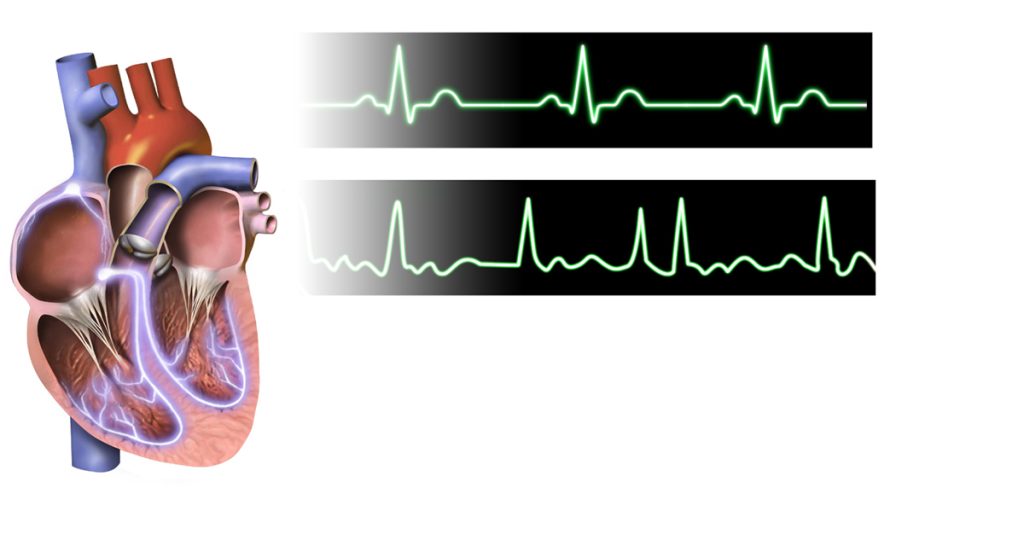
Atrial Fibrillation Overview Atrial fibrillation (AF or AFib) is a common type of irregular heartbeat that affects millions of people worldwide. It occurs when the upper chambers of the heart (the atria) beat irregularly and out of coordination with the lower chambers (the ventricles). This can lead to a fast, fluttering, or pounding heartbeat, and increases the risk of stroke, heart failure, and other heart-related complications. Some people may feel palpitations, fatigue, dizziness, chest discomfort, or shortness of breath — but others have no symptoms at all, making the condition difficult to detect without a medical check-up. Atrial fibrillation Over Time AF can be occasional (paroxysmal), persistent, or permanent, and may worsen over time if left unmanaged. It’s more common in older adults, especially those with high blood pressure, diabetes, or heart disease. In South Africa, where heart disease is on the rise and regular check-ups may be limited in some communities, early detection and treatment is critical to preventing long-term complications like stroke. Understanding Atrial Fibrillation This is a serious condition that can significantly impact heart health, but with proper management, many individuals live active and fulfilling lives. Recognising symptoms early, such as palpitations or fatigue, and seeking timely medical intervention is key to reducing the risk of complications like stroke or heart failure. The Importance of Early Detection in South Africa In South Africa, where heart disease is prevalent, early diagnosis and management are crucial. Regular check-ups and awareness of risk factors like hypertension can help reduce the burden of this condition, especially in under-resourced areas. 👉 [Next: Causes and Risk Factors of Atrial Fibrillation] Treatment and Management of Atrial Fibrillation Diagnosis of Atrial Fibrillation Complications of Atrial Fibrillation Living Well with Atrial Fibrillation
Atrial Fibrillation Read More »

Causes and Risk Factors of Atrial Fibrillation

Causes and Risk Factors of Atrial Fibrillation

Causes and Risk Factors of Atrial Fibrillation Atrial fibrillation develops when the electrical signals that control the heartbeat become disorganised, causing the atria to contract irregularly. Causes and risk factors of atrial fibrillation include several underlying conditions and lifestyle factors increase the risk. Common causes: Additional risk factors: Causes and Risk Factors of Atrial Fibrillation In South Africa, hypertension and lifestyle-related risk factors are major contributors to AF cases. In rural and lower-income communities, late diagnosis is common due to limited access to routine ECG screenings. Prompt evaluation of symptoms like palpitations or fainting spells is important, especially in individuals with known risk factors. Identifying and Managing Risk Factors Atrial fibrillation can result from various conditions, such as hypertension and heart disease, alongside lifestyle choices like smoking and excessive alcohol consumption. Recognising these risk factors early and addressing them through medication, lifestyle changes, and regular check-ups can reduce the likelihood of developing AF. Addressing the Challenges in South Africa In South Africa, lifestyle-related risk factors like hypertension and obesity are prevalent, making AF more common. However, early detection and management are hindered in rural and under-resourced areas. Raising awareness and improving access to screening can help reduce the burden of atrial fibrillation and prevent serious complications. 👉 [Next: Diagnosis of Atrial Fibrillation] Atrial Fibrillation Treatment and Management of Atrial Fibrillation Complications of Atrial Fibrillation Living Well with Atrial Fibrillation
Causes and Risk Factors of Atrial Fibrillation Read More »

Diagnosis of Atrial Fibrillation

Diagnosis of Atrial Fibrillation

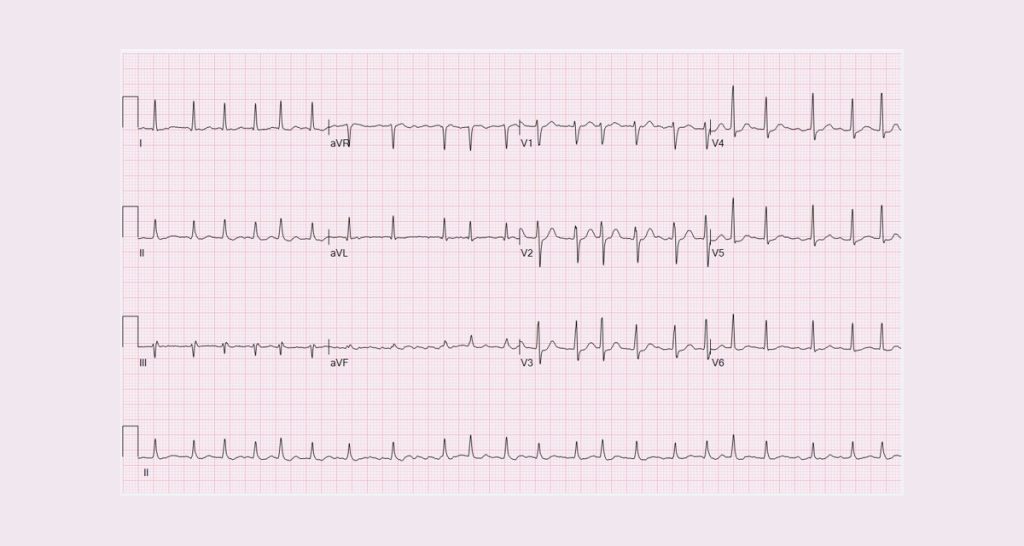
Diagnosis of Atrial Fibrillation AF is diagnosed by recording the heart’s electrical activity and rhythm. Diagnosis may occur during a routine exam or while evaluating symptoms such as a racing heart or shortness of breath Learn more about the diagnosis of atrial fibrillation in the 6 points below. Diagnostic methods: Diagnosis of Atrial Fibrillation In South Africa, public hospitals and clinics provide ECGs, but advanced monitoring may only be available in larger urban centres or private cardiology practices. If symptoms are missed or ignored, AF may go undiagnosed for years — increasing stroke risk. Early Diagnosis Saves Lives Accurate and timely diagnosis of atrial fibrillation is essential to prevent serious complications like stroke. Using tools such as ECG, Holter monitors, and echocardiograms, healthcare providers can detect AF early, even during asymptomatic episodes. Bridging the Gap in South Africa In South Africa, while ECGs are widely available in public health settings, advanced diagnostic methods are often more accessible in urban areas or private clinics. Early detection through regular check-ups, especially for those at risk, is vital for reducing the long-term impact of AF and ensuring effective management. 👉 [Next: Treatment and Management of Atrial Fibrillation] Atrial Fibrillation Causes and Risk Factors of Atrial Fibrillation Living Well with Atrial Fibrillation Complications of Atrial Fibrillation
Diagnosis of Atrial Fibrillation Read More »

Treatment and Management of Atrial Fibrillation

Treatment and Management of Atrial Fibrillation

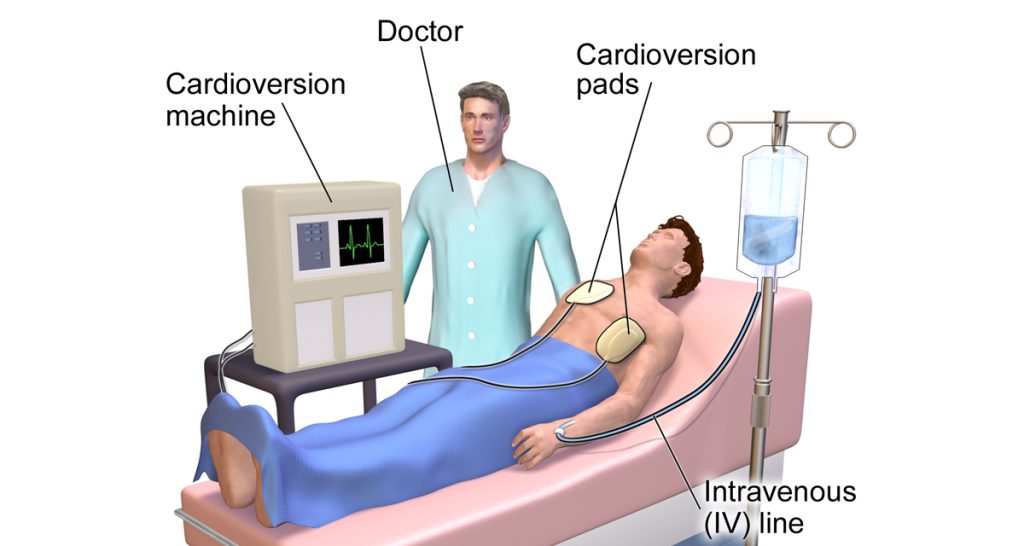
Treatment and Management of Atrial Fibrillation The treatment and management of atrial fibrillation focuses on controlling heart rate, restoring rhythm, and preventing stroke. The approach depends on the type of AF, severity of symptoms, and underlying causes. Treatment options include: Treatment and Management of Atrial Fibrillation Doctors should closely monitor South African patients on anticoagulants due to bleeding risks and the need for regular lab checks, such as INR for those taking warfarin. While ablation therapy is available at major cardiac centres, access may be limited in the public sector. A Tailored Approach to Treatment Managing atrial fibrillation requires a personalised plan based on the individual’s symptoms, risks, and overall health. Whether through medication, procedures like cardioversion or ablation, or lifestyle adjustments, the goal is to control rhythm and reduce the risk of complications — especially stroke. Supporting Patients in South Africa In South Africa, access to specialised cardiac care varies, but many patients benefit from medication and basic monitoring through public health services. Education, adherence to treatment, and regular follow-ups are key to managing AF safely and effectively. With the right support, long-term control and a healthier life are possible. 👉 [Next: Complications of Atrial Fibrillation] Atrial Fibrillation Diagnosis of Atrial Fibrillation Causes and Risk Factors of Atrial Fibrillation Living Well with Atrial Fibrillation

Treatment and Management of Atrial Fibrillation Read More »

Complications of Atrial Fibrillation

Complications of Atrial Fibrillation

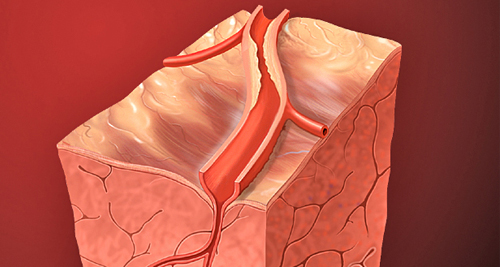
Complications of Atrial Fibrillation The complications of atrial fibrillation includes rising risks of serious medical events, especially when untreated. 1. StrokeAF causes blood to pool in the atria, leading to clot formation. If a clot travels to the brain, it causes a stroke. AF increases stroke risk fivefold.Warning signs: Sudden weakness, slurred speech, facial drooping, vision loss, or confusion. 2. Heart failureUncontrolled AF may weaken the heart muscle, especially if the heart beats too fast for extended periods. 3. Chronic fatigue and reduced quality of lifeAF can cause decreased energy levels, difficulty exercising, and poor sleep. 4. Blood clots elsewhereClots may travel to the lungs (pulmonary embolism) or limbs, causing dangerous complications. 5. Cognitive declineSome studies link AF with an increased risk of dementia due to reduced brain perfusion and micro-clots. Complications of Atrial Fibrillation Preventing complications requires early diagnosis, ongoing treatment, and adherence to lifestyle changes and medications. Patients with AF must be educated about stroke signs and the importance of daily medication adherence. The Serious Impact of Untreated AF Atrial fibrillation may seem manageable at first, but its complications can be life-threatening if not properly addressed. Stroke remains the most devastating risk, but heart failure, fatigue, and cognitive decline also reduce quality of life. Awareness of symptoms and early medical intervention are critical. Staying Ahead of the Risks In South Africa, access to ongoing care, stroke education, and affordable medication plays a vital role in reducing complications. With proper management, including lifestyle changes and adherence to treatment, patients can protect themselves from the most serious outcomes and maintain long-term health and independence. 👉 [Next: Living Well with Atrial Fibrillation] Atrial Fibrillation Treatment and Management of Atrial Fibrillation Causes and Risk Factors of Atrial Fibrillation Diagnosis of Atrial Fibrillation

Complications of Atrial Fibrillation Read More »

Living Well with Atrial Fibrillation

Living Well with Atrial Fibrillation

Living Well with Atrial Fibrillation With the right approach, living well with atrial fibrillation is manageable. Many people with the condition lead long, active, and fulfilling lives by prioritising heart health and lifestyle stability. Daily self-care tips: Living Well with Atrial Fibrillation Keep regular follow-ups with your healthcare provider to adjust medications and monitor for changes. Many South African clinics provide access to free or affordable chronic care services for conditions like AF. Education and awareness are crucial. By understanding your condition and making lifestyle adjustments, you can significantly reduce your risk of stroke and enjoy a higher quality of life. Thriving with Atrial Fibrillation Atrial fibrillation doesn’t have to limit your life. With a strong focus on self-care, medication adherence, and regular check-ups, many people manage the condition successfully. Making heart-healthy choices every day can dramatically reduce the risk of complications like stroke and improve overall wellbeing. Building Support and Routine In South Africa, where access to care can vary, chronic condition management is supported by many public clinics and health initiatives. Staying informed, making smart lifestyle decisions, and working closely with your healthcare team empowers you to live well — not just with AF, but with confidence and control. 👉 [End of Series | Back to Overview] Treatment and Management of Atrial Fibrillation Complications of Atrial Fibrillation Diagnosis of Atrial Fibrillation Causes and Risk Factors of Atrial Fibrillation


Living Well with Atrial Fibrillation Read More »

Atopic Eczema

Atopic Eczema Overview

Atopic Eczema Overview Atopic eczema, also called atopic dermatitis, is a chronic skin condition that causes dry, itchy, and inflamed skin. It often begins in early childhood but can persist or even begin in adulthood. The term “atopic” refers to a genetic tendency toward allergic conditions like asthma and hay fever. Conditions The condition varies in severity — for some, it’s a mild nuisance; for others, it’s life-altering. Eczema flare-ups can affect the face, hands, neck, elbows, and behind the knees, though any area may be involved. The skin becomes red, cracked, sore, and may weep fluid. Scratching often worsens the irritation, creating a cycle that’s hard to break. In South Africa, climate, allergens, and limited access to skincare in some communities make eczema particularly difficult to manage. Hot summers, dry winters, dust, and poor air quality can all trigger flare-ups. While it isn’t contagious, eczema can affect mental health, confidence, and quality of life. Understanding its causes, triggers, and management options is essential for long-term control. A Widespread and Challenging Condition Atopic eczema is a common but often misunderstood condition that affects people of all ages. Its dry, itchy, and inflamed skin symptoms can interfere with daily life, sleep, and self-esteem. For many, especially in South Africa, managing eczema is an ongoing challenge due to climate, allergens, and healthcare access. Empowerment Through Awareness While there is no cure, understanding what eczema is — and how to manage its causes and triggers — can dramatically improve quality of life. With the right combination of skincare, lifestyle changes, and medical support, flare-ups can be reduced, helping individuals live more comfortably and confidently. 👉 [Next: Causes and Triggers of Atopic Eczema] Prevention and Daily Care for Eczema Complications of Atopic Eczema Treatment of Atopic Eczema Diagnosis of Atopic Eczema

Atopic Eczema Overview Read More »

Causes and Triggers of Atopic Eczema

Causes and Triggers of Atopic Eczema

Causes and Triggers of Atopic Eczema The exact causes and triggers of atopic eczema isn’t fully understood, but it appears to result from a mix of genetics, immune system dysfunction, and environmental triggers. People with eczema often have a weakened skin barrier, allowing moisture to escape and irritants or allergens to enter. Main causes and contributing factors: Common triggers: In South Africa, eczema often worsens in dry winters or hot humid climates, and urban pollution may exacerbate flare-ups. Overwashing and harsh soaps are frequent culprits. Avoiding triggers is as important as treatment itself — personalised management helps reduce flare frequency and severity. Understanding the Root Causes Atopic eczema arises from a combination of genetic factors and environmental influences. A weakened skin barrier, combined with an overreactive immune system, makes individuals more vulnerable to irritants and allergens. While the exact cause may vary, recognising these contributing elements is key to effective, personalised care. Managing Triggers in Everyday Life In South Africa, climate extremes, pollution, and harsh skincare products are common eczema triggers. Identifying and avoiding personal irritants — whether food, fabric, or stress — plays a major role in long-term control. With awareness and consistent management, many flare-ups can be minimised, improving comfort and skin resilience over time. 👉 [Next: Diagnosis of Atopic Eczema] Atopic Eczema Overview Treatment of Atopic Eczema Complications of Atopic Eczema Prevention and Daily Care for Eczema

Causes and Triggers of Atopic Eczema Read More »

Diagnosis of Atopic Eczema

Diagnosis of Atopic Eczema

Diagnosis of Atopic Eczema Diagnosis of atopic eczema is usually based on clinical observation and medical history. A healthcare provider will look for the characteristic skin changes, ask about itching, and consider any family history of allergic diseases. Common Tests During Diagnosis of Atopic Eczema There’s no single test for eczema, but certain tests may be used to rule out similar conditions or identify triggers: In South Africa, diagnosis is generally made by a GP or dermatologist. In rural areas with limited specialist access, community clinics play a crucial role in identification and early treatment. The Value of a Clear Diagnosis Diagnosing atopic eczema early helps guide effective treatment and avoids unnecessary or harmful interventions. Since no single test confirms eczema, diagnosis is typically based on visible symptoms, personal history, and possible allergy testing to rule out other skin conditions. Supporting Early Diagnosis in South Africa In South Africa, where access to dermatologists may be limited, especially in rural areas, general practitioners and clinic nurses are essential in recognising and managing eczema. A timely and accurate diagnosis ensures families receive proper guidance, avoid steroid misuse, and begin appropriate care — improving long-term outcomes and skin health. Accurate diagnosis ensures proper care and avoids overuse of steroid creams or ineffective treatments. 👉 [Next: Treatment of Atopic Eczema] Atopic Eczema Overview Causes and Triggers of Atopic Eczema Complications of Atopic Eczema Prevention and Daily Care for Eczema

Diagnosis of Atopic Eczema Read More »

Treatment of Atopic Eczema

Treatment of Atopic Eczema

Treatment of Atopic Eczema Treatment of atopic eczema aims to reduce inflammation, relieve itching, and repair the skin barrier. Management typically involves a combination of moisturisers, topical treatments, and lifestyle adjustments. Core Treatment of atopic eczema: In South Africa, many over-the-counter emollients are available, but prescription treatments and phototherapy may only be found in urban hospitals or dermatology clinics. Cost and access can limit options for many families. A Tailored Approach to Treatment Effective treatment of atopic eczema requires more than just one solution — it’s a combination of consistent moisturising, targeted topical therapies, and lifestyle adjustments that work together to restore the skin barrier and reduce inflammation. Each person’s treatment needs may vary depending on severity, age, and sensitivity. Accessibility and Support in South Africa While emollients are widely available over the counter, advanced treatments like phototherapy and stronger prescription creams may be harder to access, especially outside urban centres. By working closely with healthcare providers and choosing affordable, appropriate options, families can successfully manage eczema and improve daily comfort and skin health. 👉 [Next: Complications of Atopic Eczema] Diagnosis of Atopic Eczema Atopic Eczema Overview Causes and Triggers of Atopic Eczema Treatment of Contact Dermatitis

Treatment of Atopic Eczema Read More »

Scroll to Top