Mental Matters

Health Conditions

Find information on various health conditions affecting people of all ages. This category covers causes, symptoms, diagnosis, and management options for physical illnesses and chronic diseases. Get insights to help you understand different health challenges and make informed decisions about your wellbeing.

Complications of Atopic Eczema

Complications of Atopic Eczema

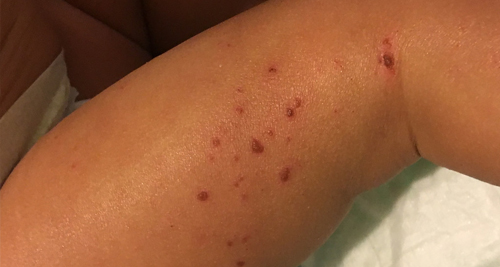
Complications of Atopic Eczema If left untreated or poorly managed, atopic eczema can lead to several short- and long-term complications. Learn more about the complications of atopic eczema in the 5 points below. Short and Long-Term Complications of Atopic Eczema 1. Skin infections 2. Sleep disturbance and fatigue 3. Skin thickening (lichenification) 4. Scarring and pigmentation changes 5. Mental health issues Why Complications Matter Atopic eczema is more than just a skin condition — when not properly managed, it can lead to significant physical and emotional challenges. From infections and permanent skin changes to sleep disruption and mental health struggles, the impact can affect quality of life at every stage. Taking Early Action Fortunately, most complications are preventable with early treatment, a consistent skincare routine, and awareness of triggers. Reducing scratching, managing stress, and seeking support when needed are all essential. By staying proactive, individuals and caregivers can protect skin health, improve comfort, and prevent the long-term consequences of untreated eczema. Preventing complications involves prompt treatment, avoiding scratching, managing stress, and sticking to a good skincare routine — even during clear skin phases. 👉 [Next: Prevention and Daily Care for Eczema] Diagnosis of Atopic Eczema Atopic Eczema Overview Causes and Triggers of Atopic Eczema Treatment of Atopic Eczema
Complications of Atopic Eczema Read More »

Prevention and Daily Care for Eczema

Prevention and Daily Care for Eczema

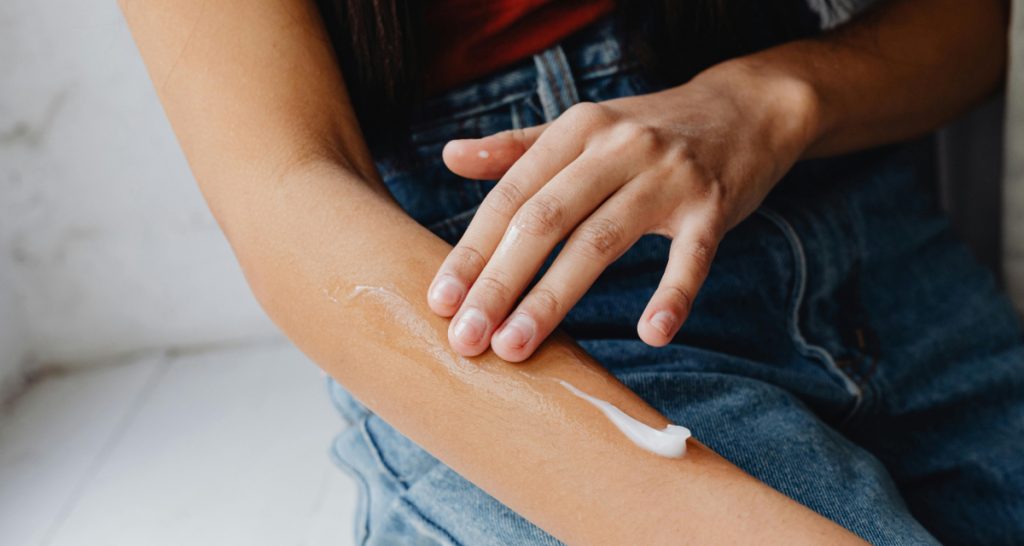
Prevention and Daily Care for Eczema Effective management goes beyond medication — everyday skincare and lifestyle adjustments can significantly reduce flare-ups and improve quality of life Learn more about the prevention and daily care for eczema below. Daily care tips: Preventing flare-ups: Prevention and Daily Care for Eczema For South African families, affordability can be a challenge — look for generic or clinic-dispensed moisturisers and avoid over-relying on topical steroids without medical advice. Living with eczema requires patience, education, and consistency. But with the right strategy, flare-ups can be controlled, and skin health can be restored. Managing Eczema with Daily Care Living with eczema involves more than just treating symptoms — it requires a proactive, consistent routine that supports skin health every day. Simple habits like gentle bathing, regular moisturising, and avoiding known irritants can make a significant difference in preventing flare-ups and maintaining comfort. Practical Support for South African Families In South Africa, where cost may limit access to certain products, affordable options like clinic-dispensed creams or generic moisturisers are essential. With patience, awareness of triggers, and long-term care strategies, families can successfully manage eczema. Empowerment through education is key to restoring confidence and improving everyday quality of life. 👉 [End of Series | Back to Overview] Complications and Recovery from Crohn’s Disease Treatment of Atopic Eczema Causes and Triggers of Atopic Eczema Symptoms of Crohn’s Disease Diagnosis of Atopic Eczema

Prevention and Daily Care for Eczema Read More »

Athlete’s Foot

Athlete’s Foot Overview

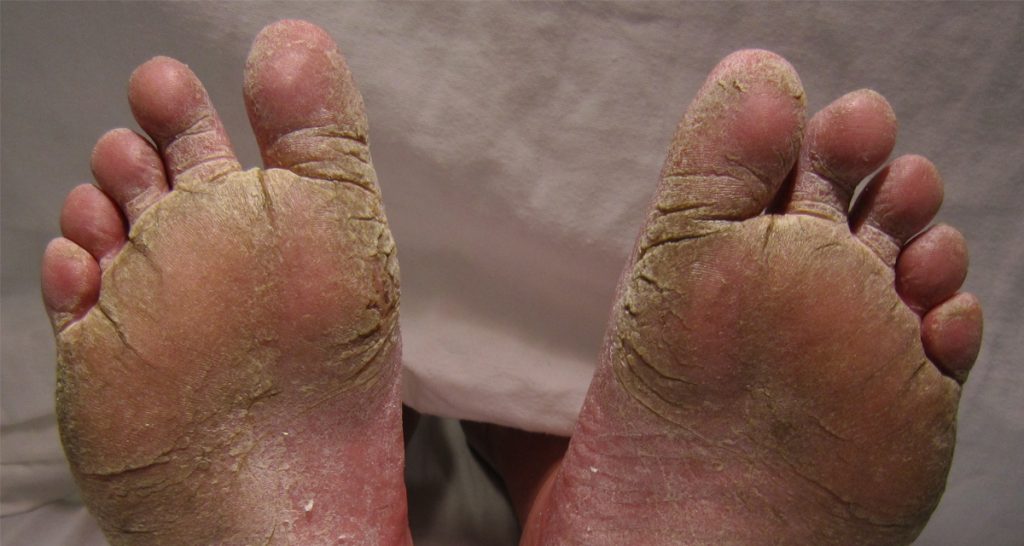
Athlete’s Foot Overview Athlete’s foot is a fungal skin infection that affects the feet, most commonly between the toes. It’s caused by dermatophyte fungi and thrives in warm, moist environments. Despite its name, anyone can get it — not just athletes. Symptoms Symptoms include itching, burning, cracked or peeling skin, redness, and sometimes an unpleasant odour. The infection spreads easily, particularly in shared showers, locker rooms, and gyms, or through contaminated towels and shoes. It’s very common in South Africa due to the warm climate, barefoot walking habits, and shared public facilities. Though not life-threatening, this can lead to complications if left untreated. Practicing good hygiene and prompt treatment helps clear the infection and prevent its return. A Common Yet Manageable Condition Athlete’s foot is a widespread fungal infection, especially in warm climates like South Africa. Though often mild, it can become persistent or lead to secondary infections if ignored. Recognising the symptoms early — such as itching, cracked skin, or odour — is key to effective treatment. Prevention and Long-Term Care Maintaining good foot hygiene, wearing breathable shoes, avoiding walking barefoot in public areas, and treating infections promptly can help prevent recurrence. With simple lifestyle adjustments and antifungal treatment, most cases clear up quickly. Awareness and consistent care are essential to keeping feet healthy and fungus-free in the long term. 👉 [Next: Causes of Athlete’s Foot] Complications of Athlete’s Foot Treatment of a Cracked Rib Complications and Recovery from a Cracked Rib Diagnosis of a Cracked Rib Causes of a Cracked Rib

Athlete’s Foot Overview Read More »

Causes of Athlete’s Foot

Causes of Athlete’s Foot

Causes of Athlete’s Foot Athlete’s foot is caused by fungi called dermatophytes, which live on skin, nails, and hair. These fungi thrive in warm, damp environments, especially in enclosed footwear or communal spaces. Read more about the causes of athlete’s foot below. Common causes: People with diabetes, weakened immune systems, or a history of fungal infections are more prone. In South Africa’s warm climate, it’s easy to become infected and reinfected without proper care. The infection is highly contagious and can spread through direct contact or contaminated surfaces. Reinfection is common if hygiene habits or footwear aren’t improved. 👉 [Next: Diagnosis of Athlete’s Foot] What I Reach for When Panic Hits Causes of Corns Causes of Compartment Syndrome Complications of Athlete’s Foot Athlete’s Foot Overview

Causes of Athlete’s Foot Read More »

Diagnosis of Athlete’s Foot

Diagnosis of Athlete’s Foot

Diagnosis of Athlete’s Foot The diagnosis of athlete’s foot is usually straightforward. Doctors can often recognise it through physical examination alone, based on the visible signs: scaling skin, cracking between toes, itching, or burning. If needed, further tests may be done: In South Africa, many mild cases are treated over the counter, but chronic or recurrent infections should be seen by a GP or dermatologist. Early diagnosis prevents the infection from spreading to the toenails or other areas like the groin or hands. 👉 [Next: Treatment of Athlete’s Foot] Complications of Athlete’s Foot Athlete’s Foot Overview Diagnosis of Aspergillosis Causes of Athlete’s Foot Symptoms of Cataracts in Children

Diagnosis of Athlete’s Foot Read More »

Treatment of Athlete’s Foot

Treatment of Athlete’s Foot

Prevention of Athlete’s Foot(Opens in a new browser tab) Treatment of Athlete’s Foot For the treatment of athlete’s foot, the following methods and supportive measures are commonly affective. Mild athlete’s foot responds well to topical antifungal creams, powders, or sprays, such as: Applying Treatments Apply treatments for 2 to 4 weeks — even after symptoms disappear — to ensure the fungus is fully eradicated. In more severe or persistent cases, doctors may prescribe oral antifungal medication like fluconazole or itraconazole. Nail involvement may require longer treatment. Supportive measures: Some natural remedies like tea tree oil may help, but they shouldn’t replace medical treatment. 👉 [Next: Complications of Athlete’s Foot] Treatment Options for Balanitis Treatment for Aspergillosis Treatment of Chilblains Treatment of Cold Sores

Treatment of Athlete’s Foot Read More »

Complications of Athlete’s Foot

Complications of Athlete’s Foot

Complications of Athlete’s Foot If left untreated, this can lead to several issues. Learn more about the complications of athlete’s foot in the 6 points below. 1. Secondary bacterial infections Cracked or broken skin allows bacteria to enter, leading to swelling, pus, or cellulitis. 2. Nail infections (onychomycosis) The fungus can spread to the toenails, causing thick, yellow, brittle nails. 3. Spread to other body areas Hands (tinea manuum), groin (jock itch), and even the face can be affected. 4. Allergic reactions (id reaction) An itchy rash may develop on the hands or fingers due to fungal exposure. 5. Chronic or recurring infection Improper treatment or reinfection from contaminated shoes leads to long-term symptoms. 6. Complications in diabetics Even minor foot infections can lead to ulcers, poor wound healing, or more serious foot problems. Preventing complications involves early treatment, maintaining hygiene, wearing clean, dry footwear, and monitoring for symptoms — especially in those with underlying health conditions. 👉 [Next: Prevention of Athlete’s Foot] Complications and Recovery from a Cracked Rib Treatment of a Cracked Rib Diagnosis of a Cracked Rib Causes of a Cracked Rib Symptoms of a Cracked Rib

Complications of Athlete’s Foot Read More »

Prevention of Athlete’s Foot

Prevention of Athlete’s Foot

Prevention of Athlete’s Foot Prevention is key to avoiding this recurrence. The focus is on dryness, hygiene, and protection for the prevention of athlete’s foot. Top prevention tips: In South Africa, where many schools and gyms have shared facilities, children and teens should be taught basic foot care habits early on. If you’ve had athlete’s foot before, take extra care — recurrence is common. Addressing sweaty feet and avoiding re-contamination is just as important as treatment itself. 👉 [End of Series | Back to Overview] Treatment of Athlete’s Foot Treatment for Aspergillosis You’ve Got This! Take Control of Your Anxiety Treatment Options for Balanitis Melbourne Foot Ankle & Walking Clinic Podiatrist

Prevention of Athlete’s Foot Read More »

Atherosclerosis

Atherosclerosis

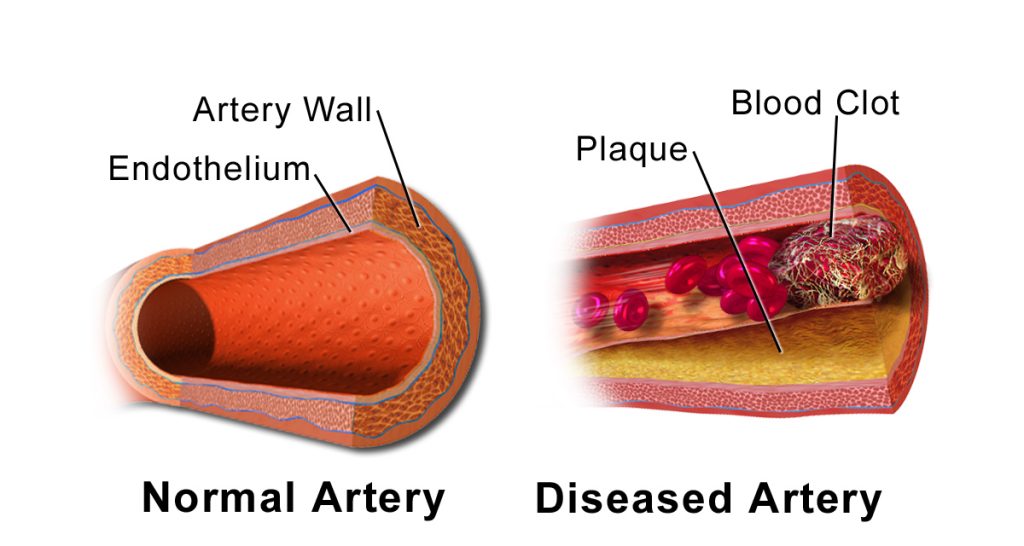
Atherosclerosis Overview Atherosclerosis is a condition in which plaque builds up inside the arteries, causing them to narrow and harden. This reduces blood flow to vital organs and increases the risk of heart attack, stroke, and other serious health problems. Plaque is made up of fat, cholesterol, calcium, and other substances found in the blood. Over time, this buildup can restrict or block blood flow and may rupture, causing blood clots. This condition is a leading cause of cardiovascular disease worldwide, including in South Africa, where rising rates of obesity, diabetes, and high blood pressure are increasing its prevalence. Common symptoms (depending on the artery affected): Atherosclerosis often progresses silently, without noticeable symptoms until an emergency occurs. Prevention, early detection, and lifestyle changes are crucial. 👉 [Next: Causes and Risk Factors of Atherosclerosis] Complications of Atherosclerosis Treatment and Management of Atherosclerosis Diagnosis of Atherosclerosis Causes and Risk Factors of Baker’s Cyst

Atherosclerosis Read More »

Causes and Risk Factors of Atherosclerosis

Causes and Risk Factors of Atherosclerosis

Causes and Risk Factors of Atherosclerosis Atherosclerosis develops gradually as certain risk factors damage the inner lining of arteries (endothelium), allowing fats and cholesterol to deposit and form plaque. Learn more about the causes and risk factors of atherosclerosis below. Main Causes Risk Factors In South Africa, a mix of urban lifestyle changes, high salt intake, and limited access to preventive care contributes to a growing burden of atherosclerosis-related disease, especially in working-age adults. Let’s now explore how atherosclerosis is diagnosed. 👉 [Next: Diagnosis of Atherosclerosis] Treatment and Management of Atherosclerosis Complications of Atherosclerosis Atherosclerosis Causes of Coronary Heart Disease

Causes and Risk Factors of Atherosclerosis Read More »

Scroll to Top