Mental Matters

Health Conditions

Find information on various health conditions affecting people of all ages. This category covers causes, symptoms, diagnosis, and management options for physical illnesses and chronic diseases. Get insights to help you understand different health challenges and make informed decisions about your wellbeing.

Diagnosis of Atherosclerosis

Diagnosis of Atherosclerosis

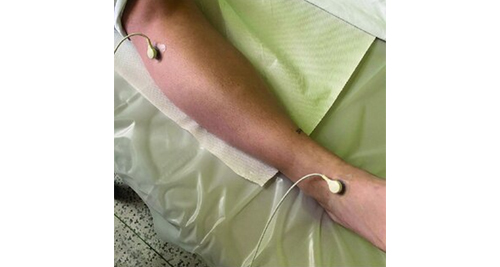
Diagnosis of Atherosclerosis Atherosclerosis is often discovered during routine check-ups or while investigating symptoms like chest pain or leg cramps. Diagnosis of atherosclerosis involves blood tests, imaging, and sometimes specialised heart exams. 1. Medical History and Physical Examination 2. Blood Tests 3. Imaging Tests a) Ultrasound (Doppler) b) Electrocardiogram (ECG) c) Echocardiogram d) CT Angiography e) Coronary Angiogram In South Africa, many of these tests are available in both private hospitals and state facilities, though advanced imaging may be limited in some rural settings. Next, let’s look at how atherosclerosis is treated and managed. 👉 [Next: Treatment and Management of Atherosclerosis] Complications of Atherosclerosis Causes and Risk Factors of Atherosclerosis Atherosclerosis Causes and Risk Factors of Appendicitis
Diagnosis of Atherosclerosis Read More »

Treatment and Management of Atherosclerosis

Treatment and Management of Atherosclerosis

Treatment and Management of Atherosclerosis The goals of treatment are to reduce symptoms, prevent complications, and slow or reverse plaque buildup. Management usually involves a combination of lifestyle changes, medication, and in some cases, surgery. Learn more about the treatment and management of atherosclerosis below. 1. Lifestyle Changes 2. Medications 3. Surgical Procedures (if needed) In South Africa, surgical treatments are available at tertiary hospitals and private cardiac centres. Prevention and early medical management, however, remain the most cost-effective strategy in most settings. Let’s now examine the potential complications of untreated or advanced atherosclerosis. 👉 [Next: Complications of Atherosclerosis] Causes and Risk Factors of Atherosclerosis Diagnosis of Atherosclerosis Atherosclerosis Causes of Cardiovascular Disease

Treatment and Management of Atherosclerosis Read More »

Complications of Atherosclerosis

Complications of Atherosclerosis

Complications of Atherosclerosis Atherosclerosis can lead to life-threatening complications if the artery becomes severely narrowed or a plaque ruptures, triggering a blood clot. Learn more about the complications of atherosclerosis below. 1. Heart Attack (Myocardial Infarction) 2. Stroke 3. Peripheral Artery Disease (PAD) 4. Aneurysm 5. Chronic Kidney Disease 6. Sudden Cardiac Death Prevention of Complications With proper treatment and lifestyle changes, many people with atherosclerosis can live full, active lives and prevent serious events like heart attacks or strokes. 👉 End of Series | Back to Overview Treatment and Management of Atherosclerosis Causes and Risk Factors of Atherosclerosis Diagnosis of Atherosclerosis Living with Brain Aneurysm

Complications of Atherosclerosis Read More »

Ataxia

Ataxia

Ataxia Overview Ataxia refers to a lack of muscle coordination that affects a person’s ability to walk, speak, swallow, and control eye or hand movements. It is not a disease itself but a symptom of underlying neurological conditions that affect the part of the brain called the cerebellum, or its connecting nerves. Ataxia may develop suddenly due to trauma or stroke, or progress gradually in inherited disorders. It can affect people of all ages and may be temporary or permanent, depending on the cause. Common symptoms include: There are several types, including hereditary, acquired, and idiopathic (unknown cause). Diagnosis and management depend on identifying the specific type and underlying cause. In South Africa, awareness of this disorder is growing, but access to specialist care can vary across regions. 👉 [Next: Causes and Types of Ataxia] Complications of Ataxia Treatment and Management of Ataxia Diagnosis of Ataxia Bladder Stones

Ataxia Read More »

Causes and Types of Ataxia

Causes and Types of Ataxia

Causes and Types of Ataxia Ataxia can arise from genetic mutations, damage to the cerebellum, or external factors such as infections, toxins, or injury. Understanding the type of ataxia helps guide diagnosis and treatment. Learn more about the causes and types of ataxia below. 1. Hereditary Ataxia Passed down through families, often caused by gene mutations: 2. Acquired Ataxia Caused by damage to the brain due to: 3. Idiopathic Ataxia Risk Factors: In regions of South Africa where TB and HIV are more prevalent, infections of the brain or spinal cord may also present with ataxia as a complication. 👉 [Next: Diagnosis of Ataxia] Causes of Cancer Ataxia Treatment and Management of Ataxia Complications of Ataxia

Causes and Types of Ataxia Read More »

Diagnosis of Ataxia

Diagnosis of Ataxia

Diagnosis of Ataxia Diagnosis of ataxia involves a combination of clinical evaluation, neurological tests, and imaging studies to determine the underlying cause. 1. Medical History and Physical Examination The doctor will assess: 2. Neurological Examination 3. Imaging Studies 4. Blood and Urine Tests 5. Genetic Testing 6. Lumbar Puncture (Spinal Tap) Differential Diagnosis Ataxia must be distinguished from: In South Africa, MRI and genetic testing are available in specialised centres, though cost and access may vary by location. 👉 [Next: Treatment and Management of Ataxia] Treatment and Management of Baker’s Cyst Ataxia Causes and Types of Ataxia Complications of Ataxia

Diagnosis of Ataxia Read More »

Treatment and Management of Ataxia

Treatment and Management of Ataxia

Treatment and Management of Ataxia There is no universal cure for ataxia, but many forms can be managed effectively. Treatment and management of ataxia focuses on addressing the underlying cause, relieving symptoms, and improving quality of life. 1. Treat Underlying Causes 2. Medications 3. Therapies 4. Lifestyle Modifications 5. Supportive Care In South Africa, public and private rehabilitation centres, stroke units, and neurology clinics often provide multidisciplinary care for ataxia patients. 👉 [Next: Complications of Ataxia] Treatment of Cerebral Palsy Ataxia Diagnosis of Ataxia Causes and Types of Ataxia

Treatment and Management of Ataxia Read More »

Complications of Ataxia

Complications of Ataxia

Complications of Ataxia If not managed properly, ataxia can lead to significant complications affecting mobility, independence, and overall health. Some types may also shorten life expectancy, depending on the underlying cause. Learn more about the complications of ataxia below. 1. Falls and Injuries 2. Speech and Swallowing Problems 3. Respiratory Complications 4. Emotional and Mental Health Challenges 5. Loss of Independence 6. Reduced Life Expectancy (in some inherited types) Prevention and Long-Term Outlook With proper care, many individuals with ataxia can maintain mobility and independence for years, especially if the condition is stable or progresses slowly. 👉 End of Series | Back to Overview Understanding the Different Types of Psychologists in South Africa Diagnosis of Ataxia Causes and Types of Ataxia Treatment and Management of Ataxia

Complications of Ataxia Read More »

Astigmatism

Astigmatism

Astigmatism Overview Astigmatism is a common eye condition that affects the way light enters the eye, leading to blurred or distorted vision. It happens when the cornea or lens is irregularly shaped, preventing light from focusing properly on the retina. In a perfectly shaped eye, the cornea is round like a soccer ball. In this condition, it may be shaped more like a rugby ball — with different curves in different directions. This results in light scattering rather than focusing to a single sharp point. Common symptoms include: This condition can occur on its own or alongside short-sightedness (myopia) or long-sightedness (hyperopia). It’s usually present from birth but can also develop after an eye injury, surgery, or due to a condition like keratoconus. Astigmatism is not a disease and is easily corrected with glasses, contact lenses, or refractive surgery. 👉 [Next: Causes and Types of Astigmatism] Sandton Eye Clinic – Ophthalmic Surgery – Morningside Complications of Untreated Astigmatism Treatment for Astigmatism Diagnosis of Astigmatism

Astigmatism Read More »

Causes and Types of Astigmatism

Causes and Types of Astigmatism

Causes and Types of Astigmatism Astigmatism results from an irregularly shaped cornea or lens that affects how light is bent (refracted) when entering the eye. Learn more about the causes and types of astigmatism below. Causes Types of Astigmatism Understanding your type of astigmatism helps eye care professionals recommend the right treatment or correction method. 👉 [Next: Diagnosis of Astigmatism] Dr Lourens Coetzee – Cataract, Cornea & Refractive Surgeon Complications of Untreated Astigmatism Astigmatism Treatment for Astigmatism

Causes and Types of Astigmatism Read More »

Scroll to Top