Mental Matters

Health Conditions

Find information on various health conditions affecting people of all ages. This category covers causes, symptoms, diagnosis, and management options for physical illnesses and chronic diseases. Get insights to help you understand different health challenges and make informed decisions about your wellbeing.

Diagnosis of Arthritis

Diagnosis of Arthritis

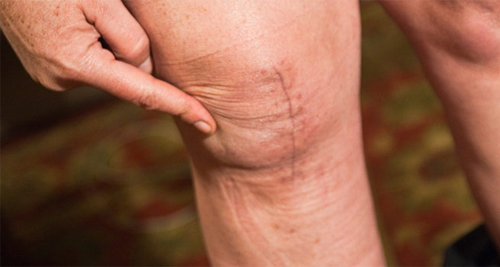
Diagnosis of Arthritis Diagnosis of arthritis involves a combination of clinical examination, medical history, blood tests, and imaging studies. Early diagnosis is crucial to limit joint damage and maintain mobility. 1. Medical History The doctor will ask about: 2. Physical Examination The doctor will check for: 3. Laboratory Tests Used to confirm the type of arthritis: 4. Imaging Tests In South Africa, public hospitals offer basic imaging and blood work, while private facilities provide more advanced diagnostics. Rural areas may have delays in diagnosis due to limited access to specialists. Once a diagnosis is confirmed, treatment can begin. 👉 [Next: Treatment for Arthritis] Blouberg Rheumatology and Arthritis Centre Rheumatologist Milnerton Arthritis Causes and Types of Arthritis Complications of Arthritis

Diagnosis of Arthritis Read More »

Treatment for Arthritis

Treatment for Arthritis

Treatment for Arthritis While there is no cure for most types of arthritis, treatment for arthritis focuses on relieving pain, reducing inflammation, improving function, and slowing disease progression. 1. Medications 2. Physical Therapy 3. Lifestyle Modifications 4. Assistive Devices 5. Surgery (in severe cases) In South Africa, access to medications and surgery varies between private and public sectors. NGOs and rehabilitation centres also play a role in long-term support. Let’s now explore the complications of arthritis if left untreated or poorly managed. 👉 [Next: Complications of Arthritis] Blouberg Rheumatology and Arthritis Centre Rheumatologist Milnerton Causes and Types of Arthritis Arthritis Diagnosis of Arthritis

Treatment for Arthritis Read More »

Complications of Arthritis

Complications of Arthritis
Complications of Arthritis Without proper treatment, arthritis can lead to serious physical, emotional, and functional complications, some of which may be permanent. Learn more about the complications of arthritis below. 1. Joint Damage and Deformity 2. Loss of Mobility 3. Disability 4. Systemic Involvement (Autoimmune Arthritis) 5. Osteoporosis 6. Mental Health Struggles 7. Medication Side Effects Prevention of Complications With proper management, many people with arthritis live active, fulfilling lives. In South Africa, ongoing education and improved access to care are helping more people manage the condition successfully. 👉 End of Series | Back to Overview Blouberg Rheumatology and Arthritis Centre Rheumatologist Milnerton Causes and Types of Arthritis Diagnosis of Arthritis Treatment for Arthritis

Complications of Arthritis Read More »

Appendicitis

Appendicitis

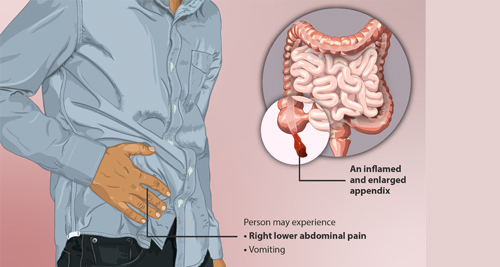
Appendicitis Overview Appendicitis is the inflammation of the appendix — a small, finger-shaped pouch attached to the large intestine on the lower right side of the abdomen. It is a medical emergency that often requires surgical removal of the appendix (an appendectomy) to prevent serious complications. This is one of the most common causes of abdominal pain requiring surgery, particularly among children, teens, and young adults, although it can occur at any age. Classic symptoms of appendicitis include: Because symptoms can vary, especially in young children, pregnant women, or the elderly, this is sometimes misdiagnosed as a stomach bug or urinary infection. Early diagnosis and treatment are critical — a ruptured appendix can lead to life-threatening infection (peritonitis). 👉 [Next: Causes and Risk Factors of Appendicitis] Causes and Risk Factors of Vision Loss Complications of Appendicitis Treatment for Appendicitis Diagnosis of Appendicitis

Appendicitis Read More »

Causes and Risk Factors of Appendicitis

Causes and Risk Factors of Appendicitis

Causes and Risk Factors of Appendicitis Appendicitis usually happens when the appendix becomes blocked, causing bacterial overgrowth, inflammation, and infection. If left untreated, the pressure builds up and may cause the appendix to burst. Let’s review some more about the causes and risk factors of appendicitis below. Common Causes of Appendix Blockage: Once blocked, the appendix becomes inflamed. Bacteria multiply rapidly, and the tissue may begin to die, leading to rupture. Risk Factors: In South Africa, delays in accessing emergency care may increase the risk of appendix rupture, especially in rural or underserved areas. Timely diagnosis is key to reducing complications. Let’s now explore how appendicitis is diagnosed by healthcare professionals. 👉 [Next: Diagnosis of Appendicitis] Diagnosis of Atherosclerosis Complications of Appendicitis Treatment for Appendicitis Appendicitis

Causes and Risk Factors of Appendicitis Read More »

Diagnosis of Appendicitis

Diagnosis of Appendicitis

Diagnosis of Appendicitis Accurate diagnosis of appendicitis is vital because other conditions can cause similar symptoms. Doctors confirm the diagnosis using a combination of a physical exam, medical history, blood tests, and imaging. 1. Medical History and Symptoms The doctor will ask about: 2. Physical Examination 3. Laboratory Tests 4. Imaging Studies Doctors must make a swift diagnosis, especially when they suspect a rupture. In many South African hospitals, they use CT and ultrasound to confirm the diagnosis before surgery, but in urgent cases, they may make the decision clinically without imaging. Let’s now look at how appendicitis is treated. 👉 [Next: Treatment for Appendicitis] Diagnosis and Testing for Bone Cancer Complications of Appendicitis Causes and Risk Factors of Appendicitis Appendicitis

Diagnosis of Appendicitis Read More »

Treatment for Appendicitis

Treatment for Appendicitis

Treatment for Appendicitis The main treatment for appendicitis is surgical removal of the appendix, known as an appendectomy. Early intervention prevents rupture and serious infection. 1. Surgery Most hospitals in South Africa offer both types, depending on resources and the severity of the case. 2. Antibiotics 3. Postoperative Care 4. Treatment for Appendicitis If the appendix has ruptured: Appendicitis is rarely fatal when treated early. Prompt surgery usually results in full recovery, with few long-term effects. Let’s now review the potential complications if treatment is delayed. 👉 [Next: Complications of Appendicitis] Dr Anthony Jackson Surgeon Foreshore Diagnosis of Appendicitis Appendicitis Causes and Risk Factors of Appendicitis

Treatment for Appendicitis Read More »

Complications of Appendicitis

Complications of Appendicitis

Complications of Appendicitis When appendicitis is not treated promptly, serious and life-threatening complications can occur. These highlight the importance of early diagnosis and emergency care. Let’s learn some more about the complications of appendicitis below. 1. Appendix Rupture 2. Peritonitis 3. Abscess Formation 4. Bowel Obstruction 5. Wound Infection or Surgical Complications 6. Fertility Issues (Rare) Preventing Complications With proper treatment, appendicitis rarely causes long-term harm. Most patients recover fully and lead normal, healthy lives. 👉 End of Series | Back to Overview Treatment Options for Brain Aneurysm) Treatment for Appendicitis Diagnosis of Appendicitis Causes and Risk Factors of Appendicitis

Complications of Appendicitis Read More »

Aphasia

Aphasia

Aphasia Overview Aphasia is a language disorder caused by damage to the parts of the brain responsible for communication. It affects a person’s ability to speak, understand speech, read, or write — without impairing intelligence. This often occurs suddenly after a stroke or head injury, but it can also develop gradually due to brain tumours or neurological diseases. This condition can be mild or severe. Some people may struggle to find the right words, while others may lose nearly all ability to communicate. The condition can be deeply frustrating for both the person affected and their loved ones. Common symptoms of aphasia include: This condition affects people differently depending on the location and extent of brain damage. While it does not affect intelligence, it often co-exists with other problems such as paralysis, memory issues, or emotional changes. 👉 [Next: Causes and Types of Aphasia] Better Your Life – Anxiety Therapist Life coach Chelmsford Diagnosis of Aphasia Complications of Aphasia Treatment and Recovery in Aphasia

Aphasia Read More »

Causes and Types of Aphasia

Causes and Types of Aphasia

Causes and Types of Aphasia Aphasia occurs when areas of the brain that control language processing — typically in the left hemisphere — are damaged. The severity and type of aphasia depend on which part of the brain is injured and how much damage occurred. Learn more over the causes and types of aphasia below. Main Causes Types of Aphasia Understanding the specific type of aphasia is important in creating a targeted treatment plan. 👉 [Next: Diagnosis of Aphasia] Understanding the Different Types of Psychologists in South Africa Aphasia Aphasia Complications of Aphasia Treatment and Recovery in Aphasia

Causes and Types of Aphasia Read More »

Scroll to Top