Mental Matters

Health Conditions

Find information on various health conditions affecting people of all ages. This category covers causes, symptoms, diagnosis, and management options for physical illnesses and chronic diseases. Get insights to help you understand different health challenges and make informed decisions about your wellbeing.

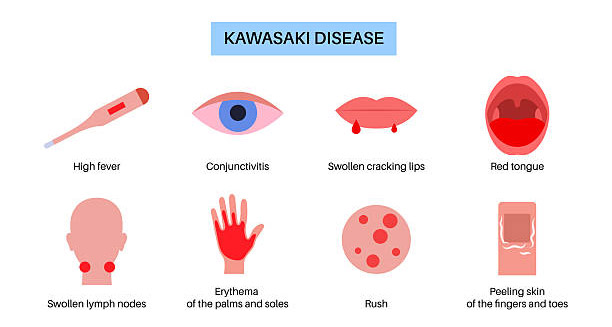
Illustration showing common symptoms of Kawasaki Disease including fever, rash, and red eyes

Symptoms of Kawasaki Disease

Kawasaki disease is characterised by a distinct set of symptoms that typically evolve in three phases: acute, subacute, and convalescent. The most common and first symptom is a high fever that doesn’t go away with regular fever medicine. But this illness also causes many other signs. These signs can affect the skin, eyes, mouth, lymph nodes, and heart. Knowing these signs well helps with early treatment, which lowers the risk of serious heart problems. Children with Kawasaki disease often look very unwell. They may feel tired, upset, and uncomfortable. Since many early signs look like viral infections, the disease can be hard to catch at first. But the mix of specific symptoms helps doctors tell it apart from other illnesses. 1. Persistent High Fever The first and most clear sign is a fever that lasts more than five days. It usually stays above 38.5°C and can even reach 40°C. Unlike other childhood fevers, this one doesn’t respond to paracetamol or ibuprofen. The child may also be very cranky and tired. Sleep problems are common. Many parents bring their child to the doctor because of this long, high fever. 2. Red Eyes (Conjunctival Injection) Another early sign is red eyes without pus. Both eyes look bloodshot, but there’s no sticky discharge like in infections. This often starts a few days after the fever. The eyes don’t usually hurt. The redness may last for several days. Although it fades on its own, it’s an important clue when seen with other signs. 3. Mouth and Tongue Changes The mouth and lips change in clear ways. Common signs include: These changes often make it hard for the child to eat or drink. The strawberry tongue is a strong sign of Kawasaki disease and appears in only a few other illnesses. 4. Rash Many children get a rash within the first few days. It can look different in each case. Some rashes are flat with raised bumps, while others look like scarlet fever or hives. It usually starts on the chest or belly and can spread to the arms, legs, or face. It might itch a little, but it doesn’t usually peel or blister at this stage. The rash helps confirm the diagnosis when seen with other signs. 5. Hand and Foot Changes The hands and feet are often affected too. Look for: These changes may cause pain. Some kids may even stop walking due to discomfort. 6. Swollen Neck Glands Swollen lymph nodes in the neck are another common sign. Usually, just one large node is involved, more than 1.5 cm wide. It’s often on one side and may hurt to touch. Though neck swelling is seen in many infections, it’s more telling when combined with other symptoms of Kawasaki disease. 7. Stomach and Gut Symptoms Some children also have stomach issues early on. These may include: These signs are not specific, which can make early diagnosis harder. Sometimes, the pain may look like appendicitis and lead to surgery by mistake. 8. Heart-Related Symptoms of Kawasaki Disease Even if heart problems don’t show at first, they often appear in the second phase of the illness. These may include: While most kids don’t show early heart symptoms, some may have chest pain, tiredness, or shortness of breath later on. These signs mean the child needs urgent heart tests. 9. Other Possible Signs Kawasaki disease can also cause: Doctors look at the full picture of symptoms. No one sign can confirm it alone. But the group of signs makes the diagnosis much clearer. 10. Phases of Symptom Progression The symptoms of Kawasaki disease appear in three main phases: a) Acute Phase (Days 1–14)High fever, red eyes, rash, mouth changes, and swollen glands are present. b) Subacute Phase (Days 15–30)Fever fades, but peeling skin, crankiness, and heart problems may begin. c) Convalescent Phase (Weeks 4–8)All visible symptoms go away. Blood test results also return to normal. However, heart monitoring is still important. Final Thoughts Spotting the symptoms of Kawasaki disease early is the key to getting treatment in time. Though each sign might look like other childhood illnesses, the full group of signs—especially if they don’t respond to usual medicine—points clearly to Kawasaki disease. The mix of long-lasting fever, red eyes, mouth changes, rash, swollen neck glands, and hand or foot symptoms should lead to urgent testing and care. Doctors, parents, and emergency teams should all stay alert—especially for children under five. [Next: Diagnosis of Kawasaki Disease →]

Symptoms of Kawasaki Disease Read More »

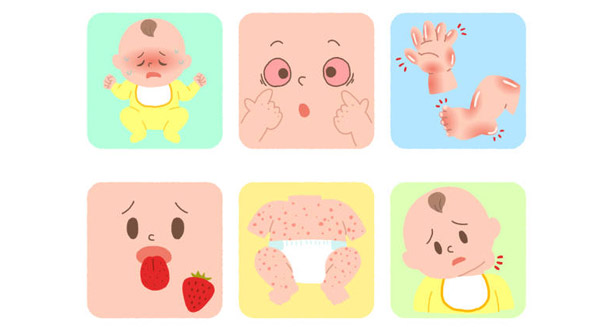
Cartoon showing visual signs used in diagnosing Kawasaki Disease in infants

Diagnosis of Kawasaki Disease

The diagnosis of Kawasaki disease is primarily clinical, based on a defined set of signs and symptoms rather than a single confirmatory test. Doctors must rely on clear signs because there is no single test to confirm the condition. This makes it harder to spot, especially since Kawasaki disease can look like common infections in children. But early diagnosis is vital. If treatment begins within the first 10 days, it can prevent serious heart problems. Doctors must watch closely for key symptoms and follow standard guidelines. These help identify the illness even when it doesn’t appear obvious at first. Even though tests and scans can support the diagnosis, the most important part is careful observation. Looking at how symptoms appear and change over time helps doctors make the right call. 1. Diagnostic Criteria Doctors around the world use a standard set of signs to diagnose Kawasaki disease. These rules come from the American Heart Association and are used in many countries. To make the diagnosis, a child must have: Sometimes, a child with all the symptoms but a shorter fever can still be diagnosed. Likewise, a child with fewer than four signs may still have Kawasaki disease if other evidence supports it. 2. Incomplete or Atypical Kawasaki Disease Not all children show the full list of symptoms. Incomplete Kawasaki disease is more common in babies under six months and older kids. Their signs might be mild or unclear. These cases are more risky because they are often diagnosed late. This can lead to missed treatments and heart problems. Doctors must stay alert. They may use extra tests and scans to confirm the condition and start treatment quickly. 3. Lab Tests to Support Diagnosis of Kawasaki Disease No single blood test can confirm the disease. Still, several tests can support the diagnosis and check how much inflammation is present: These tests are helpful, but only when used with symptoms and other findings. 4. Echocardiography Heart ultrasound (echocardiogram) is one of the most important tools for diagnosing Kawasaki disease. It is safe and painless. It helps doctors look for: Doctors should do this scan as soon as they think the child has Kawasaki disease, even before treatment begins. Follow-up scans are done at two and six weeks to check for changes. If the heart arteries can’t be seen clearly, other scans like CT or MRI may be used. 5. Conditions That Mimic Kawasaki Disease Many other illnesses can look like Kawasaki disease. This makes diagnosis harder. Some of the most common lookalikes include: Doctors take a full history and do extra tests to rule out these other problems. But if they strongly suspect Kawasaki disease, they should not wait too long for lab confirmation. Early treatment is more important, especially if the heart is already affected. 6. Specialist Help in Diagnosis of Kawasaki Disease In unclear cases, it’s smart to call in specialists. These might include: Referral is especially helpful when: In some hospitals, a team of doctors works together to spot and treat Kawasaki disease early. 7. New Tests and Research Scientists are working to find better ways to diagnose Kawasaki disease faster. Some new blood tests may help tell it apart from other illnesses. These include: These tests are still being studied and not used everywhere yet. In the future, they may help doctors find high-risk kids sooner. Researchers are also studying genes. This may lead to tools that predict which kids might get the disease before symptoms even begin. 8. Why Early Diagnosis Matters Time is critical. Giving IVIG within the first 10 days lowers the chance of heart artery problems. The sooner treatment begins, the better the outcome. Late or missed diagnoses—especially in incomplete cases—cause most of the severe heart issues. That’s why doctors should always consider Kawasaki disease if the symptoms fit, and act quickly when needed. Final Thoughts The diagnosis of Kawasaki disease takes close attention to symptoms, blood test results, and heart scans. There is no single test to confirm it. That’s why quick thinking and experience matter so much. Delays in treatment can cause lasting heart damage. But with early care, most kids recover fully. As new tools are developed, diagnosing Kawasaki disease may get easier. Until then, doctors must rely on trusted signs, careful checks, and a clear understanding of how the disease shows up in different children. [Next: Treatment of Kawasaki Disease →]

Diagnosis of Kawasaki Disease Read More »

Syringe with DNA strand and virus icon symbolising Kawasaki Disease treatment

Treatment of Kawasakvi Disease

The treatment of Kawasaki disease is a medical priority, as the condition can lead to serious complications if not addressed swiftly—particularly coronary artery aneurysms. Treating it early—within the first 10 days—lowers the chance of heart problems later on. The main goal is to calm the strong inflammation that affects the blood vessels, especially the ones that supply the heart. Other goals include lowering the fever, easing symptoms, and keeping the heart healthy in the long run. Doctors use a mix of medicines, supportive care, and regular follow-ups with heart experts. These steps have greatly improved how children recover. But early diagnosis still plays the biggest role in helping kids get better. 1. First-Line Treatment: Intravenous Immunoglobulin (IVIG) The most important treatment of Kawasaki disease is intravenous immunoglobulin (IVIG). It’s usually given as one large dose—2 grams per kilogram—over 10 to 12 hours. Doctors try to give IVIG within the first 10 days of illness. Even if given later, it can still help if the child has symptoms or inflammation. IVIG works by calming the immune system and lowering body-wide inflammation. It helps fast—over 85% of children feel better within 36 hours, and their fever goes down. This treatment also cuts the risk of heart artery problems from 25% to under 5%. If the fever doesn’t go away within 36 hours, doctors may give another dose or try different treatments. 2. Aspirin Therapy Aspirin plays a big role in treating Kawasaki disease. Though doctors usually avoid aspirin in children, it’s safe here under medical care. Aspirin helps in two ways: If the child has no signs of artery issues, aspirin may be stopped after 6–8 weeks. But if aneurysms are present, they may need to stay on aspirin longer or even add other blood-thinning medicines. 3. Corticosteroids in Treatment of Kawasaki Disease Doctors now use steroids in some cases to improve recovery. Corticosteroids like prednisolone or methylprednisolone are helpful when: Steroids slow down the immune system’s attack and ease swelling in the vessels. When given early with IVIG, they can lower the chances of heart artery problems. 4. Handling IVIG-Resistant Kawasaki Disease Around 10–15% of children don’t respond to the first IVIG treatment. These children need extra help. Treatment may include: These children need close heart checks, as they have a higher risk of artery problems. 5. Supportive Care Besides the main treatments, supportive care makes a big difference. This includes: Most kids stay in the hospital for 3–7 days, depending on how sick they are and how fast they recover. 6. Heart Monitoring and Follow-Up Because the disease can harm the heart, doctors keep checking the heart for weeks or months afterward. This includes: Kids with big aneurysms may need checkups even as teens or adults. They also need heart-healthy habits and may take medicine long-term to protect their hearts. 7. Exercise and Activity Most children can go back to playing and school once the fever is gone and they stop high-dose aspirin. But those with artery problems must avoid heavy exercise for a while. Doctors will guide the family based on the child’s heart condition. 8. Vaccine Timing After Treatment of Kawasaki Disease Kids who get IVIG need to wait before getting live vaccines like MMR or chickenpox. The delay is about 11 months. This is because IVIG can affect how well vaccines work. Other vaccines can usually stay on schedule. Talk to your child’s doctor to plan the right timing. 9. Helping Parents Understand and Cope Having a child with Kawasaki disease is stressful. Parents need clear support. Doctors should give: Both paediatricians and heart doctors work closely with families throughout recovery. Final Thoughts The treatment of Kawasaki disease has come a long way, and when started early, it works very well. IVIG and aspirin remain the most effective tools. Steroids and newer immune medicines help in harder cases. But recovery isn’t just about medicine. A full care plan—including regular heart checks, family support, and planning for the future—is key to helping children heal. Most children recover well and return to normal life, thanks to early and thorough care. [Next: Complications of Kawasaki Disease →]

Treatment of Kawasakvi Disease Read More »

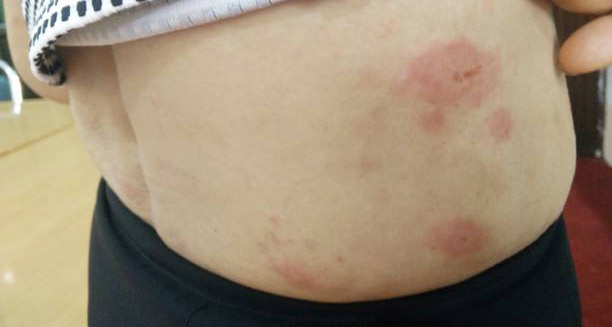
Red circular skin rashes on the abdomen indicating complications of Kawasaki Disease

Complications of Kawasaki Disease

The complications of Kawasaki disease can be significant and, in some cases, life-threatening if the condition is not identified and treated promptly. Most children get better if treated early. Still, Kawasaki disease remains a top cause of heart problems in kids in developed countries. It can harm the coronary arteries—the ones that bring blood to the heart. That’s why regular check-ups are very important for months or even years after diagnosis. Doctors use IVIG and aspirin to reduce risks. These treatments help a lot. But if doctors diagnose the disease late or if the child doesn’t respond well, serious problems can still happen. These issues usually fall into two groups: heart-related or not. 1. Coronary Artery Aneurysms (CAAs) One of the most serious issues is coronary artery aneurysms. These are bulges in the coronary arteries caused by swelling and damage. They often show up 1 to 4 weeks after the disease starts. They’re more common in kids who don’t get treatment quickly or don’t respond to it. Small aneurysms (under 5 mm) may go away on their own.Medium ones (5–8 mm) might also shrink, but doctors need to watch them over time.Large aneurysms (over 8 mm) are more dangerous. They can lead to clots, narrowed arteries, or even breaks in the artery wall. These raise the risk of heart attacks, especially in older kids. Regular heart scans and blood-thinning medicine are often needed. 2. Myocarditis and Pericarditis Some children with Kawasaki disease get myocarditis. This means the heart muscle becomes swollen, which can lower heart function. Signs include fast breathing, tiredness, poor feeding, and low blood pressure. Others may get pericarditis, or swelling around the heart. This can cause chest pain, fussiness, or fluid around the heart. Treatment usually helps these problems go away, but they can get worse without care. 3. Valvular Heart Disease The disease can also affect heart valves. This often causes mitral regurgitation, where one valve leaks a little. It’s usually mild and goes away, but doctors may need to keep an eye on it. In rare cases, surgery is needed. 4. Arrhythmias and Conduction Problems Some children develop abnormal heart rhythms. These can include: These are usually short-term and don’t cause symptoms. Still, doctors may check with ECGs, especially if kids feel dizzy or faint. 5. Thrombosis and Heart Attacks Large aneurysms can lead to blood clots. If a clot blocks an artery, it can cause a heart attack. This is rare in children but very serious. Kids may show signs like sudden tiredness, chest pain, throwing up, or acting restless. Quick treatment with blood thinners or surgery is key in these cases. 6. Peripheral Artery Aneurysms Sometimes, aneurysms show up in other arteries, like in the arms or legs. These are not as dangerous as heart-related ones but still need checking. Doctors often find them using ultrasound. 7. Recurrence of Kawasaki Disease Kawasaki disease can come back, though it’s not common. It happens in about 1–3% of kids. The second time may be harder to notice and could bring more heart risks. Parents should know it can return and seek help fast if symptoms appear again. 8. Hearing Loss Some studies show that a few children may lose hearing after Kawasaki disease. This may happen due to swelling or changes in blood flow to the inner ear. Kids who had a tough case might need a hearing test. 9. Neurocognitive and Emotional Effects Though Kawasaki disease mainly affects the heart, it may also impact a child’s brain and mood. Some kids may: These problems are often short-term. Still, parents and teachers should watch for any changes, especially if the child had a long illness or hospital stay. 10. Complications from Treatment The treatments for Kawasaki disease help a lot but can have side effects. Doctors monitor kids closely to keep them safe while on these medicines. 11. Long-Term Cardiac Follow-Up If a child had heart problems during Kawasaki disease, long-term care is crucial. Follow-up may include: Children with large aneurysms or past heart attacks face higher heart risks later in life. These kids need healthy diets, exercise plans, and sometimes limits on intense activity. Final Thoughts The complications of Kawasaki disease span a wide spectrum, from mild and temporary to severe and life-altering. Modern care helps reduce most serious risks. Still, it’s key to catch the disease early and follow up with care. Knowing what to watch for helps doctors support families and protect children’s hearts. With the right care, most kids fully recover and live healthy lives. [Next: Back to Overview →]

Complications of Kawasaki Disease Read More »

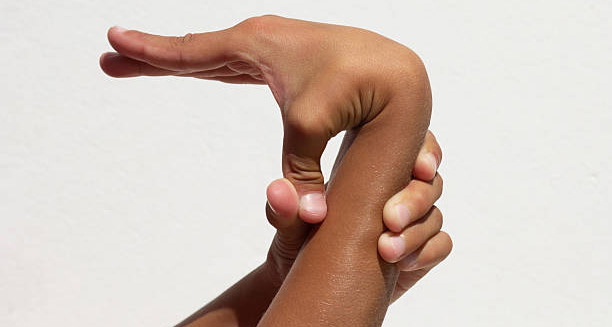
Close-up of hyperextended thumbs showing signs of joint hypermobility syndrome

Overview of Joint Hypermobility Syndrome

Joint hypermobility syndrome is a connective tissue disorder characterised by joints that move beyond the normal range of motion. People with this syndrome can bend their fingers, elbows, knees, or other joints unusually far without pain or damage in early life. However, over time, this extreme flexibility can cause joint pain, instability, fatigue, and many musculoskeletal problems. It differs from generalised joint hypermobility, which happens in healthy individuals without symptoms. Hypermobility itself is common—especially in children, dancers, gymnasts, and those of Asian or African descent. But joint hypermobility syndrome refers to cases where hypermobility causes chronic pain, stiffness, and symptoms that disrupt daily life. It is a heritable connective tissue disorder and may overlap with or resemble conditions like Ehlers-Danlos syndrome (hypermobility type). Collagen, a key protein in ligaments, tendons, and skin, plays a big role in joint hypermobility. In those with the syndrome, collagen is often weaker or more elastic than normal. This causes joints to stretch too far. This elasticity may affect not only joints but also skin, blood vessels, and internal organs. So, the syndrome is a systemic condition, not just a musculoskeletal issue. Epidemiology and Terminology of Joint Hypermobility Syndrome The prevalence of joint hypermobility syndrome varies greatly based on ethnicity, age, sex, and diagnostic methods. It appears more in females than males. Many cases begin in childhood or adolescence, but some are diagnosed only in adulthood when symptoms worsen. Generalised joint hypermobility affects 10–30% of people, but only some develop chronic symptoms of the syndrome. Genetic and cultural factors influence how common it is. For example, children of Indian, Chinese, or African heritage often have more flexible joints, usually without problems. Awareness has increased, so diagnosis has improved. Rheumatologists, physiotherapists, and paediatricians now better recognise unexplained pain, fatigue, or recurring injuries in young patients, which may once have been mistaken for growing pains or psychological issues. The term “Benign Joint Hypermobility Syndrome” (BJHS) was common but is now less used. In 2017, experts introduced “Hypermobility Spectrum Disorders” (HSD) to describe a range of hypermobility-related problems. Hypermobile Ehlers-Danlos Syndrome (hEDS) sits at the severe end of this spectrum. This change shows that hypermobility conditions exist on a continuum. Many people have chronic joint pain, dislocations, or soft tissue injuries with hypermobility but do not meet criteria for hEDS. They usually get diagnosed with joint hypermobility syndrome or HSD. Despite terminology differences, the main idea remains: joint hypermobility with lasting symptoms needs careful diagnosis, treatment, and lifestyle changes. Common Signs and Impact of Joint Hypermobility Syndrome Besides flexible joints, people with joint hypermobility syndrome often have: Children may face trouble with handwriting, coordination, or physical education, which can cause frustration or low self-esteem. Adults may be misdiagnosed with fibromyalgia, chronic fatigue syndrome, or depression because of the chronic pain and emotional effects. The syndrome may also overlap with Postural Orthostatic Tachycardia Syndrome (POTS) and other autonomic problems, creating a complex clinical picture. This overlap calls for thorough, multidisciplinary assessments. Daily life impact ranges widely. Some have mild symptoms and live active lives. Others suffer severe pain, limited function, and frequent injuries that disrupt work, exercise, and routine tasks. Fatigue and poor sleep are common and reduce quality of life. These factors can increase anxiety and depression risk. Children may struggle academically due to exhaustion, pain, or difficulty writing or sitting still. Socially, people with visible hypermobility sometimes face disbelief. Others feel misunderstood when tests appear normal despite real symptoms. Early diagnosis, validation, and proper management can prevent disability and psychological distress for those with joint hypermobility syndrome. Multidisciplinary Care for Joint Hypermobility Syndrome Managing joint hypermobility syndrome often needs several healthcare professionals. Rheumatologists usually handle diagnosis, but physiotherapists, occupational therapists, pain specialists, and gastroenterologists may also be involved. This team approach ensures patients get care that addresses both their physical and emotional needs. Joint hypermobility syndrome is a complex and often misunderstood condition that goes beyond flexible joints. Many live a lifelong challenge managing pain, fatigue, and instability. Once thought to be “benign,” it now gains recognition as a real medical condition needing careful care. With growing awareness, more people receive early diagnosis, timely support, and tailored therapies. These steps help improve symptoms and quality of life for those affected by joint hypermobility syndrome. [Next: Causes of Joint Hypermobility Syndrome →]

Overview of Joint Hypermobility Syndrome Read More »

Illustration comparing a hypermobile foot and a normal foot in Joint Hypermobility Syndrome

Causes of Joint Hypermobility Syndrome

Joint hypermobility syndrome is primarily caused by inherited variations in connective tissue structure and function, most notably involving collagen—the primary protein responsible for the strength and elasticity of ligaments and tendons. Individuals with joint hypermobility syndrome tend to have looser, more elastic connective tissue, which permits excessive joint movement but offers less stability. While hypermobility itself may be harmless or even advantageous in specific contexts, such as gymnastics or ballet, the syndrome refers to cases where hypermobility leads to chronic symptoms like pain, fatigue, and functional impairment. The causes of joint hypermobility syndrome are complex and often linked to genetics, but other factors such as age, gender, ethnicity, and individual body makeup also influence it. Some people inherit joint laxity without symptoms. Others suffer disabling problems even with only mild flexibility. Knowing these causes helps doctors and patients detect the syndrome early and manage it well. Genetic and Collagen Factors in Joint Hypermobility Syndrome The most established cause of joint hypermobility syndrome is genetic. Many cases run in families, showing a clear genetic link. Several genes likely affect how collagen and elastin fibers form and organize in connective tissues. When these proteins are more elastic or less strong than normal, ligaments and tendons loosen. Joint hypermobility syndrome is different from genetic disorders like Ehlers-Danlos syndrome (hypermobility type), but their symptoms can overlap. Ehlers-Danlos syndromes affect collagen production. Joint hypermobility syndrome may involve milder or different mutations that cause widespread symptoms without a full disorder diagnosis. Multiple family members, especially close relatives, may show similar flexibility or joint problems. This suggests the syndrome follows an inherited pattern, possibly autosomal dominant or polygenic. However, no single gene has been pinpointed for joint hypermobility syndrome. At the molecular level, abnormalities in type I and type III collagen play a major role. These collagens provide strength to ligaments, skin, and organs. When collagen is less dense or disorganized, tissues stretch more than usual. This causes: Over time, overextension leads to joint wear, pain, and soft tissue damage. It can also cause proprioceptive problems, where the brain struggles to sense joint position, increasing injury risk. In some people, other connective tissues like skin, blood vessels, and the gut lining show subtle changes. This explains symptoms like easy bruising, digestive problems, and nervous system issues seen in joint hypermobility syndrome. How Age and Hormones Affect Causes of Joint Hypermobility Syndrome Age is another important factor. Children and teens are naturally more flexible because their bodies are still growing. Usually, flexibility decreases with age as collagen stiffens and muscles strengthen. But in joint hypermobility syndrome, excess movement may persist or worsen. Children with the syndrome often seem very “bendy.” Parents may notice tricks like bending thumbs back or unusual sitting positions. While these may seem harmless, many develop pain, fatigue, or coordination problems as they grow, especially during growth spurts. Adults may find symptoms stay the same or get worse. Aging stiffens ligaments, which can ease symptoms for some. For others, years of joint strain cause pain and instability. Gender also plays a role. Women are much more likely to have joint hypermobility syndrome than men, possibly three times more. This difference relates partly to collagen differences but also to hormones, especially estrogen. Estrogen affects tissue elasticity. Its changes during menstrual cycles, pregnancy, or menopause can worsen joint instability. Pregnancy raises relaxin, a hormone that loosens ligaments for childbirth. This can increase back pain, pelvic pain, and even risks like early labor in women with the syndrome. Understanding these hormonal effects helps doctors plan treatments with physiotherapy, hormone management, and support during key life stages. [Next: Symptoms of Joint Hypermobility Syndrome →]

Causes of Joint Hypermobility Syndrome Read More »

Woman demonstrating hyperextension of the elbow, a symptom of Joint Hypermobility Syndrome

Symptoms of Joint Hypermobility Syndrome

Joint hypermobility syndrome is associated with a broad and often unpredictable range of symptoms, which can affect multiple systems in the body. These signs go far beyond just having flexible joints. They often include daily pain, tiredness, soft tissue injuries, and different nerve or gut problems. Many people with joint hypermobility syndrome don’t know that their long list of issues comes from one root cause—loose connective tissue. Because of this, they may spend years looking for answers before getting a proper diagnosis. Symptoms differ a lot from one person to another. They may also change with time. Some people barely notice them. Others, however, face serious problems that affect both their body and mind. This wide range makes symptoms of joint hypermobility syndrome hard to spot and even harder to manage. Musculoskeletal Symptoms in Joint Hypermobility Syndrome Most of the main symptoms of joint hypermobility syndrome involve the muscles and joints. People often deal with: Since the muscles and soft tissues are always under pressure, many people also have poor posture and low energy. They may rely more and more on painkillers. The pain often spreads across the body and can be hard to pinpoint. This can lead doctors to suspect other problems, such as fibromyalgia. Joint Instability, Poor Balance, and Symptoms of Joint Hypermobility Syndrome Loose joints can feel unstable all the time or only sometimes. This often shows up as: Children with the condition may have trouble doing normal schoolwork. For example, writing, gym class, or carrying a school bag may be difficult. Because of this, they may feel embarrassed or get wrongly labeled as lazy or distracted. Fatigue and Sleep Trouble in Symptoms of Joint Hypermobility Syndrome Many people with this condition feel very tired all the time. This type of tiredness doesn’t match how active they’ve been. One reason for this may be the extra muscle work needed to support loose joints. Another reason could be poor sleep or the body trying to heal tiny injuries nonstop. Common problems include: Fatigue often overlaps with chronic fatigue syndrome. In fact, many people with joint hypermobility syndrome also meet the rules for that diagnosis. Nerve and Heart-Related Issues Doctors now better understand that joint hypermobility syndrome connects to problems in the body’s automatic systems, known as dysautonomia. These issues may lead to: Some people also feel burning, tingling, or numb pain, which comes from the nerves. These types of symptoms often send patients to heart or brain doctors before anyone checks for connective tissue issues. Gut Problems Caused by Symptoms of Joint Hypermobility Syndrome Digestive issues are common in people with this condition. These may include: Loose tissues in the gut may cause poor movement of food. Stress, tiredness, and food choices can make symptoms worse. This cycle can lead to daily struggles with eating and digestion. Skin, Teeth, and Other Body Clues Some signs of joint hypermobility syndrome show up in the skin, gums, or other body systems. These include: These clues may seem small or cosmetic. But when added to the full set of symptoms, they help doctors see the full picture. Emotional and Mental Struggles from Symptoms of Joint Hypermobility Syndrome The body symptoms tell only part of the story. This condition also affects mental health. Common feelings include: Often, people go through many medical visits, tests, and wrong diagnoses before they find out that joint hypermobility syndrome is the cause. This long wait can make people feel ignored or even doubted. These feelings can deepen emotional stress. Final Thoughts The symptoms of joint hypermobility syndrome affect many parts of life. While flexible joints are the most visible sign, the condition actually touches muscles, nerves, the gut, and even mental health. Learning how to spot and treat this complex problem is key for doctors, patients, and loved ones. With the right diagnosis and care plan, people can feel better and take back control of their lives. [Next: Diagnosis of Joint Hypermobility Syndrome →]

Symptoms of Joint Hypermobility Syndrome Read More »

Doctor examining a child’s hypermobile elbow joint for signs of joint hypermobility syndrome

Diagnosis of Joint Hypermobility Syndrome

Joint hypermobility syndrome can be particularly challenging to diagnose due to its wide-ranging symptoms, overlapping features with other disorders, and general lack of awareness among healthcare professionals. In many cases, people with the condition visit several doctors before they get the right diagnosis. Getting diagnosed early helps patients manage symptoms better and avoid problems later. However, the process often feels long and frustrating. Doctors mostly rely on clinical judgement to identify the condition. There isn’t one lab test or scan that can confirm it. Instead, the diagnosis comes from a full medical history, a hands-on physical exam, and clear diagnostic tools. These tools check how flexible the joints are and what other symptoms are present. Clinical History and Symptom Review The first step is reviewing the person’s health history in detail. This includes both personal and family medical backgrounds. Doctors look for patterns, such as frequent sprains, joint pain, or soft tissue injuries. Other clues include: Doctors also ask how the symptoms affect everyday life. They consider emotional health, school or job challenges, and limits on physical activity. This full-picture view helps tell the difference between a general joint issue and Diagnosis of Joint Hypermobility Syndrome. Physical Examination in Diagnosis of Joint Hypermobility Syndrome A detailed physical check-up is key to diagnosing the condition. During this exam, doctors test joint movement, skin stretch, muscle tone, and balance. One common tool is the Beighton Score. This 9-point checklist looks at how flexible the joints are: A total score of 5 or more in adults or 6 or more in kids usually means the person has flexible joints. Still, this score alone doesn’t confirm Diagnosis of Joint Hypermobility Syndrome. Doctors must also look at symptoms and other signs. Other parts of the exam may include: All these steps help doctors understand how joint flexibility affects daily life. Brighton Criteria for Confirming Diagnosis To confirm the diagnosis, many doctors use the Brighton Criteria. These guidelines expand on the Beighton Score by including more symptoms. The criteria are divided into two main groups: Major Criteria: Minor Criteria: Doctors diagnose Diagnosis of Joint Hypermobility Syndrome when someone has two major criteria, one major and two minor, or at least four minor ones. These rules help include both joint and body-wide symptoms. They are especially helpful for adults since joint flexibility tends to decrease with age. Differential Diagnosis and Overlapping Conditions Because symptoms vary so much, the condition can look like other health issues. So, doctors need to rule out similar problems. Some common ones include: To get a full picture, doctors often work with specialists like rheumatologists or geneticists. This team approach makes it easier to reach the right Diagnosis of Joint Hypermobility Syndrome. Supporting Tests and Imaging Although there isn’t a test that confirms the condition, doctors may still run some checks. These help rule out other illnesses and offer more clues. Common tests include: These tests don’t prove anything on their own. Still, they add helpful details that support the final diagnosis. Paediatric Diagnosis of Joint Hypermobility Syndrome Diagnosing children can be even harder. Kids usually have more flexible joints, and they may not explain their symptoms clearly. Many children get labelled as “clumsy” or are told they’ll grow out of it. However, early diagnosis can stop long-term issues like joint damage, tiredness, or poor self-esteem. Doctors look for: By using age-specific tools and careful interviews, doctors can find signs of Diagnosis of Joint Hypermobility Syndrome early. This helps get kids the care they need, such as physical therapy or lifestyle changes. Final Thoughts on Diagnosis of Joint Hypermobility Syndrome Finding out if someone has Diagnosis of Joint Hypermobility Syndrome takes time and care. Doctors must look at the full picture—history, exam, symptoms, and test results. Tools like the Beighton and Brighton criteria are useful but should be used wisely and with judgement. Since no single test confirms it, patient stories matter just as much. While more doctors are becoming aware, many patients still face delays. Teaching healthcare workers how to spot the signs is the best way to make sure patients get early help and the right support. [Next: Treatment of Joint Hypermobility Syndrome →]

Diagnosis of Joint Hypermobility Syndrome Read More »

Medical professional examining a child’s inflamed knee for joint hypermobility syndrome treatment

Treatment of Joint Hypermobility Syndrome

Joint hypermobility syndrome does not have a single cure, but with early intervention and a tailored management plan, many people find significant relief from their symptoms. Because joint hypermobility syndrome shows up in so many ways—from muscle and joint pain to stomach problems and nerve-related issues—treatment needs to be personalised. It also often involves a team of professionals. Most plans include physical therapy, help with pain, emotional support, lifestyle changes, and sometimes medication for specific problems. The main aim is to improve how the body works, ease pain, prevent injuries, and improve overall well-being. While this condition lasts a lifetime, many people can still live full and active lives if they follow the right plan and get the help they need. Physiotherapy and Exercise for Treatment of Joint Hypermobility Syndrome Physiotherapy is the key part of managing joint hypermobility syndrome. A trained physiotherapist who understands the condition can build a program based on each person’s needs and abilities. Goals usually include: Gentle exercises like Pilates, yoga, swimming, and tai chi work well for most people. These help improve core strength, balance, and movement control without hurting the joints. However, it’s important to start slowly. People should listen to their bodies and avoid pushing through pain or tiredness. Rest periods are just as important. Some people feel better using tape or braces during certain tasks. These offer extra support to joints that feel weak. Still, overusing these supports can make muscles weaker in the long run, so they should be used wisely. Pain Management Techniques Chronic pain affects many people with this condition. Treating it takes a wide approach, using both medicine and other methods. a) MedicationsDoctors may suggest: Doctors usually avoid long-term opioid use. These drugs can cause dependency and don’t work well for lasting joint or muscle pain. b) Non-Medical MethodsSeveral non-drug options help reduce pain: Pain clinics or teams with different experts can build strong plans, especially for people dealing with severe or wide-spread pain. Everyday Support and Occupational Therapy Occupational therapists help people change daily routines to reduce stress on joints. They work by: Children may need special help at school. Chairs with support, breaks during writing, or changes in gym class may make a big difference. Emotional Help and Mental Health Support Living with joint hypermobility syndrome brings emotional challenges. Since the condition is long-term and often misunderstood, it can lead to stress, sadness, or low confidence. Emotional support plays a big role—not just in coping, but also in managing pain. Cognitive behavioural therapy (CBT) works well to change negative thoughts and handle health worries. It also helps people deal better with pain. Another helpful method is acceptance and commitment therapy (ACT), which teaches people how to live well even when symptoms don’t go away. Support groups—both in person and online—help people feel less alone. Sharing stories and advice often lifts emotional burdens. Support becomes even more important for young people. They may find it hard to keep up with others or feel shy about their limits. Managing Body Systems Affected by the Condition People with this condition often struggle with gut or nerve-related problems. They may need to see a stomach or heart specialist. But some simple steps can help manage these issues. a) Gut IssuesFor stomach problems, try: b) Nerve-Related SymptomsTo help with nerve system problems: Also, simple habits like getting up slowly or keeping a steady sleep schedule can make symptoms easier to handle. Medical Visits and Team-Based Care Because this condition affects many body systems, different types of doctors may need to get involved, including: A team approach ensures no part of the condition gets ignored. It also stops patients from getting repeated or clashing treatments. Learning and Taking Charge of Your Care Teaching people about joint hypermobility syndrome helps them manage it better. When patients know how the condition works, they can take smart steps to stay safe, handle flare-ups, and ask for the care they need. Support groups, useful websites, and custom self-help plans offer great tools. Here’s how people can take charge: It’s also important that people around the patient—like teachers, parents, or bosses—understand the condition. Their support can make everyday life much easier. Final Thoughts on Treatment of Joint Hypermobility Syndrome Treating joint hypermobility syndrome takes a full-body, person-focused approach. While no single cure exists, mixing physical therapy, daily changes, pain support, and emotional care helps a lot. These steps boost the chance of living well and staying active. Thanks to growing awareness, more doctors are now learning how to diagnose and treat this condition early. This means future patients will get help sooner and with better results. [Next: Complications of Joint Hypermobility Syndrome →]

Treatment of Joint Hypermobility Syndrome Read More »

Hand demonstrating extreme flexibility, indicating joint hypermobility syndrome complications

Complications of Joint Hypermobility Syndrome

Joint hypermobility syndrome can lead to a range of complications that significantly impact quality of life if left unmanaged. Musculoskeletal Complications The first and most obvious problems appear in the joints, muscles, and soft tissues. These often include: a) Joint Instability and Dislocations Joints can often move out of place, either fully or partly. This happens most often in the shoulders, knees, and fingers. Over time, this can cause: As this keeps happening, people may start using braces too often. This can lead to joint changes that don’t heal the right way. b) Chronic Pain Ongoing pain in the joints and muscles is very common. It usually gets worse with daily tasks, stress, or hormone shifts. This pain often comes from: Pain can spread and become more intense over time. This can make it harder to treat and more exhausting to manage. c) Muscle Weakness and Tiredness Because movement often causes pain, people tend to avoid activity. As a result, muscles get weaker. Endurance drops. The joints lose support. In bad cases, even small tasks feel too hard without help. Fatigue and Energy Problems One of the most overlooked complications of joint hypermobility syndrome is extreme tiredness. This isn’t just normal tiredness—it’s the kind that makes it hard to think, move, or focus. It may be due to: People often say they feel “foggy” or can’t finish simple jobs. If they don’t pace themselves or get help, this can lead to more fatigue and worse symptoms over time. Gastrointestinal Issues Many people with joint hypermobility syndrome also deal with stomach and gut problems. These can deeply affect eating, weight, and overall health. Some common ones include: Because of these problems, weight may change often, and the body may not get enough nutrients. Some people even need special diets or help with feeding if eating becomes too painful. Autonomic Nervous System Problems A lot of people with this syndrome also have trouble with their automatic body systems. This is often called POTS or fainting from nervous system issues. Symptoms include: These symptoms can come and go without warning. Some people find it hard to leave their home because of how unstable they feel. Mental Health Struggles Dealing with joint hypermobility syndrome can be very tough on mental health. The condition is often misunderstood, and this makes things worse. Some common emotional effects include: Being misunderstood by doctors or friends can make mental health even worse. Not knowing when symptoms will strike also adds stress. Complications of Joint Hypermobility Syndrome That Affect the Heart and Lungs Although not as common, heart and breathing issues can also show up. These may include: Often, these aren’t serious. But if someone keeps fainting or feeling heart symptoms, they may need regular checks. Also, some people feel short of breath either because their chest muscles are weak or due to panic symptoms. Skin and Tissue Changes Because this condition affects soft tissues, the skin often shows signs too. Some common ones are: These issues can lead to wounds that don’t heal well or make people feel self-conscious. If skin gets hurt a lot, it can even lead to scars or infections. Daily Life and Independence One of the biggest complications of joint hypermobility syndrome is how it affects everyday living. People often find it hard to: Kids may miss school a lot and need extra help in class. Adults might need job changes or help from disability programs. Since the condition changes often, it can make planning hard and life feel unstable. Iatrogenic Harm and Medical Dismissal Sadly, many people with joint hypermobility syndrome have had bad experiences with doctors. These can include: This harm can last a long time. It can also make people scared to see doctors again, which delays care even more. Final Thoughts on the Complications of Joint Hypermobility Syndrome The complications of joint hypermobility syndrome go far beyond bendy joints. They affect every part of life—body, mind, and social world. Yet, with early care, the right knowledge, and teamwork across health experts, many problems can be avoided or made easier. Most importantly, more people—including doctors—need to understand these issues better. This leads to faster help, less pain, and stronger, more confident people living with joint hypermobility syndrome. [Next: Back to Overview →]

Complications of Joint Hypermobility Syndrome Read More »

Scroll to Top