Mental Matters

Health Conditions

Find information on various health conditions affecting people of all ages. This category covers causes, symptoms, diagnosis, and management options for physical illnesses and chronic diseases. Get insights to help you understand different health challenges and make informed decisions about your wellbeing.

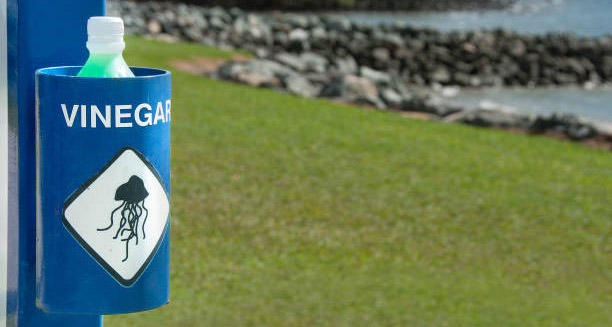
Vinegar station near the ocean with a jellyfish warning symbol for sting treatment

Treatment of Jellyfish Stings

Jellyfish stings range from mild skin irritation to severe, life-threatening reactions depending on the species and the person’s response. Effective treatment aims to reduce pain, neutralize venom, prevent further injury, and manage systemic symptoms. This section covers evidence-based first aid and medical interventions, with special notes on dangerous species and vulnerable groups such as children and allergy sufferers. 1. Immediate First Aid Quick, correct first aid can limit venom effects and ease symptoms: 2. Pain Management Pain from stings can be intense but manageable: 3. Systemic Treatment for Severe Stings Venom from some jellyfish affects vital systems and requires urgent medical care: 4. Managing Allergic and Anaphylactic Reactions Severe allergies require immediate action: 5. Antibiotics and Wound Care To prevent or treat infection from sting wounds: 6. Aftercare and Recovery Healing times vary: 7. Special Considerations 8. Prevention as Part of Treatment Preventing future stings is vital: Conclusion Jellyfish sting treatment ranges from simple first aid to life-saving hospital care. Immediate vinegar application and safe tentacle removal are crucial. Severe stings require specialized therapies and emergency support. With proper care, most recover fully without lasting effects. Knowing first aid, recognizing when to seek help, and practicing prevention are key to staying safe in jellyfish habitats. [Next: Complications of Jellyfish Stings →]

Treatment of Jellyfish Stings Read More »

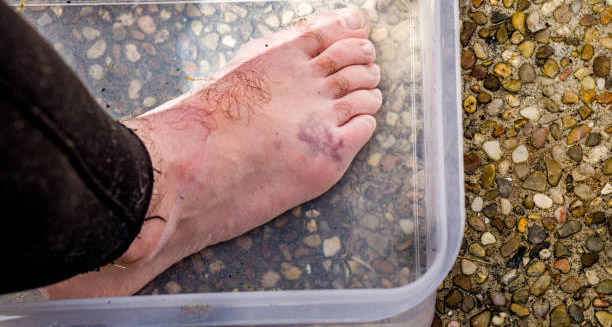
Injured foot with jellyfish sting complications submerged in water showing bruising and inflammation

Complications of Jellyfish Stings

Many jellyfish stings are mild and heal quickly with little treatment. However, some stings can cause serious, even life-threatening complications. The risk depends on the jellyfish species, the amount of venom injected, the victim’s health, and how quickly and properly first aid and medical care are given. Sometimes, stings that seem minor at first can lead to long-term problems if not managed well. Understanding these complications is important for quick recognition, effective treatment, patient education, and ongoing care. Below is an overview of common and rare issues that may arise from jellyfish envenomation. 1. Allergic Reactions and Anaphylaxis Allergic responses range from mild to severe: 2. Skin Complications Skin issues are common after stings: 3. Cardiovascular Complications Certain jellyfish venoms affect the heart and circulation: 4. Neurological Complications Neurological symptoms are less common but serious: 5. Muscular and Renal Complications Venom can damage muscles and kidneys: 6. Respiratory Complications Breathing issues may develop from allergic reactions or systemic venom effects: 7. Delayed and Long-Term Complications Problems may persist or appear after the sting heals: 8. Risks in Children and Older Adults Young and elderly people face higher risks: Conclusion While most jellyfish stings heal without serious effects, complications can range from mild skin problems to deadly cardiovascular events. The risk depends on many factors, including the jellyfish species, venom amount, speed of first aid, and patient health. Careful monitoring in both early and late phases after a sting is essential. Quick treatment, follow-up, and public education reduce the risk of long-term harm. Prevention, correct first aid, and easy access to emergency care are key to safety in jellyfish habitats. [Next: Back to Overview →]

Complications of Jellyfish Stings Read More »

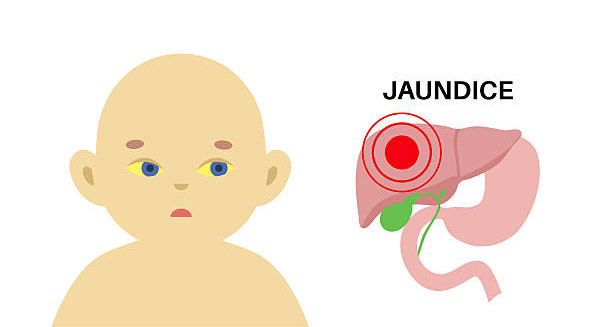
Illustration of a newborn with yellow eyes and a diagram of the liver indicating jaundice

Overview of Jaundice in Newborns

Overview of Jaundice in Newborns Jaundice in newborns is a widespread and often harmless condition that affects many babies in their first days of life. It causes a yellowish tint on the skin and the whites of the eyes. This happens because bilirubin levels in the blood rise. Bilirubin is a yellow pigment made when the body breaks down red blood cells. A newborn’s liver is still immature after birth. It cannot fully process and remove bilirubin right away. In most cases, this condition—called hyperbilirubinaemia—resolves on its own without treatment. However, jaundice can sometimes signal a deeper problem or become dangerous if left untreated. If bilirubin rises too high, it can enter the brain and cause kernicterus. This rare but serious complication can lead to permanent brain damage or death. For these reasons, early recognition and treatment matter a lot. Understanding Bilirubin and the Newborn Liver To understand jaundice in newborns, we must look at bilirubin and how a baby’s liver works. Bilirubin forms naturally when red blood cells break down. In adults, the liver changes bilirubin into a form that dissolves in water. Then, the body removes it in stool and urine. Newborns have immature livers that cannot process bilirubin well yet. Also, their red blood cells break down faster than adults’. On top of that, newborns lack the gut bacteria needed to help remove bilirubin through the intestines. As a result, bilirubin can build up in their blood. This temporary imbalance usually peaks between day three and five. Then, it fades within two weeks in full-term babies. Preterm babies may take up to three weeks. Types of Neonatal Jaundice There are several types of jaundice in newborns. Each type needs a different approach: The timing and speed of jaundice development help doctors decide what type it is. Risk Factors for Jaundice in Newborns While any newborn can develop jaundice, some factors raise the chance or severity: Doctors carefully monitor babies with these risks, especially during the first week. Clinical Signs of Jaundice The main sign is yellow skin and eyes. This usually starts on the face and spreads downward. Natural light helps spot this color best. It may be harder to see in darker skin tones. Other signs may include: Most babies stay well despite jaundice, but it is vital to tell harmless cases from serious ones. Diagnostic Tools for Jaundice Healthcare workers check jaundice using both sight and tests: These tests help decide if treatment is needed and prevent bilirubin from reaching dangerous levels. Importance of Early Detection The main risk with jaundice in newborns is that bilirubin harms the brain. Unconjugated bilirubin can cross the blood-brain barrier. This risk rises if levels climb quickly or stay high too long. If untreated, babies can develop acute bilirubin encephalopathy and later kernicterus. Both cause permanent brain damage. Because of this, hospitals use screening programs and teach parents what to watch for before discharge. Global and Public Health Impact Though well-resourced hospitals handle jaundice well, it remains a major cause of newborn illness and death in poorer areas. Lack of testing tools, phototherapy, and trained staff leads to preventable harm. Global health groups work to improve training, raise awareness, and provide basic care equipment. Early check-ups, parent education, and community outreach all help reduce complications worldwide. Conclusion Jaundice in newborns is common but complex. Most cases are mild and clear up naturally. Still, some reflect serious issues or risk dangerous complications. Knowing the different types, risk factors, and how to monitor and treat jaundice helps babies grow healthy. Both clinical care and public health depend on early detection, education, and access to treatment. In the next section, we will examine the causes of jaundice in newborns in more detail. [Next: Causes of Jaundice in Newborns →]

Overview of Jaundice in Newborns Read More »

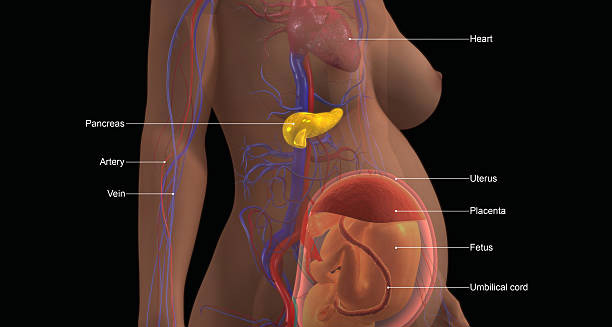
3D medical illustration of a pregnant woman showing fetal development, placenta, and liver-related systems linked to newborn jaundice

Causes of Jaundice in Newborns

Jaundice in newborns is primarily the result of elevated bilirubin levels in the blood, which leads to the characteristic yellowing of the skin and eyes. This condition often clears on its own, especially in full-term babies. However, when it starts very early, lasts too long, or becomes severe, it may signal a deeper problem. Understanding the many causes of jaundice in newborns is key to treating it quickly and preventing serious problems like brain damage from too much bilirubin. Bilirubin is a yellow substance made when red blood cells break down. In most people, the liver clears it out through bile. But in newborns—especially those born early—the liver may not work well enough yet. Because of this, bilirubin builds up in the blood. This process explains many of the common causes of jaundice in newborns. Physiological Jaundice The most common and mildest type is called physiological jaundice. It affects about 60% of full-term and 80% of preterm babies during the first week. This type happens because: Physiological jaundice usually starts within the first 24 to 72 hours. It peaks around the third to fifth day, and it goes away in about one to two weeks. Doctors often just monitor it, and treatment is rarely needed. Breastfeeding-Related Jaundice Two types of jaundice in newborns relate to breastfeeding: breastfeeding jaundice and breast milk jaundice. a. Breastfeeding JaundiceThis shows up during the first week and often links to low milk intake. It may happen due to: Less feeding means fewer stools, which slows bilirubin removal. Once feeding improves, bilirubin levels usually drop. b. Breast Milk JaundiceThis begins after the first week and may last for a few weeks. Experts think some natural substances in the mother’s milk slow down how the body handles bilirubin. Even though the exact reason remains unclear, this type is not harmful. Doctors rarely suggest stopping breastfeeding unless bilirubin levels rise too high. Haemolytic Disease of the Newborn (HDN) One of the more serious causes of jaundice in newborns is haemolytic disease. In this condition, the mother’s antibodies attack the baby’s red blood cells. This attack causes fast cell breakdown and quick bilirubin build-up. There are two main types: This kind of jaundice usually shows up in the first 24 hours, which is always a warning sign. Treatment may need to start right away, using light therapy or a special blood exchange. Infections and Their Role in Jaundice Infections also play a big role in the causes of jaundice in newborns. These infections can start before birth, during birth, or soon after. Examples include: These illnesses may hurt the liver, destroy red blood cells, or block bilirubin from leaving the body. Often, infection-related jaundice comes with other signs like fever, poor feeding, sleepiness, or a swollen belly. These extra signs show that the baby may be seriously ill. Genetic and Metabolic Conditions Sometimes, rare inherited problems lead to jaundice in newborns. These happen when the body lacks certain enzymes or can’t process bilirubin the right way. Some examples include: Early testing during the newborn stage helps find these conditions. Quick action gives the best chance for healthy development. Liver and Bile Duct Problems Some babies are born with problems in the liver or bile system. These block the body’s ability to clear bilirubin well. Such problems include: These lead to a type of jaundice with direct bilirubin. Babies may have pale stools, dark urine, and yellow skin that lasts more than two weeks. A liver specialist should step in quickly. Some of these cases may need surgery. Blood Cell Overload and Birth Trauma Some other causes of jaundice in newborns happen when there are too many red blood cells or when there’s birth injury. These cases often show up later and need careful watching. Drug-Induced Causes of Jaundice in Newborns Sometimes, medicines can affect how the body handles bilirubin. This happens with drugs taken by the mother during pregnancy or given to the baby. Examples include: These drugs may raise free bilirubin levels. This becomes risky, especially in early or sick newborns, since high levels may harm the brain. Conclusion The causes of jaundice in newborns cover a wide range—from normal growth patterns to serious diseases. Many cases are mild and clear up without help. However, doctors must catch the dangerous ones quickly to stop harm. Fast testing, close checking, and proper treatment can prevent lasting damage. When parents and healthcare workers know about the causes of jaundice in newborns, they can act early. This leads to better care now and healthier outcomes later. [Next: Symptoms of Jaundice in Newborns →]

Causes of Jaundice in Newborns Read More »

Illustration of a baby with jaundice and a magnified view of the liver showing symptoms of biliary atresia

Symptoms of Jaundice in Newborns

Jaundice in newborns presents with a variety of signs, most of which are visible and detectable with careful observation. The most common sign is a yellow look to the baby’s skin and the whites of the eyes. This happens because of high levels of bilirubin in the blood. While this is often easy to spot, some other signs can be harder to notice. Some may be more serious and need quick medical care. Parents, caregivers, and doctors all need to understand these signs. Spotting jaundice in newborns early allows fast treatment. This lowers the risk of serious problems, such as brain damage from kernicterus. Below is a full list of symptoms. Some are usual, and others are more rare or severe. Yellow Skin and Eyes: A Key Sign of Jaundice in Newborns The most well-known sign is yellow skin and yellowing of the whites of the eyes. This happens when bilirubin builds up in the baby’s skin and body. The yellow colour often starts on the face, near the nose and forehead. Then it moves down to the chest, belly, arms, and legs. This is called cephalocaudal spread and often shows the bilirubin level rising. Sunlight makes this yellowing easier to see. But in babies with darker skin, it can be hard to spot. In those cases, checking the whites of the eyes, the gums, or even the soles of the feet may help. Poor Feeding and Sleepiness Some babies with jaundice in newborns may not feed well. They might be sleepy or hard to wake. Others may start feeding but stop too soon or not suck well. Poor feeding makes the baby pass fewer stools. This slows down the removal of bilirubin from the body. As a result, the jaundice gets worse. Sleepiness is a warning sign. A baby who is hard to wake or keeps falling asleep during feeds needs to see a doctor soon. Unusual Urine and Stool Colour Healthy babies usually have pale yellow urine and yellow or green stools. But if the liver cannot process bilirubin properly, things can change. Urine may look dark yellow or even orange. This may show that the baby has conjugated hyperbilirubinaemia, which is more serious. Stools may look pale, grey, or clay-coloured. This could mean that bilirubin is not being passed into the gut. These signs might point to problems like biliary atresia or liver disease. These symptoms help spot cholestatic jaundice. This type needs fast referral to a specialist. Irritability and Crying All babies cry. But some babies with jaundice in newborns may cry too much or in a high-pitched tone. This can be a sign of a more serious problem. The baby might arch their back or feel stiff or floppy. Some may have a bulging soft spot on the head. These signs show that the baby might have acute bilirubin encephalopathy, which is a medical emergency. Crying along with poor feeding and fever could also mean the baby has an infection like sepsis or meningitis. Body Temperature Changes Sometimes jaundice in newborns comes with trouble controlling body heat. This happens more often when infections or rare conditions cause the jaundice. Look out for: These signs by themselves are not clear proof of jaundice. But when seen with yellow skin and low energy, they suggest that something serious may be going on. Signs of Liver or Spleen Swelling Some babies with liver problems or blood-related causes of jaundice may have a swollen belly. A doctor might feel an enlarged liver or spleen during an exam. This can happen when the jaundice in newborns is caused by infections, blood issues, or rare disorders. These signs often need scans and blood tests to find the cause. Early Jaundice: A Medical Alert When yellowing starts in the first 24 hours after birth, doctors treat it as a red flag. This is different from normal jaundice, which usually begins later. Possible causes of early jaundice include: Doctors need to act fast in these cases. Yellowing that starts before the first day must be checked straight away. Long-Lasting Jaundice in Newborns If jaundice lasts more than 2 weeks in full-term babies (or 3 weeks in early babies), doctors call it prolonged. Sometimes this happens with breast milk jaundice, which is not harmful. But in other cases, it may mean there is a more serious problem. Possible causes of prolonged jaundice in newborns: These babies need tests, scans, and full check-ups to find out what’s wrong. Brain-Related Symptoms Very high levels of bilirubin can harm the brain. This leads to acute bilirubin encephalopathy, a serious problem that needs emergency care. Look for signs like: If this isn’t treated quickly, it can turn into kernicterus. This can cause hearing loss, brain damage, movement problems, and delays in growth. Luckily, most cases of jaundice in newborns get treated early. So this outcome is rare with proper care. Home Checks and Parental Involvement Parents and caregivers play a big role in spotting problems early. They should: It’s also important to go to follow-up visits. Most hospitals now check bilirubin levels before discharge and book a check-up in 2 to 3 days. Conclusion: Recognising Jaundice in Newborns Early The signs of jaundice in newborns can range from mild to very serious. While yellow skin and eyes are the most well-known symptoms, others like poor feeding, sleepiness, and odd urine or stool colour can hint at deeper issues. Quick action from both health workers and parents is key. Fast screening, close watching, and good care can help most babies recover fully—with no lasting problems. [Next: Diagnosis of Jaundice in Newborns →]

Symptoms of Jaundice in Newborns Read More »

Illustration comparing a healthy baby to a baby with severe jaundice, showing yellow skin discolouration

Diagnosis of Jaundice in Newborns

Jaundice in newborns is a common condition that requires accurate diagnosis to distinguish between physiological and pathological causes. Early and correct testing helps spot serious health problems. This way, babies get treated before complications appear. To make the diagnosis of jaundice in newborns, doctors use several steps. These include looking at the baby, checking risk factors, measuring bilirubin, and sometimes doing lab tests or scans. Jaundice can be harmless, but it can also point to serious issues in the liver, blood, or metabolism. So, a clear testing plan is key. Many hospitals now use standard screening to find it early and protect the baby’s health. Clinical Observation and First Clues Doctors start by looking at the baby’s skin and eyes. Yellow skin and eyes often show up when bilirubin rises above 5–7 mg/dL (85–120 µmol/L). The yellowing starts at the face and moves downward to the body and limbs. Even though this check is helpful, it’s not always enough. Light and skin colour can make it hard to see the yellow tint. So, doctors also look at other signs. They also note: If yellowing starts in the first 24 hours, it’s not normal. It may mean an infection, a blood issue, or a liver problem. Immediate testing is needed. Transcutaneous Bilirubinometry (TcB) A fast and easy way to check bilirubin is through TcB. This test uses a small device placed on the baby’s head or chest. It measures light through the skin to estimate bilirubin. While not perfect, TcB gives quick results and avoids blood draws. It works well for routine checks and follow-ups. However, TcB may not be accurate in babies with dark skin, high bilirubin levels, or liver problems. If results are near the danger level, doctors will ask for a blood test. Total Serum Bilirubin (TSB) – The Key Test The best way to confirm diagnosis of jaundice in newborns is by testing the baby’s blood. Doctors take a small sample from the heel or vein and send it to the lab. This test: Doctors place the results on a chart that matches the baby’s age and risk level. These charts help them decide if treatment like phototherapy or a blood change is needed. Understanding Bilirubin Fractions To find the cause of jaundice, doctors check if bilirubin is indirect or direct. High direct bilirubin always needs further tests. If it’s above 1 mg/dL or more than 20% of the total, the baby must get checked right away. More Tests to Support Diagnosis If jaundice shows up early, lasts long, or seems worse than usual, more lab work is needed. a. Full Blood Count (FBC) b. Blood Group and Coombs Test c. Reticulocyte Count d. G6PD Screening e. Thyroid Function Tests f. Liver Function Tests (LFTs) Urine and Stool Checks In babies with lasting jaundice, pee and poop colour give big clues. Dark pee and pale poop may show blocked bile flow or liver trouble. Doctors may also test urine for infection, as this can cause jaundice too. The shape, colour, and frequency of the baby’s poop are key when checking for biliary atresia. This condition needs fast surgery to prevent damage. Imaging in Diagnosis of Jaundice in Newborns Once doctors confirm high direct bilirubin, they order scans. a. Abdominal Ultrasound b. HIDA Scan c. MRI Genetic and Metabolic Testing If jaundice doesn’t go away or comes with other signs like poor feeding, slow growth, or vomiting, rare disorders may be to blame. Doctors may suggest: These tests help uncover hidden problems and usually need advice from specialists. Brain Checks for Severe Cases If jaundice gets really bad or goes untreated, the brain may suffer. Signs like odd body movements or seizures mean urgent action. Doctors may order: These tests look for kernicterus or other damage. Routine Screening for Better Outcomes Many countries now check all babies for jaundice before they leave the hospital. This check happens in the first 72 hours and includes either TcB or TSB. Babies who are at high risk get follow-up appointments. Parents also learn how to spot warning signs. Babies going home before 48 hours need to see a doctor again within 2 or 3 days. This helps catch problems early. Conclusion: Importance of Diagnosis of Jaundice in Newborns The diagnosis of jaundice in newborns needs more than just a look at the baby’s skin. While seeing the yellow colour is helpful, blood tests and scans confirm how serious it is. Advanced tools and expert advice help find the cause when usual checks fall short. Quick testing helps prevent harm and allows early treatment. With strong screening plans, good follow-up, and easy access to tools, doctors can spot and treat jaundice well. This protects the baby’s brain and body during a critical stage. [Next: Treatment of Jaundice in Newborns →]

Diagnosis of Jaundice in Newborns Read More »

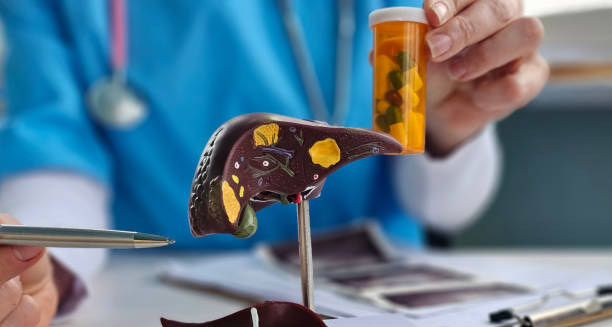
Doctor holding a liver model and medication bottle to explain treatment of jaundice in newborns

Treatment of Jaundice in Newborns

Jaundice in newborns is typically a benign and self-limiting condition; however, timely and appropriate treatment is essential to prevent complications such as acute bilirubin encephalopathy or kernicterus. The main goal of treatment is to lower high bilirubin levels before they become harmful to the brain. Most babies with jaundice in newborns only need close monitoring and general care. But in more serious cases, doctors need to take medical action. This section explains the treatment options for jaundice in newborns. It covers when to start therapy, which methods are used, and how plans may differ based on the cause and severity. A clear and organised approach helps protect newborns, especially those who have other health problems. Determining the Need for Treatment Before starting any treatment, doctors check if it’s needed by doing the following: Doctors start treatment if bilirubin levels go near or above the limits. These limits are lower for babies who are sick or born early because their bodies are more sensitive to bilirubin. Phototherapy in Jaundice in Newborns Phototherapy is the most common and effective way to treat jaundice in newborns. This treatment shines blue light on the baby’s skin. The light changes bilirubin into a form that leaves the body in urine and stool, even without help from the liver. Types of Phototherapy Phototherapy is safe and does not hurt. But babies under phototherapy must be checked often: Exchange Transfusion for Severe Jaundice In very rare and serious cases of jaundice in newborns, if phototherapy fails or bilirubin is dangerously high, doctors may perform an exchange transfusion. This involves slowly removing the baby’s blood and replacing it with donated blood to: Exchange transfusion is risky and needs skilled care in an intensive unit. Doctors choose this only when: Even though the procedure has risks (such as infection or bleeding), it can save lives when used correctly. Using IVIG in Jaundice in Newborns If a baby has jaundice from immune problems like Rh or ABO mismatch, IVIG may be given through a vein. IVIG works by: When given early, IVIG helps lower bilirubin well. Doctors often use it along with phototherapy. Feeding Support for Jaundice in Newborns Good feeding plays a key role in treating jaundice in newborns, especially in less severe cases. Hydration helps bilirubin leave the body in pee and poop. Feeding also triggers more bowel movements, which clears bilirubin from the gut. Tips for Breastfed Babies Tips for Formula-fed Babies If breastfeeding is the cause, better milk flow and feeding techniques usually fix the problem. In breast milk jaundice (caused by things in the milk that slow bilirubin breakdown), the issue may last longer but rarely needs stopping breastfeeding. Treating the Cause of Jaundice in Newborns If a specific illness causes jaundice in newborns, treating that illness is key: Detailed testing helps find the cause and shape treatment beyond just managing symptoms, especially when a type called conjugated jaundice is suspected. Monitoring After Treatment After going home, babies treated for jaundice in newborns need regular checks to make sure: If jaundice lasts longer than two weeks in full-term babies, doctors will check for more serious problems. Follow-ups include: Parental Support and Home Care Teaching parents is a big part of care for jaundice. Parents should: Parents also need to know when to seek help. Signs like deep sleepiness, high-pitched crying, poor feeding, or stiff/floppy limbs may mean the baby is in danger from bilirubin. In some places, babies can get phototherapy at home with doctor supervision. This option helps in mild cases and avoids hospital stays. Conclusion: Jaundice in Newborns The treatment of jaundice in newborns ranges from simple blue-light therapy to more serious steps like blood exchange or IVIG. The key to good care is spotting the problem early, acting quickly, and keeping track of the baby’s progress. When health workers follow proper treatment plans and parents understand how to help, most babies recover well from jaundice in newborns. A complete and careful approach gives every baby the best chance at a healthy start. [Next: Complications of Jaundice in Newborns →]

Treatment of Jaundice in Newborns Read More »

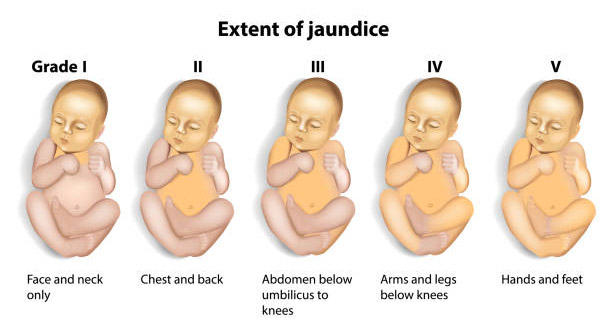
Illustration showing the extent of jaundice in newborns from Grade I to Grade V based on body coverage

Complications of Jaundice in Newborns

While many cases of jaundice in newborns are mild and resolve without lasting effects, it is crucial to recognise that serious complications can occur when the condition is severe, prolonged, or left untreated. Elevated bilirubin levels, especially when not monitored or managed appropriately, can have toxic effects on an infant’s developing brain and body. These complications range from reversible concerns such as feeding difficulties to permanent neurological impairments like kernicterus. Understanding the potential complications of jaundice in newborns helps to underscore the importance of timely diagnosis, vigilant monitoring, and appropriate treatment. This section explores the range of complications, from common short-term issues to rare but serious long-term outcomes. Acute Bilirubin Encephalopathy (ABE) One of the most serious complications of jaundice in newborns is acute bilirubin encephalopathy. This condition happens when too much unconjugated bilirubin enters the brain, especially in areas like the basal ganglia and brainstem. Signs and Symptoms of ABE include: These symptoms may start mildly and grow worse without treatment. Quick recognition and urgent care can prevent long-term harm. Kernicterus and Lasting Brain Damage If acute bilirubin encephalopathy is not treated, it can lead to kernicterus. This condition causes permanent brain damage from bilirubin deposits in brain tissue. Although rare in modern hospitals, it still occurs in areas with limited resources. Neurological Effects of Kernicterus include: Kernicterus is lifelong. Affected children often need therapy, special education, and long-term care. Preventing kernicterus by treating jaundice early is the best approach. Feeding Problems and Dehydration In moderate jaundice, babies may feed poorly. Sleepy infants may not latch or suck well. Low fluid intake slows bilirubin removal, which worsens jaundice. Effects of Poor Feeding: Teaching parents how to spot dehydration—such as fewer wet nappies or dry mouths—can help prevent these issues. Anaemia as a Complication Certain causes of jaundice in newborns—like Rh or ABO incompatibility—can break down red blood cells quickly, leading to anaemia. This reduces oxygen delivery to tissues. Signs of Anaemia may include: In serious cases, doctors may need to give blood transfusions. Anaemia can also make recovery longer and raise other health risks. Prolonged Neonatal Jaundice If jaundice lasts more than two weeks in full-term babies (or three in preemies), it is called prolonged neonatal jaundice. Though often harmless, it may also point to other conditions. Possible Underlying Issues: If jaundice lasts long or shows warning signs (pale stools, dark urine, or poor growth), doctors must investigate quickly. For example, early surgery in biliary atresia improves outcomes. Long-Term Developmental Delays Untreated or severe jaundice may affect a baby’s physical and brain development. These problems may appear months or even years later. Common Delays Linked to Jaundice: Not all delays come from jaundice, but high bilirubin levels increase the risk. Babies with severe jaundice should get regular developmental checks in early life. Hearing Loss From High Bilirubin Another possible complication of jaundice in newborns is sensorineural hearing loss. Even moderate bilirubin levels, if untreated, can damage the hearing nerve or inner ear. What to Do: Early hearing aids or implants can help speech and learning. Hearing checks are a crucial step in jaundice follow-up. Emotional Stress on Parents While not a medical effect, parental stress is a real and serious side effect of jaundice in newborns. Watching a yellow baby, hospital trips, and unfamiliar treatments can cause major anxiety. Ways to Support Parents: Involving parents in care and keeping them informed helps reduce fear and improves trust in medical advice. Conclusion The complications of jaundice in newborns can range from mild feeding troubles to serious and lifelong brain damage. Problems like kernicterus, anaemia, and developmental delays highlight why fast diagnosis and good care are so important. Most cases of newborn jaundice get better with basic care like phototherapy. Still, healthcare workers must act early, monitor closely, and educate parents well. With these steps, babies with jaundice can recover fully and thrive in the years ahead. [Next: Back to Overview →]

Complications of Jaundice in Newborns Read More »

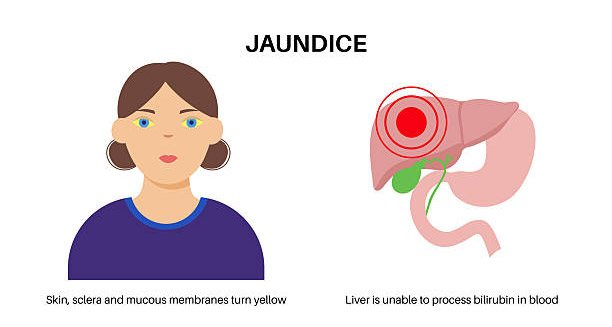
Illustration of a woman with yellow eyes and a diagram of the liver showing jaundice due to bilirubin buildup

Overview of Jaundice

Jaundice refers to a clinical condition in which the skin, the whites of the eyes, and sometimes mucous membranes develop a yellowish discolouration. This yellowing happens because bilirubin, a yellow-orange pigment formed during red blood cell breakdown, builds up in the body. Jaundice is not a disease itself but a visible symptom of an underlying problem, usually involving the liver, gallbladder, or pancreas. Recognising jaundice is important because it often signals serious internal issues needing medical attention. Bilirubin travels through the blood to the liver, where it is processed and then sent to the digestive tract via bile. Any disruption along this path—from red blood cell breakdown to bile excretion—can cause bilirubin to build up. Causes range from mild issues like dehydration or certain medicines to serious illnesses such as liver cirrhosis, hepatitis, or bile duct blockage. Newborns may also get jaundice because their livers are immature, which usually clears with time or light therapy. What Happens in the Body During Jaundice? Understanding jaundice means knowing the bilirubin cycle. Red blood cells live about 120 days. When they break down in the spleen and bone marrow, they produce unconjugated bilirubin, which does not dissolve in water. This bilirubin binds to albumin and moves to the liver. In the liver, it converts to conjugated bilirubin, which dissolves in water and flows into bile ducts. It then passes into the intestines to be excreted in stool. Any problem in this sequence—too much red blood cell breakdown, liver damage, or bile duct blockage—raises bilirubin levels in the blood. The extra bilirubin causes the skin and eye whites to turn yellow. The urine may become dark brown because the kidneys remove excess bilirubin. Stools may look pale or clay-coloured if bile flow to the intestines is reduced or blocked. Types of Jaundice Doctors classify jaundice into three main types, each with different causes and treatments: Knowing the type helps guide tests and treatments. Who Is at Risk? Jaundice can affect anyone but is more common in some groups: Older adults also face higher risk due to aging liver function and a greater chance of cancers blocking bile flow. Common Symptoms and Clinical Presentation Besides yellowing skin and eyes, jaundice may cause: Sometimes, jaundice is the only sign in mild liver problems or haemolytic anaemia. Diagnosis and Medical Evaluation Doctors diagnose jaundice by examining the skin, eyes, and mucous membranes. Blood tests measure total bilirubin and separate it into unconjugated and conjugated types. Liver function tests like ALT, AST, ALP, and GGT help locate the problem. Imaging tests such as ultrasound, CT, or MRI assess the liver and bile ducts. In difficult cases, liver biopsy or endoscopic retrograde cholangiopancreatography (ERCP) may be needed to find the exact cause. Importance of Prompt Medical Attention Ignoring jaundice can cause serious harm. Untreated bile duct blockage can lead to infections, sepsis, or permanent liver damage. Chronic liver diseases may remain hidden until jaundice appears, signaling advanced illness. Quick diagnosis and treatment prevent long-term health problems. Treatment Depends on the Underlying Cause Treatment focuses on the cause, not jaundice itself. For example: Prognosis and Outlook The outlook depends on cause, severity, and how fast treatment starts. Neonatal jaundice usually clears quickly with little treatment. Liver failure or cancer-related jaundice can have a poor prognosis. Early detection, lifestyle changes (like reducing alcohol), and following treatment improve chances of recovery. Preventive Strategies To reduce jaundice risk: Public health efforts and early screening also help control jaundice in high-risk areas. Conclusion Overview of jaundice shows it is a symptom with many causes—from mild to life-threatening. Yellow skin and eyes may seem minor but often warn of serious problems. Quick medical evaluation, accurate diagnosis, and treatment focused on the cause are key to better outcomes and preventing complications. Understanding jaundice helps patients and doctors act quickly to manage this important sign and improve health for all ages. [Next: Causes of Jaundice →]

Overview of Jaundice Read More »

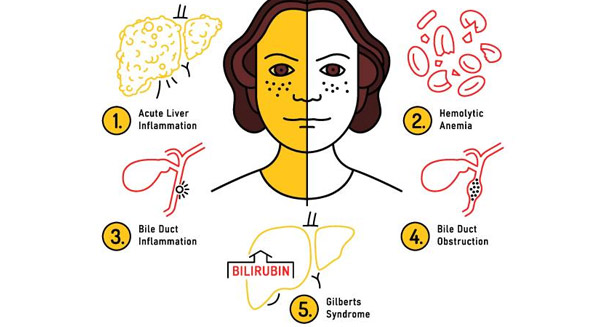
Infographic showing various medical causes of jaundice including liver inflammation, anaemia, and bile duct issues

Causes of Jaundice

Jaundice develops when there is an imbalance in the body’s ability to process and eliminate bilirubin, the yellow pigment formed during the normal breakdown of red blood cells. This imbalance causes bilirubin to build up in the blood. As a result, the skin and eyes turn yellow. Jaundice can come from many different causes, from harmless to very serious. Knowing these causes helps with quick diagnosis and proper treatment. Doctors group the causes of jaundice into three main types: pre-hepatic (before the liver), hepatic (inside the liver), and post-hepatic (after the liver). Each type shows a different way bilirubin builds up in the body. 1. Pre-Hepatic Causes (Before the Liver) Pre-hepatic jaundice happens when the body breaks down red blood cells too fast. This floods the liver with unconjugated bilirubin. The liver cannot handle it all, so bilirubin rises in the blood. a. Haemolytic AnaemiasSome inherited or acquired diseases increase red blood cell breakdown and cause jaundice. These include: b. InfectionsSome infections, such as malaria, sepsis, or typhoid fever, destroy red blood cells quickly. Malaria is a common cause in certain areas. c. Blood Transfusion ReactionsIf blood is given that does not match, the immune system attacks red cells, causing rapid breakdown and jaundice. d. Autoimmune Haemolytic AnaemiaHere, the immune system mistakenly destroys red blood cells early. Pre-hepatic jaundice mostly raises unconjugated bilirubin. It usually does not cause dark urine because bilirubin has not passed through the liver yet. 2. Hepatic Causes (Within the Liver) Hepatic jaundice happens when the liver itself cannot process or get rid of bilirubin. The liver may be inflamed, damaged, or not working well. This stops it from changing unconjugated bilirubin to conjugated bilirubin or from moving bilirubin into bile ducts. a. HepatitisViral hepatitis (A, B, C, D, or E) is a common cause worldwide. Liver cells get inflamed and stop working well. Hepatitis may be sudden or long-lasting. Patients often feel tired, have belly pain, and raised liver enzymes. b. Alcoholic Liver DiseaseDrinking too much alcohol over time damages the liver. This leads to fatty liver, hepatitis, or cirrhosis. All these can cause jaundice. c. Non-Alcoholic Fatty Liver Disease (NAFLD)This condition is linked to obesity, diabetes, and high cholesterol. If it gets worse, it may cause inflammation (NASH) and cirrhosis, leading to jaundice. d. Drug-Induced Liver InjurySome medicines and herbal products harm the liver. Common examples are: e. Liver Cancer and MetastasesPrimary liver cancer or cancer spreading from other organs (like colon or breast) can harm liver function and cause jaundice. f. Inherited Liver DisordersSome genetic diseases affect bilirubin metabolism, such as: These usually show in childhood or adolescence. In hepatic jaundice, both conjugated and unconjugated bilirubin can be high. Urine may darken due to conjugated bilirubin in the blood. 3. Post-Hepatic Causes (After the Liver) Post-hepatic or obstructive jaundice happens when bile flow from the liver to the intestines is blocked. This causes conjugated bilirubin to back up into the blood. a. GallstonesGallstones often block the bile duct. When a stone gets stuck, bile cannot leave the liver. This leads to jaundice, dark urine, pale stools, and sometimes fever or pain called biliary colic. b. Pancreatic CancerCancer in the pancreas, especially near the bile duct, can press on the duct and cause jaundice. This jaundice usually develops slowly. Weight loss and itching often come with it. c. CholangiocarcinomaThis cancer starts in the bile ducts themselves. It can block bile flow and cause symptoms like other obstructive causes. d. Benign Biliary StricturesNon-cancerous narrowing of bile ducts may follow surgery, pancreatitis, or injury. e. Primary Sclerosing Cholangitis (PSC)This autoimmune disease causes ongoing inflammation and scarring of bile ducts. PSC often occurs with ulcerative colitis and raises the risk of bile duct cancer. Post-hepatic causes raise conjugated bilirubin. They cause dark urine, pale stools, and itching all over the body. 4. Neonatal Jaundice Jaundice in newborns is common and mostly harmless. It happens because the liver is immature and cannot process bilirubin well. Most cases get better within two weeks, but some need treatment. a. Physiological JaundiceSeen in up to 60% of newborns, this peaks around days 3–5 and usually clears on its own. b. Breastfeeding JaundiceIf a baby drinks little milk, dehydration can increase bilirubin levels. c. Breast Milk JaundiceCertain breast milk components may slow bilirubin breakdown but usually cause no harm. d. Haemolytic Disease of the NewbornThis happens when mother’s antibodies attack the baby’s red cells, often due to Rh incompatibility. It is serious and may require blood exchange or light therapy. 5. Other Rare Causes Some less common causes can also lead to jaundice: These causes are rare but should be checked for in certain areas or unusual cases. Conclusion The causes of jaundice cover a wide range, from mild and temporary to severe and deadly. Knowing if jaundice is pre-hepatic, hepatic, or post-hepatic helps with diagnosis and treatment plans. Quick tests like blood work, scans, and sometimes biopsy can find the cause and stop problems like liver failure or infection. Treating jaundice means fixing the cause: slowing red cell breakdown, helping the liver, or clearing bile duct blocks. Vaccination, clean water, and early checks help reduce jaundice in places where it happens often. [Next: Symptoms of Jaundice →]
Causes of Jaundice Read More »

Scroll to Top