Complications of Gynaecomastia
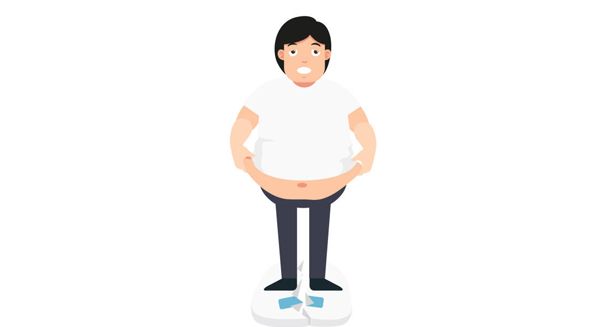
Complications of Gynaecomastia The complications of gynaecomastia are primarily psychological, but physical and clinical concerns can also arise in persistent or misdiagnosed cases. Although gynaecomastia is not a life-threatening condition, the complications of gynaecomastia can significantly affect quality of life, especially when symptoms are severe, long-standing, or overlooked. Understanding these potential consequences is essential for clinicians and patients alike to guide management decisions and avoid unnecessary distress. 1. Psychological and Social Complications Perhaps the most common — and often underestimated — complications are emotional in nature. Men and boys with gynaecomastia frequently report: Embarrassment and shame, especially in public changing areas Body image dissatisfaction, often leading to social withdrawal Bullying or teasing, particularly during adolescence Avoidance of activities like swimming, sport, or intimacy Depression, anxiety, or social phobia These psychological effects may persist long after the physical condition resolves and can interfere with education, relationships, and personal development. 2. Chronic Pain or Tenderness Some individuals experience: Persistent breast pain or sensitivity Discomfort when lying on the chest or wearing fitted clothing Nipple tenderness or itching This is more common when gynaecomastia is due to hormone fluctuations or medications, and may fluctuate in severity. Pain can disrupt sleep, concentration, or exercise routines, adding to emotional strain. 3. Skin and Tissue Changes Long-standing or significant breast enlargement can lead to: Stretching of skin and areolae Sagging or drooping (ptosis) of the breast tissue Excess skin that may remain even after weight loss or regression These cosmetic issues may persist even if the underlying glandular tissue shrinks, prompting some men to seek surgical correction. 4. Surgical Complications (When Applicable) Although surgery is generally safe, as with any procedure, risks include: Bleeding or haematoma formation Infection Scarring, including hypertrophic or keloid scars Asymmetry or contour irregularities Changes in nipple sensation (temporary or permanent) Complications can be minimised by choosing a qualified surgeon, following postoperative instructions, and attending follow-up visits. 5. Medication Side Effects For those using pharmacological treatments like tamoxifen or aromatase inhibitors: Side effects may include fatigue, hot flushes, headaches, or libido changes Long-term safety of off-label medications is still under study Monitoring and communication with a healthcare provider are essential Discontinuation of therapy due to side effects may also lead to a return of symptoms, particularly if the underlying cause is not addressed. 6. Missed or Delayed Diagnosis of Serious Conditions One of the most important complications is the potential for missed diagnosis of an underlying issue: Testicular tumours or adrenal tumours that secrete oestrogens Chronic liver disease, which alters hormone metabolism Kidney failure or thyroid disorders Rare cases of male breast cancer Assuming all gynaecomastia is benign can delay detection of these serious diseases. Red flags that require further investigation include: Unilateral breast enlargement Hard, fixed lumps Nipple discharge or skin dimpling Lymph node swelling Proper diagnostic work-up, including imaging and hormonal testing, is crucial when atypical features are present. 7. Reduced Physical Performance or Activity In athletes or those with active lifestyles, gynaecomastia can: Interfere with upper body movements due to discomfort Cause self-consciousness during team sports Lead to avoidance of gym or outdoor activities These issues can contribute to decreased fitness, which may further affect confidence and hormone regulation. 8. Ongoing Recurrence After Resolution In some cases: Gynaecomastia recurs even after initial resolution May follow a return to causative medications or substance use Hormonal imbalances may fluctuate, especially in older adults or those with underlying endocrine conditions This can create a cycle of repeated distress and treatment attempts, especially if the underlying trigger is not addressed fully. Conclusion | Complications of Gynaecomastia The complications of gynaecomastia extend beyond physical symptoms, encompassing a wide range of emotional, psychological, and medical challenges. While most cases are benign and treatable, untreated or misdiagnosed gynaecomastia can significantly impact quality of life. By recognising and addressing the complications of gynaecomastia, healthcare professionals can provide holistic care that prioritises both physical outcomes and emotional wellbeing. [Next: Back to Overview →]