Complications and Recovery from Diabetic Retinopathy
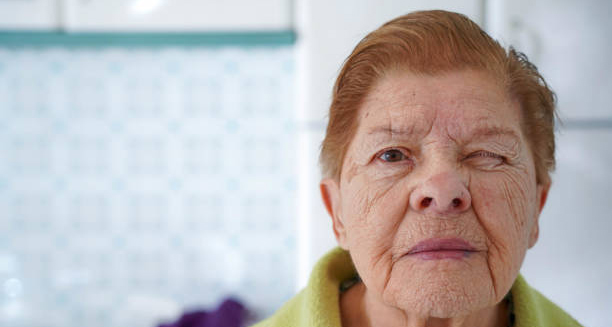
Complications and Recovery from Diabetic Retinopathy Complications and recovery from diabetic retinopathy are influenced by the disease stage at diagnosis, the effectiveness of treatment, and the person’s ability to manage their diabetes. If diabetic retinopathy is left untreated, it can lead to irreversible vision loss or blindness. However, with early intervention and lifestyle adjustments, many complications can be avoided or successfully treated. Possible Complications Vitreous Haemorrhage Bleeding into the vitreous gel due to ruptured abnormal blood vessels Symptoms include sudden vision loss, floaters, or clouded vision Blood may clear on its own, or surgery (vitrectomy) may be needed Retinal Detachment Scar tissue from new vessels pulls the retina away from the back of the eye Can cause a shadow or curtain effect in vision Requires urgent surgical intervention to prevent permanent loss Neovascular Glaucoma New blood vessels block fluid drainage, raising eye pressure Leads to optic nerve damage and additional vision loss Treated with laser therapy or surgery, though management can be difficult Blindness The most severe outcome Often preventable with regular monitoring and treatment Once vision is lost, it cannot be restored, highlighting the need for early detection Recovery and Prognosis With appropriate care, many people maintain good vision for life Treatments like anti-VEGF injections and laser can halt disease progression Even after surgery, further damage can be prevented with optimal diabetes management Vision may stabilise or even improve, depending on severity and response to treatment Self-Care and Prevention of Recurrence Maintain tight glycaemic control (HbA1c around 6.5–7%) Control blood pressure and cholesterol Attend all scheduled eye appointments, even if vision seems normal Avoid smoking and limit alcohol intake Monitor for new symptoms such as blurred vision or increased floaters Support for Vision Loss | Complications and Recovery from Diabetic Retinopathy If vision loss occurs, patients benefit from: Low-vision rehabilitation Assistive devices (e.g. magnifiers, screen readers) Emotional and psychological support In conclusion, complications and recovery from diabetic retinopathy depend on timely diagnosis, effective treatment, and ongoing diabetes control. With the right care, most people can protect their vision and enjoy a good quality of life. [Next: Back to Overview →]
Complications and Recovery from Diabetic Retinopathy Read More »