Diagnosis of Diabetic Ketoacidosis
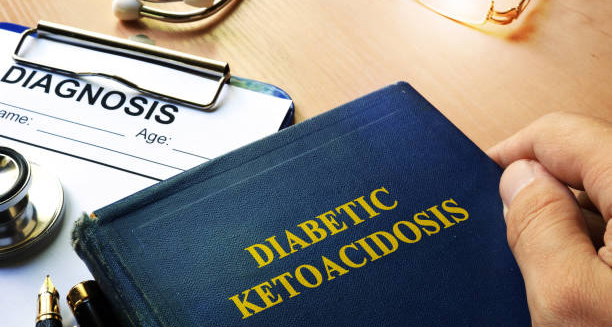
Diagnosis of Diabetic Ketoacidosis Diagnosis of diabetic ketoacidosis requires a combination of clinical evaluation and laboratory tests. Because diabetic ketoacidosis (DKA) can develop rapidly and pose serious health risks, timely diagnosis is essential. Most cases present in hospital emergency departments, where healthcare professionals assess symptoms, vital signs, and biochemical markers to confirm the condition and rule out other possible causes. Initial Clinical Assessment Patients usually present with: Nausea and vomiting Abdominal pain Rapid, deep breathing (Kussmaul respirations) Fruity-smelling breath (due to acetone) Lethargy, confusion, or in severe cases, unconsciousness The clinician will take a medical history, focusing on diabetes management, recent infections, missed insulin doses, and stress events such as trauma or surgery. Physical examination helps assess dehydration, mental status, and respiratory function. Key Laboratory Tests Blood Glucose: Elevated levels above 11 mmol/L (200 mg/dL) Confirms hyperglycaemia, a core feature of DKA Ketones: Detected in blood or urine Blood ketone level >3.0 mmol/L indicates significant ketosis Arterial Blood Gas (ABG): Measures acidity of the blood pH less than 7.3 confirms metabolic acidosis Bicarbonate level <15 mmol/L is also a diagnostic marker Electrolytes: Potassium may be normal or high at first but drops with treatment Sodium, chloride, and anion gap are also monitored to assess severity Renal Function: Urea and creatinine levels are checked to evaluate dehydration and kidney involvement Urinalysis: Reveals ketones, glucose, and sometimes evidence of infection Other Tests: ECG (to detect electrolyte disturbances) Chest X-ray or blood cultures if infection is suspected Differential Diagnosis of Diabetic Ketoacidosis Other conditions that mimic DKA include: Starvation ketosis Alcoholic ketoacidosis Sepsis Lactic acidosis Therefore, clinicians must use a combination of biochemical evidence and clinical signs to confirm the diagnosis. In conclusion, diagnosis of diabetic ketoacidosis hinges on identifying the triad of hyperglycaemia, ketosis, and metabolic acidosis. Prompt recognition ensures effective treatment and reduces the risk of serious complications or death. [Next: Treatment of Diabetic Ketoacidosis →]