Causes of Chickenpox
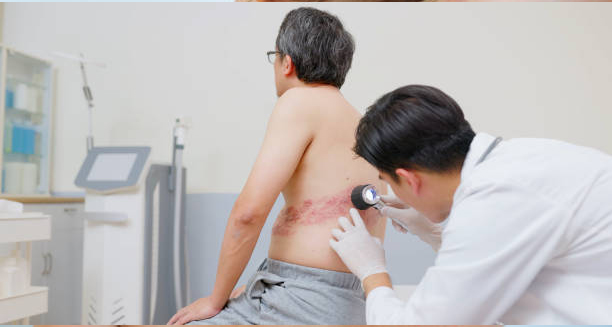
Causes of Chickenpox Causes of chickenpox stem from infection with the varicella-zoster virus (VZV), a member of the herpesvirus family. The virus is extremely contagious and primarily affects children, although anyone who hasn’t had chickenpox or received the vaccine is at risk. Understanding the causes of chickenpox is crucial for prevention and control. 1. Varicella-Zoster Virus (VZV) VZV is the single cause of chickenpox. Once a person is exposed, the virus enters through the respiratory tract or conjunctiva (eye lining), then spreads through the bloodstream to the skin, where it causes the characteristic rash. 2. Transmission | Causes of Chickenpox Chickenpox is spread through: The virus is most contagious from 1–2 days before the rash appears until all blisters have crusted over — typically 5–7 days after rash onset. 3. At-Risk Groups While chickenpox is most common in children under the age of 10, certain groups are more susceptible to severe disease: 4. Reactivation: Shingles Even after recovery, VZV stays dormant in the nervous system. It can reactivate years later as shingles (herpes zoster), especially in older adults or people with weakened immunity. Shingles is not chickenpox but can cause chickenpox in unexposed individuals. 5. Vaccine Failure | Causes of Chickenpox Rarely, vaccinated individuals can develop a mild form of chickenpox known as “breakthrough chickenpox.” These cases tend to have fewer spots, little to no fever, and a quicker recovery. By understanding the causes of chickenpox, people can take proper steps to protect vulnerable individuals, reduce transmission, and ensure vaccination coverage is maintained. [Next: Symptoms of Chickenpox →]