
Mental Matters

Health & Wellness

Diagnosis of Auditory Processing Disorder

Diagnosis of Auditory Processing Disorder

Diagnosis of Auditory Processing Disorder Diagnosis of auditory processing disorder requires a multidisciplinary approach, often involving audiologists, speech-language therapists, and educational psychologists. A child or adult must have normal hearing to qualify for APD testing. Key steps in diagnosis: Diagnosis of Auditory Processing Disorder In South Africa, diagnostic services are more readily available in urban centres and private practices. However, awareness is increasing in schools, and early referrals are improving. Testing can usually begin around age 7 or older, when auditory systems have matured enough for accurate evaluation. Conclusions: Auditory Processing Disorder Auditory Processing Disorder is a complex but manageable condition that affects how the brain interprets sound. It can impact learning, communication, and emotional well-being, especially in noisy or fast-paced environments. With early diagnosis, personalised interventions, and patient support, individuals with APD can thrive in school, work, and social settings. Speech therapy, assistive technology, and classroom adaptations are valuable tools for success. In South Africa, growing awareness and improved access to audiology and educational support are helping more families find the help they need. Understanding APD empowers caregivers, educators, and individuals to advocate for strategies that make daily life more accessible. 👉 [Next: Treatment and Management of APD] Hearing & Balance Cape Town – Bellville Complications and Impact of APD Causes and Risk Factors of APD Living with Auditory Processing Disorder


Diagnosis of Auditory Processing Disorder Read More »

Treatment and Management of APD

Treatment and Management of APD

Treatment and Management of APD There is no “cure” for APD, but effective treatment and management of APD, with strategies and therapies can significantly improve a person’s ability to process and respond to auditory information. Key approaches: Treatment and Management of APD Doctors and therapists create highly individualised treatment plans based on the person’s age, symptoms, and learning environment. In South Africa, therapy may be available through special schools, private practices, or hospital-based audiology departments. Collaborative Care Makes the Difference Managing APD successfully often involves a team effort — audiologists, speech-language therapists, teachers, and caregivers all play a role. Progress requires time and consistency, but children and adults with APD can build skills and confidence when others understand and support their needs. Access and Awareness in South Africa Access to diagnostic tools and therapy can vary by region, but awareness is growing. Parents should advocate for screenings and explore available resources, including NGOs and specialised learning centres. With the right interventions, individuals with APD can learn to navigate sound with greater ease and independence. 👉 [Next: Complications and Impact of Auditory Processing Disorder] Auditory Processing Disorder Diagnosis of Auditory Processing Disorder Living with Auditory Processing Disorder Causes and Risk Factors of APD

Treatment and Management of APD Read More »

Complications and Impact of APD

Complications and Impact of APD

Complications and Impact of APD Without support, APD can lead to educational, emotional, and social difficulties — especially for children who are expected to learn in fast-paced, noisy environments. Learn more about the complications and impact of APD below. Potential complications include: In adults, untreated APD may affect workplace performance and relationships, especially in roles requiring verbal instructions or group interaction. Complications and Impact of APD Coexisting conditions such as ADHD, dyslexia, or language delays can make diagnosis and treatment more complex, but they can be managed together with the right support systems. Navigating Challenges with Understanding The effects of auditory processing disorder can ripple across every aspect of a person’s life — from learning to emotional well-being. But with early recognition and inclusive support, many of these complications can be reduced or avoided altogether. The Importance of Early Intervention In South Africa, raising awareness in schools and communities is essential to prevent long-term impacts. Teachers, parents, and healthcare workers should watch for signs early and act quickly. When APD is recognised and supported, children and adults alike can gain confidence, build social skills, and thrive despite the challenges. 👉 [Next: Living with and Supporting Someone with APD] Auditory Processing Disorder Diagnosis of Auditory Processing Disorder Causes and Risk Factors of APD Treatment and Management of APD

Complications and Impact of APD Read More »

Living with Auditory Processing Disorder
Living with Auditory Processing Disorder
Living with Auditory Processing Disorder Living with auditory processing disorder requires patience, advocacy, and supportive strategies. Children, especially, benefit from a coordinated approach between parents, teachers, and therapists. Support tips: Living with Auditory Processing Disorder In South Africa, some schools offer inclusive education or remedial support, but parents may need to pursue private assessments or therapies. Provincial departments of education are gradually increasing awareness of APD in teacher training programmes. With the right tools and understanding, children and adults with APD can thrive — especially when given the space and time to process the world in their own way. Building Confidence with APD Having APD doesn’t mean a person is incapable — it means they process information differently. With consistent support, self-esteem grows, and learning becomes more accessible. Every success, no matter how small, reinforces confidence and resilience. Long-Term Success with the Right Support In South Africa, access to diagnosis and intervention may vary, but growing awareness is paving the way for better support. Families, educators, and healthcare providers working together can make a lasting impact. Empowerment, understanding, and patience are the cornerstones of helping someone with APD reach their full potential. 👉 [End of Series | Back to Overview] Complications and Impact of APD Treatment and Management of APD Causes and Risk Factors of APD Diagnosis of Auditory Processing Disorder

Living with Auditory Processing Disorder Read More »
Atrial Fibrillation

Atrial Fibrillation

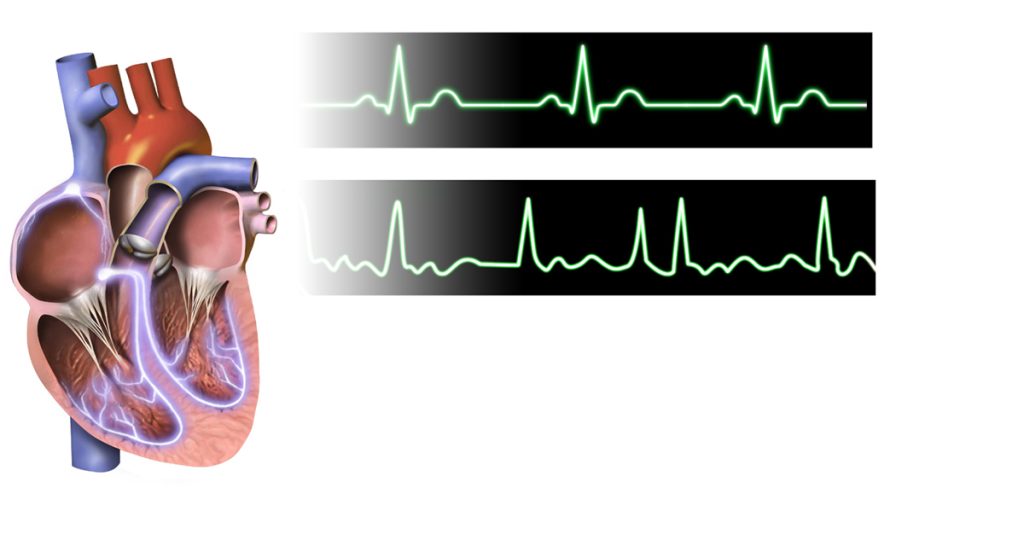
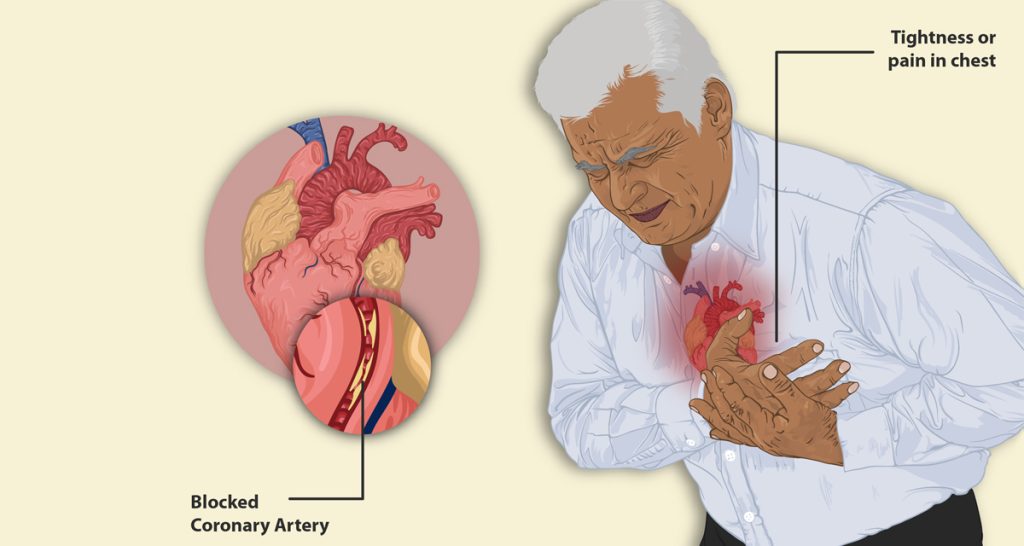
Atrial Fibrillation Overview Atrial fibrillation (AF or AFib) is a common type of irregular heartbeat that affects millions of people worldwide. It occurs when the upper chambers of the heart (the atria) beat irregularly and out of coordination with the lower chambers (the ventricles). This can lead to a fast, fluttering, or pounding heartbeat, and increases the risk of stroke, heart failure, and other heart-related complications. Some people may feel palpitations, fatigue, dizziness, chest discomfort, or shortness of breath — but others have no symptoms at all, making the condition difficult to detect without a medical check-up. Atrial fibrillation Over Time AF can be occasional (paroxysmal), persistent, or permanent, and may worsen over time if left unmanaged. It’s more common in older adults, especially those with high blood pressure, diabetes, or heart disease. In South Africa, where heart disease is on the rise and regular check-ups may be limited in some communities, early detection and treatment is critical to preventing long-term complications like stroke. Understanding Atrial Fibrillation This is a serious condition that can significantly impact heart health, but with proper management, many individuals live active and fulfilling lives. Recognising symptoms early, such as palpitations or fatigue, and seeking timely medical intervention is key to reducing the risk of complications like stroke or heart failure. The Importance of Early Detection in South Africa In South Africa, where heart disease is prevalent, early diagnosis and management are crucial. Regular check-ups and awareness of risk factors like hypertension can help reduce the burden of this condition, especially in under-resourced areas. 👉 [Next: Causes and Risk Factors of Atrial Fibrillation] Treatment and Management of Atrial Fibrillation Diagnosis of Atrial Fibrillation Complications of Atrial Fibrillation Living Well with Atrial Fibrillation

Atrial Fibrillation Read More »

Causes and Risk Factors of Atrial Fibrillation

Causes and Risk Factors of Atrial Fibrillation

Causes and Risk Factors of Atrial Fibrillation Atrial fibrillation develops when the electrical signals that control the heartbeat become disorganised, causing the atria to contract irregularly. Causes and risk factors of atrial fibrillation include several underlying conditions and lifestyle factors increase the risk. Common causes: Additional risk factors: Causes and Risk Factors of Atrial Fibrillation In South Africa, hypertension and lifestyle-related risk factors are major contributors to AF cases. In rural and lower-income communities, late diagnosis is common due to limited access to routine ECG screenings. Prompt evaluation of symptoms like palpitations or fainting spells is important, especially in individuals with known risk factors. Identifying and Managing Risk Factors Atrial fibrillation can result from various conditions, such as hypertension and heart disease, alongside lifestyle choices like smoking and excessive alcohol consumption. Recognising these risk factors early and addressing them through medication, lifestyle changes, and regular check-ups can reduce the likelihood of developing AF. Addressing the Challenges in South Africa In South Africa, lifestyle-related risk factors like hypertension and obesity are prevalent, making AF more common. However, early detection and management are hindered in rural and under-resourced areas. Raising awareness and improving access to screening can help reduce the burden of atrial fibrillation and prevent serious complications. 👉 [Next: Diagnosis of Atrial Fibrillation] Atrial Fibrillation Treatment and Management of Atrial Fibrillation Complications of Atrial Fibrillation Living Well with Atrial Fibrillation

Causes and Risk Factors of Atrial Fibrillation Read More »

Diagnosis of Atrial Fibrillation

Diagnosis of Atrial Fibrillation

Diagnosis of Atrial Fibrillation AF is diagnosed by recording the heart’s electrical activity and rhythm. Diagnosis may occur during a routine exam or while evaluating symptoms such as a racing heart or shortness of breath Learn more about the diagnosis of atrial fibrillation in the 6 points below. Diagnostic methods: Diagnosis of Atrial Fibrillation In South Africa, public hospitals and clinics provide ECGs, but advanced monitoring may only be available in larger urban centres or private cardiology practices. If symptoms are missed or ignored, AF may go undiagnosed for years — increasing stroke risk. Early Diagnosis Saves Lives Accurate and timely diagnosis of atrial fibrillation is essential to prevent serious complications like stroke. Using tools such as ECG, Holter monitors, and echocardiograms, healthcare providers can detect AF early, even during asymptomatic episodes. Bridging the Gap in South Africa In South Africa, while ECGs are widely available in public health settings, advanced diagnostic methods are often more accessible in urban areas or private clinics. Early detection through regular check-ups, especially for those at risk, is vital for reducing the long-term impact of AF and ensuring effective management. 👉 [Next: Treatment and Management of Atrial Fibrillation] Atrial Fibrillation Causes and Risk Factors of Atrial Fibrillation Living Well with Atrial Fibrillation Complications of Atrial Fibrillation

Diagnosis of Atrial Fibrillation Read More »

Treatment and Management of Atrial Fibrillation

Treatment and Management of Atrial Fibrillation

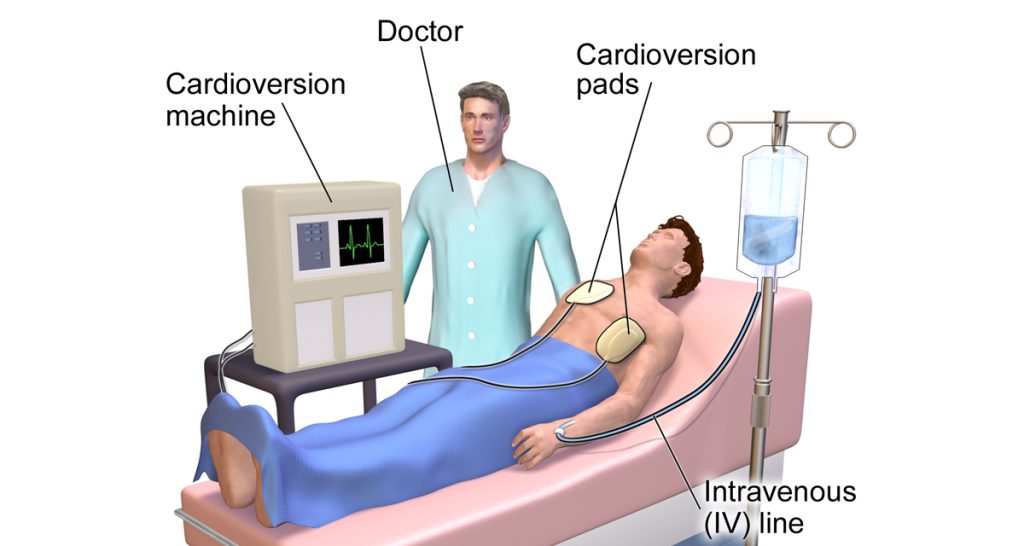
Treatment and Management of Atrial Fibrillation The treatment and management of atrial fibrillation focuses on controlling heart rate, restoring rhythm, and preventing stroke. The approach depends on the type of AF, severity of symptoms, and underlying causes. Treatment options include: Treatment and Management of Atrial Fibrillation Doctors should closely monitor South African patients on anticoagulants due to bleeding risks and the need for regular lab checks, such as INR for those taking warfarin. While ablation therapy is available at major cardiac centres, access may be limited in the public sector. A Tailored Approach to Treatment Managing atrial fibrillation requires a personalised plan based on the individual’s symptoms, risks, and overall health. Whether through medication, procedures like cardioversion or ablation, or lifestyle adjustments, the goal is to control rhythm and reduce the risk of complications — especially stroke. Supporting Patients in South Africa In South Africa, access to specialised cardiac care varies, but many patients benefit from medication and basic monitoring through public health services. Education, adherence to treatment, and regular follow-ups are key to managing AF safely and effectively. With the right support, long-term control and a healthier life are possible. 👉 [Next: Complications of Atrial Fibrillation] Atrial Fibrillation Diagnosis of Atrial Fibrillation Causes and Risk Factors of Atrial Fibrillation Living Well with Atrial Fibrillation

Treatment and Management of Atrial Fibrillation Read More »

Complications of Atrial Fibrillation

Complications of Atrial Fibrillation

Complications of Atrial Fibrillation The complications of atrial fibrillation includes rising risks of serious medical events, especially when untreated. 1. StrokeAF causes blood to pool in the atria, leading to clot formation. If a clot travels to the brain, it causes a stroke. AF increases stroke risk fivefold.Warning signs: Sudden weakness, slurred speech, facial drooping, vision loss, or confusion. 2. Heart failureUncontrolled AF may weaken the heart muscle, especially if the heart beats too fast for extended periods. 3. Chronic fatigue and reduced quality of lifeAF can cause decreased energy levels, difficulty exercising, and poor sleep. 4. Blood clots elsewhereClots may travel to the lungs (pulmonary embolism) or limbs, causing dangerous complications. 5. Cognitive declineSome studies link AF with an increased risk of dementia due to reduced brain perfusion and micro-clots. Complications of Atrial Fibrillation Preventing complications requires early diagnosis, ongoing treatment, and adherence to lifestyle changes and medications. Patients with AF must be educated about stroke signs and the importance of daily medication adherence. The Serious Impact of Untreated AF Atrial fibrillation may seem manageable at first, but its complications can be life-threatening if not properly addressed. Stroke remains the most devastating risk, but heart failure, fatigue, and cognitive decline also reduce quality of life. Awareness of symptoms and early medical intervention are critical. Staying Ahead of the Risks In South Africa, access to ongoing care, stroke education, and affordable medication plays a vital role in reducing complications. With proper management, including lifestyle changes and adherence to treatment, patients can protect themselves from the most serious outcomes and maintain long-term health and independence. 👉 [Next: Living Well with Atrial Fibrillation] Atrial Fibrillation Treatment and Management of Atrial Fibrillation Causes and Risk Factors of Atrial Fibrillation Diagnosis of Atrial Fibrillation

Complications of Atrial Fibrillation Read More »

Living Well with Atrial Fibrillation

Living Well with Atrial Fibrillation

Living Well with Atrial Fibrillation With the right approach, living well with atrial fibrillation is manageable. Many people with the condition lead long, active, and fulfilling lives by prioritising heart health and lifestyle stability. Daily self-care tips: Living Well with Atrial Fibrillation Keep regular follow-ups with your healthcare provider to adjust medications and monitor for changes. Many South African clinics provide access to free or affordable chronic care services for conditions like AF. Education and awareness are crucial. By understanding your condition and making lifestyle adjustments, you can significantly reduce your risk of stroke and enjoy a higher quality of life. Thriving with Atrial Fibrillation Atrial fibrillation doesn’t have to limit your life. With a strong focus on self-care, medication adherence, and regular check-ups, many people manage the condition successfully. Making heart-healthy choices every day can dramatically reduce the risk of complications like stroke and improve overall wellbeing. Building Support and Routine In South Africa, where access to care can vary, chronic condition management is supported by many public clinics and health initiatives. Staying informed, making smart lifestyle decisions, and working closely with your healthcare team empowers you to live well — not just with AF, but with confidence and control. 👉 [End of Series | Back to Overview] Treatment and Management of Atrial Fibrillation Complications of Atrial Fibrillation Diagnosis of Atrial Fibrillation Causes and Risk Factors of Atrial Fibrillation

Living Well with Atrial Fibrillation Read More »

Scroll to Top