Mental Matters

Health & Wellness

Atopic Eczema

Atopic Eczema Overview

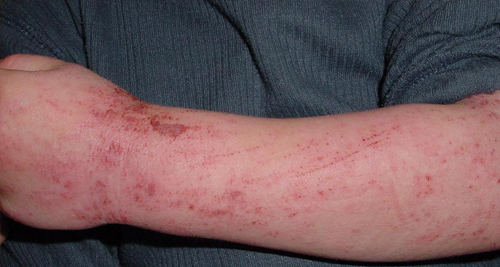
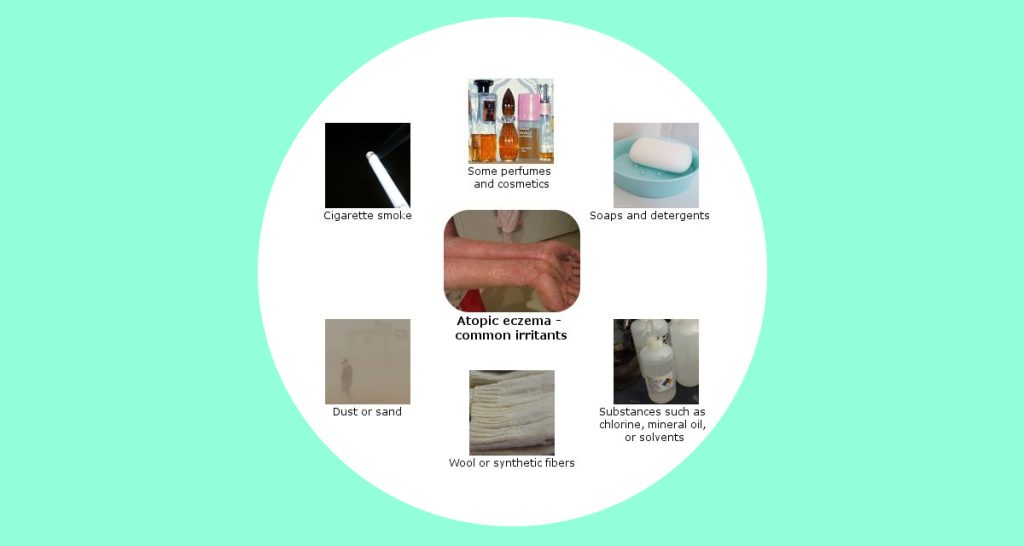
Atopic Eczema Overview Atopic eczema, also called atopic dermatitis, is a chronic skin condition that causes dry, itchy, and inflamed skin. It often begins in early childhood but can persist or even begin in adulthood. The term “atopic” refers to a genetic tendency toward allergic conditions like asthma and hay fever. Conditions The condition varies in severity — for some, it’s a mild nuisance; for others, it’s life-altering. Eczema flare-ups can affect the face, hands, neck, elbows, and behind the knees, though any area may be involved. The skin becomes red, cracked, sore, and may weep fluid. Scratching often worsens the irritation, creating a cycle that’s hard to break. In South Africa, climate, allergens, and limited access to skincare in some communities make eczema particularly difficult to manage. Hot summers, dry winters, dust, and poor air quality can all trigger flare-ups. While it isn’t contagious, eczema can affect mental health, confidence, and quality of life. Understanding its causes, triggers, and management options is essential for long-term control. A Widespread and Challenging Condition Atopic eczema is a common but often misunderstood condition that affects people of all ages. Its dry, itchy, and inflamed skin symptoms can interfere with daily life, sleep, and self-esteem. For many, especially in South Africa, managing eczema is an ongoing challenge due to climate, allergens, and healthcare access. Empowerment Through Awareness While there is no cure, understanding what eczema is — and how to manage its causes and triggers — can dramatically improve quality of life. With the right combination of skincare, lifestyle changes, and medical support, flare-ups can be reduced, helping individuals live more comfortably and confidently. 👉 [Next: Causes and Triggers of Atopic Eczema] Prevention and Daily Care for Eczema Complications of Atopic Eczema Treatment of Atopic Eczema Diagnosis of Atopic Eczema
Atopic Eczema Overview Read More »

Causes and Triggers of Atopic Eczema

Causes and Triggers of Atopic Eczema

Causes and Triggers of Atopic Eczema The exact causes and triggers of atopic eczema isn’t fully understood, but it appears to result from a mix of genetics, immune system dysfunction, and environmental triggers. People with eczema often have a weakened skin barrier, allowing moisture to escape and irritants or allergens to enter. Main causes and contributing factors: Common triggers: In South Africa, eczema often worsens in dry winters or hot humid climates, and urban pollution may exacerbate flare-ups. Overwashing and harsh soaps are frequent culprits. Avoiding triggers is as important as treatment itself — personalised management helps reduce flare frequency and severity. Understanding the Root Causes Atopic eczema arises from a combination of genetic factors and environmental influences. A weakened skin barrier, combined with an overreactive immune system, makes individuals more vulnerable to irritants and allergens. While the exact cause may vary, recognising these contributing elements is key to effective, personalised care. Managing Triggers in Everyday Life In South Africa, climate extremes, pollution, and harsh skincare products are common eczema triggers. Identifying and avoiding personal irritants — whether food, fabric, or stress — plays a major role in long-term control. With awareness and consistent management, many flare-ups can be minimised, improving comfort and skin resilience over time. 👉 [Next: Diagnosis of Atopic Eczema] Atopic Eczema Overview Treatment of Atopic Eczema Complications of Atopic Eczema Prevention and Daily Care for Eczema

Causes and Triggers of Atopic Eczema Read More »

Diagnosis of Atopic Eczema

Diagnosis of Atopic Eczema
Diagnosis of Atopic Eczema Diagnosis of atopic eczema is usually based on clinical observation and medical history. A healthcare provider will look for the characteristic skin changes, ask about itching, and consider any family history of allergic diseases. Common Tests During Diagnosis of Atopic Eczema There’s no single test for eczema, but certain tests may be used to rule out similar conditions or identify triggers: In South Africa, diagnosis is generally made by a GP or dermatologist. In rural areas with limited specialist access, community clinics play a crucial role in identification and early treatment. The Value of a Clear Diagnosis Diagnosing atopic eczema early helps guide effective treatment and avoids unnecessary or harmful interventions. Since no single test confirms eczema, diagnosis is typically based on visible symptoms, personal history, and possible allergy testing to rule out other skin conditions. Supporting Early Diagnosis in South Africa In South Africa, where access to dermatologists may be limited, especially in rural areas, general practitioners and clinic nurses are essential in recognising and managing eczema. A timely and accurate diagnosis ensures families receive proper guidance, avoid steroid misuse, and begin appropriate care — improving long-term outcomes and skin health. Accurate diagnosis ensures proper care and avoids overuse of steroid creams or ineffective treatments. 👉 [Next: Treatment of Atopic Eczema] Atopic Eczema Overview Causes and Triggers of Atopic Eczema Complications of Atopic Eczema Prevention and Daily Care for Eczema
Diagnosis of Atopic Eczema Read More »
Treatment of Atopic Eczema

Treatment of Atopic Eczema

Treatment of Atopic Eczema Treatment of atopic eczema aims to reduce inflammation, relieve itching, and repair the skin barrier. Management typically involves a combination of moisturisers, topical treatments, and lifestyle adjustments. Core Treatment of atopic eczema: In South Africa, many over-the-counter emollients are available, but prescription treatments and phototherapy may only be found in urban hospitals or dermatology clinics. Cost and access can limit options for many families. A Tailored Approach to Treatment Effective treatment of atopic eczema requires more than just one solution — it’s a combination of consistent moisturising, targeted topical therapies, and lifestyle adjustments that work together to restore the skin barrier and reduce inflammation. Each person’s treatment needs may vary depending on severity, age, and sensitivity. Accessibility and Support in South Africa While emollients are widely available over the counter, advanced treatments like phototherapy and stronger prescription creams may be harder to access, especially outside urban centres. By working closely with healthcare providers and choosing affordable, appropriate options, families can successfully manage eczema and improve daily comfort and skin health. 👉 [Next: Complications of Atopic Eczema] Diagnosis of Atopic Eczema Atopic Eczema Overview Causes and Triggers of Atopic Eczema Treatment of Contact Dermatitis

Treatment of Atopic Eczema Read More »

Complications of Atopic Eczema

Complications of Atopic Eczema

Complications of Atopic Eczema If left untreated or poorly managed, atopic eczema can lead to several short- and long-term complications. Learn more about the complications of atopic eczema in the 5 points below. Short and Long-Term Complications of Atopic Eczema 1. Skin infections 2. Sleep disturbance and fatigue 3. Skin thickening (lichenification) 4. Scarring and pigmentation changes 5. Mental health issues Why Complications Matter Atopic eczema is more than just a skin condition — when not properly managed, it can lead to significant physical and emotional challenges. From infections and permanent skin changes to sleep disruption and mental health struggles, the impact can affect quality of life at every stage. Taking Early Action Fortunately, most complications are preventable with early treatment, a consistent skincare routine, and awareness of triggers. Reducing scratching, managing stress, and seeking support when needed are all essential. By staying proactive, individuals and caregivers can protect skin health, improve comfort, and prevent the long-term consequences of untreated eczema. Preventing complications involves prompt treatment, avoiding scratching, managing stress, and sticking to a good skincare routine — even during clear skin phases. 👉 [Next: Prevention and Daily Care for Eczema] Diagnosis of Atopic Eczema Atopic Eczema Overview Causes and Triggers of Atopic Eczema Treatment of Atopic Eczema

Complications of Atopic Eczema Read More »

Prevention and Daily Care for Eczema

Prevention and Daily Care for Eczema

Prevention and Daily Care for Eczema Effective management goes beyond medication — everyday skincare and lifestyle adjustments can significantly reduce flare-ups and improve quality of life Learn more about the prevention and daily care for eczema below. Daily care tips: Preventing flare-ups: Prevention and Daily Care for Eczema For South African families, affordability can be a challenge — look for generic or clinic-dispensed moisturisers and avoid over-relying on topical steroids without medical advice. Living with eczema requires patience, education, and consistency. But with the right strategy, flare-ups can be controlled, and skin health can be restored. Managing Eczema with Daily Care Living with eczema involves more than just treating symptoms — it requires a proactive, consistent routine that supports skin health every day. Simple habits like gentle bathing, regular moisturising, and avoiding known irritants can make a significant difference in preventing flare-ups and maintaining comfort. Practical Support for South African Families In South Africa, where cost may limit access to certain products, affordable options like clinic-dispensed creams or generic moisturisers are essential. With patience, awareness of triggers, and long-term care strategies, families can successfully manage eczema. Empowerment through education is key to restoring confidence and improving everyday quality of life. 👉 [End of Series | Back to Overview] Complications and Recovery from Crohn’s Disease Treatment of Atopic Eczema Causes and Triggers of Atopic Eczema Symptoms of Crohn’s Disease Diagnosis of Atopic Eczema

Prevention and Daily Care for Eczema Read More »

Athlete’s Foot

Athlete’s Foot Overview

Athlete’s Foot Overview Athlete’s foot is a fungal skin infection that affects the feet, most commonly between the toes. It’s caused by dermatophyte fungi and thrives in warm, moist environments. Despite its name, anyone can get it — not just athletes. Symptoms Symptoms include itching, burning, cracked or peeling skin, redness, and sometimes an unpleasant odour. The infection spreads easily, particularly in shared showers, locker rooms, and gyms, or through contaminated towels and shoes. It’s very common in South Africa due to the warm climate, barefoot walking habits, and shared public facilities. Though not life-threatening, this can lead to complications if left untreated. Practicing good hygiene and prompt treatment helps clear the infection and prevent its return. A Common Yet Manageable Condition Athlete’s foot is a widespread fungal infection, especially in warm climates like South Africa. Though often mild, it can become persistent or lead to secondary infections if ignored. Recognising the symptoms early — such as itching, cracked skin, or odour — is key to effective treatment. Prevention and Long-Term Care Maintaining good foot hygiene, wearing breathable shoes, avoiding walking barefoot in public areas, and treating infections promptly can help prevent recurrence. With simple lifestyle adjustments and antifungal treatment, most cases clear up quickly. Awareness and consistent care are essential to keeping feet healthy and fungus-free in the long term. 👉 [Next: Causes of Athlete’s Foot] Complications of Athlete’s Foot Treatment of a Cracked Rib Complications and Recovery from a Cracked Rib Diagnosis of a Cracked Rib Causes of a Cracked Rib

Athlete’s Foot Overview Read More »

Causes of Athlete’s Foot

Causes of Athlete’s Foot

Causes of Athlete’s Foot Athlete’s foot is caused by fungi called dermatophytes, which live on skin, nails, and hair. These fungi thrive in warm, damp environments, especially in enclosed footwear or communal spaces. Read more about the causes of athlete’s foot below. Common causes: People with diabetes, weakened immune systems, or a history of fungal infections are more prone. In South Africa’s warm climate, it’s easy to become infected and reinfected without proper care. The infection is highly contagious and can spread through direct contact or contaminated surfaces. Reinfection is common if hygiene habits or footwear aren’t improved. 👉 [Next: Diagnosis of Athlete’s Foot] What I Reach for When Panic Hits Causes of Corns Causes of Compartment Syndrome Complications of Athlete’s Foot Athlete’s Foot Overview

Causes of Athlete’s Foot Read More »

Diagnosis of Athlete’s Foot

Diagnosis of Athlete’s Foot

Diagnosis of Athlete’s Foot The diagnosis of athlete’s foot is usually straightforward. Doctors can often recognise it through physical examination alone, based on the visible signs: scaling skin, cracking between toes, itching, or burning. If needed, further tests may be done: In South Africa, many mild cases are treated over the counter, but chronic or recurrent infections should be seen by a GP or dermatologist. Early diagnosis prevents the infection from spreading to the toenails or other areas like the groin or hands. 👉 [Next: Treatment of Athlete’s Foot] Complications of Athlete’s Foot Athlete’s Foot Overview Diagnosis of Aspergillosis Causes of Athlete’s Foot Symptoms of Cataracts in Children

Diagnosis of Athlete’s Foot Read More »

Treatment of Athlete’s Foot

Treatment of Athlete’s Foot

Prevention of Athlete’s Foot(Opens in a new browser tab) Treatment of Athlete’s Foot For the treatment of athlete’s foot, the following methods and supportive measures are commonly affective. Mild athlete’s foot responds well to topical antifungal creams, powders, or sprays, such as: Applying Treatments Apply treatments for 2 to 4 weeks — even after symptoms disappear — to ensure the fungus is fully eradicated. In more severe or persistent cases, doctors may prescribe oral antifungal medication like fluconazole or itraconazole. Nail involvement may require longer treatment. Supportive measures: Some natural remedies like tea tree oil may help, but they shouldn’t replace medical treatment. 👉 [Next: Complications of Athlete’s Foot] Treatment Options for Balanitis Treatment for Aspergillosis Treatment of Chilblains Treatment of Cold Sores

Treatment of Athlete’s Foot Read More »

Scroll to Top