Mental Matters

Health & Wellness

Symptoms and Recognition of Acute Cholecystitis

Symptoms and Recognition of Acute Cholecystitis

Symptoms and Recognition of Acute Cholecystitis presents with a sudden onset of pain, often so severe it brings patients to the emergency room. Recognising the signs early can lead to quicker intervention and better outcomes. Primary Symptoms Pain usually begins suddenly and builds rapidly over 1–3 hours. It typically lasts more than six hours. Patients may have difficulty taking deep breaths due to pain. In rural areas of South Africa, where medical facilities may be scarce, patients often delay seeking care, which can worsen outcomes. When to Seek Emergency Care for Symptoms and Recognition of Acute Cholecystitis 🔹 Next → [Diagnosis and Treatment of Acute Cholecystitis] Symptoms of a Broken Rib Complications and Long-Term Outlook of Acute Cholecystitis Causes and Risk Factors of Acute Cholecystitis Acute Cholecystitis

Symptoms and Recognition of Acute Cholecystitis Read More »

Diagnosis and Treatment of Acute Cholecystitis

Diagnosis and Treatment of Acute Cholecystitis

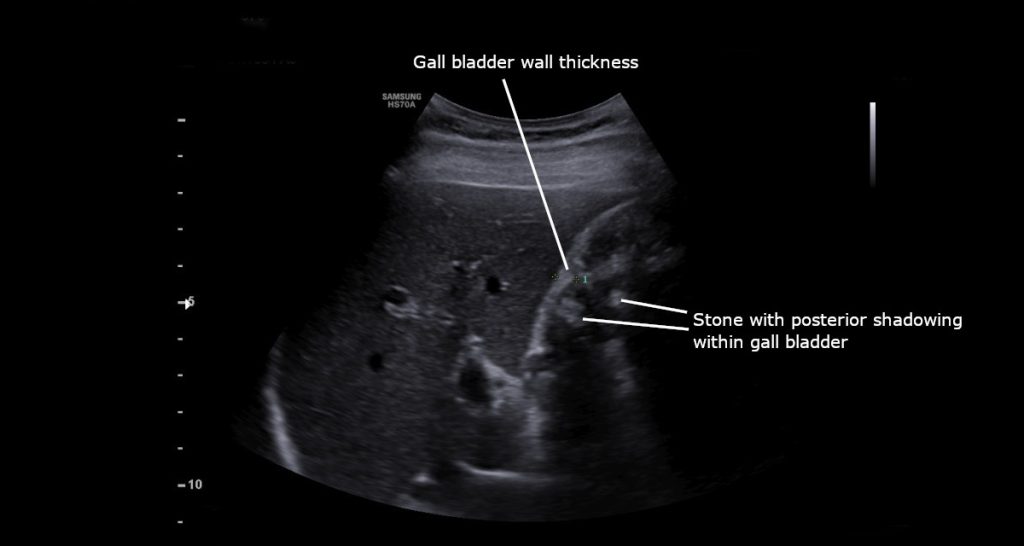
Diagnosis and Treatment of Acute Cholecystitis. A quick and accurate diagnosis is essential to prevent complications. Common Diagnostic Tools: In well-equipped hospitals in South Africa’s cities, imaging is usually available. In more remote areas, delays in diagnosis can lead to higher complication rates. Treatment Options In rural public hospitals, Diagnosis and Treatment of Acute Cholecystitis surgery may be delayed due to resource constraints. Patients are often transferred to regional centres. 🔹 Next → [Complications and Long-Term Management] Van Niekerk C S Gastroenterologist Pretoria Causes and Risk Factors of Acute Cholecystitis Symptoms and Recognition of Acute Cholecystitis Acute Cholecystitis(Opens in a new browser tab)

Diagnosis and Treatment of Acute Cholecystitis Read More »

Complications and Long-Term Outlook of Acute Cholecystitis

Complications and Long-Term Outlook of Acute Cholecystitis

Complications and Long-Term Outlook of Acute Cholecystitis If not treated promptly, acute cholecystitis can lead to life-threatening complications. The inflammation may spread, or the gallbladder can rupture. Potential Complications Long-Term Management After recovery, patients must: Can You Live Without a Gallbladder? Yes. After a cholecystectomy, bile flows directly from the liver into the intestine. Some patients experience mild indigestion or looser stools initially, but most adjust well. Final Thoughts on Complications and Long-Term Outlook of Acute Cholecystitis Acute cholecystitis is a treatable but serious condition. In South Africa and globally, early recognition and treatment can prevent major complications. With timely surgery and lifestyle adjustments, patients often recover fully and lead normal lives. Bone Cysts Recovery and Long-Term Outlook Causes and Risk Factors of Acute Cholecystitis Symptoms and Recognition of Acute Cholecystitis Acute Cholecystitis Diagnosis and Treatment of Acute Cholecystitis

Complications and Long-Term Outlook of Acute Cholecystitis Read More »

Actinomycosis

Actinomycosis

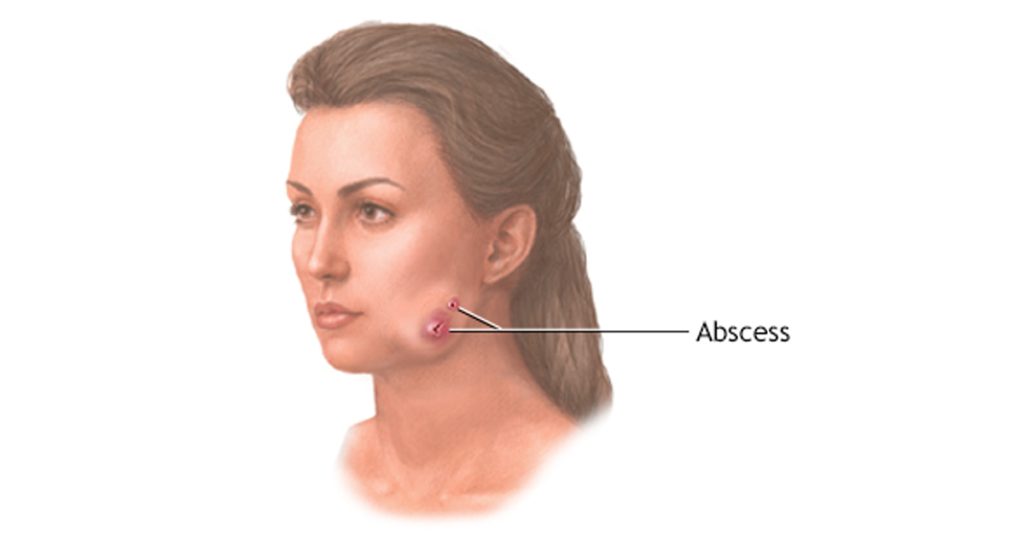
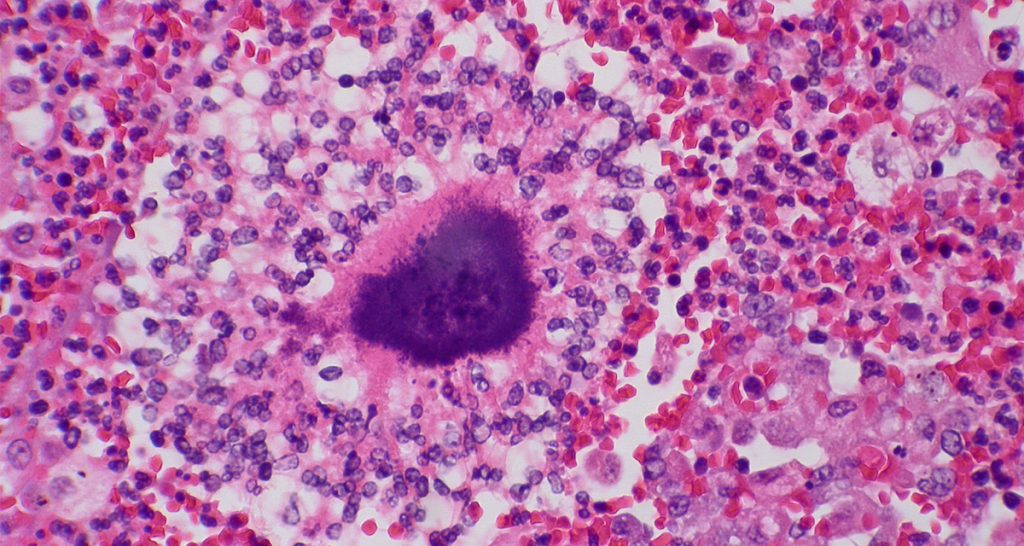
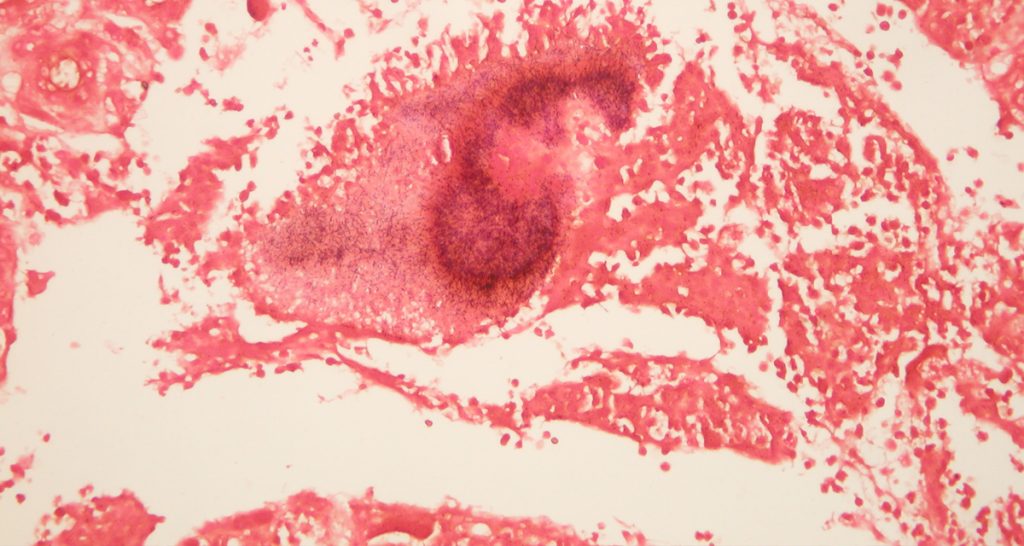
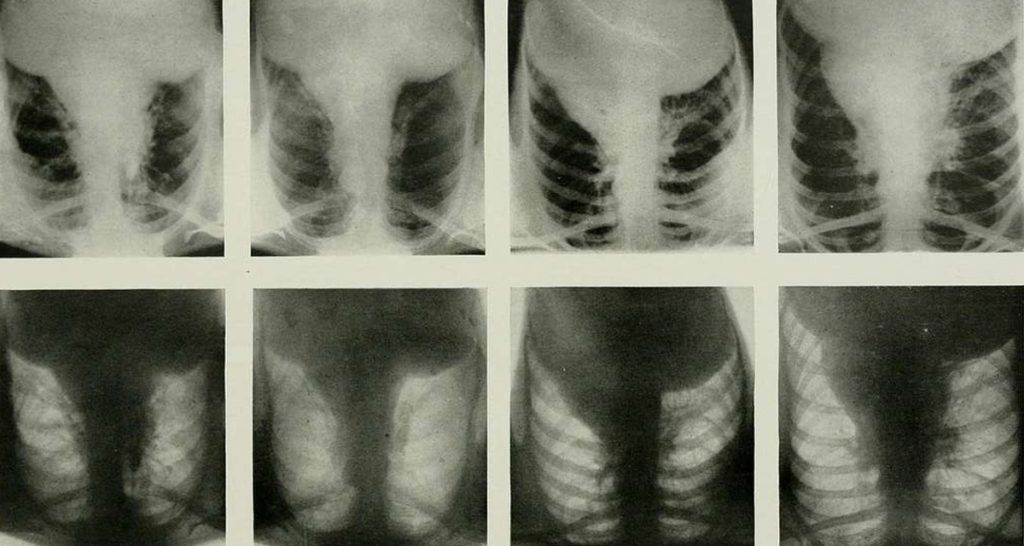
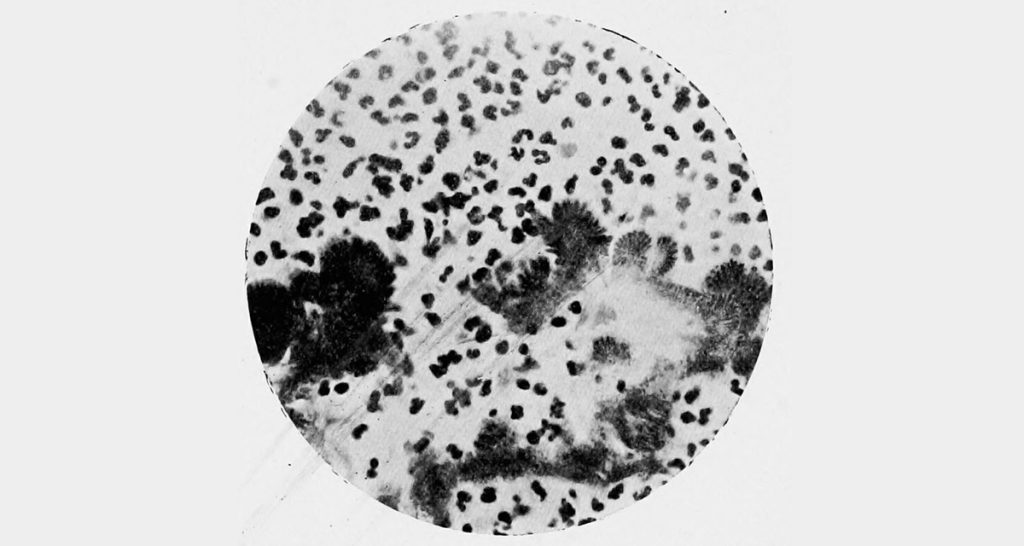
What Is Actinomycosis? Actinomycosis is a rare but serious chronic infection caused by Actinomyces bacteria — most commonly Actinomyces israelii. These bacteria are part of the body’s natural flora, typically found in the mouth, throat, digestive tract, and female reproductive organs. Under normal conditions, they cause no harm. However, when the mucosal barrier breaks due to injury, surgery, or dental trauma, these bacteria can enter deeper tissues. Once inside, they trigger infections that lead to painful abscesses, swelling, and draining sinus tracts that may discharge pus containing yellowish “sulphur granules.” A Global but Often Overlooked Disease Although uncommon, actinomycosis still occurs in both developed and developing countries. The infection has become less frequent in modern medical settings due to improved hygiene and antibiotic access. Still, it remains a significant health concern in areas with limited resources. Poor oral hygiene, delayed medical care, and poor nutrition all increase the risk — particularly in rural and under-resourced communities across South Africa. In many of these settings, patients often delay seeking treatment until the disease has advanced. This leads to diagnostic confusion, especially since actinomycosis can closely mimic conditions like cancer or tuberculosis. For example, a firm lump along the jawline or a draining wound on the chest may appear identical to a malignancy or TB abscess on imaging and clinical examination. Key Facts About Actinomycosis Why Awareness Matters Although actinomycosis is curable, the slow progression and unusual symptoms often delay diagnosis. Without proper treatment, the infection can become disabling. That’s why awareness remains critical — not just among patients but also healthcare workers. In South Africa, better training and earlier recognition can help prevent unnecessary surgeries, reduce complications, and improve long-term outcomes. 🔹 Next → [Causes and Risk Factors of Actinomycosis] Medical Management After Brain Death Complications and Long-Term Outlook of Actinomycosis Symptoms and Types of Actinomycosis Diagnosis and Treatment of Actinomycosis

Actinomycosis Read More »

Causes and Risk Factors of Actinomycosis

Causes and Risk Factors of Actinomycosis

Causes and Risk Factors of Actinomycosis The causes and risk factors of actinomycosis revolve around how Actinomyces bacteria, which usually live harmlessly in the mouth, throat, and gut, gain access to deeper body tissues. These bacteria become dangerous only when they invade areas where they don’t belong. This usually happens after trauma, infection, or surgical procedures that break the protective barriers of the body. Once inside, the bacteria trigger slow-growing infections that often mimic other diseases. How the Infection Begins Dental procedures are one of the most common entry points. Tooth extractions, gum disease, or untreated cavities allow the bacteria to move into facial tissues. As a result, cervicofacial actinomycosis — often called “lumpy jaw” — may develop, especially in those with poor oral hygiene or recent dental work. In the abdomen, trauma or gastrointestinal surgery can lead to infections. Conditions like diverticulitis sometimes cause bowel perforation. This lets bacteria escape the gut and spread into nearby tissues, forming abscesses that become difficult to treat. Thoracic actinomycosis usually follows pulmonary aspiration. This is more common in people who smoke, drink heavily, or maintain poor oral hygiene. Infections may settle in the lungs and mimic diseases like tuberculosis or lung cancer. Pelvic actinomycosis affects women who use intrauterine devices (IUDs) for longer than five years without monitoring. In these cases, bacteria colonise the device and spread to the surrounding organs, creating masses that resemble gynaecological cancers. Major Risk Factors Local Challenges in South Africa In South Africa, the causes and risk factors of actinomycosis often go unnoticed, particularly in primary healthcare settings. Unfortunately, many clinics still lack immediate access to reliable diagnostic tools. As a result, healthcare workers often rely on clinical signs alone, which can be misleading. Since symptoms of actinomycosis frequently resemble more common conditions like tuberculosis or cancer, doctors may easily misdiagnose the infection. Consequently, patients often receive inappropriate or delayed treatment, which allows the disease to progress further. In some cases, they undergo unnecessary surgical procedures or months of incorrect medication. Over time, this not only worsens patient outcomes but also places added pressure on an already strained healthcare system. Therefore, raising awareness among healthcare providers is essential. Targeted training and clinical education can help frontline staff recognise early signs of actinomycosis and consider it as a differential diagnosis. With faster recognition, patients are more likely to receive the right tests and treatments early on. Ultimately, early diagnosis can prevent severe complications, reduce hospital stays, and avoid unnecessary surgery. Most importantly, it can improve long-term recovery outcomes for patients — especially in rural and underserved communities across the country. Causes and Risk Factors of Actinomycosis 🔹 Next → [Symptoms and Types of Actinomycosis] Causes of Chest Infection Complications and Long-Term Outlook of Actinomycosis Actinomycosis Diagnosis and Treatment of Actinomycosis

Causes and Risk Factors of Actinomycosis Read More »

Symptoms and Types of Actinomycosis

Symptoms and Types of Actinomycosis

Symptoms and Types of Actinomycosis Actinomycosis is a chronic, slowly progressive infection caused by Actinomyces bacteria, Symptoms and Types of Actinomycosis — normally harmless organisms found in the mouth, throat, and gastrointestinal tract. These bacteria invade deeper tissues after trauma, dental procedures, or poor hygiene and trigger serious infections that affect different parts of the body. The infection forms hard, painful lumps that develop into abscesses and drain pus through abnormal sinus tracts in the skin. Actinomycosis progresses gradually, often over several weeks or even months. This slow development makes it difficult to diagnose, as it mimics other more common conditions. In South Africa, it is frequently mistaken for tuberculosis or even cancer, particularly in rural areas where diagnostic tools may be limited. Most Common Type of Actinomycosis The most common form is cervicofacial actinomycosis, also known as “lumpy jaw.” It typically occurs following dental infections, extractions, or facial trauma. Patients often present with swelling along the jaw or neck, firm masses under the skin, and draining abscesses that release yellowish pus containing characteristic “sulphur granules.” These painful lumps can make chewing or swallowing difficult and are often misdiagnosed as dental abscesses or oral cancers. Thoracic actinomycosis affects the lungs and chest cavity. It may begin with vague symptoms such as a persistent cough, mild fever, or chest discomfort, which worsen over time. In advanced cases, pus may erode through the chest wall, forming draining sinus tracts. Doctors frequently confuse this form with pulmonary tuberculosis or lung cancer because it shares similar symptoms and imaging results — both of which are major health concerns in Southern Africa. Abdominal and pelvic actinomycosis can result in fever, bloating, and persistent abdominal pain. It may create masses or abscesses that drain through the abdominal wall. Women who use intrauterine devices (IUDs) long-term often develop this type. The symptoms closely resemble ovarian or colon cancers, which can prompt doctors to perform unnecessary surgery when they don’t consider actinomycosis. Rarely, other forms may involve the brain or skin, typically after trauma. Brain abscesses cause headaches and neurological symptoms, while skin infections may follow open wounds. Because actinomycosis mimics other diseases, awareness of its types and symptoms remains vital — especially in high-risk areas like South Africa. 🔹 Next → [Diagnosis and Treatment of Actinomycosis] Vital Touch Therapy Centre Irene Centurion Actinomycosis Complications and Long-Term Outlook of Actinomycosis Causes and Risk Factors of Actinomycosis

Symptoms and Types of Actinomycosis Read More »

Diagnosis and Treatment of Actinomycosis

Diagnosis and Treatment of Actinomycosis

Diagnosis and Treatment of Actinomycosis Diagnosis and Treatment of Actinomycosis can be difficult due to its slow progression and non-specific symptoms. There’s no quick blood test, and the condition is often misdiagnosed without a tissue sample. Diagnostic Methods: South African clinics may initially misclassify actinomycosis as TB due to similar symptoms. It’s essential that clinicians request anaerobic cultures when actinomycosis is suspected. Treatment The cornerstone of treatment is long-term antibiotic therapy. 1. Antibiotics 2. Surgical Drainage 3. Dental and Gynaecological Care Prognosis is excellent with early treatment. However, in areas with limited access to diagnostics and follow-up, complications may arise due to delayed or inadequate treatment. 🔹 Next → [Complications and Long-Term Outlook of Actinomycosis] Treatment Options for Brain Abscess Actinomycosis Symptoms and Types of Actinomycosis Causes and Risk Factors of Actinomycosis

Diagnosis and Treatment of Actinomycosis Read More »

Complications and Long Term Outlook of Actinomycosis

Complications and Long-Term Outlook of Actinomycosis

Complications and Long Term Outlook of Actinomycosis Complications and Long-Term Outlook of Actinomycosis can lead to serious and long-lasting health problems if left untreated, misdiagnosed, or if treatment is not completed. This chronic bacterial infection often progresses slowly, making early detection challenging. Once it spreads, the infection can create deep abscesses, form sinus tracts that discharge pus, and cause extensive tissue damage. In severe cases, these sinus tracts remain open for months, draining continuously and becoming sites of secondary infection. When the bacteria invade deeper structures, they can infect bones—particularly the jaw or skull—leading to a painful condition known as osteomyelitis. Without intervention, actinomycosis can spread to the chest, lungs, abdomen, pelvis, and even the brain. These complications may result in long hospital stays, surgeries, and in rare cases, life-threatening sepsis. Facial actinomycosis can leave disfiguring scars due to chronic swelling, skin breakdown, and repeated abscesses. This form often follows dental infections or poor oral hygiene and tends to persist unless treated aggressively with long-term antibiotics and, in some cases, surgery. People in South Africa’s rural and under-resourced regions face increased risk. Limited access to diagnostic tools, antibiotics, and follow-up care means patients often live with symptoms for months before receiving a proper diagnosis. Incomplete treatment—whether due to cost, lack of access, or misunderstanding—further increases the risk of chronic complications. Long-Term Outlook When healthcare providers diagnose and treat actinomycosis early, most patients recover fully. Treatment usually involves high-dose penicillin or other antibiotics over several weeks or months. Surgical drainage of abscesses or removal of infected tissue may be necessary in more advanced cases. Patients with pelvic or thoracic involvement require close monitoring. Recurrence is rare but can occur if treatment is stopped too soon. How to Prevent Complications While actinomycosis remains rare, early recognition—especially by healthcare providers—can prevent disfigurement, invasive surgeries, and long-term disability. Educating both patients and practitioners is key to reducing the impact of this overlooked disease, particularly in underserved communities. Complications and Long-Term Outlook of Actinomycosis Bone Cysts Recovery and Long-Term Outlook Actinomycosis Causes and Risk Factors of Actinomycosis Diagnosis and Treatment of Actinomycosis Symptoms and Types of Actinomycosis

Complications and Long-Term Outlook of Actinomycosis Read More »

The Symptoms of Clinical Depression

The Symptoms of Clinical Depression

Clinical depression affects everyone differently — but there are common signs that can help you recognise when you, or someone you care about, might be experiencing more than just a passing low mood. How Depression Can Feel Depression isn’t just feeling sad. It’s a deep, persistent sense of emotional heaviness that can affect your thoughts, behaviours, body, and relationships. It often lingers for weeks or months, making daily life feel like a struggle. You might feel: How It Shows Up in the Body Depression doesn’t just affect the mind — it often shows up physically too: Everyday Things That Become Harder When you’re depressed, even simple tasks can feel overwhelming: What to Look for in Loved Ones If someone close to you seems withdrawn, low on energy, or “just not themselves,” they may be silently struggling. Gently checking in with them can make a difference. Recognising these symptoms early means you can seek support sooner. Depression is treatable — and the earlier you reach out, the easier it is to start feeling better. You can call SADAG at 0800 567 567 (24-hour suicide crisis line) or 0800 21 22 23 for mental health support. Lifeline is also available at 0861 322 322. Online support groups and therapy can also offer connection and guidance when you need it most. 👉 Next: What Causes Depression? Reviewed April 2025. Always consult a professional for individual guidance. Clinical Depression in Adults Working With – Not Against – My Depression Osman Orthodontics Pretoria West Osman Orthodontics Centurion Autism: The Early Signs to Look Out For

The Symptoms of Clinical Depression Read More »

Clinical Depression in Adults

Clinical Depression in Adults

We all feel down or low from time to time. It’s part of being human. But clinical depression—also known as major depressive disorder—is more than a temporary dip in mood. It’s a medical condition that can affect how you feel, think, and go about your daily life. Depression can leave you feeling persistently sad, flat, or emotionally drained for weeks or even months. It’s not about being lazy or dramatic. And no, you can’t just “cheer up” or “snap out of it”. However, with the right help, support, and sometimes treatment, most people with depression can and do recover. What Does Depression Feel Like? Depression shows up differently for everyone. Some people feel overwhelmingly sad or cry often. Others feel numb, irritable, or struggle to get out of bed. Things you once loved may no longer bring joy. You may feel hopeless, tired all the time, or struggle to concentrate. Alongside the emotional side, physical symptoms are also common—like disrupted sleep, changes in appetite, body aches, or low energy. It ranges from mild to severe. In milder cases, you might still manage your everyday routine, just with a heavy cloud hanging over you. In severe cases, depression can make it hard to function at all and may lead to thoughts of self-harm or suicide. When Should You Get Help? If your low mood has lasted more than a couple of weeks, or if it’s starting to affect your work, relationships, or overall quality of life—it’s time to reach out. Speak to a doctor or mental health professional. The sooner you get support, the sooner you can start feeling better. Many people wait too long to get help. You don’t have to wait for things to get “bad enough”. Reaching out early makes a difference. What Causes Depression? There isn’t one simple cause. It can be triggered by life events—like grief, divorce, trauma, financial stress, or losing your job. Sometimes it’s linked to physical health issues or hormone changes (like postnatal depression). For others, depression appears without any clear reason at all. Family history can also play a role, but even if depression runs in your family, it doesn’t mean you’re guaranteed to experience it. What Helps? Treatment looks different for everyone. For some, regular exercise and lifestyle changes help. Others benefit from therapy, support groups, or medication. Often, it’s a combination. In milder cases, a GP might recommend self-help strategies or “watchful waiting”—keeping an eye on symptoms while encouraging positive changes. For moderate to severe depression, talking therapies (like CBT) and antidepressants are commonly used. Severe cases may need specialised mental health care and more intensive support. Living With Depression It takes courage to face depression—but you don’t have to do it alone. Many people find that understanding their triggers, creating routines, and connecting with others can make a big difference. Support is out there—whether it’s a therapist, a friend, a support group, or a helpline. You deserve to feel better, and recovery is possible. 👉 Next: The Symptoms of Clinical Depression Below are some useful helplines: SOUTH AFRICA: SADAG (South African Depression and Anxiety Group)– 0800 456 789 (24hr Suicide Crisis Helpline)– 0800 12 13 14 or SMS 31393 (general mental health support) Lifeline South Africa– 0861 322 322 (24/7) Childline South Africa (for children & teens)– 0800 055 555 INTERNATIONAL: Befrienders Worldwide– www.befrienders.org Samaritans (UK)– 116 123 (free, 24/7)– www.samaritans.org National Suicide Prevention Lifeline (US)988 or 1-800-273-TALK (8255) Reviewed April 2025. Always consult a professional for individual guidance. Clinical Psychologist Centurion Treatment for Depression Clinical Psychologist Sandton What Is the Difference Between Anxiety and Depression? Working With – Not Against – My Depression

Clinical Depression in Adults Read More »

Scroll to Top