
Mental Matters

Health & Wellness

Addison's Disease FAQ

Addison’s Disease Frequently Asked Questions

In this FAQ section, we tackle some of the most frequently asked questions about Addison’s disease, focusing on aspects of living with the condition, managing daily life, and understanding its broader impact. If you’re newly diagnosed or simply looking for more insight, this guide is here to help. Do I Need to Adjust My Diet with Addison’s Disease? Yes, dietary adjustments may be recommended. Individuals with Addison’s disease often have a higher need for sodium, especially during times of stress or illness. A balanced diet with adequate salt intake, along with plenty of hydration, is essential. Your healthcare provider can offer personalized dietary guidelines based on your specific health needs. What’s the Relationship Between Addison’s Disease and Stress? Stress can have a significant impact on Addison’s disease. When you’re under physical or emotional stress, your body’s need for cortisol increases. People with Addison’s disease may need extra doses of their prescribed medication during times of high stress, like an illness, surgery, or personal crisis. Always consult your healthcare provider for guidance on managing stress and adjusting medication as needed. Can Addison’s Disease Be Managed Without Medication? Unfortunately, there is no natural way to manage Addison’s disease without medication. The condition requires lifelong hormone replacement therapy to replace the cortisol and aldosterone that your adrenal glands can’t produce. You must take your medication regularly as prescribed to maintain normal body functions and prevent an adrenal crisis. Can I Lead a Normal Life with Addison’s Disease? Yes, many people with Addison’s disease live full, active lives. With proper treatment and lifestyle management, including stress reduction, regular medical check-ups, and adherence to prescribed medication, people with Addison’s disease can lead normal lives. Staying on top of your health and being mindful of triggers will help you manage the condition effectively. Is Addison’s Disease Common? Doctors consider Addison’s disease rare, diagnosing it in only a small percentage of the population. While it can occur at any age, they most often identify it in adults between 30 and 50 years old. The disease can affect both men and women equally, although some forms are more prevalent in certain populations, such as those with autoimmune disorders. How Can I Spot an Addisonian Crisis? An Addisonian crisis is a medical emergency that occurs when the body is unable to respond to stress due to insufficient cortisol. Signs of an Addisonian crisis include extreme weakness, confusion, abdominal pain, nausea, vomiting, and low blood pressure. If you experience these symptoms, seek immediate medical attention. Treatment typically involves intravenous fluids and cortisol to stabilize your condition. Can Addison’s Disease Affect Pregnancy? Yes, but with proper care, many women with Addison’s disease can have successful pregnancies. It’s important to work closely with your healthcare provider to adjust medication doses during pregnancy. Regular monitoring and proper hormone replacement therapy can help manage the condition and reduce the risks to both mother and baby. What Should I Do if I Miss a Dose of My Medication? When missing a dose of your medication, it is recommended that you take it as soon as you remember. If it’s almost time for your next dose, skip the missed dose — never double up to make up for a missed one. If you’re unsure, contact your healthcare provider for guidance. Can I Participate in Sports or Exercise with Addison’s Disease? Yes, individuals with Addison’s disease can participate in sports or exercise, but it’s important to listen to your body and avoid pushing yourself too hard. Plan your exercise by staying well-hydrated, eating a balanced meal beforehand, and carrying your medication in case you need extra cortisol during physical exertion. Conclusion Living with Addison’s disease can present unique challenges, but with the right treatment, lifestyle adjustments, and support, you can lead a healthy and fulfilling life. If you ever have questions or concerns about your condition, remember that you’re not alone — reach out to your healthcare provider, connect with others, and keep learning about managing Addison’s disease effectively. 👉 Missed an article in the series? You can catch up here: • Understanding Addison’s Disease• The Symptoms of Addison’s Disease• What Causes Addison’s Disease?• How is Addison’s Disease Diagnosed?• Addison’s Disease Treatment Reviewed April 2025. Always consult a professional for individual guidance.


Addison’s Disease Frequently Asked Questions Read More »

Addison's Disease Treatment

Addison’s Disease Treatment

Addison’s disease is a lifelong condition, but with proper treatment, most people can lead a normal life. The goal of treatment is to replace the hormones your adrenal glands no longer produce and manage any symptoms that arise. Typically, this involves a combination of medication, lifestyle changes, and regular monitoring by healthcare professionals. Hormone Replacement Therapy The cornerstone of treatment for Addison’s disease is hormone replacement therapy. Since the adrenal glands don’t produce enough cortisol and aldosterone, doctors will prescribe synthetic versions of these hormones. Lifestyle Changes and Managing Stress Managing stress is a key part of living with Addison’s disease. Stress increases the body’s demand for cortisol, and during stressful situations, people with Addison’s may need to increase their medication temporarily. This could mean taking additional doses of hydrocortisone during times of physical stress, such as illness, injury, or surgery. Patients are also encouraged to maintain a balanced diet, ensuring they get enough salt, particularly during hot weather or when they’re sweating more than usual, as this can help support aldosterone function. Emergency Treatment An Addisonian crisis is a life-threatening situation that can occur if Addison’s disease isn’t properly managed. Symptoms of an Addisonian crisis include severe dehydration, low blood pressure, confusion, and loss of consciousness. This requires immediate emergency treatment with intravenous fluids, electrolytes, and high doses of cortisol. If you have Addison’s disease, it’s crucial to wear a medical alert bracelet or carry identification indicating your condition. This way, healthcare professionals can provide prompt treatment in case of an emergency. Ongoing Monitoring and Adjusting Treatment Once treatment starts, regular monitoring is crucial. Your doctor will regularly check your hormone levels and adjust your medication doses as necessary. Factors such as illness, stress, or changes in lifestyle can all influence how much medication you need, so maintaining open communication with your healthcare team is essential for managing your condition effectively. Conclusion While there is no cure for Addison’s disease, treatment is very effective at managing symptoms and preventing complications. With the right hormone replacement therapy, lifestyle adjustments, and regular monitoring, people with Addison’s disease can live full, active lives. Working closely with a healthcare provider is key to finding the right balance of treatment and staying healthy long-term. 👉 Next: Addison’s Disease Frequently Asked Questions Reviewed April 2025. Always consult a professional for individual guidance. Adjust Massage Nottingham What Causes Addison’s Disease? How is Addison’s Disease Diagnosed? Understanding Addison’s Disease

Addison’s Disease Treatment Read More »

How is Addison’s Disease Diagnosed

How is Addison’s Disease Diagnosed?

Diagnosing Addison’s disease can be tricky since its symptoms often overlap with other conditions. The process usually starts with a doctor reviewing your medical history and symptoms. They may perform a series of tests to confirm the diagnosis. Early detection is key, as untreated Addison’s disease can lead to life-threatening complications. Physical Exam and Medical History During your visit, your doctor will begin by asking about your symptoms and reviewing your medical history. They’ll also conduct a physical examination to look for common signs of Addison’s disease, such as darkened skin (known as hyperpigmentation), low blood pressure, and any unexplained weight loss. If Addison’s disease is suspected, further testing will follow. Blood Tests Blood tests are one of the main tools used to diagnose Addison’s disease. These tests measure the levels of various hormones, such as cortisol and aldosterone, which are produced by the adrenal glands. In Addison’s disease, these hormone levels are often lower than normal. Additionally, doctors will check sodium, potassium, and glucose levels in the blood. A key test is the ACTH Stimulation Test, which evaluates how well your adrenal glands respond to adrenocorticotropic hormone (ACTH). If your adrenal glands don’t produce enough cortisol in response to this test, it’s a strong indicator of Addison’s disease. Imaging Tests In some cases, imaging tests like a CT (computed tomography) scan or an MRI (magnetic resonance imaging) may be ordered. These can help doctors see if there is any damage or abnormalities in the adrenal glands. A CT scan, for example, can show if the adrenal glands are smaller or damaged, which is common in autoimmune forms of Addison’s disease. Additional Tests If a secondary cause is suspected, such as tuberculosis or cancer, doctors may order further tests to check for these conditions. This could include a chest X-ray, a skin biopsy, or tests for specific infections. When to See a Doctor If you experience symptoms like fatigue, unexplained weight loss, low blood pressure, or skin discoloration, it’s important to see a healthcare provider. Addison’s disease can be managed effectively with the right diagnosis and treatment. The sooner you’re diagnosed, the better the outcome. Conclusion The diagnosis of Addison’s disease involves a combination of medical history review, physical exam, blood tests, and possibly imaging. While these tests may take time, early diagnosis is crucial for managing the disease and preventing complications. 👉 Next: Addison’s Disease Treatment Reviewed April 2025. Always consult a professional for individual guidance. Recognising the Symptoms of Addison’s Disease Addison’s Disease Frequently Asked Questions What Causes Addison’s Disease? Understanding Addison’s Disease
How is Addison’s Disease Diagnosed? Read More »

What Causes Addison’s Disease

What Causes Addison’s Disease?

Understanding the root causes of Addison’s disease can help in early detection and better management. Autoimmune Disease: The Most Common Cause In many developed countries, most cases of Addison’s disease are autoimmune in nature. This means the body’s immune system mistakenly attacks the adrenal glands, damaging the outer layer (adrenal cortex) responsible for hormone production. This type of Addison’s disease is called autoimmune adrenalitis. The exact reason why this immune response occurs isn’t fully understood, but it’s often seen alongside other autoimmune conditions like type 1 diabetes, thyroid disorders, or vitiligo. This collection of conditions is sometimes referred to as autoimmune polyendocrine syndrome. Infections In some regions, particularly in developing countries, infections are a leading cause. Tuberculosis (TB) used to be the most common culprit worldwide and still is in areas where TB is prevalent. The infection can spread to the adrenal glands, causing lasting damage. Other infections that may affect the adrenal glands include: Rare genetic disorders can also lead to Addison’s disease. For example, congenital adrenal hyperplasia (CAH) is a group of inherited conditions that affect hormone production from birth. In some cases, adrenoleukodystrophy (ALD) — a condition that affects the nervous system and adrenal glands — is responsible, particularly in boys and young men. Other Possible Causes When the Cause Is Unknown Sometimes, no clear cause is identified. In these cases, further testing and monitoring may help uncover underlying issues or rule out other conditions. 👉 Next: How is Addison’s Disease Diagnosed? Reviewed April 2025. Always consult a professional for individual guidance. Recognising the Symptoms of Addison’s Disease Addison’s Disease Treatment Addison’s Disease Frequently Asked Questions Understanding Addison’s Disease

What Causes Addison’s Disease? Read More »

Recognising the Symptoms of Addison’s Disease

Recognising the Symptoms of Addison’s Disease

Addison’s disease, also known as primary adrenal insufficiency, can be tricky to spot. The symptoms often develop gradually and are easy to confuse with other conditions — fatigue, low mood, or even stress. But recognising the signs early can make a big difference in getting the right treatment. Early Symptoms Are Often Missed At first, the symptoms might feel vague. You might just feel tired all the time or find it harder to bounce back from stress or illness. But these aren’t just signs of a busy life — they could point to something more serious. Common early symptoms include: More Noticeable Physical Changes As the condition progresses, the symptoms may become more noticeable. These include: These signs aren’t always obvious right away, and because they come on slowly, many people adapt to them — or brush them off as normal. What Happens in an Addisonian Crisis If left untreated, Addison’s disease can lead to a medical emergency known as an Addisonian crisis. This happens when the body can’t respond properly to stress, such as illness, injury, or surgery. An Addisonian crisis may involve: This is life-threatening and requires immediate medical attention. It’s one of the key reasons why understanding the symptoms of Addison’s disease matters — getting the right diagnosis early can prevent serious complications. Know What to Watch For If you or someone you care about has been feeling unusually tired, losing weight without trying, or experiencing strange cravings for salt, it’s worth looking into. Addison’s disease might be rare, but for those living with it, early diagnosis can be life-changing. 👉 Next: What Causes Addison’s Disease? Reviewed April 2025. Always consult a professional for individual guidance. Are We Losing Something with Online Therapy? How is Addison’s Disease Diagnosed? How is Addison’s Disease Diagnosed? Addison’s Disease Frequently Asked Questions Understanding Addison’s Disease

Recognising the Symptoms of Addison’s Disease Read More »

Understanding Addison’s Disease

Understanding Addison’s Disease

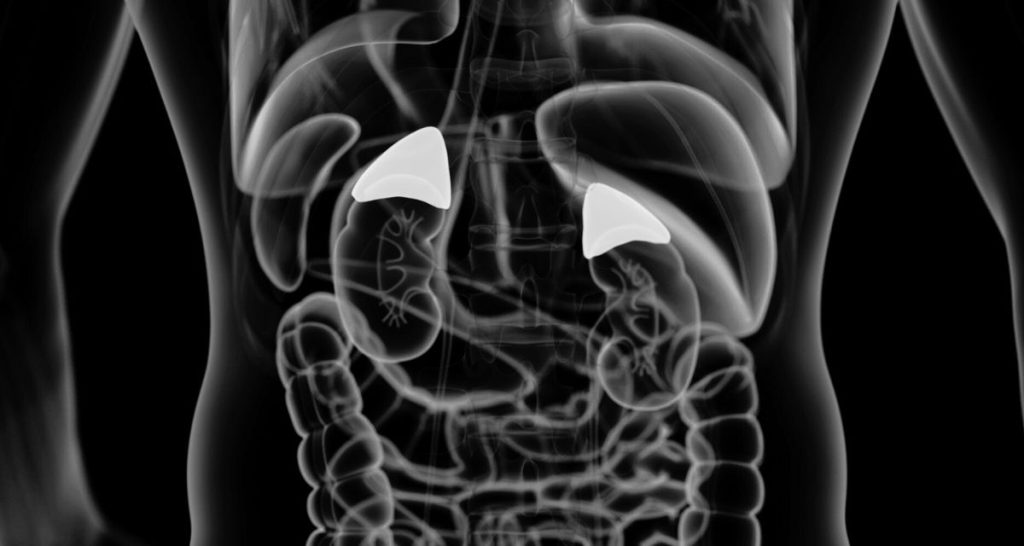
Addison’s disease, also known as primary adrenal insufficiency, is a rare but serious condition where the adrenal glands fail to produce enough of certain essential hormones — mainly cortisol and, in some cases, aldosterone. Your adrenal glands sit just above your kidneys and play a key role in your body’s stress response, blood pressure regulation, and metabolism. When they don’t work properly, the effects can impact nearly every system in the body. What Exactly Is Happening? In Addison’s disease, the adrenal glands are damaged, most often due to the immune system mistakenly attacking them — a condition called autoimmune adrenalitis. This damage reduces hormone production, leading to a gradual buildup of symptoms that can be life-threatening if untreated. It’s different from secondary adrenal insufficiency, which happens when the pituitary gland (which sends signals to the adrenal glands) isn’t producing enough ACTH — the hormone that tells the adrenal glands what to do. Addison’s refers specifically to issues within the adrenal glands themselves. Who Gets Addison’s Disease? Addison’s disease is rare, affecting around 100 to 140 people per million in developed countries, according to global estimates. It can develop at any age and in both men and women. Most diagnoses occur between the ages of 30 and 50. How It Can Affect Your Health While Addison’s disease is rare, it can be dangerous if left untreated — especially because symptoms tend to develop slowly and may be overlooked. However, with proper diagnosis and daily hormone replacement therapy, people with Addison’s disease can live healthy, active lives. 👉 Next: The Symptoms of Addison’s Disease Reviewed April 2025. Always consult a professional for individual guidance. Addison’s Disease Treatment Addison’s Disease Frequently Asked Questions How is Addison’s Disease Diagnosed? What Causes Addison’s Disease?

Understanding Addison’s Disease Read More »

Could Idiopathic Pancreatitis Be a Prognostic Clue in Crohn’s Disease

Could Idiopathic Pancreatitis Be a Prognostic Clue in Crohn’s Disease?

Idiopathic pancreatitis—acute pancreatitis with no clear, identifiable cause—has long puzzled doctors and researchers alike. While often seen as a standalone condition, new research suggests that idiopathic pancreatitis may have a deeper connection to inflammatory bowel diseases (IBD), especially Crohn’s disease. Understanding Idiopathic Pancreatitis Acute pancreatitis is an inflammation of the pancreas that typically results from causes like gallstones or heavy alcohol use. However, in some cases—labelled “idiopathic”—no cause is found, even after extensive testing. These cases can be particularly frustrating for patients and clinicians due to their unpredictability. The Link Between IBD and the Pancreas Patients with IBD, including Crohn’s disease and ulcerative colitis, already live with chronic inflammation in the digestive tract. What’s now becoming more evident is that some of these patients may also develop pancreatitis, even without the usual triggers. Could this be more than just coincidence? What the Study Found A 2023 study published in BMC Gastroenterology reviewed 56 patients with IBD who developed acute pancreatitis.¹ The researchers divided the cases into those with known causes (like medication side effects or gallstones) and those classified as idiopathic. They then tracked how the patients’ IBD progressed over the following year. The key takeaway? Patients with Crohn’s disease who had idiopathic pancreatitis were more likely to experience an aggressive disease course. This included needing changes to their biologic treatments, dose escalations, or even IBD-related surgeries. The same link was not found in patients with ulcerative colitis. These findings suggest that idiopathic pancreatitis might be more than a random flare-up—at least for some patients. In Crohn’s disease, it may serve as a red flag that signals a potentially more severe path ahead. This opens the door to earlier intervention or closer monitoring for those affected. The authors of the study note that more research is needed, particularly with larger groups of patients, to confirm the connection. But if validated, it could lead to a shift in how we view and treat pancreatitis in IBD patients, particularly those with Crohn’s disease. Final Thoughts While idiopathic pancreatitis has traditionally been seen as a diagnosis of exclusion, studies like this one encourage a broader look at underlying conditions—especially in patients already managing chronic illnesses like IBD. It’s another reminder of how interconnected our body systems truly are. Reviewed April 2025. Always consult a professional for individual guidance. Acute Pancreatitis: An Overview Complications and Recovery from Chronic Pancreatitis Chronic Pancreatitis What Causes Acute Pancreatitis?

Could Idiopathic Pancreatitis Be a Prognostic Clue in Crohn’s Disease? Read More »

Understanding Idiopathic Pancreatitis

Understanding Idiopathic Pancreatitis

Pancreatitis is typically caused by gallstones, alcohol use, or certain medications. But in a surprising number of cases, doctors are unable to determine a clear cause — even after thorough testing. This form of the condition is called idiopathic pancreatitis, meaning it has no identifiable origin. What Is Idiopathic Pancreatitis? The term idiopathic refers to any condition that arises without a known cause. When applied to pancreatitis, it means the pancreas becomes inflamed but the usual culprits — like gallstones, alcohol, or infections — are not found during diagnosis. Idiopathic pancreatitis can be acute (a sudden episode) or chronic (ongoing inflammation over time). How Common Is It? Idiopathic pancreatitis accounts for a significant portion of acute pancreatitis cases worldwide. According to various clinical reviews and observational studies, around 10% to 30% of acute pancreatitis cases are labelled as idiopathic, meaning no clear cause can be identified even after standard diagnostic testing. This wide range reflects differences in diagnostic tools, healthcare access, and population health across regions. The condition appears to be slightly more common in older adults and may require more specialised imaging or follow-up tests to rule out less obvious causes, such as genetic mutations, autoimmune triggers, or microlithiasis. Potential Hidden Causes Idiopathic doesn’t always mean the cause is unknowable — sometimes it just requires more advanced investigation. Possible overlooked factors include: Diagnosing Idiopathic Pancreatitis Doctors may recommend further tests when they cannot find a cause initially, such as: These tests can help uncover less obvious causes and guide more targeted treatment. Why It Matters Knowing the cause of pancreatitis helps reduce the chance of future episodes. Even if they don’t find a definite cause, doctors can use the pattern of your condition to provide personalised care. If the condition recurs — called recurrent idiopathic pancreatitis — it may increase the risk of chronic pancreatitis, which can lead to long-term complications. Living With Idiopathic Pancreatitis For many people, lifestyle changes such as eating a low-fat diet, managing medications, and regular monitoring help manage the condition. Continued follow-up with a gastroenterologist is important, especially in recurrent or chronic cases. Reviewed April 2025. Always consult a professional for individual guidance. Chronic Pancreatitis Acute Pancreatitis: An Overview Complications and Recovery from Chronic Pancreatitis Could Idiopathic Pancreatitis Be a Prognostic Clue in Crohn’s Disease? What Causes Acute Pancreatitis?

Understanding Idiopathic Pancreatitis Read More »

Causes and Risk Factors of Acute Kidney Injury

Causes and Risk Factors of Acute Kidney Injury

Causes and Risk Factors of Acute Kidney Injury Causes and Risk Factors of Acute Kidney Injury (AKI) is a serious and often sudden decline in kidney function. It’s not a standalone disease, but rather a clinical syndrome caused by a variety of underlying factors that impair the kidneys’ ability to filter waste and balance fluids and electrolytes. Understanding the causes and risk factors of acute kidney injury is crucial for early detection and effective treatment — especially in South Africa, where limited healthcare resources can lead to delayed diagnosis. AKI is broadly classified into three main categories: pre-renal, intrinsic (renal), and post-renal causes. Pre-renal AKI occurs when there is a significant drop in blood flow to the kidneys. This is often due to severe dehydration, major blood loss, or conditions that lead to low blood pressure, such as shock or heart failure. Liver failure can also contribute. These causes are typically reversible if recognised and treated early, but delays can result in lasting damage. Intrinsic AKI involves direct injury to the kidney tissue itself. Infections like sepsis and HIV-related nephropathy are major contributors in South Africa. The use of nephrotoxic medications — such as NSAIDs, certain antibiotics, and contrast dyes used in medical imaging — can also lead to intrinsic kidney damage. Autoimmune diseases like lupus further increase the risk by causing inflammation within the kidneys. Post-renal AKI is caused by a physical blockage of urine flow, which leads to a build-up of pressure and damage. This can result from an enlarged prostate (BPH), kidney stones, pelvic tumours, or traumatic injury to the urinary tract. Several risk factors make individuals more susceptible to acute kidney injury. These include: In many South African rural hospitals, limited access to IV hydration, laboratory testing, and urgent referral services contributes to preventable deaths. Educating both healthcare providers and communities about the causes and risk factors of acute kidney injury can help save lives through faster recognition and treatment. 🔹 Next → [Symptoms and Early Warning Signs of AKI] Causes of Chronic Kidney Disease Diagnosis and Treatment of Acute Kidney Injury Complications and Long-Term Outlook of AKI Acute Kidney Injury

Causes and Risk Factors of Acute Kidney Injury Read More »

Symptoms and Early Warning Signs of AKI

Symptoms and Early Warning Signs of AKI

Symptoms and Early Warning Signs of AKI Recognising the symptoms of Acute Kidney Injury (AKI) early can save lives. AKI refers to a sudden loss of kidney function that occurs over hours or days. The earlier you detect the warning signs, the better the chances of preventing long-term kidney damage or other complications. In many cases, AKI develops alongside infections, medication use, or hospitalisation. The symptoms may vary depending on how fast the kidneys fail and what caused the injury. Common Symptoms of Acute Kidney Injury AKI affects the body’s ability to filter and eliminate waste and excess fluid. As a result, many of its symptoms are related to fluid retention and toxin build-up. Look out for: In hospital settings, Acute Kidney Injury may not present obvious symptoms at first. Doctors often detect it through routine blood tests showing raised creatinine or urea levels. That’s why monitoring kidney function is crucial, especially for patients on antibiotics, IV fluids, or diuretics. When to Seek Immediate Medical Attention You should seek urgent medical help if you experience: In South Africa, many AKI cases go unnoticed in rural areas due to limited access to testing and awareness. Public education, rapid detection, and access to care remain key to reducing the burden of AKI across both urban and underserved regions.. Symptoms and Early Warning Signs of AKI 🔹 Next → [Diagnosis and Treatment of Acute Kidney Injury] Causes and Risk Factors of Acute Kidney Injury The “Should I Be Worried?” Feeling: Depression Warning Signs Complications and Long-Term Outlook of AKI Acute Kidney Injury

Symptoms and Early Warning Signs of AKI Read More »

Scroll to Top