Mental Matters

Health & Wellness

Gallstones

Gallstones

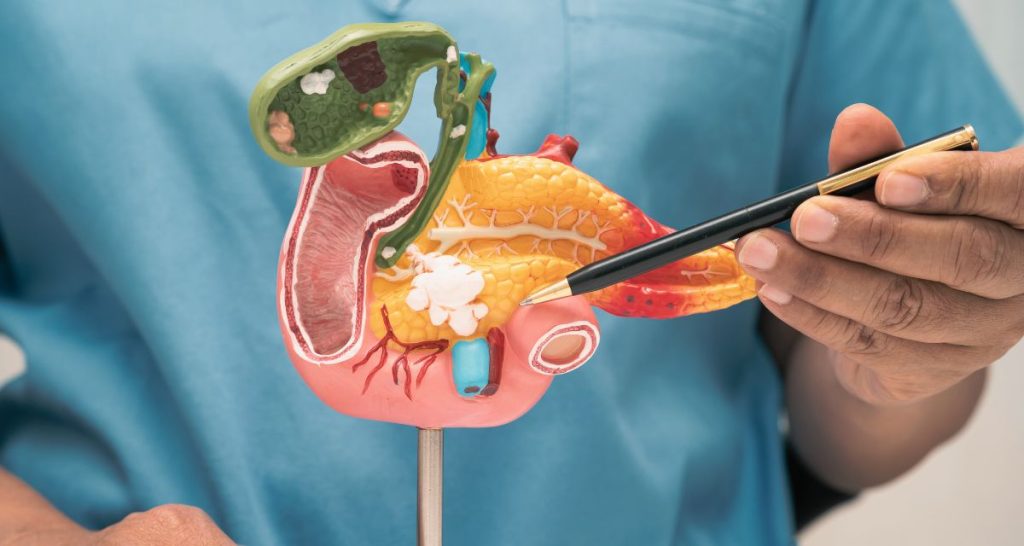
Gallstones are small, hardened deposits that form in the gallbladder — a small, pear-shaped organ located just beneath the liver. Though they might not always cause symptoms, when they do, the effects can be painful and serious, sometimes even triggering conditions like acute pancreatitis. What Are Gallstones? Gallstones are made up mostly of cholesterol or bilirubin, substances found in bile. Bile is the digestive fluid produced by the liver and stored in the gallbladder, released into the small intestine to help break down fats. When the balance of substances in bile is off, stones can form — ranging in size from a grain of sand to a golf ball. There are two main types: Why Do Gallstones Form? Several risk factors can contribute to the development of gallstones, including: While gallstones are common — especially in older adults — many people may have them and never know it. Symptoms to Watch For Gallstones don’t always cause problems. But when they block the flow of bile, they can trigger a gallbladder attack, often referred to as biliary colic. Common symptoms include: If symptoms persist or become severe, immediate medical attention is crucial. Gallstones and Pancreatitis One of the more serious complications of gallstones is acute pancreatitis. This happens when a gallstone passes out of the gallbladder and blocks the bile duct or pancreatic duct, triggering inflammation of the pancreas. This connection is important — gallstones are among the leading causes of acute pancreatitis in South Africa and globally. If you’ve had a gallbladder attack or been diagnosed with pancreatitis, your doctor will likely investigate whether gallstones are involved. Diagnosis and Treatment Gallstones are often diagnosed through: Treatment depends on the severity of symptoms. Options include: Living Without a Gallbladder Many people live completely normal lives without a gallbladder. Bile will still reach the intestine, but instead of being stored, it flows continuously from the liver. Some people may experience mild digestive issues, especially with fatty meals, but these usually improve over time. Final Thoughts Gallstones are more than just a digestive issue — they can be silent for years or suddenly lead to serious conditions like pancreatitis. Understanding the signs and knowing when to seek help can make all the difference. 👉 Next: Recognising the Symptoms of Gallstones Reviewed April 2025. Always consult a professional for individual guidance. What Causes Acute Pancreatitis? Gallstones: What You Can Do to Lower Your Risk Treatment Options for Gallstones What Causes Gallstones?

Gallstones Read More »

What Causes Acute Pancreatitis

What Causes Acute Pancreatitis?

Acute pancreatitis occurs when the pancreas becomes inflamed over a short period. This inflammation is most commonly triggered by gallstones and alcohol consumption, but several other causes and contributing factors exist. Alcohol Use Heavy or prolonged alcohol use is one of the leading causes of acute pancreatitis globally—and especially in South Africa. Alcohol can irritate the pancreas and lead to premature activation of digestive enzymes, causing tissue damage. A South African study published in the South African Journal of Surgery found that 62% of acute pancreatitis cases at a regional hospital were linked to alcohol use. This reflects the significant role alcohol plays in local cases compared to some international trends. Gallstones Gallstones are another major cause, particularly in women and older adults. These stones can block the bile duct, trapping pancreatic enzymes and causing inflammation. Gallstones are also a leading cause of acute pancreatitis globally. In the same South African study, 14% of cases were attributed to gallstones, with an additional 4% caused by both gallstones and alcohol. Other Known Causes Acute pancreatitis can also result from other conditions and factors, including: The study also highlighted that 8% of cases were linked to dyslipidaemia and 5% to retroviral disease (such as HIV), emphasizing the role of these additional causes in South Africa. Idiopathic Pancreatitis In some cases, no clear cause can be found. These are known as idiopathic cases, and further testing is often required to uncover underlying issues. Potential causes include genetic mutations, autoimmune disease, or even microscopic gallstones that are too small to detect with routine imaging. Interestingly, 15% of cases in the regional hospital study were deemed idiopathic, where no clear cause could be identified despite thorough investigation. Local Insight and Study Findings A South African study from June 2001 to April 2006 examined 322 admissions of 282 patients with acute pancreatitis at a regional hospital. The findings reinforced alcohol as the leading cause of the condition, consistent with international reports, but also pointed to specific local factors. Outcomes: Of the 322 cases, 9% ended in death, with most of the deaths occurring in the first two weeks of hospitalisation. This early mortality rate suggests that improved supportive care could help improve overall survival. Source:South African Journal of Surgery, Vol. 46 (3), 2008, pp. 83-86. 👉 Next: Reviewed April 2025. Always consult a professional for individual guidance. Recognising the Symptoms of Acute Pancreatitis Causes of Chronic Pancreatitis Acute Pancreatitis: An Overview Complications and Recovery from Chronic Pancreatitis Understanding Idiopathic Pancreatitis

What Causes Acute Pancreatitis? Read More »

Treatment Options for Acromegaly

Treatment Options for Acromegaly

The primary goal of treating acromegaly is to reduce growth hormone (GH) levels to normal, relieve symptoms, shrink or remove the tumour, and prevent long-term complications. Because each case is unique, treatment is personalised and may involve one or more of the following approaches: surgery, medication, radiation therapy, or a combination of these. Surgery Transsphenoidal surgery is often the first-line treatment for acromegaly. This minimally invasive procedure removes the pituitary tumour through the nasal passage, eliminating the need for external cuts. If successful, GH levels may drop to normal soon after surgery. In South Africa, this type of surgery is available at major public hospitals like Groote Schuur and Steve Biko, as well as in many private healthcare centres. It is also widely available internationally. Medication When surgery is not fully effective or feasible, doctors may prescribe medication to control hormone levels. The main types include: These treatments are available in South Africa, though high costs may limit access in the private sector. Access within the public system can vary depending on the facility. Radiation Therapy Doctors may recommend radiation therapy when surgery and medication are not enough. It works by gradually destroying tumour cells. However, it can take several years to fully lower GH levels and often affects the normal function of the pituitary gland, leading to the need for lifelong hormone replacement. Long-Term Follow-Up Ongoing monitoring is essential to ensure treatment success. Patients usually undergo regular blood tests to check IGF-1 levels and periodic MRI scans to track tumour size. Endocrinologists typically manage long-term care, often working alongside neurosurgeons and other specialists such as cardiologists or diabetologists. With proper treatment options for acromegaly and regular monitoring, many people with acromegaly can manage the condition effectively and lead healthy lives. 👉 Next: Complications of Acromegaly Reviewed April 2025. Always consult a professional for individual guidance. Cape Town Pituitary Collaborative What Causes Acromegaly? Acromegaly: A Rare But Manageable Condition How Is Acromegaly Diagnosed? Acromegaly Risks

Treatment Options for Acromegaly Read More »

How Is Acromegaly Diagnosed

How Is Acromegaly Diagnosed?

Diagnosing acromegaly starts with recognising its subtle, slow-progressing symptoms. Many individuals live with the condition for years before receiving a correct diagnosis, as the signs can be mistaken for common ageing or lifestyle changes. Symptoms such as enlarged hands and feet, changes in facial features, joint pain, fatigue, or frequent headaches may develop gradually. Because the progression is so slow, both patients and healthcare providers may overlook the early indicators. Key Blood Tests Once acromegaly is suspected, the diagnostic process typically begins with a blood test to measure levels of insulin-like growth factor 1 (IGF-1). IGF-1 levels reflect the average amount of growth hormone (GH) in the body over time. Elevated IGF-1 strongly suggests a GH imbalance. To confirm this finding, doctors usually perform an oral glucose tolerance test (OGTT). After drinking a glucose-rich solution, a healthy individual’s GH levels drop. In those with acromegaly, GH levels remain high—confirming the hormonal disorder. Imaging the Pituitary Gland If the blood tests indicate elevated GH and IGF-1 levels, an MRI scan of the brain is done to locate the pituitary tumour responsible for hormone overproduction. The scan helps determine the tumour’s size, exact location, and whether it affects nearby structures like the optic nerves, which could impact vision. Diagnosis in South Africa and Globally In South Africa, these diagnostic tools are widely available in private hospitals and academic centres. In the public sector, access is more limited, and patients may need referrals to tertiary hospitals. Internationally, diagnosis follows similar steps, though delays are still common due to the condition’s subtle progression. Further Testing Doctors may also run additional blood tests to assess organ function, check other hormone levels, and screen for related health complications. This helps determine the most suitable treatment path. Why Early Diagnosis Matters Early diagnosis allows for timely intervention, which can significantly improve quality of life and reduce long-term health risks. If you or someone you care about is showing signs of acromegaly, speak to a healthcare provider and request a referral to an endocrinologist. Timely diagnosis makes all the difference. 👉 Next: Treatment Options for Acromegaly Reviewed April 2025. Always consult a professional for individual guidance. Cape Town Pituitary Collaborative What Causes Acromegaly? Acromegaly: A Rare But Manageable Condition Acromegaly Risks

How Is Acromegaly Diagnosed? Read More »

What Causes Acromegaly

What Causes Acromegaly?

A non-cancerous tumour of the pituitary gland, known as a pituitary adenoma, causes acromegaly in over 95% of cases. This tumour secretes excess growth hormone, leading to the liver producing increased levels of IGF-1, a hormone that promotes abnormal tissue and bone growth. Pituitary Adenomas and Growth Hormone Overproduction The pituitary gland, located at the base of the brain, plays a vital role in regulating hormones that affect various bodily functions. A tumour in the pituitary gland can disrupt this balance, leading to excess growth hormone production and, subsequently, acromegaly. Rare Causes of Acromegaly In rare instances, tumours in other parts of the body, such as the lungs or pancreas, may cause acromegaly. These tumours can either produce growth hormone directly or release hormones that stimulate the pituitary gland to produce more growth hormone. Genetic Factors and Hereditary Conditions While the exact reasons why these tumours develop remain unknown, researchers believe that genetic mutations may play a role. A hereditary condition called familial isolated pituitary adenoma (FIPA) also increases the risk of developing pituitary tumours. Challenges in Diagnosis and Access to Care In South Africa, the burden of non-communicable diseases, combined with limited access to advanced endocrine testing in public healthcare, makes detecting acromegaly particularly challenging. However, private hospitals and some academic centres offer the necessary diagnostics. The Importance of Early Detection and Screening Current lifestyle or environmental factors do not cause acromegaly, but early identification of symptoms and proactive screening in at-risk individuals ensure timely intervention. When to Seek Specialist Care Recognising the hormonal origin of acromegaly is essential to ensuring correct and timely treatment. If pituitary dysfunction is suspected, referral to an endocrinologist for further investigation is critical. 👉 Next: How Is Acromegaly Diagnosed? Reviewed April 2025. Always consult a professional for individual guidance. Acromegaly: A Rare But Manageable Condition Cape Town Pituitary Collaborative Treatment Options for Acromegaly Acromegaly Risks

What Causes Acromegaly? Read More »

Acromegaly A Rare But Manageable Condition

Acromegaly: A Rare But Manageable Condition

Acromegaly is a rare hormonal disorder that usually develops in adults between the ages of 30 and 50.It occurs when the pituitary gland makes too much growth hormone, often due to a benign tumour called a pituitary adenoma. This excess hormone causes the liver to produce too much IGF-1, leading to abnormal bone and soft tissue growth. How Acromegaly Affects the Body The condition progresses slowly and can often go unnoticed in its early stages. Over time, people may start to observe physical changes such as enlarged hands and feet, coarsened facial features, and joint pain. These changes may be subtle at first and are frequently mistaken for signs of ageing, arthritis, or weight gain. As a result, diagnosis is often delayed for several years after symptoms first appear. Global Awareness and Diagnosis Delays In South Africa, challenges such as limited access to specialised care in some public health sectors may contribute to these delays. Nonetheless, awareness is steadily increasing, and early diagnosis can significantly improve outcomes. Internationally, many patients experience similarly delayed diagnoses, emphasising the global need for better awareness and education around this condition. Other Symptoms and Internal Complications Aside from visible physical symptoms, individuals with acromegaly may also experience fatigue, frequent headaches, vision problems, excessive sweating, and voice deepening. Internally, vital organs like the heart, kidneys, and liver may become enlarged. This can affect their function and increase the risk of complications. The good news is that acromegaly is manageable, especially when detected early. Treatment may involve surgery, medication, or radiation therapy, depending on the size and location of the tumour. If you or someone you know is noticing a combination of these symptoms, speak to a healthcare provider as soon as possible. 👉 Next: What Causes Acromegaly? Reviewed April 2025. Always consult a professional for individual guidance. How Is Acromegaly Diagnosed? Colour Blindness Treatment Options for Acromegaly Acromegaly Risks

Acromegaly: A Rare But Manageable Condition Read More »

Recognising the Symptoms of Acute Pancreatitis

Recognising the Symptoms of Acute Pancreatitis

Acute pancreatitis can come on suddenly and escalate quickly, making it essential to understand the symptoms. While some cases may be mild and resolve with rest and supportive care, others can be severe, requiring urgent medical attention. Recognising the warning signs and symptoms of acute pancreatitis early is key to avoiding serious complications and improving recovery outcomes. The Most Common Symptoms The hallmark symptom of acute pancreatitis is intense abdominal pain. This pain often begins in the upper abdomen and can radiate through to the back. It may start as a dull ache and intensify over time, sometimes becoming unbearable. Many people report that the pain worsens after eating, particularly meals high in fat. Other frequent symptoms include: These symptoms may appear suddenly and persist for several days. In many cases, the pain is severe enough to interfere with normal activities or lead to hospitalisation. Less Common but Concerning Symptoms In more serious cases, additional symptoms may develop. These include: These less common symptoms may indicate a more dangerous form of pancreatitis that requires immediate intervention. When to Seek Medical Attention Acute pancreatitis is not something to monitor at home. If you or someone you know experiences persistent or severe abdominal pain — especially when accompanied by vomiting, fever, or difficulty breathing — it’s important to seek medical care immediately. Early treatment can reduce the risk of complications and improve the overall outcome. How Symptoms Can Progress In mild cases, symptoms may ease with supportive care and rest. However, in more severe cases, symptoms can worsen over hours or days. Without treatment, the inflammation may lead to serious complications, including infection, organ failure, or pancreatic necrosis (tissue death). Because the severity of pancreatitis can’t always be predicted early on, any symptoms should be taken seriously — even if they initially seem manageable. Final Thoughts Being familiar with the symptoms of acute pancreatitis helps ensure faster intervention, which can be life-saving. Read our overview of acute pancreatitis to understand the condition more broadly — including causes, risk factors, and outcomes. Looking for support or a specialist? Visit our directory to find healthcare providers near you. 👉 Next: What Causes Acute Pancreatitis? Reviewed April 2025. Always consult a professional for individual guidance. Chronic Pancreatitis Causes of Chronic Pancreatitis Symptoms of Chronic Pancreatitis Complications and Recovery from Chronic Pancreatitis

Recognising the Symptoms of Acute Pancreatitis Read More »

Acute Pancreatitis An Overview

Acute Pancreatitis: An Overview

This article provides an overview of Acute Pancreatitis. Acute pancreatitis is a sudden and potentially serious condition that involves inflammation of the pancreas — a small but vital organ located behind the stomach. The pancreas plays a crucial role in digestion and in regulating blood sugar levels through the production of insulin. When it becomes inflamed, these processes are disrupted, often leading to intense abdominal pain and other severe symptoms. What Is Acute Pancreatitis? The term acute refers to the rapid onset of the condition, which typically lasts for a few days. Unlike chronic pancreatitis, which develops gradually and causes long-term damage, acute pancreatitis appears suddenly and may resolve with timely medical treatment. However, in some cases, it can lead to serious, even life-threatening complications. During an acute episode, digestive enzymes become activated while still inside the pancreas, rather than in the small intestine where they are meant to function. This results in the enzymes beginning to break down the pancreatic tissue itself, causing inflammation and damage. If left untreated, the inflammation can spread and impact other organs. Who Is at Risk? Although acute pancreatitis can affect anyone, certain risk factors increase the likelihood of developing the condition. These include: In some cases, doctors cannot identify a specific cause. They refer to this as idiopathic pancreatitis. Is It Serious? Yes — acute pancreatitis should always be taken seriously. While many cases are mild and resolve with treatment, others can become severe and result in complications such as: Hospitalisation is often required to manage pain, replace lost fluids, and monitor for potential complications. A prospective study conducted at Addington Hospital and published in the South African Journal of Surgery found that alcohol was the leading cause of acute pancreatitis in 62% of admissions, followed by gallstones at 14%. The mortality rate was 9%, with most deaths occurring within the first two weeks. Outlook and Recovery The outlook depends on the severity of the condition and how quickly treatment is started. With prompt medical care and by addressing the underlying cause, most people recover fully. However, if complications arise, recovery may take longer and require additional interventions. You can explore our directory for details on clinics, specialists, and services that may assist with pancreatitis care. 👉 Next: The Symptoms of Acute Pancreatitis Reviewed April 2025. Always consult a professional for individual guidance. Chronic Pancreatitis Causes of Chronic Pancreatitis Symptoms of Chronic Pancreatitis Complications and Recovery from Chronic Pancreatitis

Acute Pancreatitis: An Overview Read More »

Social Anxiety vs. Being an Introvert

Many people confuse social anxiety and introversion, but they’re not the same. Social anxiety is a mental health condition that involves intense fear or worry about social situations, while introversion is a personality trait describing a preference for quiet, low-stimulation environments. Here’s how to tell the difference and understand each one better. 1. What is Introversion? Introversion is a personality type that’s often characterised by a preference for solitude or small groups. Introverts tend to feel drained by large social gatherings and usually recharge by spending time alone or in quieter settings. It’s not that introverts dislike social interactions; they often enjoy close, meaningful connections. However, they may need downtime to recover after extended periods of socialising. Key Traits of Introverts: 2. What is Social Anxiety? Social anxiety, or social anxiety disorder, is a mental health condition characterised by an intense fear of social situations where one might be judged, embarrassed, or scrutinised. People with social anxiety may avoid gatherings, meetings, or interactions that could put them in the spotlight. This fear isn’t necessarily related to the number of people involved; even small interactions, like speaking with a store clerk, can trigger anxiety. Key Signs of Social Anxiety: 3. How to Tell the Difference Source of Discomfort Avoidance of Social Settings Physical and Emotional Reactions 4. Can You Be Both? Yes, you can be an introvert with social anxiety. An introvert with social anxiety might feel doubly pressured in social settings: they find large groups overstimulating and fear judgment, making social gatherings particularly challenging. 5. How to Cope with Social Anxiety or Manage Introversion While introversion is a natural part of some people’s personalities, social anxiety can benefit from treatment and support. Recognising which one applies to you—or if both do—can lead to healthier interactions and a better understanding of your own needs. Mental Matters is a resource and information platform and does not provide medical advice, diagnosis, or treatment. The information on this site is for general awareness and support. For any mental health concerns, please consult a qualified healthcare or mental health professional. Dr J V Rensburg GP Strand I Prefer Texts Over Calls How to Identify Emotional Triggers Dr V Thomas Pinelands Practical Tips for Managing Social Anxiety in Everyday Situations

Social Anxiety vs. Being an Introvert Read More »

Understanding Eating Disorders

“Your body is not an apology. It’s a beautiful, amazing thing.” — Sonya Renee Taylor For those dealing with eating disorders, food and body image are tied up with a lot more than just diet or appearance. These conditions can deeply affect everyday life, relationships, and self-worth. Here, we’ll go through the most common types, what to watch for, and how to get help. 1. What Are Eating Disorders? Eating disorders involve unhealthy eating patterns and a strong fixation on body weight and shape. There is also an intense fear of gaining weight. These disorders impact more than just food habits. They reshape how a person thinks and feels about food, body image, and self-worth. Eating disorders can affect anyone, regardless of background. They are influenced by a mix of genetics, biology, psychology, and societal pressures. Eating disorders are not choices; they are serious health conditions. These complex conditions require professional care and support. 2. Types of Eating Disorders 1. Anorexia Nervosa What It Is: Anorexia is when someone is really afraid of gaining weight and goes to extreme lengths to keep their weight down. This can lead to hardly eating anything at all and constantly worrying about how they look, often seeing themselves as overweight even when they’re very thin. Symptoms: If you’re dealing with anorexia, you might notice significant weight loss, an obsession with counting calories, and excessive exercise. Consequences: This can lead to serious health problems like malnutrition, weakened immunity, and even organ failure. Unfortunately, anorexia has one of the highest mortality rates among mental health disorders. 2. Bulimia Nervosa What It Is: Bulimia is marked by cycles of binge eating, where someone eats a lot in a short time, followed by trying to get rid of the food through vomiting, fasting, or over-exercising. Symptoms: You might have bulimia if you often eat large amounts of food and then feel guilty afterward, but manage to maintain a normal weight or slightly above. Consequences: It can cause serious issues like gastrointestinal problems, dehydration, and damage to your throat and teeth from frequent vomiting. 3. Binge Eating Disorder (BED) What It Is: BED is when you find yourself eating large quantities of food quickly, often feeling like you’ve lost control during these episodes. Unlike bulimia, you don’t try to purge afterward. Symptoms: If you’re binge eating, you might eat even when you’re not hungry, often alone because you feel embarrassed, and afterwards, you might feel really ashamed or disgusted with yourself. Consequences: This can lead to obesity and related health problems like heart disease and diabetes, as well as mental health challenges like anxiety and depression. 4. Avoidant/Restrictive Food Intake Disorder (ARFID) What It Is: ARFID is when someone avoids certain foods or restricts their intake for reasons other than wanting to lose weight—like being sensitive to textures or fearing choking. Symptoms: You might have ARFID if you eat a very limited variety of foods and experience noticeable weight loss or nutritional deficiencies. Consequences: This can result in poor growth, malnutrition, and difficulties in social situations where food is involved. 5. Other Specified Feeding or Eating Disorder (OSFED) What It Is: OSFED is when someone has eating disorder symptoms that don’t fit neatly into anorexia, bulimia, or binge eating, but are still serious enough to need help. Symptoms: These can vary widely—maybe you restrict your eating or purge without bingeing, or binge eat without any compensatory behaviours. Consequences: OSFED can carry similar health risks as other eating disorders, impacting both physical and mental wellbeing. 3. Signs and Symptoms of Eating Disorders It can be hard to notice when someone is struggling with an eating disorder because the signs often look different from person to person. However, there are some common clues that might suggest someone is dealing with these challenges. Here are a few things to keep an eye out for: If you notice these signs in yourself or someone else, it’s important to get support. Eating disorders can be really complicated and have serious effects, but getting the right treatment can make a big difference. 4. What Causes Eating Disorders? Eating disorders don’t just pop up out of nowhere; they’re often the result of a mix of different factors. Here are some common causes that might contribute to the development of these disorders: 5. Treatment for Eating Disorders Getting help for an eating disorder can feel like a big step, but it’s one of the most important things you can do. Mental Matters is a resource and information platform and does not provide medical advice, diagnosis, or treatment. The information on this site is for general awareness and support. For any mental health concerns, please consult a qualified healthcare or mental health professional. Binge Eating Disorder Causes and Risk Factors of Binge Eating Disorder Diagnosis of Binge Eating Disorder Treatment of Binge Eating Disorder Complications and Living with Binge Eating Disorder

Understanding Eating Disorders Read More »

Scroll to Top