Mental Matters

Health & Wellness

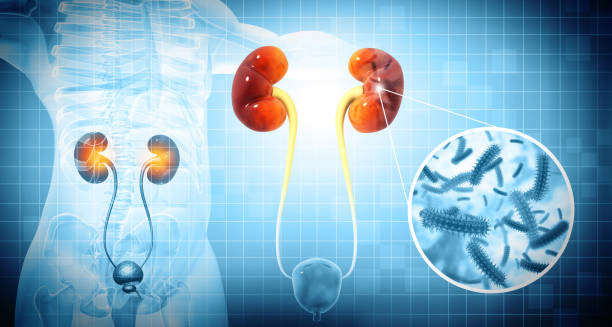
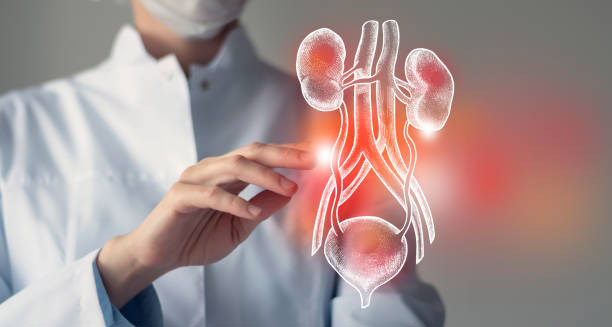
Doctor pointing at a digital illustration of inflamed kidneys indicating kidney infection

Overview of Kidney Infection

Kidney infection is a serious type of urinary tract infection (UTI) that happens when bacteria or viruses travel up the urinary tract and reach one or both kidneys. Also called pyelonephritis, this infection can cause significant discomfort. If untreated, it may lead to long-term kidney damage or life-threatening problems. Though more common in women due to anatomy, kidney infections can affect people of all ages and genders, including children and older adults. Recognising the seriousness of a kidney infection is key. Timely treatment can prevent complications and help patients fully recover. The kidneys filter waste from the blood and regulate fluid balance, electrolytes, and blood pressure. Infection disrupts these vital roles and can spread to the bloodstream, causing urosepsis—a medical emergency. That is why quick diagnosis and treatment matter. Understanding the Urinary Tract To understand kidney infection better, it helps to know how the urinary tract works. The main parts are: Most UTIs start in the urethra or bladder. Bacteria then travel upward through the ureters to the kidneys. This ascending infection is the usual route, with Escherichia coli (E. coli) as the most common cause. Who Is at Risk? Anyone can get a kidney infection, but these factors increase risk: Types of Kidney Infections Kidney infections can be: Early recognition and antibiotics are essential in both types. Common Pathogens Involved While E. coli causes most infections, other bacteria may be involved, especially in hospitals or immune-compromised people. These include: Viral kidney infections are rare but may occur after organ transplants or in weakened immune systems. How Infections Reach the Kidneys There are two main ways: Both cause inflammation and kidney tissue damage, leading to pain, fever, and malaise. Signs of Severity A kidney infection is more serious than a simple bladder infection. Warning signs include: If these occur, urgent medical care is needed to prevent worsening illness. Long-Term Consequences Most people recover well with timely antibiotics. However, delayed or improper treatment may cause: Prevention and Early Intervention Prevent kidney infection by: People with frequent UTIs may need a urology evaluation or preventive antibiotics. Final Thoughts Kidney infection is not just a common UTI—it is a serious condition requiring prompt diagnosis and treatment. Knowing the signs, risk factors, and seeking early care are crucial to prevent complications. Kidney infections affect all ages and should never be ignored. With proper care, most patients recover fully and avoid serious problems. [Next: Causes of Kidney Infection →]

Overview of Kidney Infection Read More »

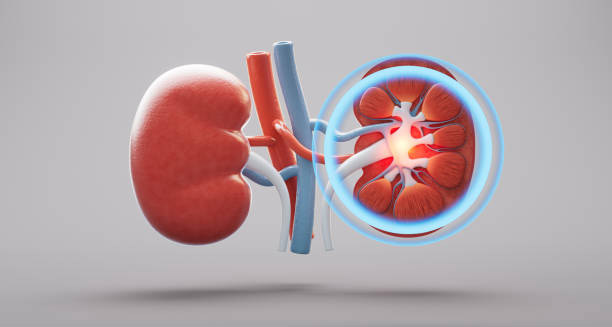
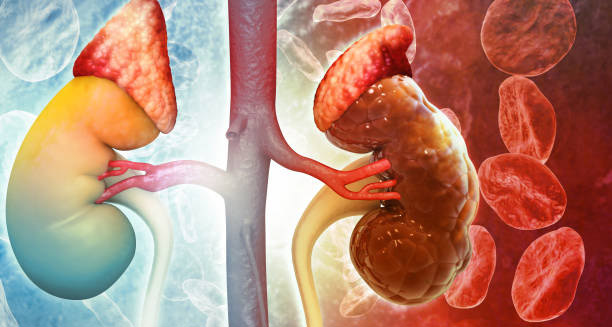
Illustration comparing a healthy kidney with an infected kidney showing tissue damage

Causes of Kidney Infection

Kidney infection is usually caused by bacteria that enter the urinary tract and travel upward to infect one or both kidneys. This infection, called pyelonephritis, often starts as a lower urinary tract infection (UTI) that spreads if untreated or poorly managed. Anyone can get a kidney infection, but some risk factors and body mechanisms increase the chance of getting one. Knowing the causes helps prevent recurrence and long-term damage. Most kidney infections are part of a broader urinary tract issue involving the bladder and urethra. Here are the main causes: 1. Bacterial Ascension from the Bladder or Urethra Most kidney infections are caused by Escherichia coli (E. coli), bacteria commonly found in the gut. E. coli enters through the urethra and moves to the bladder. If not cleared, bacteria travel up the ureters to the kidneys.This ascending route is more common in women because their urethra is shorter and closer to the anus. Sexual activity, poor hygiene, and irritating feminine products increase bacterial spread. 2. Urinary Tract Obstruction Blockages in the urinary tract stop urine from draining properly. Stagnant urine encourages bacterial growth, leading to infection. Common causes include: 3. Vesicoureteral Reflux (VUR) VUR occurs when urine flows backward from the bladder to the kidneys. This backflow carries bacteria directly to the kidneys, causing infection. VUR mostly affects children, especially those with repeated UTIs, and may be present at birth or develop later.Undiagnosed VUR raises the risk of kidney infections and scarring. Some cases improve with age, but others need surgery or long-term antibiotics. 4. Compromised Immune System Weakened immunity increases the risk of kidney infection. A poor immune response allows bacteria to grow and makes infections harder to fight. Causes of immune suppression include: 5. Catheter Use and Hospitalisation Urinary catheters drain urine in immobile, surgical, or very sick patients. If not kept sterile, catheters can introduce bacteria into the urinary tract. This may lead to bladder infections that spread to the kidneys.Hospital-acquired infections often resist antibiotics and involve tough bacteria like Pseudomonas or drug-resistant E. coli. Strict hygiene and monitoring are vital during catheter use. 6. Pregnancy-Related Changes Pregnancy increases risk of UTIs and kidney infections due to hormone and body changes. Progesterone relaxes ureter walls and slows urine flow, while the growing uterus presses on the urinary tract, causing urine buildup.Also, the immune system adjusts during pregnancy to protect the fetus, reducing its ability to fight infection. Kidney infections in pregnancy can cause premature labour, low birth weight, or widespread infection. Prompt treatment is critical. 7. Poor Personal Hygiene and Sexual Activity Wiping from back to front after bowel movements can move bacteria from the anus to the urethra, especially in women. Sexual activity can introduce bacteria into the urinary opening.Use of diaphragms, spermicides, or some lubricants may raise infection risk. Urinating after sex and good genital hygiene help lower this risk. 8. Congenital Abnormalities Some people are born with urinary tract issues that disrupt urine flow. These problems may remain hidden until childhood or adulthood and cause repeated infections or kidney infection symptoms.Treatment may require surgery or long-term antibiotics to avoid kidney damage. Early diagnosis through imaging or specialist care is key. 9. Bloodborne (Haematogenous) Infection Rarely, bacteria reach the kidneys through the bloodstream from infections elsewhere, such as skin abscesses, pneumonia, or infected IV lines.This type often affects both kidneys and may quickly lead to sepsis. Early detection and strong antibiotic treatment are necessary. Final Thoughts Knowing the causes of kidney infection helps prevent this serious condition. From good hygiene to managing chronic diseases, many factors affect risk. Identifying and treating underlying causes reduces recurrence and protects kidney health. [Next: Symptoms of Kidney Infection →]

Causes of Kidney Infection Read More »

Woman clutching her abdomen in pain, showing symptoms of a kidney infection

Symptoms of Kidney Infection

Kidney infection often comes with a mix of urinary, whole-body, and sometimes stomach symptoms. These can appear suddenly or build up slowly, depending on how bad the infection is and the person’s overall health. Because kidney infections are more serious than simple urinary tract infections (UTIs), spotting symptoms early is very important. Early treatment helps stop kidney damage or sepsis. 1. Fever and Chills A main symptom of kidney infection is a high fever, usually above 38.5°C (101.3°F), with chills and shaking. The body raises its temperature to fight the bacteria. Unlike bladder infections, kidney infections cause a stronger whole-body reaction, so fever is a key sign.Chills may come in waves and be strong enough to make the teeth chatter. Anyone with these signs, plus pain or urinary problems, should see a doctor quickly. 2. Flank or Lower Back Pain Pain on one or both sides of the lower back or just below the ribs is a classic kidney infection sign. The pain can be sharp, throbbing, or dull and last a long time. It usually stays on the side of the infected kidney.Sometimes, the pain spreads to the lower belly or groin. It often gets worse with movement and can make walking or lying down uncomfortable. Unlike muscle back pain, this pain gets worse with infection and comes with other body symptoms. 3. Painful or Frequent Urination Since kidney infections often start as urinary tract infections, urinary symptoms are common: 4. Cloudy or Foul-Smelling Urine Kidney infections often change urine’s look and smell. It may be: These changes are warning signs, especially with fever and pain. 5. Nausea and Vomiting The infection can cause stomach upset, especially in more severe cases. Nausea and vomiting happen because of chemicals released by the infection, fever, and bacterial toxins in the blood.These symptoms are worrying since they can cause dehydration and hurt kidney function. Hospitals often give fluids and medicine to stop vomiting. 6. Fatigue and Malaise People with kidney infection often feel very tired, weak, and generally unwell. This is the body’s normal response to infection and can last even after other symptoms fade.Fatigue may be stronger in older adults or those with diabetes, kidney problems, or weak immune systems. Sometimes, tiredness comes before more obvious signs like fever or pain. 7. Confusion in Older Adults Older people may not show typical symptoms. Instead, they may become confused, disoriented, or act strangely. These signs might be mistaken for dementia or stroke. This sudden confusion, called delirium, is a medical emergency. It usually results from infection-related inflammation or dehydration.Caregivers and doctors must watch for these changes and check for kidney infections if confusion happens. 8. Pelvic or Abdominal Discomfort Some people, especially women, may feel a dull ache or pressure in the lower belly or pelvic area. This can feel like menstrual cramps or stomach upset but usually comes with urinary pain or fever.Men may feel discomfort between the anus and scrotum if the infection involves the prostate. These symptoms help tell apart different conditions. 9. Shivering and Sweating Shivering and heavy sweating, especially at night, are common. The body swings between feeling cold and hot as it tries to control fever.Sweating can cause fluid loss and upset body salts, so drinking fluids and watching for worsening infection is important. 10. Urine Retention or Difficulty Passing Urine Less often, some patients find it hard to pee or cannot pee at all if swelling or inflammation blocks urine flow.This happens more in men with enlarged prostates or those with kidney stones or urinary problems. Immediate medical help is needed to avoid more damage. Final Notes on Symptom Recognition Knowing the symptoms of kidney infection early can improve treatment and recovery. Many signs overlap with other urinary problems like cystitis or prostatitis, so proper medical checks are key. Anyone with high fever, side pain, or lasting urinary discomfort should get medical help fast.Quick action stops infection from reaching the blood, where it can cause life-threatening sepsis or permanent kidney injury. Spotting symptoms early can save lives, especially in the elderly, babies, or people with weak immunity. [Next: Diagnosis of Kidney Infection →]

Symptoms of Kidney Infection Read More »

Medical illustration showing kidney infection diagnosis with bacteria magnification

Diagnosis of Kidney Infection

Kidney infection diagnosis is an essential clinical process that ensures appropriate treatment and prevents long-term health consequences. Because a kidney infection can mimic other urinary or abdominal conditions, doctors must use a combination of patient history, symptom review, physical examination, and laboratory tests to confirm the presence of the infection. Without proper diagnosis, this potentially serious condition could lead to complications such as sepsis, renal scarring, or impaired kidney function. Understanding the Diagnostic Approach A kidney infection, also called acute pyelonephritis, usually starts as a lower urinary tract infection and moves up to the kidneys. Detecting this early is very important. Doctors begin by taking a full medical history, then perform a physical exam. They also use urine tests, blood tests, and sometimes imaging scans. This approach helps show how bad the infection is, if complications exist, and if any conditions might cause repeated infections. Medical History and Symptom Review The first step is to gather detailed medical history. Patients describe their symptoms, including when they started, how strong they are, and if they have changed. Doctors ask questions like: Doctors also check risk factors like past urinary tract infections, urinary tract problems, pregnancy, diabetes, or weak immune systems. In women, recent sexual activity or use of spermicides may increase infection risk. Knowing this helps doctors tell kidney infection apart from bladder infections, kidney stones, or gynecological issues. Physical Examination The physical exam looks for signs that support kidney infection. One important test is pressing on the back below the ribs where the kidneys sit to check for pain. This is called costovertebral angle tenderness. If present along with fever and urinary symptoms, it strongly suggests kidney infection rather than a bladder infection. Other signs may include: Though these symptoms are not only in kidney infections, they add to the suspicion and justify further tests. Urinalysis and Urine Culture Urinalysis is a key test. A clean midstream urine sample is checked for: Microscope checks can find bacteria, pus cells, and kidney-specific white blood cell casts. These casts point directly to kidney infection instead of a bladder infection. A urine culture then grows the bacteria to find the exact germ causing the infection. This guides doctors to choose the best antibiotic, especially if initial treatment fails. While E. coli is most common, other germs like Klebsiella, Proteus, or Enterococcus may appear in hospital or complicated cases. Blood Tests For moderate to severe infections, blood tests provide important clues. These include: Blood test results help assess infection severity, hospital needs, and risk of kidney injury. Imaging Studies Imaging is not always needed for simple cases but is important when diagnosis is unclear, treatment fails, or complications are suspected. Scans help find kidney stones, blockages, abscesses, or structural problems. Common imaging tools include: Imaging is especially important for men, children, and patients with repeated infections, as these groups often have underlying causes. Special Populations ChildrenDiagnosing kidney infection in children can be hard because symptoms may be vague. Babies may only have fever, poor feeding, irritability, or vomiting. Early diagnosis is key to prevent kidney scarring. Pregnant WomenPregnancy increases risk due to changes in hormones and pressure on the urinary tract. Diagnosis uses urine tests and often ultrasound to protect the baby and mother. Older AdultsOlder adults may show unusual signs like confusion, weakness, or loss of bladder control instead of typical fever and pain. This makes lab tests even more important. Differential Diagnosis Doctors must rule out other conditions that look like kidney infection, such as: Lab tests and imaging help make the right diagnosis and avoid wrong treatment. Summary Diagnosing a kidney infection means combining patient history, exam, urine and blood tests, and sometimes imaging. Getting the diagnosis right prevents serious problems like sepsis, chronic kidney disease, or permanent damage. Early detection and treatment are vital, especially in children, pregnant women, and the elderly. [Next: Treatment of Kidney Infection →]

Diagnosis of Kidney Infection Read More »

3D rendering of kidney with highlighted infection area under treatment

Treatment of Kidney Infection

Treatment of kidney infection is essential to prevent the condition from worsening or leading to severe complications such as kidney damage, sepsis, or chronic urinary issues. Prompt and proper care not only eases symptoms but also protects long-term kidney health. A treatment plan should match the infection’s severity, the patient’s health history, and any other medical concerns to get the best results. Most kidney infections happen when bacteria travel from the bladder up to the kidneys. These bacteria cause inflammation and infection. So, the main goal in treatment is to kill the bacteria with antibiotics, keep the patient hydrated and healthy, and stop the infection from coming back by following up or fixing any body issues. Antibiotic Therapy for Kidney Infection Antibiotics form the core of treatment for kidney infection. Doctors choose them based on likely bacteria or urine test results. Often, treatment starts before test results return, using broad antibiotics that fight common germs like E. coli. For mild to moderate infections: For severe infections: Pain Management Kidney infections often cause strong pain in the side or back. This pain can make sleeping, eating, and moving difficult. Pain relief is an important part of treatment. Paracetamol is usually the first choice for pain. Doctors may recommend NSAIDs like ibuprofen, but only if kidney function is good. Drinking enough fluids and resting also help reduce symptoms faster. Good pain control lets patients stay comfortable while fighting the infection. Hydration and Supportive Care Drinking plenty of fluids helps flush bacteria out of the urinary tract and keeps blood flowing well to the kidneys. Patients should drink as much as they can unless a doctor limits fluids because of other health problems. In hospital, doctors watch fluid and mineral levels, especially if patients vomit or become dehydrated. IV fluids may be needed when patients cannot drink enough. Proper hydration supports antibiotics and helps the body heal during treatment. When to Admit to Hospital Not all kidney infection cases can be treated at home. Some need hospital care, including: In hospital, patients get IV antibiotics, fluids, and constant monitoring. They leave when stable, fever-free, and able to take medicine by mouth. Special Care for Pregnant Women Pregnant women with kidney infection face higher risks like early labour, low birth weight, or pre-eclampsia. Treatment must protect both mother and baby. Doctors often use IV antibiotics like ceftriaxone or ampicillin. They avoid drugs like tetracyclines or fluoroquinolones that can harm the fetus. Hospital stays are common, especially later in pregnancy. Careful antibiotic choice and close checks keep treatment safe and effective. Treatment in Children Children, especially babies and young kids, often need hospital care for kidney infections. Quick treatment helps prevent scarring and long-term harm. Doctors may start with IV antibiotics such as cefuroxime or gentamicin. When children improve, they switch to oral antibiotics for 7 to 10 days. Follow-up scans check for reflux or urinary tract issues. Teaching parents to spot urinary infection signs helps avoid repeated infections. Managing Recurrent Kidney Infections Some people get kidney infections again and again. Treatment then means curing the current infection and preventing new ones. Prevention steps include: If a problem like urine flowing backward or blockage is found, surgery may be needed to stop further infections. Follow-Up and Monitoring After treatment, follow-up ensures the infection is gone and catches any problems early. Doctors may repeat urine tests 1–2 weeks later to confirm bacteria are gone. Imaging scans may be needed if the infection was severe, repeats often, or unusual. Patients should report any new symptoms quickly and finish all medicine. Proper follow-up helps keep kidneys healthy. Alternative and Supportive Treatments Some patients try extra methods alongside antibiotics. These can include: It is important these do not replace medical treatment but may help when used together. Conclusion Treating kidney infection needs a mix of timely antibiotics, hydration, pain control, and close monitoring. Whether at home or in hospital, the aim is to clear infection, ease symptoms, and avoid kidney damage. Special care is key for children, pregnant women, and older adults. With proper and timely treatment, most people recover well and avoid serious health problems. [Next: Complications of Kidney Infection →]

Treatment of Kidney Infection Read More »

Man sitting on bed holding lower back in pain due to kidney infection complications

Complications of Kidney Infection

Complications of kidney infection can pose serious risks to long-term health if the condition is not managed effectively and without delay. When treatment is late or incomplete, problems can become severe. These may include sepsis, kidney scarring, chronic kidney disease, high blood pressure, and sometimes kidney failure. These risks show why early diagnosis, full antibiotic treatment, and proper follow-up care are so important. The kidneys filter waste and balance fluids and minerals. When infection damages these tasks, the results can be life-threatening or permanent. Although most kidney infections get better with antibiotics and fluids, the chance of complications grows when treatment is late, stopped early, or does not work well. People with weak immune systems, urinary tract problems, or long-term illnesses like diabetes face higher risks. Children and older adults also have more danger because their immune defenses are not strong. Knowing what complications can happen helps patients, families, and doctors stay alert. Permanent Kidney Damage (Renal Scarring) Renal scarring, or permanent kidney damage, is one of the most common long-term problems from kidney infection. When the kidney tissue gets inflamed, it can scar and lose function. This damage usually cannot be fixed and may worsen over time without obvious symptoms. In children, kidney scarring can cause slow growth, high blood pressure, and future kidney troubles. Adults may develop chronic kidney disease if infections happen again and again. The risk of scarring is higher if infections are left untreated for more than two days or if urinary system problems slow healing. Preventing scarring means treating infections quickly and watching high-risk patients closely. Sepsis and Septic Shock Sepsis is a life-threatening complication of kidney infection. It happens when bacteria from the infection enter the bloodstream and cause a body-wide inflammatory reaction. Sepsis can quickly turn into septic shock, which causes dangerously low blood pressure, failure of several organs, and death. Signs of sepsis include: Sepsis needs urgent hospital care with IV antibiotics, fluids, and sometimes intensive care. The chance of dying from sepsis rises sharply if treatment is delayed. That is why any serious symptoms from a kidney infection must be treated as a medical emergency. Chronic Kidney Disease (CKD) Chronic kidney disease means the kidneys lose their ability to work well over time. Severe or repeated kidney infections can cause or speed up this problem. CKD is one of the most serious long-term complications of kidney infection. When kidney tissue scars or fails, the organs cannot filter blood, balance minerals, or control fluids properly. This leads to: In advanced CKD, people may need dialysis or a kidney transplant. Those with diabetes, high blood pressure, or existing kidney issues should be checked carefully after a kidney infection. High Blood Pressure (Secondary Hypertension) High blood pressure often occurs after kidney infection because the damaged kidneys cannot control blood pressure well. The kidneys normally keep blood pressure steady by managing fluids and hormones. Scarring or ongoing inflammation can cause blood pressure to stay high. This can speed up kidney damage and raise the risk of stroke, heart attack, and heart failure. Managing infections well, checking blood pressure often, and making healthy lifestyle choices help reduce this risk. Abscess Formation An abscess is a pocket of pus that forms from bacterial infection. In kidney infections, abscesses may grow inside the kidney (renal abscess) or around it (perinephric abscess). These abscesses are rare but serious. Signs include: Abscesses usually need surgery or needle drainage along with long antibiotic courses. If not found quickly, they can burst, cause sepsis, or cause lasting kidney harm. CT scans or ultrasound help doctors spot abscesses when patients do not get better as expected. Pregnancy Complications Kidney infections during pregnancy can harm both mother and baby. Risks include early labour, low birth weight, and a condition called pre-eclampsia. Pregnant women get more urinary infections because hormones and the growing womb press on the urinary tract. A kidney infection in pregnancy can worsen fast and may cause sepsis if not treated quickly. Doctors treat urinary infections firmly in pregnancy to prevent this. Hospital care, IV antibiotics, and close monitoring of the baby are often needed. After treatment, doctors usually do scans to check for any urinary problems. Recurrent Infections Repeated kidney infections cause more worry and damage. They may happen due to problems such as: Having many infections raises the risk of permanent kidney damage, especially in children or people with urinary tract issues. Treatment may include preventive antibiotics, surgery, or specialist care. Drinking enough water, good hygiene, and regular check-ups with kidney or urinary specialists can help stop repeat infections and protect the kidneys. Delayed Development in Children Children with repeated kidney infections or urinary reflux may grow slowly, develop late, or have learning problems. These issues come from ongoing illness and low red blood cell counts. Early diagnosis, fixing urinary problems, and long-term check-ups help avoid these setbacks. Children who had kidney infections should have regular scans to watch kidney growth and health. Conclusion Most people get better after a kidney infection with fast and proper treatment. However, complications of kidney infection can be serious or deadly if ignored. These include kidney scarring, sepsis, chronic kidney disease, high blood pressure, abscesses, and pregnancy problems. The chance of infections coming back and causing lasting damage means patients must finish treatment, do follow-ups, and fix any body problems. By knowing the possible complications of kidney infection, patients and doctors can act early and protect kidney health. [Next: Back to Overview →]
Complications of Kidney Infection Read More »

Close-up of skin with red bumps caused by keratosis pilaris on the thigh

Overview of Keratosis Pilaris

Keratosis pilaris is a common, benign skin condition characterised by small, rough bumps typically found on the upper arms, thighs, cheeks, or buttocks. This skin issue happens when keratin, a hard protein that protects the skin, builds up inside hair follicles. Instead of falling away, the keratin clogs the tiny openings of the follicles. This creates rough, raised bumps on the skin. Most people notice keratosis pilaris during childhood or teenage years. But adults can also get it. People with dry skin, eczema, or a family history of skin problems tend to develop it more often. The bumps don’t spread from person to person. They rarely cause pain. Still, many people, especially teens, feel upset or embarrassed about how it looks. Prevalence and Demographics of Keratosis Pilaris Keratosis pilaris affects a large number of people across the world. Experts estimate that up to 50% of adults and 80% of teenagers may get it at some point. The bumps tend to show up more in winter when the air is dry and skin loses moisture. Both males and females can develop this condition. However, it may be slightly more common in females. This might be because women often notice or worry about changes in skin more than men. This skin issue often appears along with others. Some people with keratosis pilaris also have eczema, ichthyosis vulgaris (which causes very dry skin), or hay fever. These problems suggest the skin reacts more easily than usual, often due to family traits. Causes and Pathophysiology The main reason keratosis pilaris happens is due to too much keratin building up in the skin. The body should naturally shed keratin, but sometimes it gets trapped. This creates small plugs in the hair follicles, which become bumps. Sometimes, these bumps turn red or sore if the area gets irritated. The exact reason for this keratin build-up is still not completely clear. But family history seems to play a big role. Many people with keratosis pilaris have parents or siblings with the same issue. Other factors can also make it worse: Because bacteria or fungi do not cause keratosis pilaris, it doesn’t improve with antibiotics or antifungal creams. Instead, the best way to treat it is through gentle skincare, good moisture, and regular exfoliation. Recognising Keratosis Pilaris Keratosis pilaris usually looks like lots of small, rough bumps. These bumps can be the same color as your skin or slightly red, white, or brown. They are usually under 1mm wide and feel dry or bumpy. You’ll often find them on: The bumps don’t usually hurt, but they can itch a little, especially when the air is dry or cold. The condition doesn’t lead to any serious health issues. Over time, the bumps might fade or change color. But without care, they rarely go away completely. Season changes, stress, and how you take care of your skin can all affect how severe the bumps get. Psychosocial Impact of Keratosis Pilaris Even though keratosis pilaris is not dangerous, it can affect how people feel about themselves. Many people feel shy or sad because of how their skin looks. This is even more common when the bumps show on places people can see, like the arms or face. This can lead to: Teenagers often feel these effects the most. During those years, how someone looks can feel very important. That’s why it helps to explain what keratosis pilaris is and remind young people it’s common and nothing to be ashamed of. Prognosis and Long-Term Outlook Keratosis pilaris is a long-lasting condition, but you can manage it well. For many people, the bumps improve with time. Often, the condition becomes much milder by the late twenties or early thirties. Still, some people will always have it unless they stick to a regular care routine. There is no cure, but daily use of moisturisers and gentle exfoliants can help a lot. In tougher cases, treatments like chemical peels or laser therapy may make the skin look better. Even though keratosis pilaris doesn’t turn into anything serious like skin cancer, it does need time and care to manage well. More than anything, it’s about helping people feel better about their skin. Keratosis Pilaris and Related Conditions Many people with keratosis pilaris also have other skin or allergy issues. These may include: These links may point to a deeper body connection or inherited pattern. But even people who are otherwise healthy can get keratosis pilaris. Looking at the bigger picture can help doctors and patients create a care plan that works for the whole body, not just the skin. Final Thoughts on Keratosis Pilaris In conclusion, keratosis pilaris is a common skin condition that many people deal with at some point in life. While it doesn’t harm your health, it can affect how you feel. With steady care, the right products, and clear guidance, most people can take charge of the condition. Over time, they can get smoother and healthier-looking skin. The next parts of this guide will go over the Causes of Keratosis Pilaris, then move into its Symptoms, Diagnosis, Treatment, and Complications. Each part aims to help you understand and manage your skin better. [Next: Causes of Keratosis Pilaris →]

Overview of Keratosis Pilaris Read More »

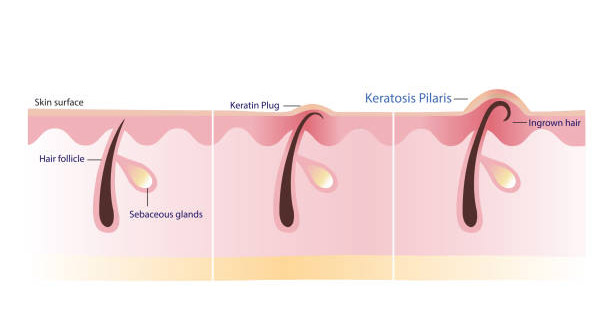
Illustration showing the causes of keratosis pilaris with keratin plugs and ingrown hair

Causes of Keratosis Pilaris

The causes of keratosis pilaris are largely rooted in genetics and skin physiology, though environmental and lifestyle factors can also play a contributing role. Understanding the causes of keratosis pilaris helps with better control. The condition often lasts for years and may get worse or better with seasonal shifts, hormone changes, or overall health. At its core, keratosis pilaris happens when the skin does not shed properly. Dead skin cells build up and block hair follicles. This causes the rough, bumpy patches seen on the skin. Though harmless, it can cause emotional stress, especially for teens and adults who worry about how their skin looks. By learning what causes it, people and doctors can build better skincare plans and realistic goals to manage this common skin problem. Genetic Role in the Causes of Keratosis Pilaris Genetics play the biggest role among the causes of keratosis pilaris. Research shows the condition often runs in families. If one or both parents have it, their children are more likely to get it too. This pattern is called autosomal dominant, which means only one parent needs to have the gene for it to pass on. In some families, keratosis pilaris happens along with other skin issues like ichthyosis vulgaris. This condition causes dry, flaky skin. When genes affect how the skin makes and uses keratin, the hair follicles can become blocked. As a result, the skin becomes bumpy. Most people with a family history start showing symptoms in childhood. The condition may last into adulthood if not managed well. Keratin Build-Up and Follicle Blockage Keratin is a tough protein found in skin, hair, and nails. One of the most direct causes of keratosis pilaris is when the body makes too much keratin. This causes the top skin layer to thicken. Instead of shedding, the extra keratin gets stuck in hair follicles and forms plugs. These plugs make the skin feel rough and cause small bumps. Often, the skin around these bumps also looks red, especially in people with lighter skin. While experts are not sure why keratin builds up this way, both genes and surroundings seem to play a part. Dry Skin, Weather, and Skin Routine Dry skin makes keratosis pilaris worse. Without enough moisture, skin flakes more and sheds unevenly. This leads to more blocked follicles. That’s why symptoms often get worse in winter or in places with dry air. Heating systems indoors can also dry out the skin. People who don’t use moisturiser daily are more likely to have flare-ups. Harsh soaps, hot showers, and frequent washing also remove natural oils, drying out the skin more. To prevent this, it’s important to stay hydrated and protect the skin barrier. Hormonal Triggers for Keratosis Pilaris Hormone shifts can affect the causes of keratosis pilaris. Puberty, pregnancy, and menopause often bring changes in how much oil the skin makes, how skin cells behave, and how well the skin holds moisture. Teens often notice keratosis pilaris at the same time they get acne or dandruff. This suggests a hormone link that speeds up keratin build-up. Although it affects both sexes, it shows up more often in women, likely due to hormonal cycles and different skin moisture levels. Other Skin Conditions and Immune Links Keratosis pilaris often shows up with other skin and immune problems like: These problems are part of what’s called the “atopic triad.” They share common roots in both the immune system and family history. If someone has one, they are more likely to get another. This means immune or genetic patterns may play a key part in the causes of keratosis pilaris. Poor Exfoliation and Skincare Myths Keratosis pilaris is not caused by being unclean. However, if skin isn’t exfoliated enough, keratin can build up faster. People with slow skin turnover or who don’t exfoliate often might notice more bumps. But scrubbing too hard or using rough products can damage the skin. This can lead to more irritation and worse symptoms. Also, it’s important to clear up myths. The condition is not contagious. You can’t catch it by touching someone or from shared surfaces. Teaching others about these facts is key, especially for kids or teens feeling embarrassed about their skin. Causes of Keratosis Pilaris and Metabolic Links Some research hints at a link between obesity and the causes of keratosis pilaris. Problems like insulin resistance might change the skin barrier or boost keratin production. This could make symptoms worse in people who already have a genetic risk. Also, extra weight means more friction and sweat in skin folds. These areas often get irritated and may show worse signs of keratosis pilaris. While this isn’t a direct cause, staying at a healthy weight and eating well may help improve skin health overall. Friction from Clothes and Skin Irritation Wearing tight or rough clothing may make keratosis pilaris worse. This is common on the thighs, buttocks, or upper arms where the skin rubs more. The constant rubbing can inflame the skin or weaken the skin barrier. This makes it easier for keratin to block the follicles. Although friction doesn’t cause the condition, it can make it more noticeable. Loose, breathable clothing—especially made of cotton—can reduce flare-ups, especially during exercise or hot weather. Final Thoughts on the Causes of Keratosis Pilaris The causes of keratosis pilaris come from many sources: genes, environment, hormones, and habits. The condition is not harmful, but knowing its root causes can help people take action early. When you understand what causes it—like extra keratin, dry skin, or family history—you can better manage it. This means using gentle skincare, staying moisturised, and knowing when to expect flare-ups. Learning about the condition also helps stop the false ideas and stigma that surround it. With the right care and knowledge, people can manage their symptoms and feel more confident in their skin. [Next: Symptoms of Keratosis Pilaris →]

Causes of Keratosis Pilaris Read More »

Close-up of a woman with visible symptoms of keratosis pilaris on her cheeks

Symptoms of Keratosis Pilaris

The symptoms of keratosis pilaris are distinctive, often appearing as small, rough bumps on the skin that resemble goose pimples or the texture of sandpaper. These bumps can look flesh-coloured, red, white, or brown. Their colour depends on skin tone and any irritation. Although they usually don’t hurt, they may cause stress, especially when they show on the upper arms or face. Most people don’t feel discomfort. Instead, they feel upset about how it looks and how it affects their self-confidence. Understanding the signs well can help people notice the condition early. It also helps them manage it better and avoid confusing it with other skin problems. Even though keratosis pilaris is harmless, knowing how it behaves helps avoid worry and wrong treatments. Typical Presentation of Bumps One clear sign of keratosis pilaris is tiny, raised bumps that feel rough. These often show up in groups on places like: These bumps form when too much keratin—a natural skin protein—blocks hair follicles. This makes the skin feel bumpy or uneven. Most of the time, they don’t itch or hurt. But they can sometimes get swollen, turning red and making the skin look blotchy, especially in people with light skin. Variation by Skin Tone The colour of the bumps changes with skin tone. On light skin, the bumps often look pink or red. On darker skin, they may look brown, purple, or just darker than the rest of the skin. This can confuse people, making them think it’s acne, eczema, or another skin condition. In people with darker skin, these bumps may also leave dark spots after they heal. This happens because of post-inflammatory hyperpigmentation. These dark marks can stay for a while, causing more concern about looks. Dryness and Texture Changes Dry skin is another common sign. The affected areas feel dry and rough, like sandpaper. In cold or dry weather, the skin may get even rougher. That’s because of less moisture and more keratin buildup. People might see flaky patches near the bumps. Scratching or rubbing these areas can make them sore. Dryness may also spread to skin nearby, making a larger area feel rough. Redness and Inflammation When keratin plugs cause swelling, it becomes keratosis pilaris rubra. This type includes red skin along with the usual bumps. It often shows on the cheeks or upper arms. The redness might look like rosacea, especially on the face. But unlike rosacea, this condition doesn’t cause flushing, broken blood vessels, or pus-filled bumps. Instead, the redness is steady and looks like a mild rash. Itching and Irritation Most people don’t feel itchy. But some may feel mild itching, especially during cold or dry months. Itching can worsen when people: People with sensitive skin or eczema might itch more. If they scratch a lot, the skin may break and get infected. That can lead to more swelling and discomfort. Facial Symptoms in Children In babies and young children, the cheeks are often affected. The skin may feel dry and bumpy and look red. Parents might think it’s baby acne or an allergy. Even though facial keratosis pilaris may get better with age, it can stay into the teen years or adulthood. Things like cold air, sun, or wind can make the cheeks redder and more noticeable. Symptoms of Keratosis Pilaris Can Change with the Seasons This condition often gets worse in winter. Dry air and indoor heating remove moisture from the skin. Without good skincare, bumps and roughness increase. In summer, many people feel better. The air is more humid, and sun exposure helps. But for some, sweat and heat make things worse. Tight clothes or synthetic fabrics trap heat, which can cause flare-ups. Emotional and Social Effects of Symptoms of Keratosis Pilaris Even though it’s not dangerous, keratosis pilaris can deeply affect self-esteem. The visible bumps, especially on exposed areas like arms or face, may lead to: These emotional issues often get ignored but are a big reason people look for treatment, even if the skin doesn’t hurt. Misdiagnosis and Confusion with Other Conditions Since keratosis pilaris can look like other skin problems, doctors sometimes misidentify it. It may be confused with: Getting checked by a skin doctor helps. This is especially true when the bumps don’t go away with basic treatment. Final Thoughts on the Symptoms of Keratosis Pilaris The symptoms of keratosis pilaris are easy to spot once you know what to look for. They differ by skin type, weather, and personal health. The classic bumps, along with redness and dry skin, can bother people physically and emotionally. Knowing that the condition often changes with the seasons, tends to appear in certain spots, and affects how people feel about their appearance, helps in managing it better. The next section will cover how keratosis pilaris is diagnosed, highlighting clinical approaches, differential diagnosis, and when to seek professional advice. [Next: Diagnosis of Keratosis Pilaris →]

Symptoms of Keratosis Pilaris Read More »

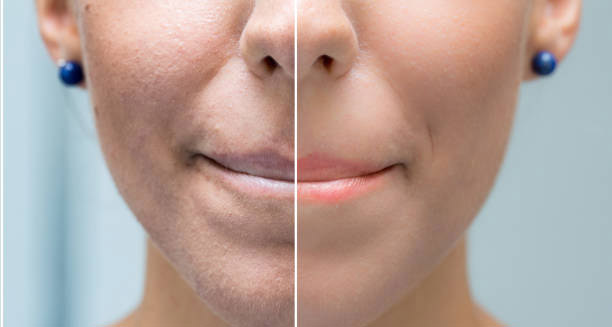
Before and after comparison of facial skin affected by keratosis pilaris

Diagnosis of Keratosis Pilaris

The diagnosis of keratosis pilaris is typically straightforward, relying primarily on clinical observation and patient history. Doctors can usually recognise this condition just by looking at the skin. It shows up as small, rough bumps—often on the arms, thighs, or cheeks. These signs help confirm the diagnosis of keratosis pilaris during a simple check-up with a family doctor or skin specialist. Usually, no tests or procedures are needed. The whole process is fast and non-invasive. However, doctors still need to make sure it isn’t another skin problem that looks similar. That way, the right treatment can be given. Knowing how doctors make this diagnosis helps patients understand what’s happening. It also makes it easier to tell keratosis pilaris apart from more serious skin issues. First Look and Physical Signs The first thing a doctor does is check the skin closely. They look for: These bumps don’t usually hurt. But sometimes, people feel a bit itchy. The fact that there are no blackheads or pus-filled spots helps tell keratosis pilaris apart from acne or other skin issues. Doctors also ask about age, family history, and other skin problems like eczema. These extra clues help confirm the diagnosis of keratosis pilaris. They also guide the best treatment. Medical History and Symptom Details Asking about past symptoms helps doctors make a better diagnosis. They will ask questions like: Most people say their bumps started in childhood or teen years. This fits with how keratosis pilaris often runs in families. Many people also have dry skin, asthma, or allergies. These extra signs point to a higher chance of this condition. If the pattern of bumps seems unusual, doctors might check for other possible causes. Dermatoscope Check Most of the time, a close-up tool isn’t needed. But in some cases, doctors may use a dermatoscope—a small magnifying device—to look at the bumps in more detail. This tool can show: This helps rule out other conditions like acne, fungal infections, or lichen spinulosus when the symptoms are not clear. Ruling Out Other Conditions Even though the signs of keratosis pilaris are clear in most cases, some other skin issues can look similar. That’s why it’s important to rule these out before confirming the diagnosis of keratosis pilaris. Some look-alike conditions include: Doctors may ask more questions or suggest a specialist if they are unsure. When a Biopsy Is Needed In rare cases, a skin biopsy may be done. This happens only when the bumps don’t go away or look unusual. A small piece of skin is taken and looked at in a lab. Under a microscope, doctors may see: This step is only used if there might be another serious skin problem. For most people, a biopsy is not needed to confirm the diagnosis of keratosis pilaris. Diagnosis of Keratosis Pilaris and Genetics This condition often runs in families. Many patients say a parent or sibling has the same skin bumps. While no special genetic test is used, knowing it’s inherited helps doctors feel more sure of the diagnosis. In rare cases, keratosis pilaris may be part of a bigger issue like Noonan syndrome or Cushing’s syndrome. If there are other signs—like short height, hormone changes, or delays in development—then other doctors may need to help with the diagnosis. When to See a Skin Specialist Most regular doctors can diagnose keratosis pilaris. But sometimes, they may send a patient to a dermatologist. This happens when: A skin doctor can offer stronger treatments and help manage the condition better. They can also support people who feel embarrassed by how their skin looks. Explaining the Condition to Patients Once doctors make the diagnosis, they should explain the condition clearly. Patients need to know that keratosis pilaris is: It’s important to set honest expectations. There is no full cure. Still, most people can make the bumps look and feel better with daily care. Final Thoughts on Diagnosis of Keratosis Pilaris The diagnosis of keratosis pilaris is mostly based on how the skin looks and what the patient shares. It’s not dangerous, but knowing what it is helps avoid confusion and worry. Usually, a quick exam is enough. Extra tests are only used when something doesn’t seem right. When patients understand the process, they feel more at ease and more able to manage their skin. [Next: Treatment of Keratosis Pilaris →]

Diagnosis of Keratosis Pilaris Read More »

Scroll to Top