Mental Matters

Health & Wellness

Child with Henoch-Schönlein Purpura rash on legs receiving care

Treatment of Henoch-Schönlein Purpura

Treatment of Henoch-Schönlein Purpura The treatment of Henoch-Schönlein purpura (HSP) is typically supportive. As the condition often resolves on its own without the need for intensive medical intervention. However, symptom severity varies from one person to another, and some patients. Particularly those with gastrointestinal or renal complications—require more focused treatment strategies. The main goal in the treatment of Henoch-Schönlein purpura is to relieve discomfort, minimise inflammation, and prevent long-term complications, particularly in the kidneys. In the majority of cases, HSP is self-limiting. This means that the body will recover naturally over a period of several weeks. Often without the need for prescription medication. Children in particular tend to recover fully. With only mild symptoms such as joint aches or a skin rash that gradually fades. During this time, rest and hydration are essential. Children should stay home from school if tiredness or discomfort makes it hard to do usual activities, and adults should avoid hard physical work while symptoms last. For mild to moderate joint pain or swelling, over-the-counter pain relief medications such as paracetamol or non-steroidal anti-inflammatory drugs (NSAIDs), including ibuprofen, are typically sufficient. These help reduce both inflammation and discomfort. However, people with belly pain or possible kidney problems should use NSAIDs carefully. Because these medicines can make stomach issues worse or harm the kidneys. Skin care is another consideration. The purpuric rash may be itchy or uncomfortable. While topical treatments are rarely needed, keeping the skin clean and dry helps prevent infections. If itching happens, antihistamines can help, and caregivers should gently stop scratching to protect the skin. Treatment of Henoch-Schönlein Purpura When gastrointestinal symptoms such as abdominal pain, nausea, or vomiting become severe, or if there is evidence of gastrointestinal bleeding (e.g. bloody stools), medical treatment becomes more urgent. In such cases, doctors may prescribe oral or intravenous corticosteroids, such as prednisolone. These drugs work by suppressing the immune response and reducing inflammation in the blood vessels. Corticosteroids are often very effective at rapidly relieving abdominal and joint pain, although their use remains somewhat controversial due to limited evidence on their impact on long-term outcomes. Nonetheless, in children with severe or persistent gastrointestinal symptoms, steroids are frequently prescribed. The same applies to renal involvement. If urine tests reveal blood (haematuria) or protein (proteinuria), the individual may require regular follow-up appointments with a general practitioner or a nephrologist (kidney specialist). In mild cases, monitoring alone is sufficient, as kidney function often returns to normal. However, if protein levels stay high or blood pressure starts to rise. Doctors may use corticosteroids or stronger medicines like azathioprine or cyclophosphamide to stop the disease from getting worse. This is more common in adult-onset HSP or in children who develop nephritic or nephrotic syndromes. In very rare cases, when HSP leads to intussusception or other serious gastrointestinal complications, surgical intervention may be required. Intussusception can cause intestinal blockage. Furthermore, symptoms such as severe abdominal pain, vomiting, and bloody stools should prompt immediate medical evaluation. Ultrasound or other scans can confirm the diagnosis, and sometimes doctors need to do surgery to fix the problem and help the bowel work normally again. Another aspect of treatment involves monitoring and follow-up care. Even after symptoms resolve, individuals should continue to undergo periodic urinalysis and blood pressure checks. Typically for six months to a year after the initial episode. This is to detect any delayed kidney involvement, which may not appear until weeks after the initial rash. Those who have had kidney symptoms from the start will require more frequent and longer-term monitoring. Treatment of Henoch-Schönlein Purpura For individuals who experience relapses, management is typically the same as for the initial episode. When the rash or joint pain comes back, it is often milder and goes away faster. Most of the time, people can treat these symptoms with the same care as before or a short course of corticosteroids if needed. The chance of relapse does not always mean worse long-term health, but doctors should check each case carefully to make sure the kidneys are not getting worse. In addition to medical treatment, emotional support and reassurance are key, especially for children and their families. The sudden appearance of a rash and systemic symptoms can be alarming, and the unpredictability of the condition may cause anxiety. Parents may be especially concerned about the possibility of long-term kidney problems. Clear communication about the nature of the disease, what to expect during recovery, and the signs that warrant urgent medical attention can greatly reduce stress. Education is important for adolescents and adults with HSP as well. They should be advised to maintain a healthy lifestyle, including a balanced diet and good hydration, especially if kidney function has been affected. Avoiding unnecessary use of nephrotoxic medications (such as certain NSAIDs or overuse of painkillers) can help protect kidney health in the long term. In rare, severe, or treatment-resistant cases, care may be managed by a multidisciplinary team, including rheumatologists, nephrologists, dermatologists, and paediatricians. These specialists may work together to develop an integrated care plan for patients with overlapping or complicated symptoms. Treatment of Henoch-Schönlein Purpura In summary, the treatment of Henoch-Schönlein purpura is largely supportive for mild cases, with pain management, rest, and careful monitoring forming the cornerstone of care. Corticosteroids may be used to manage moderate to severe symptoms, particularly involving the gastrointestinal tract or kidneys. Early detection of complications, consistent follow-up, and patient education all play critical roles in ensuring a full and uncomplicated recovery for most individuals. [Next: Complications of Henoch-Schönlein Purpura →]
Treatment of Henoch-Schönlein Purpura Read More »

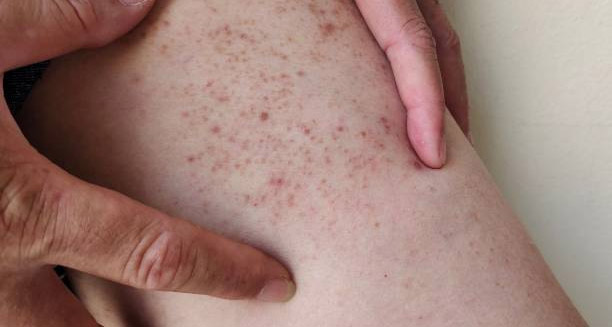
Skin showing purpuric rash as a complication of Henoch-Schönlein Purpura

Complications of Henoch-Schönlein Purpura

Complications of Henoch-Schönlein Purpura The complications of Henoch-Schönlein purpura (HSP) can range from mild and self-limiting to severe and long-term, depending largely on which organs are involved and how early the condition is recognised and managed. While most cases in children resolve without permanent damage, a small proportion of individuals develop more serious consequences—especially if kidney involvement occurs. Understanding the potential complications of Henoch-Schönlein purpura is essential for timely intervention, monitoring, and long-term follow-up. The most significant and potentially serious complication of HSP is kidney involvement. When small blood vessels in the kidneys become inflamed—a condition called IgA nephropathy—blood and protein may leak into the urine. Doctors usually find this early by testing the urine with a dipstick, and it might not cause clear symptoms at first. While most patients with mild kidney problems recover fully, about 5–10% may develop chronic kidney disease or worsening kidney failure, especially if doctors don’t watch the condition closely. Adults with HSP are more likely than children to suffer from long-term kidney issues, especially if they have high protein in their urine, high blood pressure, or poor kidney function when diagnosed. Nephrotic syndrome, a condition where the kidneys leak large amounts of protein, can occur in more severe cases. It may present with swelling (oedema) around the eyes, legs, or abdomen, as well as fatigue and frothy urine. This complication requires specialist care and often involves the use of corticosteroids or immunosuppressants. Long-term follow-up is crucial, and patients may need to avoid medications or lifestyle factors that place extra strain on kidney function. Complications of Henoch-Schönlein Purpura Another possible renal complication is hypertension (high blood pressure), which may result from impaired kidney function or increased vascular inflammation. If left untreated, this can increase the risk of cardiovascular disease later in life. Regular blood pressure monitoring is a vital component of follow-up care for anyone diagnosed with HSP who has shown signs of kidney involvement. Beyond renal issues, gastrointestinal complications can occur, particularly in children who present with severe abdominal symptoms. One of the most serious of these is intussusception, where part of the bowel telescopes into itself, causing obstruction. This can lead to intense abdominal pain, vomiting, blood in the stool, and, if untreated, bowel necrosis. Intussusception requires urgent surgical intervention and is considered a paediatric emergency. Bowel wall thickening Other gastrointestinal complications may include bowel wall thickening, gastrointestinal bleeding, or, in rare cases, bowel perforation, which can result in peritonitis. Children with persistent or severe abdominal symptoms should be evaluated quickly using imaging studies such as abdominal ultrasound to rule out such issues. Joint complications from HSP are generally mild and temporary. While many children and adults experience joint pain and swelling—particularly in the knees and ankles—these symptoms typically resolve without long-term damage. Unlike other autoimmune diseases such as juvenile arthritis or lupus, HSP does not usually lead to chronic joint deformities or disability. However, in rare cases, recurrent inflammation may cause prolonged discomfort or stiffness. The skin complications associated with HSP are usually limited to the characteristic purpuric rash. In most patients, the rash goes away on its own without leaving scars. However, if the inflammation is severe or if the patient scratches, the skin sores can break open or get infected. This can cause wounds that heal slowly or leave skin discoloration. Proper skin care and avoiding irritants help reduce this risk. In adolescents and adults, HSP can occasionally affect the reproductive system. For example, boys may get testicular pain and swelling, which can look like testicular torsion—a condition needing emergency surgery. Usually, inflammation of the blood vessels in the scrotum causes this, and it gets better with supportive care. However, a medical professional should always check it to rule out other causes. Complications of Henoch-Schönlein Purpura Neurological complications are rare but have been reported. These may include headaches, seizures, or even changes in mental status if the central nervous system becomes involved. Usually, doctors see these problems only in severe or unusual cases, so they need immediate medical evaluation. Similarly, pulmonary involvement, such as coughing or haemoptysis (coughing up blood), is very rare but can occur when the vasculitis affects lung tissue. In a small number of cases, especially in adults, relapses of HSP may occur. These are usually milder than the initial episode and often involve the return of the rash or joint pain. Recurrent HSP typically resolves on its own but may require repeat treatment in some cases. Frequent relapses can be emotionally distressing and may warrant a longer-term treatment plan, particularly if kidney involvement returns or worsens. Psychosocial complications, while not physically dangerous, are often overlooked. Children and adolescents with recurrent or prolonged symptoms may miss school, experience anxiety, or struggle with body image due to visible rashes and swelling. Parents may experience significant stress due to the unpredictability of the disease. Providing clear information, reassurance, and ongoing support can help mitigate these issues and foster emotional resilience. In rare circumstances, long-standing kidney disease due to HSP can progress to end-stage renal failure, requiring dialysis or kidney transplantation. Fortunately, this is uncommon and usually only occurs in patients who either did not receive timely monitoring or who had severe renal involvement at the onset of illness. Early identification and regular follow-up remain the best strategies for preventing this outcome. Complications of Henoch-Schönlein Purpura In summary, the complications of Henoch-Schönlein purpura can affect various organs but are usually manageable with early intervention and regular follow-up. The most serious risks involve the kidneys and gastrointestinal system, although most patients—particularly children—recover fully. Close monitoring of urine, blood pressure, and abdominal symptoms is key to preventing long-term damage. By recognising warning signs early and treating them appropriately, the majority of individuals with HSP enjoy a complete and uncomplicated recovery. [Next: Prevention of Henoch-Schönlein Purpura →]
Complications of Henoch-Schönlein Purpura Read More »

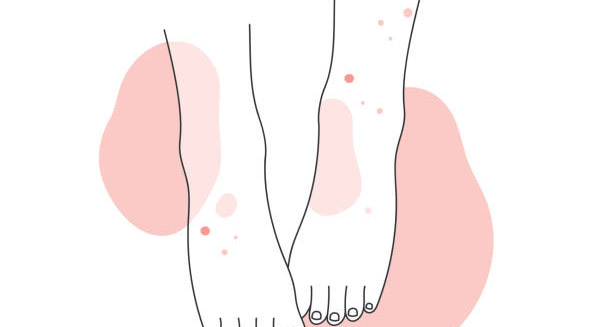
Illustration of legs with skin rash indicating Henoch-Schönlein Purpura prevention awareness

Prevention of Henoch-Schönlein Purpura

Prevention of Henoch-Schönlein Purpura The prevention of Henoch-Schönlein purpura (HSP) remains a challenge due to the condition’s complex and not fully understood immune mechanisms. As HSP is most often a post-infectious autoimmune response rather than a disease triggered by a single identifiable agent, direct prevention of Henoch-Schönlein purpura is currently not possible in the same way that vaccines can prevent viral infections. However, there are practical strategies for reducing the likelihood of recurrence, minimising known triggers, and promoting early detection and care to prevent complications. HSP frequently follows upper respiratory tract infections, such as colds or sore throats—particularly those caused by streptococcal bacteria. Although not every viral or bacterial infection leads to HSP, these infections appear to act as common immune triggers, particularly in children. Therefore, one of the most effective preventive strategies may involve reducing the risk of infection through general hygiene measures: Encouraging regular handwashing, particularly before meals and after contact with communal surfaces or sick individuals Teaching children not to share drinks, food, or utensils in school and play settings Ensuring appropriate use of tissues and cough etiquette Keeping children home from school when they are ill, to prevent further transmission of infection While these steps cannot guarantee prevention, they help lower the incidence of infections that may precipitate HSP in susceptible individuals. In environments such as schools or daycare centres—where viral illnesses are prevalent—these hygiene protocols can be particularly beneficial. In cases where a streptococcal infection is confirmed, prompt treatment with antibiotics may reduce the immune response and possibly lower the risk of triggering vasculitis. However, there is no evidence that antibiotic use can prevent HSP specifically. Still, managing infections quickly and completely is good medical practice and may indirectly reduce HSP risk in some cases. Prevention of Henoch-Schönlein Purpura For children or adults who have already experienced an episode of HSP, the focus shifts to preventing recurrence and managing long-term health. About one-third of people with HSP—particularly children—experience a recurrence within weeks or months of their initial recovery. These relapses are often milder but can still involve the return of the rash, joint pain, or abdominal discomfort. To reduce the chances of recurrence: Encourage a healthy immune system through a balanced diet rich in fruits, vegetables, whole grains, lean proteins, and adequate hydration Promote adequate sleep and stress management, as chronic stress can weaken immune regulation Avoid unnecessary use of medications that may exacerbate symptoms, particularly NSAIDs (non-steroidal anti-inflammatory drugs) in individuals with known kidney involvement Be cautious with vaccinations immediately following an acute episode of HSP. Although routine vaccines are safe and essential, timing may be adjusted in consultation with a healthcare provider if the individual is recovering or at high risk of relapse People with a history of HSP should also be aware of early warning signs of recurrence. These include: New appearance of the purpuric rash, especially on the lower limbs Swelling or stiffness in joints Abdominal pain or gastrointestinal discomfort Foamy urine, visible blood in urine, or reduced urine output At the first signs of these symptoms, individuals should consult their GP or paediatrician. Early intervention can minimise discomfort and prevent more serious complications—especially those related to the kidneys. Although there is no known genetic cause of HSP, some evidence suggests that certain individuals may be more susceptible due to genetic factors that influence their immune system. That said, the condition does not run strongly in families, and the vast majority of siblings and relatives are unaffected. Thus, there are no formal genetic screening tools or preventive therapies based on family history alone. Prevention of Henoch-Schönlein Purpura For children or adults who have suffered from significant renal involvement during their initial episode, more intensive long-term prevention measures may be needed. These include: Routine urinalysis (even months after symptoms resolve) to monitor for protein or blood in the urine Regular blood pressure monitoring, as hypertension may develop insidiously Avoiding medications that can stress the kidneys, such as certain painkillers, herbal supplements, or contrast dyes used in imaging procedures Staying well-hydrated, especially during illness or hot weather, to support kidney function For those under the care of a nephrologist, follow-up appointments are crucial. These may include urine protein-to-creatinine ratio tests, blood tests for kidney function (e.g., creatinine, eGFR), and sometimes imaging of the kidneys. If there are signs of ongoing kidney inflammation, doctors may consider low-dose maintenance therapies, such as corticosteroids or immunosuppressants, to prevent progression. In rare adult cases where HSP occurs alongside another autoimmune disorder—such as lupus or inflammatory bowel disease—managing the underlying condition may reduce the chance of triggering vasculitic flare-ups. Rheumatologists or immunologists may be involved in the broader care plan, particularly if symptoms are atypical, prolonged, or severe. Education also plays an essential role in prevention. Schools, caregivers, and patients should be made aware that: HSP is not contagious Recurrence is possible, but usually milder Most children recover completely with no lasting damage Early action at the first sign of relapse can prevent complications Where possible, patients and families should receive written discharge advice following hospital care or diagnosis. This should include information on what to look out for, when to return for check-ups, and how to monitor kidney health at home. In some cases, urine dipsticks may be provided to parents to check for proteinuria or haematuria in the weeks following recovery. Prevention of Henoch-Schönlein Purpura In summary, while the prevention of Henoch-Schönlein purpura is not currently possible through a single intervention, several strategies can significantly reduce risk and support early detection. These include infection control, immune system support, careful monitoring after the first episode, and proactive management of early relapse signs. With good hygiene, healthy living, and close follow-up care, most individuals recover fully and avoid further complications. [Next: Outlook for Henoch-Schönlein Purpura →]

Prevention of Henoch-Schönlein Purpura Read More »

Child with Henoch-Schönlein Purpura rash on legs indicating recovery outlook

Outlook for Henoch-Schönlein Purpura

Outlook for Henoch-Schönlein Purpura The outlook for Henoch-Schönlein purpura (HSP) is generally very favourable, especially in children. Where the condition is most common and often resolves on its own within a few weeks. While the symptoms can be distressing. Particularly the sudden onset of rash, joint pain, or abdominal discomfort—the majority of individuals recover fully without long-term consequences. With early recognition, appropriate management, and careful monitoring. The outlook for Henoch-Schönlein purpura continues to be positive in most cases, even when complications arise. For most children, the disease follows a self-limiting course. The purpuric rash typically fades within 7–14 days. Joint symptoms resolve quickly, and abdominal discomfort settles with or without supportive care. Even when symptoms are more pronounced, they rarely persist beyond 4–6 weeks. In fact, more than 90% of children recover fully without any lasting damage or need for invasive treatment. Follow-up is usually recommended for several months. Particularly to monitor for kidney involvement, but long-term issues are rare in the paediatric population. The prognosis for joint symptoms is excellent. Although swelling and stiffness—most commonly in the knees and ankles. Can be painful during the acute phase, these symptoms are transient. There is no evidence to suggest that HSP causes chronic arthritis or joint deformity, and mobility returns to normal once inflammation resolves. Physical therapy is rarely required, and children typically resume normal activity levels quickly after recovery. Similarly, gastrointestinal symptoms, though sometimes severe, also tend to resolve without lasting complications. The most serious gastrointestinal issue, intussusception. Occurs in a small percentage of children and is usually treatable with prompt surgical or radiological intervention. Once corrected, the outlook remains good, and recurrence is uncommon. Outlook for Henoch-Schönlein Purpura Where the outlook becomes more complex is in cases with renal involvement. Mild kidney symptoms—such as small amounts of blood or protein in the urine—often clear up on their own and may not require treatment beyond regular observation. However, around 20–50% of individuals with HSP experience some form of kidney involvement, and in 5–10% of these cases, the symptoms may persist or worsen. This group requires more intensive monitoring to detect the early signs of chronic kidney disease or nephrotic syndrome, especially in teenagers and adults. The long-term renal prognosis depends on several factors, including the amount of proteinuria, the presence of high blood pressure, and biopsy findings if a renal biopsy is performed. Most individuals with mild renal involvement recover completely, while a smaller subset may go on to develop reduced kidney function over time. In rare cases—particularly in adults—HSP can progress to end-stage renal disease, requiring dialysis or kidney transplantation. Nevertheless, these outcomes are the exception rather than the rule. Importantly, age at onset influences the outlook. Children tend to have shorter, more predictable disease courses, whereas adults are more likely to experience prolonged illness, more severe kidney involvement, and a greater chance of recurrence. Even so, with proper medical care and a structured follow-up plan, adults with HSP can still achieve remission and avoid serious complications. Relapses are relatively common, occurring in approximately 30–40% of cases. These are usually mild and may involve the return of the rash, joint pain, or abdominal symptoms. Most relapses occur within the first six months after the initial episode and often resolve more quickly than the first. Rarely, repeated episodes can cause cumulative damage to the kidneys, but with vigilant monitoring, even recurrent cases are usually manageable. Outlook for Henoch-Schönlein Purpura For individuals who experience no renal involvement and have a single, mild episode, the long-term outlook is essentially normal. They can expect to live full, healthy lives without restrictions. For those with moderate to severe kidney involvement, long-term health depends on regular monitoring, medication compliance (if prescribed), and early detection of any changes in blood pressure or renal function. Psychosocially, the outlook is also encouraging. While the condition can be frightening—especially for parents seeing a child develop sudden bruising or severe pain—education and reassurance play a major role in recovery. Most children quickly return to school and social activities, and any emotional distress typically fades once the illness resolves. Adults may need additional support to cope with fatigue, uncertainty about prognosis, or changes in lifestyle if kidney care becomes necessary. In recent years, advances in diagnostic tools, treatment strategies, and awareness have further improved outcomes. Greater use of urine screening, non-invasive imaging, and clear treatment protocols ensures that complications are detected early and addressed effectively. For more severe cases, multidisciplinary teams—often including paediatricians, nephrologists, and rheumatologists—collaborate to deliver tailored care, improving both short- and long-term outcomes. Emerging research into the immune system’s role in vasculitis may eventually lead to more targeted therapies, especially for those with recurrent or treatment-resistant HSP. For now, the mainstay of care remains supportive management, corticosteroids for moderate to severe symptoms, and close observation of renal health. From a public health perspective, the recurrence of HSP is not considered a barrier to vaccination, school attendance, or sports participation. Individuals who have recovered from HSP are encouraged to live normally, with some attention to infection prevention and early recognition of symptoms should they return. Outlook for Henoch-Schönlein Purpura In summary, the outlook for Henoch-Schönlein purpura is excellent for most people, especially children. Although a minority of individuals experience complications—particularly involving the kidneys—these can usually be managed with early diagnosis and regular follow-up. Relapses may occur but are typically mild and transient. With proper care, education, and support, most people affected by HSP go on to lead healthy, active lives with no significant long-term limitations. [Next: Back to Overview →]

Outlook for Henoch-Schönlein Purpura Read More »

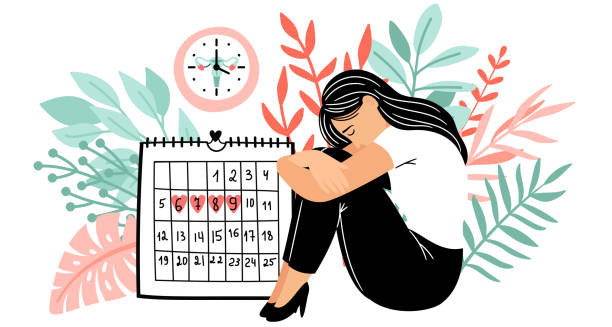
Illustration of a woman with a calendar highlighting heavy menstrual flow days

Heavy Periods

Heavy Periods Heavy periods, medically known as menorrhagia, refer to menstrual bleeding that is abnormally heavy or lasts too long. Although menstrual flow differs for each person. Doctors usually call periods heavy when the bleeding is so much that it gets in the way of daily life, causes tiredness, or leads to low iron levels. Women with heavy periods might need to change pads or tampons every one to two hours, pass big blood clots, or bleed for more than seven days. While heavy periods are common, people should not just brush them off as an inconvenience—these symptoms can point to other health problems and seriously affect physical, emotional, and social wellbeing. It is estimated that approximately one in five women will experience heavy menstrual bleeding at some point during their reproductive years. The condition can start at any age but is especially prevalent in adolescents during the first few years of menstruation and in women approaching menopause. In both cases, hormonal imbalances are often the root cause, but structural abnormalities, medical conditions, and lifestyle factors can also contribute. Understanding what constitutes “normal” versus “heavy” bleeding is essential. On average, a person loses between 30 and 40 millilitres of blood during a menstrual period. Heavy periods are typically diagnosed when blood loss exceeds 80 millilitres per cycle. However, because it is difficult to measure blood loss precisely, diagnosis often relies on symptoms such as needing double protection (tampons and pads), waking at night to change sanitary products, or passing clots larger than 2.5 cm in diameter. Heavy Periods The impact of heavy periods goes beyond physical symptoms. Many individuals report emotional distress, social embarrassment, and disruptions to school or work life. Repeated blood loss can also lead to anaemia, resulting in chronic fatigue, dizziness, and reduced exercise tolerance. The condition may also strain intimate relationships and self-esteem, especially when unexpected bleeding leads to clothing stains or fear of leakage in public settings. In some cases, heavy periods may occur without any identifiable cause—a condition known as dysfunctional uterine bleeding. In others, they are a symptom of a treatable condition such as fibroids, endometriosis, thyroid disorders, or bleeding disorders. Because the causes are varied, a proper medical evaluation is critical to determine the most appropriate course of action. Fortunately, treatment options for heavy periods have advanced significantly, offering both hormonal and non-hormonal solutions tailored to individual needs. From medications to regulate the menstrual cycle, to minimally invasive procedures that reduce bleeding or remove uterine abnormalities, patients today have access to a wide range of supportive care. Lifestyle changes, such as dietary adjustments and stress management, can also make a meaningful difference. In summary, heavy periods are a common but manageable health issue that warrants medical attention when they disrupt daily life, cause anaemia, or produce excessive discomfort. With accurate diagnosis and personalised treatment, most people can regain control of their menstrual health and improve their overall quality of life. [Next: Causes of Heavy Periods →]

Heavy Periods Read More »

Woman holding hot water bottle to abdomen during heavy menstrual bleeding

Causes of Heavy Periods

Causes of Heavy Periods The causes of heavy periods are diverse and can range from temporary hormonal fluctuations to more serious underlying medical conditions. Understanding the causes of heavy periods is essential not only for effective treatment but also for identifying whether the symptom is a sign of something more complex. While some individuals experience heavy menstrual bleeding without any clear reason. Referred to as dysfunctional uterine bleeding—others may have structural, hormonal, or systemic issues that require medical intervention. One of the most common causes is hormonal imbalance, particularly involving oestrogen and progesterone. These two hormones regulate the menstrual cycle by controlling the buildup and shedding of the uterine lining. When they are not in balance—such as during puberty or perimenopause. The lining may become excessively thick, leading to heavier bleeding during menstruation. Polycystic ovary syndrome (PCOS), thyroid dysfunction. Furthermore, insulin resistance are conditions that can contribute to hormonal imbalance and result in erratic or heavy periods. Uterine fibroids are another leading cause. These non-cancerous growths develop within the muscular wall of the uterus and can vary in size from a few millimetres to several centimetres. Depending on their size and location, fibroids can distort the uterine cavity and increase the surface area of the endometrium. Leading to heavier, more prolonged periods. Women with fibroids often report pelvic pressure, urinary frequency, and pain in addition to menorrhagia. Causes of Heavy Periods Endometriosis is a chronic condition in which tissue similar to the uterine lining grows outside the uterus. Most commonly on the ovaries, fallopian tubes, or pelvic lining. While the condition is more famously associated with pelvic pain and infertility, it can also lead to heavy menstrual bleeding. The misplaced endometrial-like tissue bleeds in response to the menstrual cycle. However, because it has no way to exit the body, it can cause internal inflammation and further disrupt normal menstruation. Another significant cause is adenomyosis, a condition where endometrial tissue grows into the muscular wall of the uterus. This condition thickens the uterus and leads to both heavy periods and intense cramping. Adenomyosis is most commonly diagnosed in women aged 35 to 50 and can coexist with other uterine abnormalities such as fibroids or endometriosis. Polyps—small, soft growths on the lining of the uterus or cervix—can also cause excessive bleeding. These may be benign or, in rare cases, precancerous. Polyps tend to be more common in people nearing menopause, and while some remain asymptomatic, others contribute to heavy or irregular periods and spotting between menstrual cycles. In some cases, the causes of heavy periods stem from bleeding disorders, such as von Willebrand disease or platelet function disorders. These inherited conditions affect the blood’s ability to clot properly, making menstrual bleeding heavier and more prolonged. In fact, studies have shown that a notable percentage of adolescent girls who seek treatment for menorrhagia have an undiagnosed bleeding disorder. Screening for these conditions is important, particularly when there is a family history or symptoms like frequent nosebleeds, easy bruising, or prolonged bleeding after minor injuries. Certain medications can contribute as well. Anticoagulants like warfarin, aspirin, or newer blood thinners interfere with normal clotting and may exacerbate menstrual bleeding. Similarly, long-term use of non-steroidal anti-inflammatory drugs (NSAIDs) can irritate the stomach and increase bleeding tendencies in some individuals. Hormone replacement therapy (HRT), often used during perimenopause, may also alter the menstrual cycle and lead to heavier bleeding in certain cases. Causes of Heavy Periods Intrauterine devices (IUDs), particularly copper IUDs, are known to increase menstrual flow in some women. While they are a highly effective form of birth control, they can make periods heavier and more painful, especially during the first few months after insertion. Hormonal IUDs, on the other hand, usually reduce bleeding, making them a potential treatment rather than a cause. Pelvic inflammatory disease (PID)—a bacterial infection of the reproductive organs—can also lead to heavier periods. It typically occurs as a result of untreated sexually transmitted infections like chlamydia or gonorrhoea. Alongside abnormal bleeding, PID often causes pelvic pain, fever, and an abnormal vaginal discharge. If left untreated, PID can cause scarring, infertility, or chronic pain. In rare cases, endometrial or cervical cancer may cause abnormal or heavy menstrual bleeding. While cancer is not the most common cause, doctors must always rule it out. This is especially true for women over 40 or younger women who have ongoing or unusual bleeding. Also, bleeding after menopause is a serious warning sign and needs quick evaluation. Stress, significant weight changes, and lifestyle factors such as excessive exercise or poor diet can also temporarily disrupt the menstrual cycle, leading to irregular or heavy bleeding. Chronic stress affects the hypothalamic-pituitary-ovarian axis, the central regulatory system for menstruation, which can result in erratic hormone production and menstrual disturbances. In adolescents, the causes are often physiological and temporary. During the first few years after menarche (the onset of menstruation), cycles are often anovulatory (without ovulation), which means progesterone isn’t produced to counterbalance oestrogen. This hormonal imbalance causes the uterine lining to build up excessively and then shed irregularly and heavily. Causes of Heavy Periods In summary, the causes of heavy periods include a wide array of hormonal, structural, systemic, and lifestyle-related factors. Some causes, such as fibroids or endometriosis, require targeted medical or surgical treatment, while others—like hormonal imbalances—may resolve with lifestyle changes or medication. Because heavy periods can affect overall health and quality of life, identifying the specific cause is a crucial first step toward effective treatment and long-term menstrual health. [Next: Diagnosis of Heavy Periods →]

Causes of Heavy Periods Read More »

Icons related to menstrual health and diagnosis of heavy periods

Diagnosis of Heavy Periods

Diagnosis of Heavy Periods The diagnosis of heavy periods involves a combination of patient history, physical examination, laboratory testing, and imaging studies. Because menstrual flow can vary significantly among individuals, and there is no simple way to measure blood loss accurately at home, the diagnosis of heavy periods is often guided by how the symptoms impact daily life. Identifying the underlying cause is essential for tailoring effective treatment and ruling out serious conditions such as fibroids, bleeding disorders, or, in rare cases, reproductive cancers. The diagnostic process typically begins with a detailed medical history. During the consultation, the healthcare provider will ask about the patient’s menstrual cycle. How often periods occur, how long they last, and how heavy the bleeding is. For example, they often ask how often the patient changes sanitary products, whether they use both tampons and pads, if clots appear and how big they are, and if bleeding affects work, school, or social life. It’s also important to find out if the patient has pain, bleeds between periods, or shows signs of anaemia like tiredness, breathlessness, or dizziness. A menstrual diary or period tracking app can be a valuable diagnostic tool. Patients may be encouraged to record the frequency, duration, and intensity of their periods for several months. This log provides useful insights into patterns, variability, and triggers, such as stress, exercise, or dietary changes. It also helps distinguish truly heavy periods from prolonged but light bleeding or irregular spotting. The provider will also review the patient’s medical and family history, including any use of medications (such as anticoagulants), contraceptives, or hormone therapies. A family history of bleeding disorders, fibroids, or gynaecological cancers may raise suspicion of underlying hereditary or structural issues. Any history of recent pregnancy, miscarriage, or procedures like IUD insertion is also relevant. Diagnosis of Heavy Periods A physical exam comes next. First, doctors check the abdomen and pelvis to see if the uterus is larger than normal, tender, or has lumps that could be fibroids, ovarian cysts, or adenomyosis. Then, they may use a speculum to look inside the cervix for infections, polyps, or unusual discharge. Finally, if needed, they perform a bimanual exam to feel the uterus and ovaries, checking their shape, size, and position. Following this, several laboratory tests may be ordered. These typically include: Full blood count (FBC) to check for anaemia and signs of infection. Iron studies, including ferritin, to assess iron stores. Thyroid function tests, since both hypothyroidism and hyperthyroidism can cause menstrual irregularities. Hormone levels, such as oestrogen, progesterone, FSH, and LH, especially in adolescents or women nearing menopause. Doctors order blood clotting tests—like prothrombin time and aPTT—or check for von Willebrand disease if they suspect a bleeding problem, especially in teens or people who bruise easily and bleed for a long time. Depending on findings, additional tests might include: Pregnancy test, even if pregnancy seems unlikely, to rule out miscarriage or ectopic pregnancy as a cause of abnormal bleeding. Infection screening, particularly for chlamydia and gonorrhoea, which can lead to pelvic inflammatory disease and abnormal bleeding. For structural evaluation, imaging plays a crucial role. The first-line imaging tool is usually a pelvic ultrasound. Which is safe, non-invasive, and provides detailed information about the uterus, endometrial lining, and ovaries. It helps identify: Uterine fibroids or polyps Ovarian cysts or tumours Endometrial thickness (important in postmenopausal women) Adenomyosis (though this is sometimes better seen with MRI) Diagnosis of Heavy Periods A transvaginal ultrasound offers even greater detail and is especially useful in women with abnormal bleeding but no obvious external signs. If the ultrasound reveals abnormalities or if symptoms persist despite normal imaging, further evaluation may include: Saline infusion sonohysterography (SIS) is a test where doctors put sterile fluid into the uterus to get clearer ultrasound pictures of the inside of the uterus.. Hysteroscopy – a direct visual inspection of the uterine cavity using a thin camera inserted through the cervix. This is often done to diagnose and remove polyps or fibroids. Endometrial biopsy – used particularly in women over 40 or those with risk factors for endometrial cancer (e.g. obesity, diabetes, unopposed oestrogen use). The biopsy helps rule out hyperplasia or malignancy. In younger women or those approaching menopause, hormone-related causes such as anovulatory cycles are more common. These are cycles where ovulation does not occur, and progesterone is not produced to regulate the endometrial lining. Without progesterone, the lining builds up excessively and then sheds irregularly, causing heavy or prolonged bleeding. Diagnosis in such cases relies heavily on history, exclusion of structural causes, and hormone level assessments. In cases where no clear structural, hormonal, or systemic cause can be found, the diagnosis may be labelled as dysfunctional uterine bleeding. This is a diagnosis of exclusion and often managed with hormonal therapy or monitoring. Especially if the bleeding is not causing anaemia or impacting quality of life severely. It’s also important to consider emotional and psychological wellbeing during the diagnostic process. Heavy periods can affect self-esteem, social participation, and mental health, particularly in adolescents who may feel isolated or embarrassed. Open, empathetic dialogue helps ensure patients feel heard and supported. Which is critical for long-term care and adherence to treatment plans. Diagnosis of Heavy Periods In summary, the diagnosis of heavy periods involves a thorough assessment of menstrual history, physical findings, blood tests, and imaging studies. The goal is not only to determine the cause but to guide treatment, relieve symptoms, and prevent complications like anaemia or fertility issues. Whether the bleeding is due to fibroids, hormonal imbalance, or an underlying health condition, accurate diagnosis is the first step towards restoring menstrual health and improving quality of life. [Next: Symptoms of Heavy Periods →]

Diagnosis of Heavy Periods Read More »

Woman in visible discomfort clutching her abdomen and chest during a heavy period

Symptoms of Heavy Periods

Symptoms of Heavy Periods The symptoms of heavy periods go beyond simply losing a large volume of blood. They encompass a range of physical, emotional, and functional challenges that can significantly affect quality of life. While some individuals may not immediately realise their menstrual flow is unusually heavy. Especially if it has been that way for years—recognising the symptoms of heavy periods is critical to seeking appropriate care and avoiding complications such as anaemia, fatigue, and missed daily activities. One of the most prominent symptoms is needing to change sanitary protection more frequently than every one to two hours. In contrast to the average person, who might use three to five sanitary pads or tampons per day. Someone with heavy periods may go through twice as many—or more. Soaking through sanitary products, double protection (using a pad and tampon together). Or having to change pads during the night are red flags that suggest excessive bleeding. Waking up with stained bedding, or avoiding sleep due to the fear of leaking. This can lead to emotional strain and sleep deprivation. Another classic symptom is passing large blood clots. Often described as being larger than a 50p coin (roughly 2.5 cm in diameter). These clots occur when the uterine lining sheds quickly and heavily. Giving blood less time to mix with the anticoagulants the body produces. The presence of frequent or large clots may suggest that the uterus is shedding an unusually thick lining or that bleeding is so rapid the body cannot keep up with clot breakdown. Bleeding for longer than seven days is another common indicator. A normal period typically lasts between three and seven days; however, with heavy periods, bleeding may persist well beyond that. Extended bleeding not only increases the risk of anaemia but also affects work, school attendance, and personal plans. Some people avoid travel, social gatherings, or physical activity entirely during menstruation, fearing accidents or embarrassment. Symptoms of Heavy Periods Anaemia-related symptoms are often secondary to chronic heavy periods. As iron stores become depleted, individuals may experience fatigue, weakness, shortness of breath, dizziness, and even heart palpitations. These symptoms may be subtle at first but can gradually intensify over time. Particularly if the blood loss is left untreated. Anaemia can also affect cognitive function, leading to difficulty concentrating, memory lapses, or headaches—further impacting daily productivity and wellbeing. In adolescents, the symptoms of heavy periods may go unrecognised initially, especially if menstrual education has been limited. A young person might assume their experience is normal and may not feel comfortable discussing it. However, if they are missing school, experiencing frequent absences. Or needing to change protection every hour, it’s worth exploring the possibility of menorrhagia. In this age group, bleeding disorders like von Willebrand disease are an important consideration. Pelvic pain and cramping may also accompany heavy periods, especially in cases linked to structural abnormalities like fibroids, endometriosis, or adenomyosis. The uterus contracts more forcefully to shed the thicker lining, which can result in severe cramping that does not respond well to typical pain relief. Some individuals also report lower back pain, bloating, or a general feeling of pelvic heaviness during their cycle. Heavy menstrual bleeding may also cause or be linked to spotting—light bleeding or brown discharge between periods. This spotting might happen because of hormone imbalance or growths called polyps. However, it can also warn of a more serious women’s health problem, so a healthcare professional should check it. Also, spotting can hide how much blood is really lost, because it makes the whole bleeding time longer and can confuse what counts as ‘normal’. Symptoms of Heavy Periods Disruptions to daily life are another critical symptom that clinicians look for when diagnosing heavy periods. Individuals may find themselves avoiding exercise, social outings, or intimacy due to fear of bleeding or embarrassment. They might bring spare clothing wherever they go or feel anxious about attending long meetings or classes without easy bathroom access. Some people plan their entire month around their period, anticipating that at least a week will be unmanageable. This emotional burden can lead to social withdrawal, low self-esteem, and even depression or anxiety. Skin pallor, brittle nails, and hair thinning are also signs of long-term iron deficiency from heavy periods. In more serious cases, people may feel faint or struggle to stand for long periods. Often, these symptoms get ignored or blamed on stress, lifestyle, or diet. However, if they happen regularly or get worse during menstruation, they should lead to a check for heavy bleeding. Women approaching perimenopause often experience symptoms of heavy periods as hormonal fluctuations become more pronounced. They may notice periods that were once regular become longer, heavier, or more painful. While this can be a natural part of the transition to menopause, it’s still important to rule out conditions like polyps or endometrial hyperplasia, which may mimic hormonal bleeding patterns but require treatment. Another sign to watch for is the development of frequent urinary or bowel pressure during menstruation, especially if combined with heavy bleeding. This can suggest the presence of large uterine fibroids or adenomyosis. Some individuals also experience pain during intercourse, which may not be directly caused by heavy bleeding but can indicate an underlying condition contributing to the symptom. It is also important to acknowledge that some individuals may underreport symptoms out of embarrassment or cultural stigma. In such cases, clinicians often rely on indirect clues—such as unexplained fatigue, avoidance behaviours, or reports of needing to carry extra clothing—to identify patterns consistent with heavy menstrual loss. Symptoms of Heavy Periods In summary, the symptoms of heavy periods include excessive bleeding requiring frequent sanitary changes, prolonged menstruation, large blood clots, fatigue, anaemia-related symptoms, pelvic pain, and disruptions to daily life. These symptoms may start gradually or appear suddenly, but in either case, they should not be ignored. Understanding the full spectrum of symptoms is essential for timely diagnosis and intervention, helping individuals restore quality of life and prevent complications such as iron deficiency anaemia. [Next: Treatment

Symptoms of Heavy Periods Read More »

Woman holding a sanitary pad and tampon as part of heavy period treatment options

Treatment of Heavy Periods

Treatment of Heavy Periods The treatment of heavy periods depends on the severity of symptoms. The underlying cause, and the individual’s personal circumstances, such as age, future fertility goals, and overall health. While many people tolerate a certain degree of menstrual variability. Persistent or debilitating heavy bleeding should never be accepted as normal. The good news is that the treatment of heavy periods has advanced significantly in recent decades. Offering a wide range of non-hormonal, hormonal, and surgical options tailored to individual needs. The first step in managing heavy periods is usually lifestyle adjustment and monitoring. Particularly if the bleeding is mild or only recently started. Keeping a menstrual diary—tracking flow, clots, duration, and associated symptoms—can help both patients and healthcare providers assess patterns and treatment effectiveness over time. In cases where no obvious structural cause is found, simple interventions may be enough to bring relief. For many people, iron supplementation is an essential part of treatment, especially when fatigue, pallor, or dizziness point to iron deficiency anaemia. Oral iron tablets are typically prescribed first, although intravenous iron may be necessary in severe cases. Rebuilding iron stores is crucial not only for physical strength but also for brain function and mood stability. Non-hormonal medications are often the first line of treatment, particularly for those who prefer to avoid hormonal therapies. These include: Tranexamic acid, an antifibrinolytic, which reduces menstrual blood loss by helping the blood clot more effectively. It is taken only during menstruation and can reduce bleeding by up to 50%. Treatment of Heavy Periods Non-steroidal anti-inflammatory drugs (NSAIDs) such as ibuprofen or mefenamic acid, which reduce both pain and blood loss. NSAIDs work by lowering levels of prostaglandins—chemicals that promote inflammation and excessive uterine contractions. For those who require hormonal regulation, several options are available: Combined oral contraceptive pills regulate the menstrual cycle, reduce the thickness of the endometrial lining, and decrease bleeding. They are suitable for those who also need contraception and are generally safe for long-term use in healthy individuals. Progestin-only pills or cyclical progestogens may be used in individuals who cannot take oestrogen. These help balance hormone levels and reduce bleeding, although they may cause irregular spotting in some users. The hormonal intrauterine device (IUD), such as the levonorgestrel-releasing system (e.g., Mirena), is one of the most effective long-term treatments for heavy periods. It releases small amounts of hormone directly into the uterus, thinning the lining and reducing bleeding by up to 90% in some users. It also offers reversible contraception for up to five years. Hormonal Injections Hormonal injections (e.g., depot medroxyprogesterone acetate) and implants (e.g., etonogestrel) are also effective in many cases but may cause menstrual irregularities. When medical therapy fails or when a structural abnormality is identified—such as fibroids, polyps, or adenomyosis—surgical options may be recommended. These include: Endometrial ablation, a minimally invasive procedure that destroys the endometrial lining to reduce or stop menstruation. It is suitable for individuals who do not wish to become pregnant in the future. Hysteroscopic resection of fibroids or polyps, which involves removing the growths from inside the uterus using a small camera and surgical instruments inserted through the cervix. Myomectomy, the surgical removal of fibroids while preserving the uterus, ideal for those wishing to retain fertility. Uterine artery embolisation (UAE), a radiological procedure that cuts off the blood supply to fibroids, causing them to shrink and reducing heavy bleeding. Treatment of Heavy Periods Doctors consider hysterectomy—surgery to remove the uterus—a final option when other treatments haven’t worked or when heavy bleeding seriously affects a person’s quality of life. It eliminates menstrual bleeding entirely but is a major procedure and requires a longer recovery time. Doctors usually choose hormonal treatments for teenagers and young adults to protect fertility and avoid surgery. They also carefully consider the person’s age, daily routine, and emotional well-being when planning care. In such cases, reassurance, education, and close monitoring are key components of care. Bleeding disorders require tailored treatment in collaboration with haematologists. If doctors find von Willebrand disease or problems with platelets, they may add treatments like desmopressin (DDAVP) or clotting factor concentrates to the usual methods for managing periods. Identifying such disorders early can dramatically reduce the burden of symptoms and prevent complications. Doctors usually treat heavy periods linked to menopause or perimenopause with hormone therapy or less invasive procedures. However, because bleeding at this age can also signal endometrial hyperplasia or cancer, they always perform extra tests before starting treatment. Supportive care is equally important in managing the broader impacts of heavy periods. Fatigue, social withdrawal, missed work or school, and reduced self-esteem are common. Counselling, nutritional support, and involvement in treatment planning help individuals feel empowered and informed. Involving partners or family members in consultations can also improve understanding and support at home. Natural Remedies For individuals seeking natural remedies, certain approaches may offer mild symptom relief. These include: Diets rich in iron and vitamin C to support blood replenishment Gentle exercise to regulate hormones and reduce inflammation Herbal supplements like chasteberry or ginger (though scientific evidence is limited and users should consult a doctor before use) Mindfulness techniques or stress reduction to balance the hypothalamic-pituitary-ovarian axis In all cases, follow-up is crucial. Doctors need to check how well treatment works regularly and make changes based on bleeding, side effects, and personal goals. Also, treatment may change over time, especially during major life events like planning a pregnancy or going through menopause. Treatment of Heavy Periods In summary, the treatment of heavy periods is highly individualised and may include medication, hormonal therapy, surgical intervention, and supportive care. With proper evaluation and a tailored plan, most people can achieve significant improvement in symptoms, regain confidence, and enjoy better overall health. Fortunately, the many treatment options available today mean that almost every case of heavy menstrual bleeding can be managed successfully. [Next: Complications of Heavy Periods →]

Treatment of Heavy Periods Read More »

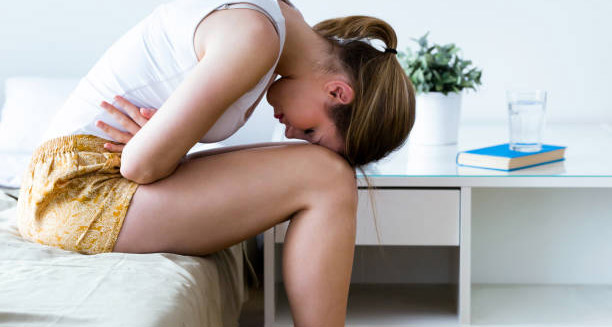
Woman curled up in pain on bed due to complications from heavy menstrual bleeding

Complications of Heavy Periods

Complications of Heavy Periods The complications of heavy periods can be wide-ranging, affecting physical health, emotional wellbeing, and overall quality of life. While occasional heavy bleeding may not be cause for concern, persistent menorrhagia. Especially when untreated—can lead to a host of short- and long-term issues. Recognising the complications of heavy periods is crucial for timely intervention and to prevent potentially serious outcomes. Such as anaemia, chronic fatigue, or fertility issues. One of the most common and well-documented complications is iron deficiency anaemia. Heavy menstrual bleeding results in excessive loss of iron. Which the body needs to make haemoglobin—the oxygen-carrying component of red blood cells. When blood loss outpaces dietary iron intake and absorption, the result is anaemia. Symptoms include fatigue, weakness, dizziness, shortness of breath, and pale skin. In more advanced cases, people may experience heart palpitations, brittle nails, or difficulty concentrating. Iron deficiency anaemia can creep in gradually and is sometimes only discovered when individuals struggle to keep up with daily physical or mental demands. Another serious consequence is chronic fatigue, even in the absence of measurable anaemia. The physical strain of losing large volumes of blood each month. Combined with pain and disrupted sleep, can leave people feeling consistently drained. This can significantly reduce productivity at work or school and limit engagement in hobbies, exercise, and social activities. Over time, it can contribute to low mood, frustration, and a diminished sense of control over one’s life. Complications of Heavy Periods Emotional and psychological distress are also prominent complications. The unpredictability and volume of bleeding can lead to anxiety, especially when planning daily activities. Many individuals worry about leakage, staining clothes or bedding, or being far from a bathroom. This fear may cause them to avoid social outings, physical intimacy, or travel. Teenagers with heavy periods may experience embarrassment or bullying, affecting their confidence and willingness to participate in school or sports. Over time, these emotional strains can evolve into depression, particularly if the individual feels dismissed or unsupported by healthcare providers. Disruption to daily routines is another frequently reported complication. Some people find themselves missing work or school, declining invitations, or modifying their lifestyle around their menstrual cycle. In extreme cases, they may plan their entire month around when they expect to bleed, taking time off or avoiding commitments during that time. This disruption can hinder educational progress, career development, or parenting responsibilities, especially if left unaddressed for extended periods. Left unmanaged, heavy periods may cause reproductive health problems. Certain underlying causes—such as endometriosis, fibroids, or polyps—not only cause heavy bleeding but may also interfere with conception or pregnancy. For example, submucosal fibroids can distort the uterine cavity and hinder embryo implantation, while advanced endometriosis may cause scarring of the fallopian tubes or ovaries. If heavy periods are linked to ovulatory dysfunction, as in polycystic ovary syndrome (PCOS), irregular ovulation may further complicate fertility. Besides fertility worries, some causes of heavy bleeding—especially hormone imbalances or problems with the uterus—can also lead to repeated miscarriages. For women trying to get pregnant, diagnosing and treating the root cause of heavy periods becomes even more essential—not only to improve quality of life but also to enhance reproductive outcomes. Complications of Heavy Periods Among postmenopausal women, any bleeding is considered abnormal and should be investigated urgently. While technically not a complication of menstruation, heavy or irregular bleeding in women nearing menopause may sometimes be a sign of endometrial hyperplasia or, in rare cases, endometrial cancer. Therefore, doctors must always take heavy periods in older women seriously, especially when they also report weight loss, pelvic pain, or a family history of gynaecological cancers. Skin-related complications can also develop, especially when individuals are constantly wearing sanitary products. Prolonged contact with pads, moisture, and friction can result in skin irritation, chafing, and in some cases, contact dermatitis. This is particularly common among those who wear protective gear for long hours, such as during travel or shift work, and among individuals with sensitive skin. In severe or prolonged cases, the combination of anaemia, fatigue, psychological strain, and social withdrawal may lead to reduced immunity, making the individual more vulnerable to infections or illness. In children and teenagers, chronic lack of nutrients or hormone problems can slow down growth and development. As a result, many of them also miss a lot of school. Syncopal episodes (fainting) Another rare but serious complication is syncopal episodes (fainting) due to extreme blood loss. This tends to occur in individuals with underlying cardiovascular conditions or when anaemia becomes profound. Fainting poses risks of falls, injury, or hospitalisation and requires urgent correction of iron levels and bleeding control. If people leave heavy periods untreated for years, they may face a higher chance of needing more invasive treatments later. For example, someone who could have used simple medication earlier might later need surgery, such as endometrial ablation, myomectomy, or even a hysterectomy. While these treatments are effective and life-changing for many, they carry risks and recovery time and may not be suitable for those wishing to retain fertility. There is also a financial burden associated with chronic heavy periods. The cost of sanitary products, pain relief medication, supplements, lost wages due to sick leave, or travel to and from medical appointments can accumulate significantly over time. In some countries, access to menstrual products remains a barrier for low-income individuals, compounding the social and health impact. Complications of Heavy Periods In summary, the complications of heavy periods extend far beyond monthly discomfort. They include iron deficiency anaemia, chronic fatigue, mental health challenges, social limitations, reproductive issues, and even increased risk of surgical interventions. While the condition is common, it is not something that should be ignored or endured in silence. With early diagnosis, appropriate treatment, and supportive care, the complications can often be avoided altogether—restoring quality of life and empowering individuals to regain control of their health. [Next: Prevention of Heavy Periods →]

Complications of Heavy Periods Read More »

Scroll to Top