Mental Matters

Health & Wellness

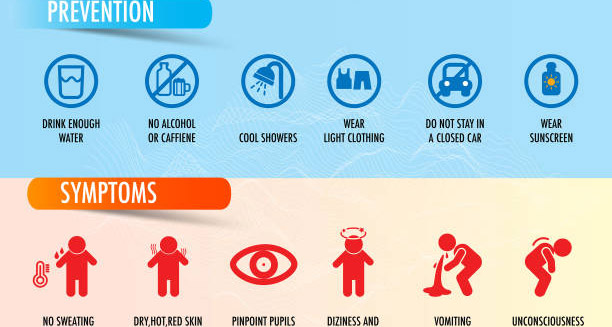
Infographic showing prevention and symptoms used in the diagnosis of heat exhaustion

Diagnosis of Heat Exhaustion

Diagnosis of Heat Exhaustion The diagnosis of heat exhaustion is primarily clinical. Based on recognising the signs and symptoms in individuals exposed to high temperatures or strenuous activity. Since heat exhaustion can rapidly progress to life-threatening heatstroke. Timely and accurate diagnosis of heat exhaustion is crucial for prompt treatment and prevention of serious complications. Health professionals rely on a combination of patient history, physical examination, and observation of core symptoms to identify the condition and differentiate it from other heat-related or medical issues. The process begins with an assessment of the person’s recent activities and environment. Key questions include whether the individual has been exposed to a hot or humid climate. Whether they’ve participated in physical exertion (such as exercise, labour, or outdoor activity), and whether they’ve had adequate fluid intake. It’s also important to determine the person’s age, medical history, and current medications, as these can increase vulnerability and affect the body’s heat regulation mechanisms. Physical Examination During the physical examination, several hallmark signs help confirm the diagnosis of heat exhaustion. These may include: Heavy sweating: A defining feature that indicates the body is still trying to cool itself. Pale, cool, and clammy skin: Despite the heat, the skin may feel moist due to perspiration. Rapid pulse and shallow breathing: Signs of dehydration and circulatory stress. Muscle cramps or weakness: Often caused by loss of sodium and potassium through sweat. Headache, dizziness, or light-headedness: Reflecting decreased blood flow to the brain. Nausea or vomiting: Resulting from gastrointestinal upset due to reduced circulation and heat stress. Fatigue or general weakness: Due to electrolyte loss and reduced energy levels. Fainting (syncope): Particularly after standing, as a result of low blood pressure and blood volume. Mild confusion or difficulty concentrating: In more advanced cases, mental function may begin to deteriorate. Diagnosis of Heat Exhaustion It is important to note that while body temperature is typically elevated in heat exhaustion, it remains below 40°C (104°F)—a key threshold used to distinguish it from heatstroke. Individuals with heat exhaustion usually retain the ability to sweat, whereas those with heatstroke often present with dry, hot skin due to the breakdown of thermoregulatory mechanisms. Core temperature can be checked using a rectal thermometer, as this provides the most accurate measure of internal body heat. Oral, tympanic (ear), or forehead thermometers may underestimate the true core temperature, especially in the presence of sweating or environmental heat. In certain settings, particularly emergency departments or clinics, additional investigations may be performed to rule out other causes of similar symptoms or to assess the severity of the condition. These tests may include: Blood tests to evaluate electrolyte levels (especially sodium and potassium), kidney function (urea and creatinine), and blood glucose levels. Urinalysis, which may reveal concentrated urine—a sign of dehydration. Electrocardiogram (ECG) to rule out cardiac issues in older adults or patients with heart disease, as dehydration and electrolyte imbalances can provoke arrhythmias. Liver enzymes and creatine kinase levels in cases of prolonged heat stress or suspected rhabdomyolysis (muscle breakdown). Diagnosis of Heat Exhaustion Differentiating heat exhaustion from other conditions is a critical part of the diagnostic process. For example, heatstroke presents more severely, with central nervous system symptoms such as confusion, seizures, or coma, and a body temperature typically over 40°C. In contrast, patients with heat exhaustion are generally alert (though possibly fatigued or confused), maintain a lower core temperature, and continue to sweat. Other conditions that may mimic or overlap with heat exhaustion include: Dehydration without heat stress: Often seen in gastrointestinal illnesses with vomiting or diarrhoea. Cardiovascular collapse or hypotension: Due to blood loss, sepsis, or cardiac arrhythmias. Hypoglycaemia: May cause dizziness, weakness, and confusion. Infections with fever: Especially in tropical climates, infections such as malaria or dengue can cause fatigue, sweating, and vomiting. Drug-induced reactions: Some medications, including stimulants or psychiatric drugs, can impair heat regulation or cause symptoms resembling heat exhaustion. Diagnosis of Heat Exhaustion Given these similarities, a detailed clinical history—including environmental and activity context—is essential. With young athletes, soldiers, or outdoor workers, the diagnosis may be clear-cut due to a recent history of physical exertion in the heat. In elderly or sedentary individuals, the presentation may be subtler and require more thorough investigation to exclude other causes of collapse or confusion. In pre-hospital or first aid settings, a diagnosis is often made on-site based on symptoms and signs. First responders should immediately initiate cooling and rehydration measures if heat exhaustion is suspected, even before formal medical evaluation, to prevent deterioration. Once heat exhaustion is noticed, move the person to a cool, shaded, or air-conditioned place right away. Next, loosen or remove any tight clothing to help them cool down. Then, use evaporative cooling methods—like spraying water on their skin and using fans—to lower their body temperature. Give them fluids to drink, ideally ones with electrolytes. However, if they feel too sick to drink or are confused, doctors may need to give fluids through an IV in a clinic or hospital. Diagnosis of Heat Exhaustion In summary, the diagnosis of heat exhaustion relies on recognising a combination of environmental exposure, physical symptoms, and characteristic physical findings. It requires a high index of suspicion, especially during heatwaves or in at-risk populations. Prompt diagnosis enables early treatment, which can reverse symptoms and prevent progression to heatstroke, organ damage, or death. [Next: Symptoms of Heat Exhaustion →]


Diagnosis of Heat Exhaustion Read More »

Worker showing visible symptoms of heat exhaustion under extreme heat

Symptoms of Heat Exhaustion

Symptoms of Heat Exhaustion The symptoms of heat exhaustion typically develop after prolonged exposure to high temperatures, especially when combined with physical activity and insufficient hydration. Although not as immediately life-threatening as heatstroke, heat exhaustion is a serious medical condition that requires prompt attention. Recognising the symptoms of heat exhaustion early allows for quick intervention, helping prevent the progression to heatstroke—a condition that can cause permanent organ damage or death. The hallmark symptom of heat exhaustion is intense, heavy sweating. Sweating is the body’s natural way of cooling down, but excessive perspiration leads to fluid and electrolyte loss, which in turn affects circulatory and neurological function. People with heat exhaustion often appear drenched in sweat, and their skin may feel cold, clammy, or moist, even though they are in a hot environment. Unlike heatstroke, in which sweating usually stops and the skin becomes dry and hot, those with heat exhaustion retain the ability to sweat. Weakness and fatigue are also common. As the body’s core temperature rises and fluid levels drop, muscles become less efficient, leading to a general sense of exhaustion. Individuals may find it difficult to continue physical activity, and tasks that are usually manageable may feel overwhelmingly tiring. This symptom may develop gradually or appear suddenly after a period of overexertion in the heat. Symptoms of Heat Exhaustion Dizziness or light-headedness, especially when standing up, is another frequent symptom. This occurs because fluid loss leads to a drop in blood pressure, which can reduce blood flow to the brain. Affected individuals may feel faint or unsteady and, in more serious cases, may experience actual fainting (syncope). Orthostatic hypotension—feeling dizzy when moving from a sitting or lying position to standing—is a typical warning sign. Nausea and vomiting often accompany heat exhaustion, especially if the person continues to exert themselves without rest or hydration. Heat and dehydration can slow gastric motility and irritate the stomach lining, causing gastrointestinal symptoms. Vomiting further worsens dehydration and electrolyte loss, creating a dangerous cycle that accelerates deterioration if not addressed promptly. Muscle cramps, particularly in the legs, arms, or abdomen, are another characteristic symptom. These are caused by imbalances in electrolytes—especially sodium and potassium—due to profuse sweating. The cramps may be mild and intermittent or severe and painful, and they often worsen with continued physical activity. Headache is a common complaint and may feel similar to a tension-type or migraine headache. Dehydration, loss of electrolytes, and overheating all contribute to the onset of pain. The headache may be accompanied by a sensation of pressure in the head or sensitivity to light, particularly if the person is in bright outdoor conditions. Symptoms of Heat Exhaustion Changes in mental status are possible, especially as the condition progresses. Individuals may become irritable, confused, or unable to concentrate. They may appear sluggish or respond slowly to questions. While these symptoms are usually mild in heat exhaustion, they must be taken seriously, as worsening confusion or disorientation can signal progression to heatstroke. Pale or flushed skin, often cool to the touch, is a notable symptom that may be overlooked. Despite the high environmental temperature, the skin can feel cold and sweaty because the body is working in overdrive to expel heat through sweating. In other cases, the skin may appear red due to increased circulation as the body attempts to cool the surface. Some individuals report rapid heartbeat (tachycardia) and fast, shallow breathing. These symptoms occur as the heart and lungs try to compensate for low fluid levels and rising body temperature. The pulse may feel weak or thready, and breathing may be noticeably faster than normal, particularly with minimal exertion. Symptoms of Heat Exhaustion A person with heat exhaustion may also experience dark-coloured urine, a sign of dehydration. Urine output may be reduced or absent altogether in severe cases. Monitoring hydration status through urine colour and frequency can be a useful indicator, especially in outdoor or athletic settings. Chills or goosebumps, while counterintuitive in hot weather, can occur during heat exhaustion and are a sign that the body’s thermoregulation system is failing. This symptom often accompanies muscle cramps, nausea, and a sense of “feeling off,” and should prompt immediate rest and cooling measures. The symptoms of heat exhaustion may appear suddenly or build up over time. In some people—particularly older adults, children, and individuals with chronic illnesses—the symptoms may be subtler. For example, an elderly person may simply appear lethargic, confused, or unusually quiet. Young children may become fussy, refuse food or drink, or appear flushed and overly tired after playing outside. Importantly, the severity of symptoms is not always proportional to the seriousness of the condition. Mild-seeming symptoms can worsen rapidly, especially if the individual continues to remain in a hot environment or fails to rehydrate. Early intervention is crucial. Removing the person from the heat, encouraging them to rest, and providing fluids—preferably with electrolytes—can reverse the condition quickly and prevent further complications. In high-risk populations, such as athletes, labourers, outdoor workers, and people experiencing homelessness, vigilance is essential. These groups may continue exerting themselves despite warning signs or have limited access to shade, fluids, or medical care. Education and prevention efforts, including the use of rest breaks, hydration schedules, and buddy systems, are key to reducing the incidence of heat exhaustion in such settings. Symptoms of Heat Exhaustion In summary, the symptoms of heat exhaustion range from heavy sweating and fatigue to dizziness, nausea, cramps, and mental confusion. Recognising these signs early allows for timely treatment and helps prevent progression to heatstroke. Anyone experiencing or observing these symptoms—particularly during heatwaves, strenuous outdoor activity, or in vulnerable individuals—should take immediate action to cool the body, rehydrate, and rest. [Next: Treatment of Heat Exhaustion →]

Symptoms of Heat Exhaustion Read More »

Woman cooling down with water and a fan to treat heat exhaustion

Treatment of Heat Exhaustion

Treatment of Heat Exhaustion The treatment of heat exhaustion must be swift, supportive, and focused on reducing core body temperature and replenishing lost fluids and electrolytes. If identified early, heat exhaustion can be reversed with basic first aid, preventing the condition from escalating into life-threatening heatstroke. The main goals in the treatment of heat exhaustion are to cool the individual down, rehydrate them, restore electrolyte balance, and monitor for any signs of deterioration. The first and most critical step is to remove the person from the hot environment immediately. Whether they are indoors or outdoors, they should be moved to a cooler, shaded, or air-conditioned area. If indoors, fans and open windows can assist with ventilation if air conditioning is not available. Reducing the individual’s exposure to heat stops further overheating and gives the body a chance to begin cooling itself naturally. Once in a cooler setting, the next step is to encourage the person to rest and lie down. Preferably with their legs elevated to improve circulation and reduce the risk of fainting. Elevating the legs also helps combat the low blood pressure that often accompanies dehydration and electrolyte loss. If the person feels dizzy or faint, lying flat with legs slightly elevated can help restore blood flow to the brain. Treatment of Heat Exhaustion Hydration is a cornerstone of treatment. If the individual is alert and not vomiting, they should be encouraged to slowly sip cool fluids. Water is beneficial, but oral rehydration solutions (ORS) or electrolyte-containing drinks. Such as sports drinks—are preferable, especially when significant sweating and salt loss have occurred. These drinks help replace not only fluid but also critical salts like sodium and potassium, which are often depleted during prolonged sweating. If someone feels sick or is vomiting, it may be hard for them to drink enough fluids. In this case, doctors may need to give fluids through an IV to quickly replace lost water and correct salt imbalances. This treatment usually happens in a clinic, urgent care centre, or hospital. It’s important to get medical help right away if vomiting doesn’t stop or if the person can’t keep any fluids downs. Cooling measures should be implemented immediately. These may include: Removing excess clothing, including hats, socks, and tight garments, to help dissipate body heat. Applying cool, damp cloths or towels to the skin, particularly on the forehead, neck, armpits, and groin where major blood vessels are located. Fanning the person to promote evaporation and accelerate cooling. Spraying or sponging the body with cool (not ice-cold) water, which facilitates evaporative cooling. Using ice packs placed on pulse points, such as the wrists, ankles, underarms, or neck, to draw heat away from the body’s core. However, very cold treatments like ice baths or cold-water immersion are usually used for heatstroke, not heat exhaustion. These methods are only considered if the person isn’t getting better with gentler cooling. Sudden exposure to extreme cold can be risky, especially for older adults, young children, or people with heart problems. Because of this, it’s safer to start with milder cooling methods first. Treatment of Heat Exhaustion Monitoring the person’s condition is vital during treatment. Improvement is often seen within 30 minutes of cooling and rehydration, but if symptoms persist—or if confusion, vomiting, or unconsciousness develops—urgent medical evaluation is needed. Persistent high body temperature (especially above 38.5°C), altered mental status, or seizures are signs that heat exhaustion may be progressing to heatstroke, which requires immediate emergency care. In any case where the person has underlying health issues (e.g. heart disease, diabetes, or kidney disorders), or if they are part of a high-risk group such as the elderly, pregnant individuals, or young children, medical review is recommended even if symptoms appear to improve. Their physiological reserves are often lower, and they may relapse or suffer complications without appropriate follow-up. Following recovery, rest is essential for at least 24–48 hours. The body may remain sensitive to heat, and exertion should be avoided until full recovery is confirmed. Hydration should continue even after symptoms subside, and any contributing factors—such as medication side effects, dehydration, or excessive physical exertion—should be reviewed and addressed. Education and Prevention Education and prevention form an important part of treatment, particularly for those at repeated risk. Individuals who experienced heat exhaustion should be informed about: Recognising early warning signs of heat stress. Maintaining adequate hydration throughout the day. Avoiding strenuous activity during peak heat hours (typically 11 a.m. to 4 p.m.). Wearing appropriate clothing—lightweight, light-coloured, and breathable materials. Gradual acclimatisation to hot environments or strenuous activity in heat. Planning ahead by monitoring weather forecasts and heat alerts. Occupational health protocols may need to be reviewed for workers in outdoor or high-heat environments. Measures such as scheduled hydration breaks, shaded rest areas, heat acclimatisation programmes, and buddy systems can significantly reduce the risk of recurrence. In athletic settings, coaches and fitness professionals should be trained to recognise and respond to heat illness quickly. Access to hydration stations, shaded rest areas, and first aid supplies should be standard during training sessions and events. Treatment of Heat Exhaustion In summary, the treatment of heat exhaustion involves immediate removal from heat, active cooling, careful rehydration, and monitoring for signs of progression. Most individuals recover fully with timely intervention, but delayed treatment can result in complications or escalation to heatstroke. Prevention and education are key to reducing repeat episodes, especially during hot weather or in vulnerable populations. [Next: Complications of Heat Exhaustion →]

Treatment of Heat Exhaustion Read More »

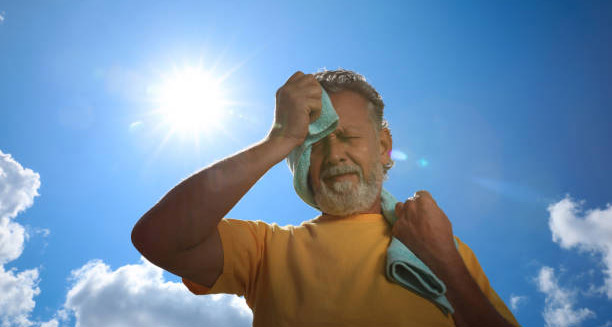
Older man wiping sweat in the sun, showing signs of heat exhaustion complications

Complications of Heat Exhaustion

Complications of Heat Exhaustion The complications of heat exhaustion arise when the condition is not recognised or treated promptly. Allowing core body temperature to continue rising and physiological systems to become increasingly strained. Although heat exhaustion itself is not usually life-threatening, it signals that the body’s heat regulation system is under significant stress. Without intervention, the situation can deteriorate rapidly, potentially leading to heatstroke and permanent organ damage. Understanding the complications of heat exhaustion is vital to emphasise the importance of early treatment and preventative action. Especially in high-risk environments and vulnerable populations. The most dangerous and well-known complication is the progression to heatstroke, a medical emergency. Heatstroke occurs when the body’s core temperature rises above 40°C (104°F), and the thermoregulatory system fails entirely. At this point, sweating typically stops, and the skin becomes hot and dry. Confusion, agitation, seizures, and loss of consciousness follow as the brain is deprived of oxygen and blood flow. Unlike heat exhaustion. Heatstroke causes central nervous system dysfunction and can result in permanent brain damage or death if not treated immediately. Once symptoms of heat exhaustion emerge, prompt action must be taken to prevent this potentially fatal outcome. Severe Dehydration Another serious complication is severe dehydration, which results from prolonged and excessive sweating without adequate fluid replacement. As fluid volume drops, blood pressure decreases, and circulation becomes impaired. This can lead to hypovolaemic shock, a condition in which the body cannot maintain adequate blood flow to the organs. Hypovolaemic shock can cause multi-organ failure if not addressed with immediate fluid resuscitation, typically via intravenous therapy in a medical setting. Electrolyte imbalances, particularly low sodium (hyponatraemia) and potassium (hypokalaemia), are common in individuals with untreated or severe heat exhaustion. These imbalances disrupt the electrical signals that control muscle function and nerve conduction. When severe, they can lead to muscle weakness, irregular heart rhythms (arrhythmias), or seizures. In some cases, dangerously low sodium levels can cause cerebral oedema (swelling of the brain), leading to confusion, lethargy, and coma. Complications of Heat Exhaustion Another possible complication of advanced heat exhaustion is muscle damage. When the body gets too hot and doesn’t get enough oxygen, muscle cells can start to break down. This condition is called rhabdomyolysis and can lead to serious health problems if not treated quickly. This releases muscle proteins such as myoglobin into the bloodstream, which can clog the kidneys and lead to acute kidney injury (AKI). Early signs of rhabdomyolysis include severe muscle pain, weakness, and dark-coloured urine. If not diagnosed and treated promptly, this condition may require dialysis and can have long-term effects on kidney function. In individuals with pre-existing medical conditions, especially cardiovascular disease, heat exhaustion can precipitate complications more rapidly and severely. Dehydration increases the workload on the heart, and heat stress can trigger cardiac arrhythmias, chest pain (angina), or even myocardial infarction (heart attack) in susceptible individuals. For this reason, older adults and patients with chronic illnesses must be monitored closely during hot weather or exertional activity. Neurological complications may occur even without full heatstroke, particularly if heat exhaustion is prolonged or recurrent. Sustained elevations in body temperature can impair brain function, resulting in lingering symptoms such as memory problems, difficulty concentrating, mood changes, or chronic fatigue. These effects may persist for days or weeks after the acute episode and can be particularly distressing for those who experience them. In young children and infants, who are less able to communicate their symptoms or regulate their body temperature effectively, complications may arise more quickly and be harder to detect. Convulsions, extreme irritability, or lethargy may be the only warning signs. Dehydration in young children also poses a greater risk of shock and long-term organ damage due to their smaller fluid reserves. Complications of Heat Exhaustion Another possible effect of heat exhaustion is becoming more sensitive to heat in the future. After an episode, the body’s ability to control temperature may not work as well for a short time. Because of this, people might feel overheated more easily—even during light activity or in cooler weather. This lower heat tolerance can last for days or even weeks. Recovery may also take longer than expected, especially if the person doesn’t rest enough or stay properly hydrated. In occupational or athletic settings, complications of heat exhaustion may also include injuries caused by falls or loss of coordination. Dizziness, fainting, or reduced mental focus during physical activity can lead to accidents, fractures, or head injuries. Workers operating heavy machinery or athletes participating in high-risk sports are particularly vulnerable to injury if the early signs of heat exhaustion are missed or ignored. Gastrointestinal Complications Gastrointestinal complications may include prolonged vomiting or diarrhoea, both of which contribute to dehydration and electrolyte loss. In rare cases, reduced blood flow to the digestive tract can lead to ischaemic bowel injury, which presents with abdominal pain, bloody stools, or vomiting and requires urgent medical attention. The psychological impact of heat exhaustion is also worth noting. Those who experience a severe episode may develop health anxiety, especially if the incident occurred unexpectedly or led to hospitalisation. Fear of recurrence can limit participation in physical activity or outdoor events, affecting quality of life. Education and support are important in helping individuals regain confidence while adopting safe behaviours. In public health contexts, outbreaks of heat exhaustion during heatwaves can overwhelm healthcare systems, particularly in communities with limited access to air conditioning, water, or medical care. Vulnerable populations such as the elderly, the homeless, and people with disabilities are at particular risk, and poor infrastructure can exacerbate complications on a societal level. Complications of Heat Exhaustion In conclusion, if heat exhaustion isn’t treated properly, it can lead to serious problems that affect nearly every part of the body. Although it’s often preventable and manageable with early care, ignoring the symptoms can result in heatstroke, organ damage, or even death. That’s why education, quick recognition of warning signs, and fast action—especially cooling the body and staying hydrated—are so important. These simple steps can greatly reduce

Complications of Heat Exhaustion Read More »

Woman sitting on a bench using a fan to cool down and prevent heat exhaustion

Prevention of Heat Exhaustion

Prevention of Heat Exhaustion The prevention of heat exhaustion is rooted in preparation, awareness, and responsible behaviour during periods of elevated temperature or intense physical activity. While heat exhaustion is often triggered by environmental factors beyond our control. Such as heatwaves or humid conditions—it is also one of the most preventable heat-related illnesses. By understanding personal risk factors, planning accordingly, and implementing simple but effective safety strategies. Individuals can significantly reduce the risk of developing heat exhaustion. At the core of prevention is maintaining adequate hydration. The human body cools itself by sweating, but in doing so. It loses not only water but also vital electrolytes such as sodium and potassium. Replacing these losses is crucial to avoid dehydration and the impaired thermoregulation that follows. People should drink fluids consistently throughout the day, not just when they feel thirsty. In hot weather or during exercise. Water may suffice for short periods, but electrolyte-replenishing drinks such as sports beverages or oral rehydration solutions are better suited for prolonged exposure or heavy sweating. Prevention of Heat Exhaustion Recognising early warning signs of heat-related stress—such as fatigue, excessive sweating, dizziness, or muscle cramps—is vital. These symptoms should never be ignored. At the first sign of discomfort, it is important to stop activity, seek shade, and cool down. Waiting too long allows internal heat and dehydration to build up, making recovery more difficult and increasing the risk of complications. Clothing choices also play a major role in preventing heat exhaustion. Lightweight, loose-fitting, and light-coloured garments reflect sunlight and facilitate air circulation, making it easier for sweat to evaporate and cool the body. Breathable fabrics like cotton or moisture-wicking athletic gear are especially helpful. Wearing a wide-brimmed hat and UV-protective sunglasses provides further protection, particularly during prolonged outdoor exposure. Time of day is another critical factor. The sun is strongest between 11 a.m. and 4 p.m., and during these hours, it is best to stay indoors or seek shaded, cool environments. If outdoor activity is necessary, early morning or evening hours are safer choices. Planning outdoor work, exercise, or travel around cooler parts of the day significantly reduces heat-related risk. One of the most overlooked but effective strategies in the prevention of heat exhaustion is gradual acclimatisation. This means allowing the body time to adjust to increased temperatures by progressively increasing exposure or workload over several days. Acclimatisation improves sweating efficiency, cardiovascular stability, and electrolyte retention, making it particularly beneficial for athletes, military personnel, or workers in hot environments. Prevention of Heat Exhaustion Taking regular breaks in cool or shaded areas is especially important during physical exertion. These breaks give the body a chance to rest and regulate its temperature. Employers and coaches should encourage scheduled rest periods, provide access to fluids, and ensure that team members or workers are monitored for symptoms. In some high-risk settings, such as construction sites or athletic events, the use of a buddy system—where individuals look out for one another’s wellbeing—can be life-saving. For individuals in high-risk groups, extra precautions are essential. Older adults, infants, people with chronic health conditions, and those taking medications that affect hydration or thermoregulation (such as diuretics, beta-blockers, or anticholinergics) should avoid heat exposure whenever possible. These individuals should stay in air-conditioned environments during heatwaves, have access to fans or cooling devices, and maintain regular fluid intake. Relatives, carers, and healthcare workers should check on vulnerable individuals frequently during hot spells to ensure their safety. Cooling strategies can also be used proactively. Applying a damp cloth to the back of the neck, running cool water over the wrists, or misting the skin with a spray bottle all promote evaporative cooling. Taking cool showers or baths during peak heat hours is another effective way to keep core temperature in check. In extreme conditions, portable fans or ice packs applied to pulse points (neck, wrists, ankles) offer immediate relief. Proper nutrition supports heat resilience as well. Eating smaller, lighter meals during hot weather puts less metabolic strain on the body, reducing heat generation during digestion. High-water-content foods like fruits and vegetables provide hydration and vital nutrients. Salty snacks or electrolyte tablets may be beneficial during prolonged sweating to prevent hyponatraemia (low blood sodium). Prevention of Heat Exhaustion Education and preparedness are also key to preventing heat exhaustion on a broader scale. Schools, sports teams, community centres, and employers should provide training and resources on recognising and responding to heat-related illness. Emergency heat response plans—including access to shaded areas, first aid kits, and hydration stations—should be implemented during hot weather events. Technological tools can aid prevention efforts. Smartphone weather apps and wearable fitness trackers can monitor local heat indexes and warn users of dangerous conditions. Some devices even provide hydration reminders and track fluid intake. For workers or athletes training in high heat, digital monitoring tools that measure heart rate, sweat loss, and core temperature are becoming more accessible and can help detect early physiological stress. Environmental planning is also important for reducing heat-related illness at the community level. Urban “heat islands,” where concrete and asphalt absorb and retain heat, can significantly raise temperatures in cities. Strategies such as increasing green spaces, planting trees, using reflective building materials, and designing better ventilation systems in homes and workplaces contribute to cooler living environments and improved public health outcomes. In the context of climate change, which is increasing the frequency and severity of heatwaves worldwide, the prevention of heat exhaustion is becoming an urgent global health priority. Public health campaigns must adapt to rising temperatures by informing communities of the risks and equipping them with the knowledge and tools to stay safe. Finally, listening to your body is one of the simplest and most effective ways to prevent heat exhaustion. Ignoring symptoms or pushing through fatigue, cramps, or light-headedness can have dangerous consequences. Resting when needed, drinking fluids regularly, and seeking help early are all part of a responsible approach to heat exposure. Prevention of Heat Exhaustion In conclusion, the prevention of heat exhaustion involves a combination of

Prevention of Heat Exhaustion Read More »

Tired woman shielding eyes from sun while recovering from heat exhaustion

Outlook for Heat Exhaustion

Outlook for Heat Exhaustion The outlook for heat exhaustion is generally very good. Especially when the condition is recognised early and treated promptly. Most individuals make a full recovery within a day or two. Particularly when they are removed from the hot environment, adequately rehydrated, and allowed to rest. However, the outlook for heat exhaustion can become poor if the condition is ignored or misdiagnosed. Especially in vulnerable populations or those who continue to exert themselves without receiving proper care. Recognising the importance of early action plays a crucial role in determining the long-term outcome. In mild to moderate cases, people usually feel better quickly once they restore fluids and lower their body temperature. Symptoms like tiredness, dizziness, and muscle cramps often go away within a few hours. After resting for 24 to 48 hours, most can return to normal activities. Overall, the short-term outlook is very good for healthy individuals. Heatstroke However, the outlook for heat exhaustion becomes more guarded if the condition is allowed to progress. If symptoms are not addressed. Particularly if the individual remains in a hot environment or continues physical activity. Heat exhaustion can escalate into heatstroke, a life-threatening emergency with a significantly higher risk of long-term complications or death. In this context, early detection and intervention are critical not just for recovery but for survival. For individuals who experience recurrent episodes of heat exhaustion, the outlook depends on how well the underlying causes are addressed. Repeated heat stress may indicate poor hydration habits, insufficient acclimatisation, or uncorrected environmental or occupational risks. In these cases, recurrence can affect a person’s ability to work, train, or enjoy normal outdoor activities. However, with proper lifestyle changes, education, and medical advice. Most people can return to normal routines with improved safety and confidence. Outlook for Heat Exhaustion Those who experience a single, isolated episode—such as athletes during a competition or workers caught in an unexpected heatwave—usually recover without long-term effects. However, it is not uncommon to experience temporary heat intolerance in the days or weeks following an episode. During this time, individuals may feel unwell even during mild heat exposure or light exercise. Sensitivity usually resolves with rest and gradual re-acclimatisation to normal activity. In older adults, the outlook is less predictable. Ageing affects the body’s ability to regulate temperature and maintain fluid balance, which means that heat exhaustion can have more serious and longer-lasting consequences. In this group, the condition may exacerbate pre-existing medical issues—such as heart disease or kidney dysfunction—and can result in hospitalisation. Recovery times may be longer, and additional support or monitoring may be required, especially if the individual lives alone or has limited access to cooling systems. Similarly, children and infants are more vulnerable to complications and slower recovery due to their immature thermoregulatory systems. In children, symptoms may resolve quickly, but careful observation is needed to ensure they remain hydrated and do not return to a hot environment too soon. Guardians and caregivers play a vital role in ensuring the safety of children during hot weather. In individuals with chronic health conditions, the outcome often depends on how well those underlying issues are managed. For example, someone with heart failure may be at increased risk of developing cardiac complications due to the strain of dehydration, while a person with diabetes may suffer fluctuations in blood sugar levels during heat stress. Despite this, most people in these categories can recover fully from heat exhaustion if they receive timely, appropriate care and are supported through rest and rehydration. Outlook for Heat Exhaustion From a broader perspective, the outlook for heat exhaustion is increasingly shaped by public health infrastructure, environmental planning, and education. In regions where individuals have access to clean water, shelter, healthcare, and heat awareness programmes, the prognosis is favourable—even during extreme heat events. Conversely, in under-resourced communities, heat exhaustion can carry more serious consequences due to delayed treatment and inadequate cooling environments. Climate change is also influencing the global outlook. As heatwaves become more frequent and severe, the number of individuals at risk increases. Prolonged heat events put sustained pressure on healthcare systems, increase the burden of chronic illness, and challenge the resilience of vulnerable populations. However, the growing emphasis on heat health awareness, city planning to reduce urban heat islands, and real-time heat alert systems is improving public readiness and outcomes. Anxiety about future heat exposure On an emotional and psychological level, most people recover from heat exhaustion without long-term distress. Nevertheless, a minority may develop anxiety about future heat exposure or reduced confidence in their physical capabilities. For athletes, this may mean hesitancy about returning to competition; for workers, it might lead to missed shifts or reduced productivity. Counselling, education, and structured return-to-activity plans can help restore confidence. For individuals whose heat exhaustion was triggered by workplace exposure, occupational health support can improve their long-term outlook. Employers who implement heat safety protocols—including hydration stations, rest schedules, shaded areas, and education on early signs—create safer environments and reduce the risk of recurrence among staff. In high-heat industries such as agriculture, mining, and construction, such measures are critical to preventing both short-term illness and long-term workforce impact. Outlook for Heat Exhaustion In conclusion, the outlook for heat exhaustion is overwhelmingly positive when the condition is treated quickly and thoroughly. Full recovery is expected in most cases, especially among healthy individuals who rest, rehydrate, and avoid further heat exposure. However, in older adults, children, or those with medical vulnerabilities, extra caution is needed to ensure full recovery and prevent serious complications. Education, preparedness, and proactive cooling strategies remain the most powerful tools in improving outcomes, both for individuals and communities in a warming world. [Next: Back to Overview →]

Outlook for Heat Exhaustion Read More »

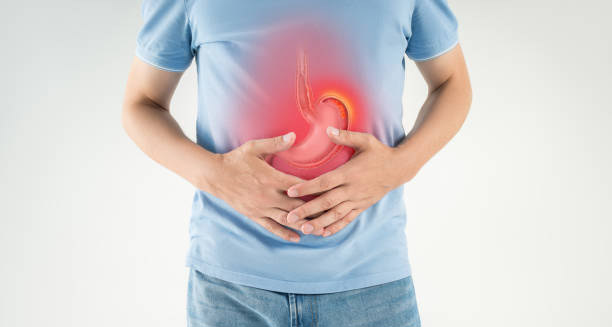
Man holding stomach with red highlight showing heartburn discomfort

Heartburn

Heartburn Heartburn is a common digestive symptom that presents as a burning sensation behind the breastbone, often rising into the throat. It is typically caused by the backflow of stomach acid into the oesophagus—a condition known as acid reflux. While many people experience occasional heartburn. Frequent or persistent episodes may signal a more serious problem such as gastro-oesophageal reflux disease (GORD). Though it is not related to the heart itself. The pain can mimic that of a heart attack, which often leads to confusion and anxiety for those experiencing it for the first time. The discomfort of heartburn usually begins in the lower chest area and can move upward into the neck and throat. Particularly after eating a large meal, bending over, or lying down. The sensation can vary from mildly irritating to intensely painful. Furthermore, some people describe a sour or bitter taste in the mouth when acid reaches the back of the throat. These symptoms are especially likely to occur after consuming foods that relax the lower oesophageal sphincter (LES). The muscle that acts as a barrier between the stomach and the oesophagus. When the LES becomes weakened or overly relaxed, acid and food contents can rise back into the oesophagus, causing irritation. People who are overweight, pregnant, or smoke regularly Heartburn affects millions of people globally and can occur at any age. Although it is more common in adults over the age of 40. It is especially prevalent in people who are overweight, pregnant, or smoke regularly. Increased abdominal pressure during pregnancy, for example, can force stomach contents upward. While tobacco use may impair LES function and slow oesophageal clearance of acid. Several lifestyle and dietary habits can significantly influence the frequency and intensity of heartburn. Foods high in fat, such as fried or greasy meals. Take longer to digest and can delay gastric emptying, contributing to reflux. Acidic foods like tomatoes, citrus fruits, and spicy dishes are also well-known culprits, as are carbonated beverages, alcohol, and caffeine. Chocolate and peppermint are two additional triggers that many people overlook, but both can relax the LES and promote acid backflow. Heartburn In some cases, heartburn may occur independently, but it is often a symptom of an underlying digestive disorder. Gastro-oesophageal reflux disease (GORD), which involves chronic reflux and inflammation of the oesophageal lining, is one of the most common causes. If left untreated, GORD can lead to complications such as oesophagitis, strictures, or even Barrett’s oesophagus—a condition associated with increased risk of oesophageal cancer. Physical posture and timing of meals play a role as well. Eating late at night or lying down too soon after a meal allows gravity to work against the natural downward movement of food and acid. Wearing tight clothing around the abdomen can also increase pressure on the stomach and contribute to symptoms. As a result, lifestyle modifications—such as eating smaller meals, avoiding trigger foods, and waiting at least two to three hours before lying down—are often the first steps in managing mild or occasional heartburn. It’s important to differentiate between heartburn and other serious conditions. While heartburn tends to follow a predictable pattern related to meals and body position, chest pain that occurs during exertion, radiates to the arm or jaw, or is accompanied by breathlessness or sweating should be treated as a medical emergency. Always seek urgent care if there is any doubt about the cause of chest discomfort. Over-the-counter antacids and acid-reducing medications such as H2-receptor blockers or proton pump inhibitors (PPIs) are commonly used to relieve heartburn symptoms. While effective, they are not meant for long-term use unless prescribed by a doctor. Persistent or severe symptoms warrant medical evaluation to rule out structural problems, Helicobacter pylori infection, or complications from chronic acid exposure. Heartburn In conclusion, heartburn is a symptom with a wide range of triggers and potential causes, from simple dietary choices to chronic medical conditions. While usually manageable with lifestyle changes and medication, ongoing or severe symptoms should not be ignored. Understanding its patterns, risk factors, and treatment options is key to achieving relief and preventing further complications. [Next: Causes of Heartburn →]

Heartburn Read More »

Woman experiencing heartburn after eating spicy food

Causes of Heartburn

Causes of Heartburn The causes of heartburn are wide-ranging and often interconnected, involving dietary habits, lifestyle choices, medical conditions, and anatomical abnormalities. At its core, heartburn results from the backward flow of stomach acid into the oesophagus. A process known as acid reflux. This reflux irritates the sensitive lining of the oesophagus, leading to the familiar burning sensation in the chest or throat. Understanding the causes of heartburn is essential to managing symptoms effectively and preventing long-term complications. One of the most frequent causes is the relaxation or weakening of the lower oesophageal sphincter (LES). The LES is a circular band of muscle at the junction between the oesophagus and the stomach. It acts like a valve, opening to allow food into the stomach and closing to keep stomach contents from rising. When this valve becomes dysfunctional—either due to pressure changes or muscle weakness. It may allow acid and partially digested food to travel upwards, resulting in reflux and heartburn. Dietary Triggers Dietary triggers are among the most common and well-documented contributors to heartburn. Foods that are high in fat, particularly fried or greasy dishes, tend to delay gastric emptying. Which increases pressure in the stomach and promotes reflux. Spicy foods, acidic ingredients like tomatoes and citrus fruits. Furthermore, certain condiments such as vinegar or mustard can all irritate the oesophagus directly or stimulate excess acid production. In addition to spicy or acidic meals, caffeine and alcohol are known to relax the LES. Making it easier for acid to escape the stomach. Caffeinated drinks—such as coffee, energy drinks, and strong tea—can exacerbate symptoms in susceptible individuals. Similarly, alcohol not only weakens the LES but also stimulates acid production, creating a double effect. Chocolate and peppermint are two less obvious culprits; while often considered indulgent or soothing, both have muscle-relaxing properties that affect the LES. Causes of Heartburn Eating habits and meal timing also play a significant role in the development of heartburn. Large meals stretch the stomach, increasing internal pressure and the likelihood of acid escaping into the oesophagus. Eating just before lying down or going to bed is especially problematic, as it removes the advantage of gravity in keeping acid in the stomach. This is why heartburn often worsens at night or when reclining after a meal. Another major factor is obesity. Excess weight, particularly around the abdomen, increases intra-abdominal pressure, pushing the stomach upward and reducing the strength of the LES. This mechanical pressure not only increases the frequency of reflux episodes but can also make them more severe. Studies consistently show a higher prevalence of heartburn and gastro-oesophageal reflux disease (GORD) in individuals who are overweight or obese. Pregnancy Pregnancy is a common cause of temporary heartburn due to hormonal and mechanical changes. The hormone progesterone, which increases during pregnancy, relaxes smooth muscle throughout the body—including the LES. At the same time, the growing uterus places pressure on the stomach, making reflux more likely. Most pregnant women experience some level of heartburn, particularly during the second and third trimesters. Certain medications can also contribute to heartburn. These include non-steroidal anti-inflammatory drugs (NSAIDs) such as ibuprofen and aspirin, which can irritate the stomach lining and promote acid production. Other common offenders include calcium channel blockers (used for high blood pressure), sedatives, certain antidepressants, and medications for asthma. In some cases, even supplements like iron or potassium can worsen symptoms if taken without adequate fluid or food. Smoking is another major lifestyle factor that contributes to heartburn. Nicotine reduces LES pressure and interferes with saliva production, which normally helps neutralise stomach acid. Smokers are also more likely to experience prolonged acid exposure in the oesophagus, increasing the risk of complications like oesophagitis or Barrett’s oesophagus. Causes of Heartburn Hiatus hernia is an anatomical condition in which part of the stomach pushes through the diaphragm and into the chest cavity. This can impair the function of the LES and increase the likelihood of acid reflux. While not everyone with a hiatus hernia experiences heartburn, the condition is a well-established risk factor and often contributes to more severe or treatment-resistant symptoms. Delayed gastric emptying, or gastroparesis, is another medical condition that can lead to heartburn. When the stomach empties too slowly, it increases pressure and volume within the stomach, raising the risk of acid reflux. This is often seen in people with diabetes, especially those with nerve damage affecting the gastrointestinal tract. Stress & Anxiety Stress and anxiety are often overlooked but play a subtle role in triggering or worsening heartburn. While they may not directly cause acid reflux. They can increase stomach acid production, reduce LES tone, and amplify perception of pain. People under chronic stress may also adopt poor eating habits. Such as eating too quickly, overeating, or choosing unhealthy foods—which further contribute to symptoms. The causes of heartburn can also be influenced by age. As people grow older, natural changes in the oesophageal lining and sphincter muscle make reflux more likely. Ageing is also associated with reduced saliva production and slower digestion, both of which can exacerbate symptoms. In many cases, heartburn is multifactorial—meaning it results from a combination of the above factors rather than a single cause. For example, a person who is overweight, smokes, and frequently eats large meals late at night will likely experience more severe and frequent episodes than someone with only one of those risk factors. Causes of Heartburn In summary, the causes of heartburn encompass a mix of lifestyle habits, dietary choices, physiological changes, and medical conditions. Identifying personal triggers and understanding the mechanisms behind them is the first step in developing an effective prevention and treatment strategy. While occasional heartburn is usually not serious, frequent or severe symptoms should prompt further medical evaluation to rule out underlying disorders and reduce the risk of complications. [Next: Diagnosis of Heartburn →]

Causes of Heartburn Read More »

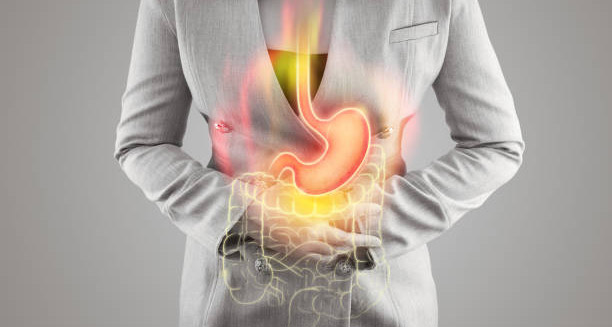
Illustration of stomach acid and digestive system overlayed on a person holding their abdomen

Diagnosis of Heartburn

Diagnosis of Heartburn The diagnosis of heartburn is primarily based on a person’s symptoms. However, it may also involve further tests if the symptoms are frequent, severe, or resistant to treatment. Since many other conditions can mimic the discomfort of acid reflux. An accurate diagnosis of heartburn is essential to ensure the right treatment and to exclude more serious causes such as cardiac issues or gastrointestinal disorders. Early recognition and proper evaluation also help prevent complications like oesophagitis, ulcers, or even pre-cancerous changes to the oesophagus. Doctors usually ask patients to describe their symptoms in detail. They focus on feelings like burning behind the breastbone. A sour or bitter taste in the mouth, and when these symptoms happen—such as after eating, lying down, or at night. Also, the length, how often, and how strong the symptoms are matter a lot. If symptoms come back two or more times each week. This often points to gastro-oesophageal reflux disease (GORD), which is the long-term form of heartburn. In most cases, when patients have common symptoms and no warning signs—like trouble swallowing, weight loss, or bleeding—doctors can often make a diagnosis just by talking with them. First, patients try changing their habits and using acid-reducing medicines, either over-the-counter or prescribed. If symptoms get much better, this confirms the diagnosis. Diagnosis of Heartburn However, when symptoms are atypical, persistent, or suggestive of complications, further investigation becomes necessary. A key diagnostic tool in such cases is upper gastrointestinal endoscopy (also known as oesophagogastroduodenoscopy or OGD). This procedure involves inserting a thin. Flexible tube with a camera through the mouth to examine the lining of the oesophagus, stomach, and upper part of the small intestine. It allows for direct visualisation of any inflammation (oesophagitis), ulcers, strictures, or abnormal growths. Biopsies may be taken to check for Barrett’s oesophagus, a pre-cancerous condition linked to chronic acid exposure. 24-hour pH monitoring is another test used in the diagnosis of heartburn. Particularly in cases where endoscopy is normal but symptoms persist. This test measures acid levels in the oesophagus over a 24-hour period using a probe either inserted through the nose or placed during endoscopy. It helps establish the frequency and duration of reflux episodes and correlates them with symptoms. Which is especially useful in patients with silent reflux or those whose symptoms do not respond to medication. Oesophageal Manometry Oesophageal manometry is sometimes performed in conjunction with pH monitoring. This test evaluates the strength and coordination of oesophageal muscle contractions and the function of the lower oesophageal sphincter (LES). It is particularly useful in diagnosing motility disorders, such as achalasia or diffuse oesophageal spasm, which can present with chest pain or swallowing difficulty and mimic heartburn. In some cases, a barium swallow X-ray may be used to examine the structure of the upper gastrointestinal tract. After drinking a chalky liquid that coats the lining of the oesophagus and stomach, the patient undergoes a series of X-rays. This test can reveal anatomical abnormalities such as a hiatus hernia, strictures, or evidence of reflux. However, it is less sensitive than endoscopy and has largely been replaced by more modern techniques in many centres. Diagnosis of Heartburn Cardiac evaluation is crucial in patients presenting with chest discomfort, especially if they are over 40, have a history of heart disease, or display symptoms during exertion. Since the pain from heartburn can mimic angina or even a heart attack, doctors often order an electrocardiogram (ECG), blood tests (including troponin), or even a cardiac stress test to exclude life-threatening cardiac events. It is important to rule out cardiac causes before concluding that reflux is responsible for chest pain. If people don’t get better with regular treatment or their symptoms return soon after stopping medicine, doctors may suggest testing for Helicobacter pylori infection. This helps find a possible cause and guide the next steps in treatment. This bacterium can cause stomach ulcers and gastritis, both of which may cause upper abdominal discomfort that overlaps with heartburn symptoms. Testing methods include urea breath tests, stool antigen tests, and biopsies during endoscopy. Eradication of the infection can provide long-term symptom relief in affected individuals. In Pregnant Women The diagnosis of heartburn in pregnant women usually does not require formal testing unless symptoms are severe or atypical. Most cases can be managed conservatively with dietary adjustments and safe antacids. Testing is generally avoided unless there is suspicion of a more serious issue. In children and infants, diagnosis is based on clinical presentation as well. While regurgitation is common in babies and usually self-limiting, persistent vomiting, feeding difficulties, poor growth, or respiratory symptoms may suggest reflux disease and warrant further evaluation by a paediatrician. The decision to pursue diagnostic testing depends on several “red flag” indicators, including: Difficulty swallowing (dysphagia) Painful swallowing (odynophagia) Unexplained weight loss Vomiting blood or passing black stools (indicating gastrointestinal bleeding) Symptoms persisting despite 4–8 weeks of treatment Family history of gastrointestinal cancers In such cases, referral for specialist assessment and diagnostic imaging is not only appropriate but potentially life-saving. Diagnosis of Heartburn In summary, the diagnosis of heartburn is usually straightforward when symptoms are typical and responsive to treatment. However, in cases that are complex, persistent, or concerning, further tests such as endoscopy, pH monitoring, or manometry are essential to confirm the cause and guide management. Accurate diagnosis not only ensures effective relief but also safeguards against missed or misdiagnosed conditions that could pose serious health risks. [Next: Symptoms of Heartburn →]

Diagnosis of Heartburn Read More »

Woman clutching chest in discomfort due to heartburn symptoms

Symptoms of Heartburn

Symptoms of Heartburn The symptoms of heartburn are usually easy to recognise, but they can sometimes be mistaken for other conditions. Especially cardiac or upper abdominal disorders. Typically, heartburn presents as a burning sensation behind the breastbone that rises toward the throat. However, this classic symptom can manifest in various ways depending on the person’s age, diet, underlying health, and lifestyle. Understanding the full spectrum of the symptoms of heartburn helps ensure early intervention. Furthermore, avoid misdiagnosis or complications such as gastro-oesophageal reflux disease (GORD). The hallmark symptom is a burning pain in the chest, most often located just behind the sternum. This discomfort may start low in the chest or upper abdomen and gradually rise toward the throat. The sensation is often described as hot, acidic, or sharp, and is usually most noticeable after meals—especially when lying down, bending over, or exercising. For many people, the pain becomes worse in the evening or at night when the effect of gravity is reduced, allowing acid to move more easily into the oesophagus. Another common symptom is regurgitation, where acid or partially digested food flows back into the throat or mouth. This can produce a sour or bitter taste and may be accompanied by a sensation of liquid or gas rising from the stomach. Unlike vomiting, regurgitation is passive and not accompanied by nausea. In chronic cases, regurgitation may lead to dental erosion, chronic bad breath, or a sore throat. Some individuals report difficulty swallowing (dysphagia) or the feeling of food getting stuck in the throat or chest. This can occur if frequent acid exposure causes inflammation or narrowing of the oesophagus (stricture formation). Although this is more common in advanced or long-standing cases, even mild heartburn can temporarily interfere with the sensation of smooth swallowing. Symptoms of Heartburn Throat symptoms are another frequent but often overlooked manifestation. These include a persistent sore throat, hoarseness, or the feeling of a lump in the throat (globus sensation). These symptoms are more likely to occur in cases where stomach acid travels far enough up the oesophagus to reach the larynx and vocal cords—a condition referred to as laryngopharyngeal reflux (LPR). While traditional heartburn involves chest pain, LPR may present almost entirely with throat discomfort. Chronic cough is a lesser-known but significant symptom. When acid irritates the throat or airways, it can cause a dry, hacking cough that doesn’t improve with standard cold or allergy treatments. The cough is often worse at night or after eating and may be accompanied by wheezing or shortness of breath, which can resemble asthma. For this reason, many people with “silent” reflux are misdiagnosed until further testing is done. Another possible symptom is chest pressure or tightness. While often attributed to cardiac causes, heartburn can mimic the pain of angina. The pain is typically located in the centre of the chest and may radiate to the neck, throat, or jaw. Unlike cardiac pain, heartburn is often triggered by food, posture, or physical activity and may improve with antacids. However, distinguishing between the two is not always easy, and anyone experiencing chest pain should seek medical advice to rule out a heart attack or other serious conditions. Bloating and burping can also occur alongside the burning sensation. These symptoms arise when excess gas builds up in the stomach due to delayed digestion, carbonated beverages, or swallowed air. Although not specific to reflux, they frequently accompany heartburn and can worsen the sensation by increasing intra-abdominal pressure. Symptoms of Heartburn Some patients experience nausea, particularly after eating large or rich meals. Nausea in the context of heartburn does not usually lead to vomiting but may be persistent and cause loss of appetite or aversion to food. In rare cases, reflux-induced nausea may be confused with morning sickness during pregnancy or mistaken for food poisoning or gastrointestinal infections. In children, the symptoms of heartburn may not be as clear-cut. Infants and toddlers may exhibit feeding difficulties, irritability during or after meals, arching of the back, and frequent spitting up. Older children may complain of tummy aches, throat discomfort, or a sour taste in the mouth. Because children are often unable to articulate what they feel, persistent symptoms should prompt medical evaluation to rule out GORD or other digestive issues. During Pregnancy During pregnancy, the symptoms of heartburn tend to increase due to hormonal changes that relax the lower oesophageal sphincter and mechanical pressure from the growing uterus. Pregnant individuals may experience more frequent and intense episodes of burning, especially in the third trimester. Although usually temporary, heartburn during pregnancy can cause significant discomfort and disrupt sleep. Symptoms of heartburn can vary in frequency and severity. Some individuals may have daily discomfort that interferes with work or sleep, while others only notice symptoms after particularly large or indulgent meals. Importantly, the severity of symptoms does not always correlate with the degree of damage in the oesophagus. For instance, some people with significant inflammation (oesophagitis) may experience only mild symptoms, while others with normal endoscopy findings may report intense discomfort. When heartburn lasts a long time and is not well controlled, it can cause problems like erosive oesophagitis, Barrett’s oesophagus, or peptic strictures. These conditions can make it hard to eat, speak, and enjoy daily life. Because of this, doctors say you should never ignore ongoing or worsening symptoms. Instead, get help early to avoid these complications. Symptoms of Heartburn In summary, the symptoms of heartburn extend far beyond the classic burning in the chest. They may include regurgitation, throat irritation, cough, bloating, and even symptoms that mimic other diseases. Recognising these diverse signs allows for timely diagnosis and treatment, preventing complications and improving patient comfort. While occasional heartburn is common, persistent symptoms warrant professional evaluation. [Next: Treatment of Heartburn →]

Symptoms of Heartburn Read More »

Scroll to Top