Mental Matters

Stressed

Hitting Your Limit? It Might Be Time for a Break

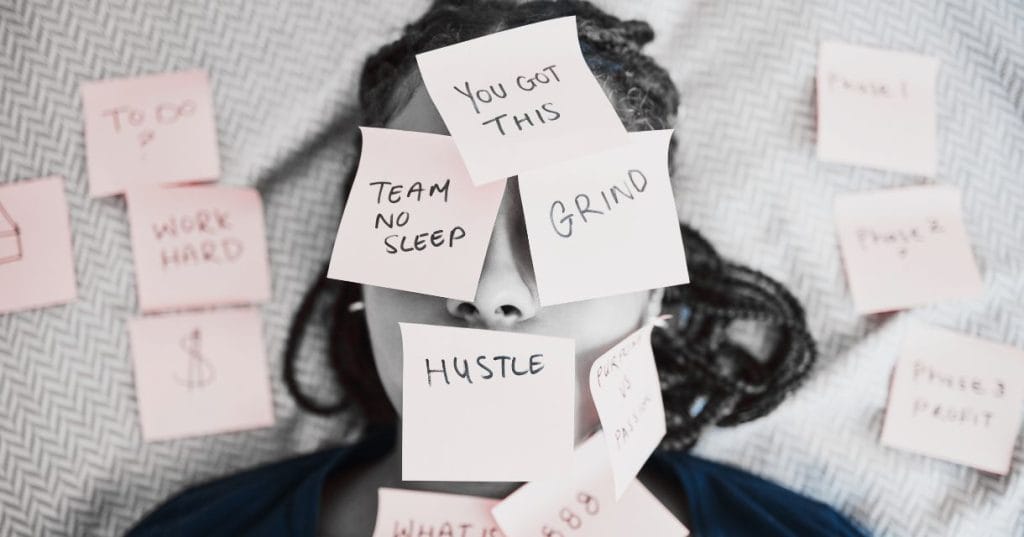
Has the first half of 2024 already felt like a relentless sprint? We’re not even halfway through the year, and it feels like news headlines and social media are constantly demanding our attention. The financial crisis weighs heavily on everyone’s mind, while major pop culture moments leave us equally overwhelmed. From Beyoncé’s surprise country album to the latest celebrity romance, all the way to the potential social media platform ban causing a frenzy, it’s no wonder we’re all feeling a little… well, overstimulated. Perhaps it’s time we all slow down a bit. But slowing down is incredibly difficult in our fast-paced culture. We glorify busyness, cramming our days with work, to-do lists, and social media that sucks us in for hours on end. “Just one more scroll” becomes three in the blink of an eye. Somehow, “productivity” seems to be measured by how full our schedules are. The busier we are, the better, right? Wrong. This constant pressure to be busy shouldn’t be the norm though. It bleeds into every aspect of our lives. With social media constantly buzzing, taking a break can make us feel like we’re missing something important. Our phones, the tools for connection, ironically blur the lines between work and personal life. Emails ping at all hours, notifications scream for attention. Before you know it, those quiet evenings you planned get replaced by late-night scrolling sessions. Don’t get us wrong, being productive and getting things done is necessary (and great!). But are we truly winning when we’re running on empty? Here are some signs it might be time to hit the brakes: If you’re nodding along to any (or all) of these, then maybe it’s time to slow things down. Because you deserve to feel more focused and present. When you slow down, you create the time and energy for the things that truly matter to you. Mental Matters is a resource and information platform. We do not provide medical advice, diagnosis, or treatment. While the information on our website is for general awareness and support, it should not replace professional advice. For any mental health concerns, please consult a qualified healthcare or mental health professional . Age-Related Macular Degeneration Treatment of Cirrhosis What I Reach for When Panic Hits Treatment and Recovery from Chronic Kidney Disease Feeling Stressed? 5-Minute Anxiety Relief Techniques You Can Do Anywhere

Hitting Your Limit? It Might Be Time for a Break Read More »
Orange Flags in a Relationship?

Love is wonderful, but sometimes, rose-coloured glasses can obscure potential problems. While red flags scream “run for the hills,” orange flags are those subtle warning signs that something is not quite right in your relationship. Thankfully, experts say, these issues can often be addressed and resolved with open communication and effort. Here are some orange flags to watch for, along with insights from relationship experts: 1. Jealousy with a Side of Control Healthy relationships involve trust and respect. When a partner becomes excessively jealous or possessive, it can be a sign of insecurity and a desire to control you. Susan Vaughan, a licensed psychotherapist, says, “While a certain level of jealousy is normal, constant suspicion or attempts to limit your contact with friends and family are red flags.” Imagine feeling like you can’t see your friends without your partner starting a fight, or constantly being accused of flirting. This can take a toll on your mental well-being. 2. Isolating You from Your Support System Does your partner constantly put down your friends and family, subtly discouraging you from spending time with them? This could be an attempt to isolate you and make you more dependent on them. Dr. Lillian Glass, communication expert and author of “Toxic People,” emphasizes the importance of maintaining healthy relationships outside of your romantic partnership. She states, “A partner who tries to control who you see or talk to is exhibiting a red flag. Healthy relationships encourage strong connections with loved ones.” 3. Secrets and Lies (the Not-So-Cute Kind) Honesty and transparency are important for building trust in any relationship. If your partner keeps secrets, especially about finances or major life decisions, it can create suspicion and distance. Lindi, an abuse survivor says, “In a past relationship, I dated someone who seemed to want to control everything. We never discussed finances openly, and if I ever tried to ask questions about our spending or budgeting, I’d be met with vague answers or, guilt trips. He’d make me feel like I was being intrusive or asking for information I wasn’t entitled to”. 4. The Silent Treatment and Backhanded Comments Passive-aggressive behavior can be incredibly frustrating because it’s like a slow drip, constantly chipping away at your sense of security in the relationship. You might feel confused, wondering what you did wrong, or even gaslighted because your partner refuses to directly address the issue. This constant guessing game can damage open communication and create a wedge between you. 5. Always Blaming You for Their Mood Swings We are all responsible for managing our emotions. If your partner constantly blames you for their feelings of anger, sadness, or insecurity, it can be emotionally draining. According to Verywell Mind, a partner who can’t manage their emotions healthily might need to work on self-awareness and emotional regulation. Taking Action If you notice any of these orange flags in your relationship, don’t ignore them. Talk to your partner openly and honestly about your concerns. Consider using “I” statements, such as “I feel hurt when you…” Focus on open communication and be willing to listen to their perspective as well. Remember, a happy (and healthy) relationship requires effort from both partners. By addressing these orange flags early on, you can create a stronger, more fulfilling connection. If you’re struggling to communicate effectively, seeking professional help from a couples therapist can be helpful. Mental Matters is a resource and information platform. We do not provide medical advice, diagnosis, or treatment. While the information on our website is for general awareness and support, it should not replace professional advice. For any mental health concerns, please consult a qualified healthcare or mental health professional. Openings Centre for Counselling & Psychotherapy Bath Dr WP de Beer – Specialist Surgeon Orange Grove Takealot’s Heritage Day Design Challenge is Back! Milpark Allergy Orange Grove Orange Roots Chiropractic Randburg

Orange Flags in a Relationship? Read More »

5 Signs You Might Be More Stressed Than You Think

Stress. It’s a part of life, right? We all juggle work, relationships, finances, and a never-ending to-do list. But sometimes, the quiet pressure builds until it’s impossible to ignore. The problem? We often miss the signs of stress until we’re on the verge of burnout. So, how do you know if you’re more stressed than you think? Here are 5 sneaky signs your body might be sending you: The Snooze Button Is Your Bestie. Hitting snooze once or twice isn’t a dealbreaker. But if you’ve become best friends with the button, consistently needing multiple snooze hits, or dragging yourself out of bed feeling exhausted despite a full night’s sleep, it’s a red flag. According to the American Psychological Association (APA), stress hormones like cortisol can disrupt sleep cycles, making it difficult to fall asleep and stay asleep Take action: Wind down before bed with a relaxing routine. Dim the lights, ditch screens for an hour, and unwind with a warm bath or calming tea. Reading or light breathing exercises can also help let your body know it’s time to chill. Unhealthy Cravings Rule the Day. Stress can throw your eating habits into a loop. Ever find yourself reaching for sugary treats, chips, or greasy takeout more often than usual? It’s not just you! Studies have shown a clear link between stress and our cravings for unhealthy foods [Epel et al., 2001]. These cravings might provide a temporary pick-me-up, but they won’t address the underlying stress and can lead to weight gain or digestive issues. Take action: Plan healthy meals and snacks in advance to avoid unhealthy temptations. Stock up on lots of fruits, vegetables, whole grains, and lean proteins. You’re Always (or Never) Hungry. Some people turn into bottomless pits when stressed, constantly reaching for snacks or feeling like they could devour a whole meal. Others experience the complete opposite, with the mere thought of food making them feel nauseated. Here’s what’s happening behind the scenes: Take action: If you notice changes in your appetite, track your eating habits for a few days. This can help you identify patterns and discuss any concerns with a doctor or registered dietician. Your Clothes Don’t Fit Quite Right. Stress can cause weight fluctuations in both directions. Some people experience stress-induced weight gain due to hormonal changes and emotional eating. Others lose weight due to changes in appetite or digestive issues. Take action: If your clothes are feeling a bit snugger or looser than usual, track your weight and eating habits. If you’re concerned about unexplained weight changes, consult a doctor to rule out any underlying medical conditions. Everyone Seems Difficult. Feeling like everyone around you is inconsiderate or unhelpful? Stress can make us irritable and impatient, which can lead to us misinterpreting a situation or people. You might snap easily at loved ones or colleagues, creating unnecessary tension. Take action: Practice mindfulness techniques like deep breathing or meditation to manage your stress response. When you feel yourself getting overwhelmed, take a step back and regroup before reacting. For Further Reading: Mental Matters is a resource and information platform. We do not provide medical advice, diagnosis, or treatment. While the information on our website is for general awareness and support, it should not replace professional advice. For any mental health concerns, please consult a qualified healthcare or mental health professional . Physio in Action Physiotherapist Birmingham Physio Action @ David Lloyd Leeds Back in Action Physiotherapy Cape Town Back in Action (Rehabilitation) Ltd Wakefield Psychology in Action Birmingham

5 Signs You Might Be More Stressed Than You Think Read More »

Feeling Stressed? 5-Minute Anxiety Relief Techniques You Can Do Anywhere

Anxiety can strike at any time, leaving you feeling overwhelmed and out of control. But what if you could find relief in just 5 minutes, no matter where you are? The good news is, you can! Here are 3 powerful anxiety relief techniques you can easily incorporate into your daily routine: 1. Deep Breathing: Your Built-in Calming Switch Have you ever noticed your breath quicken when you’re feeling anxious? That’s your body’s natural fight-or-flight response kicking in. Deep breathing can be your secret weapon to counter that. Here’s why: How to Do It: 2. Progressive Muscle Relaxation: Melt Away Tension Anxiety often manifests as physical tension in your body. Progressive muscle relaxation helps combat this by bringing your awareness to specific muscle groups and releasing built-up tension. Mind-Body Connection: This technique works by creating a mind-body connection. As you focus on tensing and relaxing different muscle groups, your mind becomes distracted from anxious thoughts, and the physical release of tension promotes a sense of calm. How to Do It: 3. Mindfulness Meditation: Train Your Focus Our minds are naturally prone to wandering, often fixating on worries and anxieties. Mindfulness meditation helps train your brain to focus on the present moment, detaching from anxious thoughts and worries. Breaking Free from the Cycle: By focusing on your breath and gently redirecting your attention back to the present moment when your mind wanders, you learn to observe your thoughts and emotions without getting caught up in them. This disrupts the cycle of anxious rumination. How to Do It: Bonus Tip: Engage Your Senses! Feeling overwhelmed? Sometimes, simply engaging your five senses can help ground you in the present moment. Take a moment to name 5 things you can see, 4 things you can touch, 3 things you can smell, 2 things you can hear, and 1 thing you can taste. Remember: Consistency is key! Regularly practicing these techniques, even when you’re not feeling anxious, strengthens their effectiveness so you’re prepared to help ease anxiety when it pops up. Do you have any favourite techniques for managing anxiety? Share them with us. Mental Matters is a resource and information platform. We do not provide medical advice, diagnosis, or treatment. While the information on our website is for general awareness and support, it should not replace professional advice. For any mental health concerns, please consult a qualified healthcare or mental health professional. Hitting Your Limit? It Might Be Time for a Break Mindful Breathing, What’s That? Which Attachment Style Are You? Feeling Lonely? Healthy Ways to Cope with Loneliness Feeling Lonely? Healthy Ways to Cope with Loneliness

Feeling Stressed? 5-Minute Anxiety Relief Techniques You Can Do Anywhere Read More »

Scroll to Top