
Diagnosis of Angioedema
Diagnosing angioedema begins with a thorough medical history and physical examination. Identifying the type and cause of swelling is key to choosing the right treatment. Read more about the diagnosis of angioedema below.
Step 1: Medical History
Your doctor may ask:
- When did the swelling start?
- Doctors ask about your exposure to foods, medications, or other triggers before the swelling.
- Have you had similar episodes in the past?
- Is there any family history of swelling?
- Do you take blood pressure medication (especially ACE inhibitors)?
Step 2: Physical Examination
The doctor will assess:
- Doctors check which areas are swollen
- Doctors check if the swelling affects breathing or swallowing
- Presence or absence of hives
- Blood pressure and oxygen levels
Step 3: Laboratory Tests (when needed) for the Diagnosis of Angioedema
- C1-inhibitor levels and function – to test for hereditary angioedema (HAE)
- Complement levels (C4, C1q) – to differentiate types of angioedema
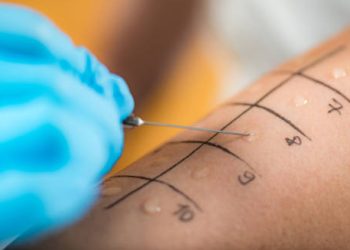
- Allergy tests – Doctors may perform skin prick or blood (IgE) tests if they suspect an allergic cause
- Complete blood count (CBC) and liver/kidney tests – for systemic causes
Imaging
- In cases of abdominal angioedema, doctors may use ultrasound or CT scans to detect intestinal swelling.
In South Africa, GPs, allergists, or internal medicine specialists typically make the diagnosis. Genetic testing for HAE is available in specialised centres.
Prompt diagnosis helps prevent life-threatening airway swelling and guides appropriate treatment.
👉 [Next: Treatment for Angioedema]
Diagnosis and Evaluation of Breast Cancer in Women