
That feeling of anxiousness – that tightness in your chest or those butterflies in your stomach – is something we all experience sometimes. It’s normal, like a built-in warning system from our bodies. But for some people, anxiety can become constant, making daily life difficult.
If this sounds familiar, take a deep breath (we’ll talk about breathing techniques later!). Here are some practical tips and techniques that many have said helps them manage their anxiety.
1. Understand Your Anxiety
- Spot your triggers: Keep a journal and jot down when you feel anxious. Notice patterns and triggers, so you can start to understand what sets off your anxiety.
- Learn about it: Knowledge is power. Read up on anxiety and its symptoms so you know what you’re dealing with.
2. Develop Healthy Habits
- Move your body: Exercise can work wonders. Even a brisk walk can help. Aim for at least 30 minutes of activity most days.
- Eat well: A balanced diet can impact your mood. Try to avoid too much caffeine and sugar, which can make anxiety worse.
- Get your sleep: Good sleep is crucial. Create a relaxing bedtime routine to help you wind down.
3. Practice Mindfulness and Relaxation
- Mindfulness meditation: Mindfulness helps you stay present. There are tons of apps and online resources to guide you.
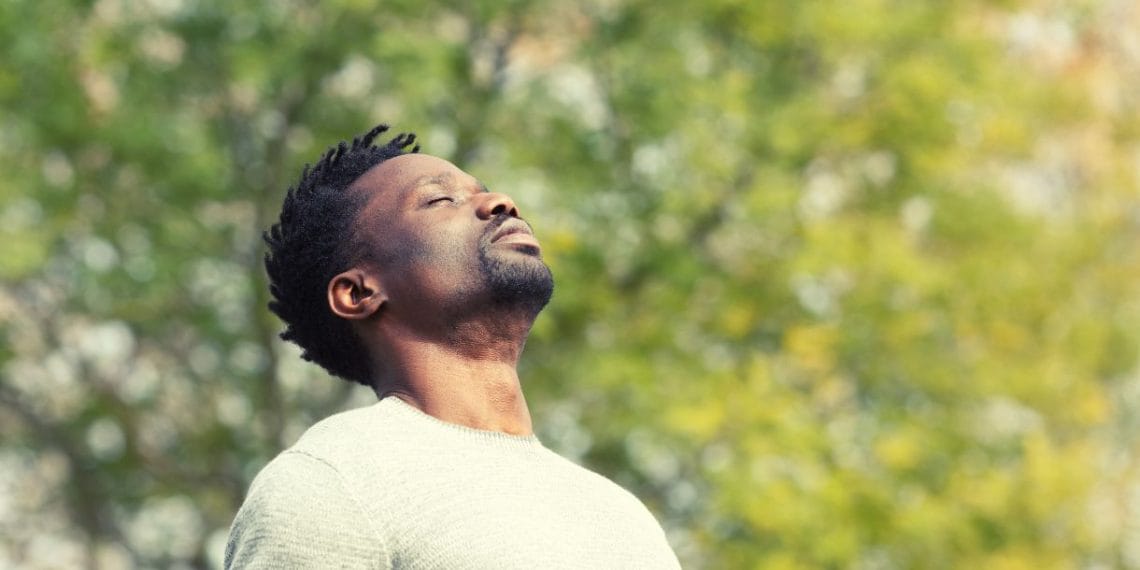
- Deep breathing: Practice taking slow, deep breaths. It’s amazing how calming this can be.
- Progressive muscle relaxation: This involves tensing and then relaxing different muscle groups. It can really help reduce physical tension.
4. Change Your Thinking
- Challenge negative thoughts: When you catch yourself thinking negatively, ask if it’s really true. Try to replace those thoughts with more balanced ones.
- Cognitive behavioural therapy (CBT): Consider seeing a therapist who specializes in CBT. It’s a great way to change negative thought patterns.
5. Manage Your Time
- Prioritise tasks: Break tasks into smaller, manageable steps and prioritise them. This can prevent feeling overwhelmed.
- Set realistic goals: Set achievable goals and avoid taking on too much at once. Celebrate your accomplishments, no matter how small.
6. Build Your Support Network
- Talk about it: Share your feelings with friends, family, or a therapist. Just talking about your anxiety can help.
- Join support groups: Connecting with others who understand what you’re going through can provide comfort and practical advice.
7. Lifestyle Tweaks
- Limit alcohol and avoid drugs: These can increase anxiety levels. Stick to moderate drinking guidelines and avoid recreational drugs.
- Cut back on caffeine: Caffeine can make anxiety worse. Try reducing your coffee, tea, and other caffeinated drinks.
- Engage in hobbies: Spend time doing activities you enjoy. Hobbies can distract you from anxiety and improve your mood.
8. Professional Help
- Therapy: Cognitive-behavioural therapy (CBT), exposure therapy, and other therapeutic approaches can be very effective.
- Medication: In some cases, medication may be necessary. Consult a healthcare professional to discuss the best options for you.
9. Be Kind to Yourself
- Practice self-compassion: Recognise that managing anxiety is a process and it’s okay to have setbacks. Treat yourself with the same compassion you would offer a friend.
10. Create a Calm Environment
- Declutter: A tidy, organised space can reduce stress and create a sense of calm.
- Comfort zone: Have a designated space where you can relax and unwind. Fill it with things that bring you peace, like books, music, or aromatherapy.
11. Stay Present
- Grounding techniques: Use grounding exercises to bring yourself back to the present moment. This can involve focusing on physical sensations, like the feel of your feet on the ground, or describing your surroundings in detail.
Managing anxiety isn’t about making it disappear completely; it’s about finding ways to reduce its impact and improve your overall well-being. Try these tips and see what works best for you.
Remember, it’s okay to seek support from professionals if you need it. You’re not alone in this, and there are many paths to feeling better.
Mental Matters is a resource and information platform. We do not provide medical advice, diagnosis, or treatment. While the information on our website is for general awareness and support, it should not replace professional advice. For any mental health concerns, please consult a qualified healthcare or mental health professional.
Take Control Hypnotherapy Cardiff
Treatment and Lifestyle Strategies of Adult ADHD
Empowering Wellbeing Counselor Liverpool