
Symptoms of Bronchiolitis
Symptoms of bronchiolitis often start like a common cold and worsen over a few days as the virus moves deeper into the lungs. The most common symptoms of bronchiolitis include a runny nose, dry cough, wheezing, rapid breathing, and difficulty feeding in babies. Symptoms usually peak around day three to five of illness.
Early symptoms are similar to a mild upper respiratory infection: a blocked or runny nose, slight fever, and irritability. As the infection progresses, the bronchioles become inflamed and filled with mucus, which leads to lower respiratory symptoms.
Wheezing is a key sign — it’s a high-pitched whistling sound when the child breathes out. Along with this, breathing becomes more laboured. You may notice flaring nostrils, chest wall retractions (when the skin between the ribs pulls in during breathing), and faster-than-normal breathing.
Babies with bronchiolitis often have trouble feeding due to breathlessness. They may take smaller feeds or refuse feeding entirely. Dehydration becomes a risk if fluid intake drops too much.
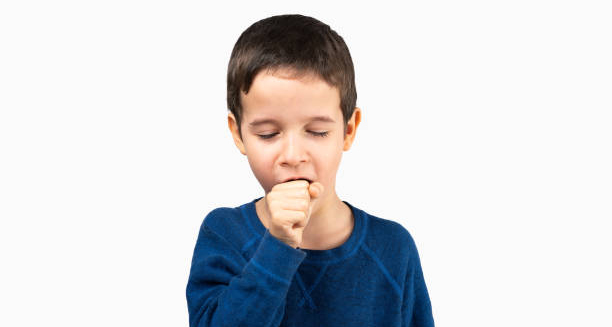
A persistent, dry cough usually develops and may worsen at night. In some cases, the child may vomit after coughing spells.
Symptoms of bronchiolitis
Fever is typically mild or absent, but some children may have a temperature of up to 38°C. Unlike bacterial infections, bronchiolitis rarely causes high fever.
In severe cases, symptoms may include blue-tinged lips or fingernails (cyanosis), long pauses in breathing (apnoea), and extreme fatigue. These require urgent medical attention.
For most children, the illness lasts 7 to 10 days. However, the cough may continue for up to 2–3 weeks after other symptoms resolve.
Recognising symptoms of bronchiolitis early allows parents to monitor the condition and seek help if breathing becomes difficult. Mild cases can be managed at home, but any signs of breathing distress or poor feeding should prompt a visit to the doctor.
[Next: Diagnosis of Bronchiolitis →]