Mental Matters

Mental Health

Woman speaking with a mental health professional during a therapy session

Diagnosis of Health Anxiety

Diagnosis of Health Anxiety Accurate diagnosis of health anxiety is essential to distinguish it from other medical and psychiatric conditions and to ensure that affected individuals receive appropriate treatment. The diagnosis of health anxiety is primarily clinical. Based on a detailed assessment of symptoms, behaviours, and psychological patterns rather than laboratory tests or physical exams. Clinicians begin with a comprehensive history that includes the patient’s health concerns, past medical history, family health history. As well as previous healthcare experiences. Key diagnostic criteria include a persistent preoccupation with having or developing a serious illness,. Excessive health-related behaviours (such as checking, reassurance-seeking, or avoidance), and clinically significant distress or impairment that persists for at least six months—even in the absence of a medical explanation. Patients may present with vague or shifting physical symptoms that don’t align with identifiable diseases. They often report visiting multiple doctors or undergoing numerous tests, all of which return negative results, yet they remain unconvinced. Reassurance from healthcare providers tends to offer only brief relief before worry resurfaces. Diagnosis of Health Anxiety The clinician will also evaluate whether the symptoms are better explained by another condition, such as generalised anxiety disorder, panic disorder, somatic symptom disorder, or obsessive-compulsive disorder. In health anxiety, the focus is specifically on the fear of illness and not simply distress about existing symptoms or pain. Structured diagnostic interviews and psychological assessments, such as the Health Anxiety Inventory (HAI) or Whiteley Index, can help gauge severity and guide treatment planning. These tools assess beliefs about illness, level of reassurance-seeking, impact on daily life, and emotional responses to perceived health threats. Importantly, the diagnosis must take into account cultural and individual differences. In some cultures, health-related anxiety may be expressed more somatically, while in others, it may be seen through repetitive health-seeking behaviours. Empathy, cultural sensitivity, and building trust with the patient are crucial during the evaluation. Diagnosis of Health Anxiety Early and accurate diagnosis can prevent the overuse of medical services and reduce psychological distress. It also shifts the focus from repeated medical testing to evidence-based psychological treatment. When health anxiety is identified and managed appropriately, individuals can learn to reduce excessive worry, rebuild trust in their bodies, and re-engage in meaningful life activities.[Next: Symptoms of Health Anxiety →]


Diagnosis of Health Anxiety Read More »

Anxious young woman sitting on a couch, looking worried and lost in thought

Symptoms of Health Anxiety

Symptoms of Health Anxiety The symptoms of health anxiety are wide-ranging and affect not only how individuals think and feel about their health. However, also about how they behave and interact with others. Understanding the symptoms of health anxiety is key to recognising the condition early and guiding people toward appropriate support and treatment. These symptoms often fall into three categories: cognitive (thoughts), behavioural (actions), and physical (bodily sensations). One of the most dominant cognitive symptoms is persistent worry or fear about having or developing a serious illness. This concern often persists even in the face of medical reassurance, normal test results, or the absence of any concrete evidence of disease. Individuals with health anxiety may become convinced that doctors have missed something, or that their condition is so rare or advanced it has gone undetected. Thoughts may focus obsessively on specific illnesses—commonly cancer, neurological disorders, or cardiac conditions. These thoughts typically lead to a heightened awareness of bodily sensations. People with health anxiety may constantly scan their bodies for symptoms, such as changes in heart rate, tingling, fatigue, or gastrointestinal issues. Even normal bodily sensations—like a muscle twitch or a minor headache—may be interpreted as dangerous, causing distress that far exceeds the actual physical symptom. This internal focus reinforces the belief that something is wrong. Symptoms of Health Anxiety Behaviourally, health anxiety leads to both excessive health-seeking and avoidant behaviours. Some individuals frequently visit doctors or hospitals, undergo numerous medical tests, or ask friends and family for repeated reassurance. Others may compulsively research symptoms online, which often increases anxiety—a pattern sometimes referred to as “cyberchondria.” At the same time, some people avoid medical appointments entirely out of fear of receiving bad news, or they may avoid conversations, media stories, or even places associated with illness (like hospitals or pharmacies). Physical symptoms of health anxiety often overlap with those of other anxiety disorders. These can include chest tightness, rapid heartbeat, sweating, shortness of breath, dizziness, nausea, or muscle tension. These symptoms are often misattributed to the feared illness, which further deepens the anxiety. In some cases, the anxiety itself can cause the very physical sensations that are feared, creating a distressing feedback loop. Social and occupational functioning may also be affected. Individuals might find it difficult to concentrate at work, withdraw from social activities, or struggle to maintain close relationships due to the preoccupation with their health. The constant worry can lead to irritability, sleep disturbances, fatigue, and even depressive symptoms. Over time, health anxiety can become all-consuming, limiting a person’s ability to live a balanced and fulfilling life. Symptoms of Health Anxiety In summary, the symptoms of health anxiety span mental, emotional, behavioural, and physical domains. They often form a self-reinforcing cycle, where worry leads to hypervigilance, which in turn leads to misinterpretation of symptoms, further fuelling the anxiety. Identifying these symptoms is the first step toward intervention, helping individuals regain perspective, reduce fear, and return to healthier ways of thinking and living. [Next: Treatment of Health Anxiety →]

Symptoms of Health Anxiety Read More »

Group therapy session with people smiling and engaging in open discussion

Treatment of Health Anxiety

Treatment of Health Anxiety Effective treatment of health anxiety involves a comprehensive, evidence-based approach that targets the thoughts, behaviours, and emotional patterns fuelling the condition. The primary goals of the treatment of health anxiety are to reduce excessive worry, improve functioning, and break the cycle of anxiety and reassurance-seeking. With the right strategies, individuals can regain confidence in their health and develop a more balanced relationship with their bodies. The cornerstone of treatment is cognitive behavioural therapy (CBT), which has been shown to be highly effective. CBT helps individuals identify and challenge unhelpful beliefs about health and illness, examine the accuracy of their interpretations, and gradually reduce avoidance or checking behaviours. Through structured exercises, patients learn to tolerate uncertainty, reduce body-focused attention, and adopt more rational health beliefs. Exposure therapy, a component of CBT, involves gradually confronting feared situations—such as reading about illnesses or attending medical appointments—without engaging in safety behaviours like seeking reassurance or Googling symptoms. Over time, repeated exposure without negative outcomes reduces the associated anxiety. Treatment of Health Anxiety Behavioural experiments are another key technique. These involve testing out fears in a controlled, safe way. For example, someone who fears a skipped heartbeat might engage in physical activity to deliberately increase their heart rate and learn that it’s not dangerous. Such experiences challenge assumptions and reduce avoidance. Mindfulness-based interventions can complement CBT by helping individuals observe bodily sensations and thoughts without judgment or reaction. Mindfulness helps break the automatic link between a physical symptom and catastrophic thinking, promoting acceptance and relaxation instead of panic. Medication may also play a role in treatment, especially when health anxiety co-occurs with depression or generalised anxiety disorder. Selective serotonin reuptake inhibitors (SSRIs), such as sertraline or fluoxetine, are commonly prescribed and can help regulate obsessive thinking and overall anxiety levels. Medication is often used in conjunction with therapy, rather than as a standalone solution. Treatment of Health Anxiety Psychoeducation is a vital early step in treatment. Learning about the nature of anxiety, how the brain processes fear, and how health anxiety develops helps individuals gain perspective. Understanding that the distress is real—even in the absence of illness—validates their experience and provides a framework for recovery. Lifestyle changes can also support recovery. Regular physical activity, a consistent sleep schedule, and reducing caffeine and alcohol intake all help regulate the nervous system. Limiting internet searches for symptoms and setting boundaries around health-related conversations can reduce triggers and compulsions. Support groups and peer-led programmes offer additional encouragement. Connecting with others facing similar struggles helps normalise the experience and provides strategies that have worked for others. These groups are especially useful for individuals who feel isolated or ashamed of their symptoms. Family involvement may be important in treatment. Loved ones who unintentionally reinforce the anxiety by offering constant reassurance or supporting avoidance can learn more adaptive ways to respond. Family-based interventions can create a supportive, consistent environment for recovery. Treatment of Health Anxiety In summary, the treatment of health anxiety is highly effective when it includes a structured psychological approach, supported by medication, education, and lifestyle changes where appropriate. Early intervention and continued support lead to meaningful improvements in wellbeing, giving individuals the tools to manage uncertainty and reclaim their lives. [Next: Complications of Health Anxiety →]

Treatment of Health Anxiety Read More »

Concerned elderly woman clutching her chest while sitting on a couch

Complications of Health Anxiety

Complications of Health Anxiety The complications of health anxiety can be far-reaching, affecting not only the emotional wellbeing of the individual but also their physical health, social relationships, and use of healthcare resources. Understanding the complications of health anxiety is vital for early intervention and to prevent long-term impairment in functioning and quality of life. One of the most immediate complications is the disruption of daily life. People with health anxiety often spend significant amounts of time worrying about symptoms, researching illnesses online, or attending medical appointments. This can reduce productivity, limit social engagement, and create strain within personal relationships. The constant preoccupation with health concerns may cause individuals to withdraw from hobbies, work obligations, or family responsibilities. Another significant complication is the overuse of healthcare services. Individuals with health anxiety may seek frequent reassurance through repeated visits to general practitioners, specialists, and emergency departments. While they may undergo numerous tests and procedures, these rarely provide lasting comfort and can even increase anxiety by fuelling the belief that something must be wrong. This pattern puts a financial and logistical burden on the healthcare system and can result in unnecessary investigations, exposing patients to avoidable medical risks. Complications of Health Anxiety Conversely, some people with health anxiety avoid healthcare altogether due to fear of receiving bad news or undergoing medical procedures. This avoidance can lead to delayed diagnosis and treatment of genuine health issues. In such cases, the individual is caught in a paradox—simultaneously fearing illness and avoiding the very systems designed to manage health effectively. Psychological complications are also common. Chronic anxiety about health can lead to depressive symptoms, such as persistent sadness, hopelessness, and fatigue. The sense of being trapped in a cycle of fear and reassurance-seeking can create feelings of helplessness or despair. Suicidal ideation may occur in severe cases, particularly when individuals feel overwhelmed by their symptoms or unsupported by their social or medical network. Physical health can be indirectly affected as well. Prolonged stress and anxiety contribute to physiological strain, including elevated cortisol levels, increased blood pressure, and disruptions in sleep and digestion. This creates a feedback loop where anxiety about imagined illness leads to real physical symptoms, reinforcing the belief that something serious is occurring. Complications of Health Anxiety The social stigma associated with health anxiety can also worsen the condition. Friends, family, and even healthcare providers may misunderstand or minimise the individual’s concerns, labelling them as dramatic or irrational. This can lead to isolation, shame, and reluctance to seek help. As a result, individuals may suffer in silence, allowing the anxiety to deepen over time. In children and adolescents, complications can include school refusal, academic underperformance, and difficulty forming peer relationships. Young people with health anxiety may fixate on bodily symptoms, frequently visit the school nurse, or require excessive parental reassurance. Without early support, these patterns can carry into adulthood. In conclusion, the complications of health anxiety span multiple domains—emotional, social, physical, and systemic. They create a cycle of distress that reinforces the disorder and increases the overall burden on the individual and their support systems. By recognising these complications early and offering targeted treatment, health professionals can help patients restore balance, reduce suffering, and regain a sense of control over their lives. [Next: Prevention of Health Anxiety →]

Complications of Health Anxiety Read More »

Child receiving support from a mental health professional to prevent anxiety

Prevention of Health Anxiety

Prevention of Health Anxiety The prevention of health anxiety involves a combination of early education, lifestyle practices, emotional resilience, and supportive healthcare interactions. Although not all cases can be avoided—especially when there is a predisposition to anxiety or a personal history of illness—proactive steps can reduce vulnerability and prevent the condition from escalating. Emphasising prevention of health anxiety helps reduce its impact on mental health, relationships, and the healthcare system. One of the most effective preventive measures is promoting emotional literacy and psychological awareness from a young age. Teaching children how to express their emotions, recognise stress, and develop healthy coping skills creates a foundation for long-term resilience. Children who understand that not all bodily sensations are signs of danger are less likely to catastrophise physical symptoms later in life. Health education that encourages balance is equally important. Informed individuals should be able to differentiate between rational health awareness and excessive worry. Campaigns, school curricula, and media messages that promote critical thinking—especially about online health information—can help curb cyberchondria. Encouraging responsible use of the internet for health queries, such as sticking to reputable sources and avoiding repeated symptom-checking, is an essential preventive step. Prevention of Health Anxiety Stress management techniques are central to prevention. Practising mindfulness, meditation, yoga, or other relaxation techniques regularly helps build mental calmness and reduce overreactions to minor physical sensations. Developing routines around sleep, exercise, and nutrition also contributes to emotional stability and physiological balance, reducing the chances of misinterpreting normal bodily functions. Supporting general mental health plays a preventative role. Individuals with histories of trauma, anxiety, or obsessive-compulsive behaviours may be at greater risk of developing health anxiety. Early intervention through therapy or counselling—especially when signs of distress, checking, or avoidance begin—can prevent these tendencies from evolving into a chronic anxiety disorder. Open, validating relationships with healthcare providers are essential. When patients feel listened to and respected—even in the absence of a medical diagnosis—they are less likely to feel dismissed or misunderstood. This builds trust and reduces the compulsion to seek multiple opinions or undergo repeated testing. GPs and clinicians trained to recognise early signs of health anxiety can refer patients for appropriate psychological support before the cycle of worry becomes entrenched. Health Anxiety Prevention Avoidance behaviours should also be addressed early. When individuals begin avoiding doctors, hospitals, or even conversations about illness due to fear, it can indicate developing health anxiety. Supportive exposure to these scenarios with the help of a mental health professional can help build tolerance and reduce avoidance. Workplace environments can also support prevention. Employers that encourage mental wellbeing, provide access to wellness programmes, and create a culture of openness around anxiety and stress help reduce the risk of health anxiety. Simple measures such as allowing breaks, offering mental health resources, and promoting a work-life balance can make a significant difference. Health Anxiety Prevention Families and caregivers can play a preventive role by modelling healthy behaviours. Avoiding excessive worry about illness, discussing health rationally, and refraining from constantly checking on others’ symptoms prevents the formation of anxiety-based habits in children or impressionable family members. Educating loved ones about boundaries and constructive support can reduce unintentional reinforcement of worry. Finally, promoting media literacy is essential in the digital age. Helping people understand how health news is presented—often with a focus on rare or extreme cases—can reduce fear-based interpretation. Encouraging time away from screens and limiting health-related searches are small steps with major preventative benefits. Prevention of Health Anxiety In conclusion, the prevention of health anxiety involves education, emotional resilience, early intervention, and trusted healthcare relationships. By supporting healthy patterns of thinking and reinforcing realistic approaches to health concerns, we can reduce the risk of health anxiety taking hold and protect long-term wellbeing. [Next: Outlook for Health Anxiety →]

Prevention of Health Anxiety Read More »

Smiling woman in therapy session showing positive outlook for health anxiety recovery

Outlook for Health Anxiety

Outlook for Health Anxiety The long-term outlook for health anxiety is generally positive when the condition is recognised early and treated with a combination of evidence-based therapies and supportive lifestyle changes. With appropriate intervention, many individuals experience a significant reduction in symptoms and an improved ability to manage health-related fears. However, without treatment, health anxiety can become chronic and significantly impair quality of life. Individuals who engage in cognitive behavioural therapy (CBT) or similar structured therapies often experience measurable improvements in their thinking patterns, behaviour, and daily functioning. CBT equips patients with tools to challenge catastrophic thoughts, reduce compulsive checking or reassurance-seeking, and learn how to tolerate uncertainty regarding health. The skills gained through therapy are durable and can be applied to other areas of life, making recovery more sustainable. Medication, particularly selective serotonin reuptake inhibitors (SSRIs), can also contribute to a favourable outlook, especially when combined with psychological therapy. These medications help regulate the neurochemical imbalances associated with anxiety, providing a foundation for behavioural change. While medication alone may not address the cognitive and behavioural patterns at the root of health anxiety, it can significantly reduce the emotional intensity that drives these patterns. Outlook for Health Anxiety For many, developing insight into their condition is a major turning point. Once individuals understand how their thoughts, behaviours, and physical sensations interact to maintain anxiety, they can begin to reclaim a sense of control. This self-awareness leads to increased confidence, resilience, and the ability to make more rational health decisions. Relapse is possible, particularly during times of stress, illness, or major life transitions. However, those who have undergone treatment are typically better equipped to recognise early warning signs and take proactive steps to prevent a full return of symptoms. Booster therapy sessions, ongoing support groups, or occasional check-ins with a therapist can help maintain gains. Support from family, friends, and healthcare providers also enhances long-term outcomes. When the people around an individual with health anxiety understand the condition and offer constructive, non-reassuring support, it creates an environment conducive to recovery. Outlook for Health Anxiety Preventive measures—including media literacy, stress management, and healthy lifestyle habits—further strengthen long-term resilience. The outlook is especially good when these strategies are introduced early, before patterns of health anxiety become deeply ingrained. In cases where health anxiety coexists with other conditions such as obsessive-compulsive disorder. Generalised anxiety disorder, or depression, treatment may take longer or require a more comprehensive approach. Still, with persistence and the right support, significant improvement is possible. In summary, the outlook for health anxiety is optimistic with appropriate treatment, ongoing support, and consistent self-management. Many people are able to lead full, productive lives. Free from the overwhelming fear of illness that once dominated their thoughts and behaviours. [Next: Back to Overview →]

Outlook for Health Anxiety Read More »

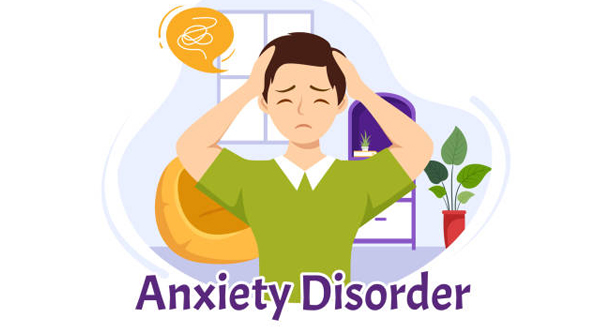
Illustration of a man with hands on head showing signs of generalised anxiety disorder

Generalised Anxiety Disorder

Generalised Anxiety Disorder Generalised anxiety disorder is a long-term mental health condition characterised by persistent, excessive, and often uncontrollable worry about various aspects of daily life. People with generalised anxiety disorder find themselves frequently overwhelmed by anxious thoughts, even in the absence of specific triggers. Unlike occasional worry that comes and goes with stressful situations, this condition creates a constant sense of dread, tension, and fear that interferes with work, relationships, and general wellbeing. Everyone experiences anxiety from time to time — it’s a normal human response to uncertainty or potential threat. However, when this anxiety becomes chronic and disproportionate. Affecting someone on most days for at least six months, it may be diagnosed as generalised anxiety disorder (GAD). This condition is one of the most common anxiety disorders globally and affects millions of people, including both adults and children. It often coexists with other mental health conditions, such as depression or panic disorder, making diagnosis and treatment more complex. People with GAD often describe their anxiety as free-floating. Rather than focusing on a single issue, they worry about a wide range of topics, including finances, family, work, health, relationships, and even global events. They may wake up feeling tense or find it difficult to relax throughout the day, even when everything around them appears calm. Living With Uncertainty A key feature of generalised anxiety disorder is intolerance of uncertainty. Many individuals struggle with “what if” scenarios, continually imagining worst-case outcomes for even minor issues. This need for reassurance and predictability can lead to avoidance behaviours, repetitive checking, and over-preparation — all in an effort to manage or eliminate perceived threats. Unfortunately, these behaviours tend to reinforce the anxiety rather than relieve it. How It Feels The emotional toll of generalised anxiety disorder can be profound. People often report feeling constantly “on edge,” as if something bad is about to happen. This state of heightened alertness makes it difficult to concentrate, engage socially, or sleep well. Over time, chronic anxiety can lead to fatigue, irritability, and physical symptoms such as muscle tension, gastrointestinal problems, and headaches. Family and friends may not always understand what someone with GAD is going through. Because the anxiety is often internalised and not based on obvious dangers, it can be mistaken for being overly sensitive, dramatic, or even irrational. This can cause individuals with GAD to withdraw or feel isolated, further compounding their distress. Prevalence and Impact Generalised anxiety disorder is one of the most prevalent mental health conditions in the world. In the UK alone, it is estimated that over 6% of people will experience GAD at some point in their lives, with women being more likely than men to be affected. It often begins in adolescence or early adulthood, but it can develop at any age. Without treatment, the condition may persist for years, fluctuating in intensity and occasionally being misdiagnosed as physical illness due to the wide range of symptoms. Generalised Anxiety Disorder While the exact cause of GAD is unknown, research suggests a combination of genetic, biological, environmental, and psychological factors. Understanding these causes is key to identifying those at risk and developing effective treatment strategies. [Next: Causes of Generalised Anxiety Disorder →]

Generalised Anxiety Disorder Read More »

Gender identity symbols surrounding a silhouette with a red question mark inside

Gender Dysphoria

Gender Dysphoria This condition,gender dysphoria is a condition in which a person experiences significant distress. As well as discomfort because their gender identity does not align with the sex they were assigned at birth. This condition can affect people of any age. However, it often becomes more apparent during adolescence or early adulthood, when gender roles and expectations become more socially defined. This experience goes beyond simply wanting to dress or act in a way associated with another gender. It involves deep, persistent feelings that one’s internal sense of gender does not match their physical body or societal expectations. The distress caused by this mismatch can lead to anxiety, depression, social withdrawal, and difficulty functioning in daily life. Gender Dysphoria This dysphoria is not a mental illness. However, the psychological distress it causes can impact mental health significantly. Recognition and support from healthcare providers. Family, and community play a critical role in improving outcomes for individuals with this condition. Healthcare providers personalise treatment based on the person’s needs and goals, which may include psychological support, social transition, hormonal therapy, or surgical options [Next: Causes of Gender Dysphoria →]

Gender Dysphoria Read More »

Person experiencing gender dysphoria looking into a mirror

Symptoms of Gender Dysphoria

Symptoms of Gender Dysphoria The symptoms of gender dysphoria vary widely between individuals but generally involve intense discomfort related to one’s physical characteristics or societal gender roles. Gender dysphoria symptoms can be psychological, emotional, or physical and are more than just occasional doubts or dissatisfaction with gender norms. Emotional and Psychological Symptoms Persistent distress over the mismatch between one’s gender identity and assigned sex Anxiety, depression, or low mood related to body image or gender expectations Social withdrawal or difficulty forming relationships due to discomfort or fear of rejection Obsessive thoughts about transitioning or how one is perceived by others Feelings of isolation or “being trapped in the wrong body” These symptoms may fluctuate but are often chronic and cause significant distress or impairment. Physical Discomfort and Body Incongruence Strong aversion to secondary sex characteristics, such as facial hair, breasts, or genitalia Avoidance of mirrors, tight clothing, or situations where the body is exposed (like swimming) Attempts to alter appearance to reflect gender identity, including: Binding the chest Tucking Using clothing, hairstyles, or makeup to align with one’s experienced gender This discomfort may increase during puberty or in settings where gendered expectations are heightened. Social and Functional Impact Difficulty in work, school, or social settings due to misgendering or dysphoria Repeated desire to be recognised as a different gender Frequent comparisons with people of the experienced gender Changes in eating habits or body image to “correct” perceived mismatches For children, symptoms may include: Preference for toys, games, and clothing typically associated with another gender Insistence on being addressed with a different name or pronouns Distress when expected to conform to their assigned gender role When to Seek Support If the discomfort is persistent and distressing, professional help should be sought Early support and validation can reduce the risk of mental health issues Gender-affirming therapy and support networks often lead to improved self-esteem and functioning Symptoms of Gender Dysphoria Recognising the symptoms of gender dysphoria is the first step in creating a supportive environment where individuals can explore and express their identity safely. [Next: Diagnosis of Gender Dysphoria→]

Symptoms of Gender Dysphoria Read More »

Complications of Gender Dysphoria

Complications of Gender Dysphoria

Complications of Gender Dysphoria The complications of gender dysphoria are largely driven by social stigma, lack of access to care, and prolonged distress. Gender dysphoria itself is not dangerous—but when left unrecognised or unsupported, it can lead to serious mental health and quality-of-life issues. Mental Health Risks People with untreated or unsupported gender dysphoria are at increased risk of: Depression and anxiety Social isolation or withdrawal Self-harm and suicidal thoughts Substance misuse as a coping mechanism Eating disorders, particularly among adolescents These complications are not inherent to being transgender or gender-diverse—they are linked to rejection, discrimination, and internalised stigma. Delayed Access to Care Long waiting lists, medical gatekeeping, or lack of provider training can delay treatment Individuals may resort to unsafe alternatives, such as unregulated hormones or body modification This increases the risk of medical complications, including cardiovascular or liver issues from unsupervised hormone use Discrimination and Violence Trans and gender-diverse individuals face higher rates of: Bullying and harassment in schools or workplaces Housing or employment discrimination Hate crimes and physical violence, particularly against trans women and people of colour These experiences can compound emotional distress and reduce access to safe environments. Impact on Relationships and Education Gender dysphoria may disrupt family dynamics, especially where there is lack of understanding School or workplace attendance may suffer due to discomfort, misgendering, or fear of rejection Youth may face barriers to completing education or maintaining social connections Physical Health Issues Chronic stress linked to gender dysphoria may affect: Sleep and immune function Appetite and weight Management of chronic conditions like diabetes or high blood pressure Access to gender-affirming healthcare improves both physical and emotional health. Protective Factors Supportive families and communities Access to gender-affirming care Legal recognition and workplace inclusivity Education and advocacy that reduce stigma Complications of Gender Dysphoria Preventing the complications of gender dysphoria involves fostering respect, improving access to affirming services, and promoting acceptance in both healthcare and society. [Next: Back to Overview →]

Complications of Gender Dysphoria Read More »

Scroll to Top