Mental Matters

Mental Health

I’m Not Afraid of Being Alone

I’m Not Afraid of Being Alone — Because I Know Who I Am

There was a time when silence made me uncomfortable. Being alone meant I’d have to sit with myself — with my thoughts, my choices, my mistakes. And honestly, I didn’t want to. It felt easier to stay busy, distracted, surrounded. Now, I’m not afraid of what I’ll find in the quiet. Because I know who I am when no one’s watching. I sleep well at night, not because life is perfect — but because I’m at peace with how I’m living it. I’m not constantly turning things over in my head.I’m not haunted by guilt, shame, or the fear of being “found out.”I’m not playing a character to keep people happy or pretending I’m okay when I’m not. That doesn’t mean I have it all figured out. I absolutely don’t.But I can say this with certainty: I like the person I’m becoming. And when I put something out into the world — my words, my work, my energy — I know it’s honest. It’s real. It’s not perfect, but it’s mine. That’s what makes the alone time peaceful — not lonely. I don’t need constant validation to feel okay.I don’t need chaos or noise to fill a void.I don’t need to chase people or prove my worth to anyone. The people in my life know my heart. The ones who don’t, don’t matter.And that’s a freedom I wish I found sooner. When you know your own intentions, everything gets lighter. There’s nothing eating at me. No unfinished apologies.No games. No masks. Or pretending. Just a quiet kind of confidence that says: “This is who I am. I’m good with it.” Alone doesn’t have to mean lonely. It can mean centered. calm. clear. And when you’re living in a way that aligns with your values — when what you’re putting out matches what you believe in — the quiet becomes a place of strength, not fear. I’m not afraid of being alone. Because I’ve made peace with the one person I always have to live with — myself. Reviewed April 2025. Always consult a professional for individual guidance.

I’m Not Afraid of Being Alone — Because I Know Who I Am Read More »

Baker clapping flour-covered hands in a kitchen, symbolising action and courage

“Fear Means You’re on the Right Track”

From Duncan. Edited for clarity and length. Chasing a dream has never been about being fearless — it’s about showing up anyway. Growing up, my mom used to say, “You don’t want to regret the moments you didn’t take.” I’d smile, nod, and move on — like most kids do. But her words stuck with me. As I got older, they stopped sounding like a life lesson and started feeling like a warning. Especially when fear crept in. Not the kind of fear that says run — but the kind that says, this matters. For me, that “something” is baking. It’s in my blood. My gran ran a bakery, and her pecan tarts were legendary — buttery, golden, filled with warmth. She had a way with spices. Whenever she tied on her blue-and-yellow apron, you knew magic was coming. That apron didn’t just mean baked goods. It meant love. My mom carried that tradition forward. She wasn’t loud in the kitchen — she was focused, deliberate, detailed in a way that couldn’t be taught. I’d watch her scribble ideas into a notebook, test, tweak, and perfect until the recipe felt right. Her baking was precise, but never clinical. She baked with her heart. So when I decided to step into this world professionally, I thought I was ready. I had the recipes, the stories, the heritage. What I didn’t have was peace. No one warns you about the weight of legacy — the fear of falling short of those who came before you. It wasn’t a fear of burnt edges or sunken middles. It was the deeper stuff: What if I’m not enough? What if I don’t honour what they built? And then there was the other kind of pressure — being a man in a space that, where I’m from, isn’t seen as “masculine.” Baking? That’s a hobby. A soft skill. A side gig. Not a career. My dad adored my mom’s baking — he just didn’t picture it for me. He wanted something more “stable.” More… predictable. A job with benefits, not buttercream. But I had a dream, and a kitchen. So I started small. No shop with a fancy logo and glossy displays. Just me, my oven, and whatever I could carry. I’d give out samples to anyone who’d take them — friends, neighbours, friends of neighbours. Because I wanted people to taste more than sugar. I wanted them to taste home. A bit of my mom. A whisper of my gran. Some days were brutal. I’d get home exhausted, questioning everything. Is this worth it? Am I actually good? Does anyone care? And then I’d get a text: “That cupcake tasted like my childhood.” Or a message: “Your cake reminded me of my gran’s.” Just like that, the fear would quiet — even if just for a moment. And in those moments, I felt saved. Because baking isn’t just about food. It’s about memory. It’s emotion, comfort, legacy. And for me, it’s healing. Every time I bake, I feel like I’m reconnecting with where I come from — and grounding myself in where I’m going. The fear hasn’t gone away. It still shows up when I try something new. When I raise my prices. When I let myself dream bigger. But I’ve stopped seeing it as the enemy. Because fear means I still care. It means I haven’t gone numb. I think that’s what my mom meant all along — Regret doesn’t come from failing. It comes from never trying. So here I am — chasing a dream with fear in my chest and legacy on my shoulders. I don’t know where this path leads, but I know one thing: I’d rather leap and fail than stand still wondering what if. And if you’re standing at the edge of your own dream, scared and uncertain — that’s a good sign. That fear means you’re exactly where you’re meant to be. Reviewed April 2025. Always consult a professional for individual guidance.

“Fear Means You’re on the Right Track” Read More »

Women practising yoga for fibromyalgia treatment

Treatment of Fibromyalgia

Treatment of Fibromyalgia The treatment of fibromyalgia focuses on managing symptoms, improving quality of life, and helping individuals maintain function and wellbeing. Fibromyalgia has no cure, but many people improve through a personalised combination of medication, therapy, and lifestyle changes. Medication Several medications can help relieve pain, improve sleep, and reduce fatigue: Antidepressants, such as amitriptyline or duloxetine, to manage pain and improve sleep Anti-seizure drugs, like pregabalin or gabapentin, which calm overactive nerves Pain relievers, including paracetamol or low-dose tramadol (NSAIDs are often less effective) Sleep aids, prescribed short-term to manage severe insomnia Doctors often start with low doses and adjust based on response and side effects. Non-Medication Therapies 1. Exercise and Movement Low-impact activities such as walking, swimming, or yoga Regular exercise can reduce pain and improve energy levels A gradual and consistent approach is best—overexertion may worsen symptoms 2. Cognitive Behavioural Therapy (CBT) Helps reframe thoughts about pain and disability Improves coping strategies and reduces emotional distress 3. Mindfulness and Relaxation Meditation, breathing exercises, and guided imagery help reduce stress Mind-body therapies like tai chi or qigong can be beneficial 4. Occupational Therapy Teaches energy conservation and pain management strategies Helps adapt work and home routines to individual needs Diet and Lifestyle Balanced diet, rich in anti-inflammatory foods and low in processed sugar Regular sleep schedule, with a calming bedtime routine Limiting caffeine and alcohol, especially in the evening Pacing activities, to avoid overdoing it on good days and crashing later Support groups and educational resources are also crucial for emotional wellbeing and practical advice. Emerging Treatment of Fibromyalgia Some clinics offer transcranial magnetic stimulation (TMS) Ongoing research into nerve-targeted therapies and brain stimulation The treatment of fibromyalgia is most effective when patients are supported by a knowledgeable, multidisciplinary team. A holistic, patient-led approach improves outcomes and empowers individuals to take control of their health. [Next: Complications of Fibromyalgia →]

Treatment of Fibromyalgia Read More »

Woman experiencing chronic neck pain due to fibromyalgia

Complications of Fibromyalgia

Complications of Fibromyalgia The complications of fibromyalgia are mostly related to its impact on daily functioning, mental health, and social wellbeing. While fibromyalgia is not life-threatening or degenerative, it can be profoundly disabling when left unmanaged. Physical Health Complications Chronic pain may lead to reduced physical activity, which in turn worsens stiffness, fatigue, and cardiovascular fitness Poor sleep quality contributes to daytime exhaustion and difficulty concentrating Co-existing conditions are common, including: Irritable bowel syndrome (IBS) Chronic fatigue syndrome (CFS/ME) Migraines Restless leg syndrome These overlapping conditions can make treatment more complex and contribute to a higher symptom burden. Mental Health Impacts Depression and anxiety are common due to long-term pain and lack of understanding Persistent symptoms can erode self-confidence and motivation Social withdrawal may develop if fatigue or cognitive issues affect relationships Emotional support, counselling, and peer networks are essential to prevent mental health decline. Work and Daily Function People with fibromyalgia may struggle to maintain full-time employment Frequent absences, reduced productivity, or job loss are not uncommon Simple tasks like shopping, cleaning, or cooking may feel overwhelming, leading to dependence on others or isolation Accessible workplaces and disability accommodations can help maintain independence. Relationship Strain Partners, family, and friends may misunderstand the condition or become frustrated by its unpredictability Fatigue and pain can affect intimacy, parenting, and social life Open communication and shared understanding are vital for maintaining support networks Financial Strain Ongoing medical appointments, therapies, and time off work can create a financial burden Some patients struggle to access disability benefits or face challenges proving their condition due to its invisibility Support with navigating healthcare systems and benefits is important for long-term stability. Stigma and Misunderstanding People with fibromyalgia often face dismissal, scepticism, or minimisation of their symptoms This can delay diagnosis, affect mental health, and reduce access to care Awareness campaigns and education help change public and professional attitudes Complications of Fibromyalgia The complications of fibromyalgia can be reduced with early diagnosis, compassionate care, and a support network that validates the patient’s experience. With the right tools, many individuals living with fibromyalgia lead fulfilling and empowered lives. [Next: Back to Overview →]

Complications of Fibromyalgia Read More »

Teacher helping a young boy with learning difficulties

Complications of Fetal Alcohol Spectrum Disorder

Complications of Fetal Alcohol Spectrum Disorder The complications of fetal alcohol spectrum disorder affect not only the individual’s development but also their social, emotional, and physical wellbeing. Fetal alcohol spectrum disorder is a lifelong condition, and without support, many individuals face serious secondary challenges that could be prevented or reduced with early intervention. Educational Difficulties Children may fall behind academically due to memory issues, poor concentration, and language delays They may struggle with abstract thinking, time management, and problem-solving Without tailored learning environments, they risk being labelled as disruptive or lazy, when the issue is neurological Early school exclusion or misdiagnosis as ADHD or behavioural disorder is common. Social and Emotional Problems FASD often leads to: Social isolation, due to difficulty reading cues or maintaining friendships Poor emotional regulation, resulting in outbursts or withdrawal Low self-esteem, especially when children realise they are different from peers Difficulty forming safe relationships, which may lead to exploitation These complications increase in adolescence when expectations of independence grow but cognitive maturity remains delayed. Legal and Justice System Involvement Studies show that many individuals with undiagnosed FASD are overrepresented in the justice system due to: Impulsivity and poor judgement Trouble understanding consequences Difficulty following instructions Susceptibility to peer pressure or manipulation Some commit offences without fully understanding the implications, making legal advocacy and supported decision-making essential. Mental Health Complications High risk of anxiety, depression, and substance misuse Suicidal thoughts or self-harm may arise, especially if unsupported Psychiatric diagnoses may be layered over FASD, making care more complex Integrated care that addresses both mental health and neurodevelopment is critical. Health and Daily Functioning Sleep disturbances, sensory sensitivities, and poor coordination affect everyday living Poor hygiene, meal preparation, and money management are common struggles Many require lifelong support with housing, employment, and relationships Without structured routines and long-term planning, these difficulties can become overwhelming for the individual and family. Secondary Trauma in Families Parents and carers may experience: Burnout, due to behavioural challenges or navigating complex systems Frustration at slow progress or misinformed professionals Emotional distress, particularly when support is limited Access to early diagnosis, clear guidance, and compassionate services reduces the severity of these complications. Complications of Fetal Alcohol Spectrum Disorder The complications of fetal alcohol spectrum disorder are not inevitable. With awareness, appropriate care, and strong community support, people with FASD can be protected from avoidable harm and enabled to reach their full potential. [Next: Back to Overview →]

Complications of Fetal Alcohol Spectrum Disorder Read More »

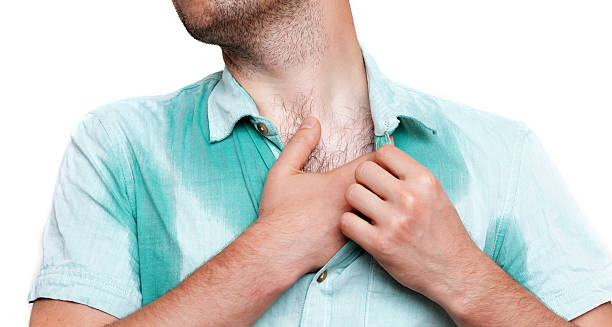
Man with sweat-soaked shirt scratching chest due to excessive sweating

Complications of Excessive Sweating

Complications of Excessive Sweating The complications of excessive sweating extend far beyond discomfort. Excessive sweating, when unmanaged, can cause physical, emotional, and social problems that affect daily life, self-esteem, and overall wellbeing. Skin and Hygiene Problems Persistent moisture leads to: Fungal infections, especially athlete’s foot and underarm candidiasis Bacterial infections, including body odour and boils Skin maceration, where the skin becomes soggy, white, and breaks easily Eczema or contact dermatitis, triggered by constant wetness or irritation from antiperspirants Blisters, calluses, and cracked heels, particularly in the feet Sweat itself is odourless, but when it mixes with bacteria, it causes strong body odour, often leading to embarrassment and social withdrawal. Emotional and Social Consequences Excessive sweating can seriously impact mental health: Anxiety, especially around handshakes, public speaking, or dating Low self-confidence, leading to withdrawal from social or professional environments Avoidance behaviour, such as choosing not to wear certain clothes or avoiding exercise Depression, particularly in people with chronic or untreated symptoms Schoolchildren may face bullying, while adults may feel judged or misunderstood. Occupational Impact Hyperhidrosis can interfere with: Manual tasks, like writing, using tools, or operating machinery Professional interactions, including interviews, presentations, or teamwork Clothing choices, as sweat patches may be visible In some industries, such as healthcare, food preparation, or beauty, visible sweating may cause stress or hygiene concerns. Sleep Disruption Night sweats linked to secondary hyperhidrosis can: Interrupt sleep, leaving people tired, irritable, and unfocused Contribute to daytime fatigue and poor concentration This is especially common in people with menopause, infections, or hormone-related conditions. Complications of Excessive Sweating In South Africa In South Africa, people with excessive sweating often suffer in silence. Lack of awareness, stigma, and poor access to specialist care mean that complications can persist for years. Many only seek help after developing infections or emotional distress. The complications of excessive sweating are avoidable. With the right treatment and support, most people can manage symptoms, reduce risks, and regain confidence in both personal and professional life. [Next: Back to Overview →]

Complications of Excessive Sweating Read More »

Man looking into his pants with question marks, symbolising complications of erectile dysfunction

Complications of Erectile Dysfunction

Complications of Erectile Dysfunction The complications of erectile dysfunction can affect both physical and emotional wellbeing. While erectile dysfunction is not life-threatening, it often signals other health issues and can significantly impact quality of life if left untreated. Relationship Strain ED can cause: Tension between partners Loss of intimacy and connection Misunderstandings about performance or attraction Fear of rejection or failure Without open communication, these issues may lead to avoidance, resentment, or even breakdown of the relationship. Mental Health Effects Prolonged ED may trigger or worsen: Anxiety Depression Low self-esteem Feelings of inadequacy These emotional struggles can create a cycle where anxiety worsens ED, and ED increases psychological distress. Physical Health Risks ED may be an early sign of: Heart disease – Poor circulation affecting the penis may indicate clogged arteries Type 2 diabetes – High blood sugar damages nerves and vessels needed for erection High blood pressure or high cholesterol – Both contribute to erectile issues Ignoring ED may mean missing the chance to diagnose and treat serious health conditions early. FertilityIssues While ED itself doesn’t reduce sperm quality, it can interfere with the ability to have intercourse and conceive. Men trying to start a family may face frustration or guilt if they cannot perform during ovulation windows. Social Isolation Some men withdraw from social or romantic relationships out of shame. They may avoid dating, intimacy, or even friendships, leading to loneliness and reduced overall wellbeing. Complications of Erectile Dysfunction In South Africa In South Africa, men are often hesitant to discuss sexual health issues. Cultural norms and fear of judgment can delay treatment. Many try over-the-counter herbal remedies or rely on misinformation, which may worsen health or cause harm. Support from healthcare providers, community leaders, and media can help change the narrative. Campaigns that normalise seeking help for ED—just like any other health condition—can encourage men to take action. The complications of erectile dysfunction are avoidable in most cases. With proper treatment, emotional support, and understanding, men can overcome ED and improve both their physical and emotional health. [Next: Back to Overview →]

Complications of Erectile Dysfunction Read More »

Blurred image of person lying unconscious after a seizure, illustrating epilepsy complications

Complications of Epilepsy

Complications of Epilepsy The complications of epilepsy range from physical injuries to emotional and social challenges. While epilepsy itself is not always dangerous, uncontrolled seizures can have serious consequences. Early treatment and consistent follow-up help reduce risks significantly. Physical Injuries Seizures can occur without warning, increasing the risk of: Falls or head injuries Burns (if near a stove or fire) Drowning (during unsupervised swimming or bathing) Road accidents (if seizures occur while driving) Safety modifications at home and education for caregivers can reduce the likelihood of injuries. Status Epilepticus This is a medical emergency where a seizure lasts more than five minutes or multiple seizures occur without recovery in between. It requires immediate treatment to prevent brain damage or death. Emergency care with oxygen, IV medication, and sometimes intubation is needed. Sudden Unexpected Death in Epilepsy (SUDEP) SUDEP is rare but tragic. It usually happens during sleep and involves breathing or heart rhythm changes. The risk is higher in people with frequent, uncontrolled generalised seizures. Good seizure control is the best way to lower the risk. Cognitive and Emotional Effects Some people with epilepsy experience: Memory problems Learning difficulties Attention issues Depression or anxiety Children may struggle at school due to missed days, stigma, or side effects from medication. Social and Occupational Challenges Living with epilepsy can affect: Education and employment Driving eligibility Personal relationships Self-esteem and independence Stigma remains a major barrier, particularly in South Africa, where epilepsy is often misunderstood or feared. Some people face rejection, isolation, or discrimination due to myths and misinformation. Complications of Epilepsy In South Africa Limited public education and poor access to specialists worsen these complications. Many people delay treatment or stop taking medication due to cost, belief in traditional cures, or social pressure. NGOs and epilepsy support groups are working to improve care, provide information, and protect patient rights. The complications of epilepsy are not inevitable. With the right medication, lifestyle support, and education, people with epilepsy can manage their condition safely and confidently. [Next: Back to Overview →]

Complications of Epilepsy Read More »

Woman looking at broccoli on a plate, showing signs of an eating disorder

Eating Disorders

Eating Disorders Eating disorders are serious mental health conditions that involve unhealthy and extreme eating behaviours. These behaviours often revolve around food, body weight, and body image. This disorder can affect anyone, regardless of age, gender, race, or background, and they frequently have both physical and psychological consequences. The most well-known types include anorexia nervosa, bulimia nervosa, and binge-eating disorder. Each has distinct symptoms but all involve a harmful relationship with food. People with thisdisorders often experience deep emotional distress, guilt, or shame around ingesting, even if outwardly they appear to be coping. These disorders are not about vanity or a simple desire to be thin. They are complex mental health conditions rooted in emotional, psychological, and often social issues. Genetics, trauma, bullying, perfectionism, and media pressure can all contribute to the development of disordered eating habits. In South Africa, these disorders are increasingly recognised as a public health concern, particularly among teenagers and young adults. Social media, unrealistic beauty standards, and the stigma around mental illness often make it harder for people to seek help. In both urban and rural settings, these disorders can go undiagnosed due to lack of awareness or access to mental health services. Eating Disorders Early signs may include skipping meals, excessive exercising, frequent dieting, or becoming overly preoccupied with weight. Over time, the physical effects may become more obvious—such as dramatic weight changes, digestive issues, fatigue, or even heart problems. This disorder can be life-threatening if left untreated. But with the right support—through therapy, medical care, and family involvement—recovery is possible. The sooner the disorder is recognised, the better the chances of full recovery. Understanding eating disorders is the first step toward creating compassionate, supportive environments where people feel safe to seek help and rebuild their relationship with food and their bodies. [Next: Causes of Eating Disorders →]

Eating Disorders Read More »

Thin person standing on scale with distorted reflection in mirror

Complications of Eating Disorders

Complications of Eating Disorders The complications of eating disorders can be severe and, in some cases, life-threatening. Because eating disorders affect nearly every system in the body, the longer they go untreated, the greater the risk of long-term damage. Physical, emotional, and social complications are all common—and recovery becomes more difficult when these issues are ignored. One of the most serious complications is malnutrition. In anorexia nervosa, prolonged calorie restriction leads to extreme weakness, fatigue, anaemia, and organ damage. The body begins to break down muscle—including the heart—to maintain energy. This can result in slow heart rate, low blood pressure, and risk of heart failure. Electrolyte imbalances are also common, especially in bulimia nervosa due to vomiting or laxative use. Low potassium and sodium levels can trigger irregular heart rhythms or seizures. In extreme cases, sudden cardiac arrest may occur. Digestive problems are frequent. Constipation, bloating, acid reflux, and slowed digestion can all stem from disordered eating. Chronic vomiting damages the oesophagus and teeth. In binge-eating disorder, excess food intake may cause stomach pain, gallstones, or type 2 diabetes over time. Bone density loss is a major concern. Low oestrogen levels, especially in people with anorexia, can lead to osteoporosis or osteopenia—even in teenagers. This raises the risk of fractures and long-term mobility issues. Fertility Fertility may be affected as well. Women with eating disorders often have irregular or absent periods due to hormone disruption. In men, low testosterone can affect libido and sperm production. Without treatment, these hormonal changes may become permanent. Mental health complications are just as important. Depression, anxiety, obsessive-compulsive behaviours, and self-harm are common in people with eating disorders. In some cases, suicidal thoughts or actions may occur—especially if the person feels trapped or hopeless about recovery. Social isolation is another complication. Eating disorders often lead to withdrawal from friends, school, work, or family. Fear of eating in public, guilt, or body shame can prevent people from participating in daily life. In South Africa, delayed diagnosis and stigma can increase the likelihood of complications. Many people seek help only when symptoms become unmanageable. Public awareness campaigns and better access to mental health services are urgently needed to prevent long-term harm. Complications of Eating Disorders Dental problems, weakened immune function, hair loss, and temperature sensitivity are additional signs that the body is under stress. In severe cases, the immune system weakens, making the person more vulnerable to infections. The good news is that many of these complications are reversible with early intervention. Physical health can improve once nutritional balance is restored, and psychological symptoms can be managed through therapy. Addressing the complications of eating disorders means treating the whole person—not just the behaviours. Medical care, counselling, and social support all play a role in full recovery. The earlier treatment begins, the better the outcome and the lower the risk of lasting damage. [Next: Back to Overview →]

Complications of Eating Disorders Read More »

Scroll to Top