Mental Matters

Mental Health

Treatment of Dementia with Lewy Bodies

Treatment of Dementia with Lewy Bodies

Treatment of Dementia with Lewy Bodies Treatment of dementia with Lewy bodies focuses on managing symptoms and improving quality of life, as there is currently no cure. A tailored, multidisciplinary approach is essential because individuals with dementia with Lewy bodies are particularly sensitive to certain medications, and some treatments used in other types of dementia can cause harmful side effects. Medications for Cognitive Symptoms Cholinesterase inhibitors (e.g. rivastigmine, donepezil) may help improve alertness, memory, and cognition These medications may also reduce hallucinations and behavioural symptoms Benefits may be modest but can significantly improve daily functioning for some Medications for Movement Symptoms Levodopa, a drug used for Parkinson’s disease, may help with rigidity and slowness of movement However, it can worsen hallucinations, so it is used cautiously and at the lowest effective dose Avoiding Antipsychotics People with dementia with Lewy bodies are extremely sensitive to antipsychotic drugs, which can trigger severe reactions such as confusion, agitation, worsening motor symptoms, or even life-threatening neuroleptic malignant syndrome If antipsychotics are absolutely necessary, newer drugs like quetiapine may be used under close supervision Non-Pharmacological Therapies Occupational therapy to assist with activities of daily living Physical therapy to improve mobility, reduce falls, and manage stiffness Speech and language therapy for those with voice changes or swallowing difficulties Psychological support and counselling for both the individual and family members Sleep and Mood Management | Treatment of Dementia with Lewy Bodies REM sleep behaviour disorder may respond to melatonin or low-dose clonazepam Antidepressants, such as SSRIs, can help manage depression or anxiety, though they must be prescribed carefully Home and Environmental Support Clear routines, visual cues, and reducing background noise can help reduce confusion Providing safe environments and fall prevention strategies is essential In conclusion, treatment of dementia with Lewy bodies requires a careful, patient-specific approach that addresses both mental and physical symptoms. With the right balance of medication, therapies, and support, many people can maintain a good quality of life for a significant period. [Next: Complications and Recovery from Dementia with Lewy Bodies →]


Treatment of Dementia with Lewy Bodies Read More »

Brain scan with highlighted blood vessels in red indicating neural and vascular pathways

Complications and Recovery from Dementia with Lewy Bodies

Complications and Recovery from Dementia with Lewy Bodies Complications and recovery from dementia with Lewy bodies are shaped by the condition’s progressive nature and the delicate balance required in its treatment. Although dementia with Lewy bodies cannot be cured, individuals can live meaningful lives for many years with the right support, therapies, and medical care. Understanding the complications helps families prepare for the challenges ahead. Progressive Decline Over time, symptoms will worsen: Memory and thinking abilities decline Hallucinations and confusion may become more persistent Mobility deteriorates, leading to increased risk of falls and injury This slow deterioration often requires increasing levels of care and supervision. Medication Sensitivity A significant complication in this condition is extreme sensitivity to antipsychotic medications: Inappropriate use can lead to severe agitation, rigidity, or even death It is vital to use medications cautiously and under specialist supervision Risk of Falls and Injuries Motor symptoms such as: Poor balance Slow reflexes Muscle stiffness All increase the risk of falls, fractures, and head injuries. Ongoing physical therapy and home safety modifications can help reduce this risk. Nutritional and Sleep Challenges Sleep disturbances often worsen over time, causing daytime sleepiness and night-time restlessness Swallowing difficulties and loss of appetite may lead to malnutrition, requiring dietary adjustments or feeding assistance Caregiver Stress | Complications and Recovery from Dementia with Lewy Bodies Caring for someone with dementia with Lewy bodies can be emotionally and physically exhausting The combination of unpredictable symptoms, behavioural issues, and sleep disruption often leads to caregiver burnout Access to respite care, counselling, and support groups is crucial End-of-Life Planning As the disease progresses: Individuals become increasingly dependent Planning for palliative care, advance directives, and legal matters is essential to ensure comfort and dignity Recovery as Adaptation Though recovery in the traditional sense is not possible, many people: Experience improvement in specific symptoms with the right treatments Maintain social connections and purpose with community involvement Achieve a sense of peace and acceptance through emotional support In conclusion, complications and recovery from dementia with Lewy bodies involve managing decline with sensitivity and foresight. While the condition progresses, a multidisciplinary and compassionate approach can help individuals and their families navigate the journey with dignity and resilience. [Next: Back to Overview →]

Complications and Recovery from Dementia with Lewy Bodies Read More »

Elderly man sitting pensively with a cane in a bright room

Dementia

Dementia – Overview The disease Dementia is a broad term used to describe a group of conditions. These conditions may cause progressive decline in cognitive function, impacting memory, thinking, reasoning, behaviour. Additionally, the ability to perform everyday activities. Dementia primarily affects older adults, although it is not considered a normal part of ageing. The condition can be caused by a variety of underlying diseases. Furthermore, it can cause damage to the brain, the most common being Alzheimer’s disease. This is a serious condition that deeply affects not only the individuals living with it, but also their families, carers, and communities. It interferes with daily life, communication, independence, and relationships. Over time, individuals may lose their ability to manage personal care, recognise loved ones, or make decisions. The progression of dementia varies from person to person and depends on the type and stage of the disease. Dementia Globally, dementia is a major health concern. According to the World Health Organization, more than 55 million people live with this condition, with nearly 10 million new cases diagnosed every year. As life expectancy increases, the prevalence of dementia is expected to rise significantly in the coming decades. There is currently no cure for most types, but early diagnosis, supportive care, and appropriate treatment can help manage symptoms, slow progression, and improve quality of life. With increased awareness, research, and community support, we can help people affected by this disease live with dignity and purpose. In summary, dementia is a life-altering neurological condition that affects memory and cognitive ability. Early intervention, compassionate care, and holistic support are crucial in helping people cope with the challenges it brings. [Next: Causes of Dementia →]

Dementia Read More »

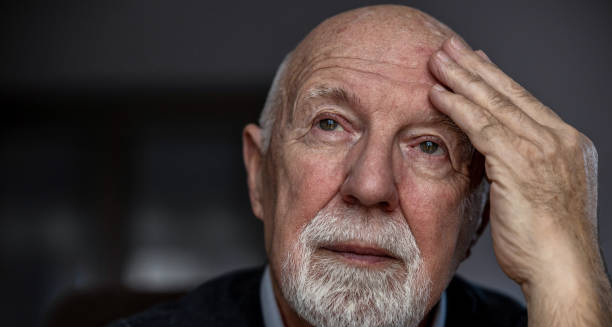
Elderly man holding his head, appearing confused or distressed

Symptoms of Dementia

Symptoms of Dementia Symptoms of dementia can be subtle at first, but they typically worsen over time, affecting various aspects of thinking, memory, language, and behaviour. The early signs of dementia may be mistaken for normal ageing, but as the condition progresses, the impact becomes more noticeable and disruptive. Cognitive Symptoms Memory loss, particularly short-term memory, is often one of the first signs Difficulty recalling recent events, names, or conversations Challenges in planning, organising, or making decisions Trouble understanding time or directions Repetition of questions or stories due to forgetfulness Communication and Language Difficulties Difficulty finding the right words or following conversations Trouble reading or writing Slower response times in verbal exchanges Misunderstanding jokes or figurative language Behavioural and Psychological Changes Mood swings, depression, or anxiety Apathy or loss of interest in hobbies Increased irritability or aggression Inappropriate behaviour in social situations Wandering, especially at night Physical and Motor Symptoms | Symptoms of Dementia While dementia primarily affects mental function, it can also lead to: Loss of coordination or balance Incontinence in later stages Difficulty swallowing or speaking clearly Symptoms by Stage Early-stage dementia may involve mild forgetfulness and confusion Middle-stage presents with increased memory loss, mood changes, and assistance with daily tasks Late-stage dementia often includes severe memory impairment, physical disability, and dependence on full-time care Symptoms in Younger People | Symptoms of Dementia Younger individuals with dementia (under 65) may experience: Unusual behavioural changes Personality shifts Job-related difficulties Depression or isolation due to delayed diagnosis In summary, symptoms of dementia span cognitive, emotional, and physical domains. Recognising these signs early allows for diagnosis and intervention, which can greatly enhance the person’s ability to function and maintain independence. [Next: Diagnosis of Dementia →]

Symptoms of Dementia Read More »

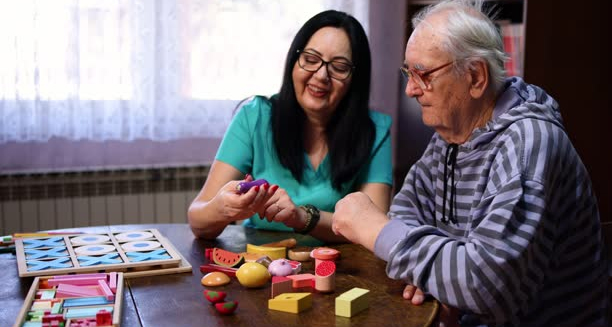
Elderly man receiving cognitive therapy with caregiver using colourful memory toys

Complications and Recovery from Dementia

Complications and Recovery from Dementia Complications and recovery from dementia depend heavily on the type, severity, and timing of intervention. While most forms of dementia are progressive and incurable, proactive care, planning, and support can improve quality of life and slow decline. Complications often arise from the interplay of physical, cognitive, emotional, and social challenges. Cognitive Decline and Loss of Independence The most direct complication of dementia is the gradual loss of: Memory Language and communication Decision-making and judgement Over time, individuals may require support for basic activities such as eating, bathing, and dressing. This loss of autonomy can be distressing and requires coordinated caregiving efforts. Injuries and Accidents | Complications and Recovery from Dementia Dementia increases the risk of: Falls, due to impaired coordination and perception Wandering, especially at night or in unfamiliar environments Medication errors, such as overdosing or skipping doses Burns or cuts from cooking or using sharp tools unsafely Environmental adaptations—like motion sensors, locks, and visual cues—can reduce these risks. Physical Health Complications People with dementia often develop other medical problems, including: Malnutrition or dehydration, especially in advanced stages Infections, such as urinary tract infections or pneumonia Incontinence, which can lead to skin infections and social withdrawal Because dementia can affect the ability to report symptoms, health issues may go unnoticed until they become severe. Emotional and Social Challenges | Complications and Recovery from Dementia Depression, anxiety, and social isolation are common, particularly in the early and middle stages: Individuals may feel frustrated by their declining abilities Loss of social networks can lead to loneliness Behavioural changes, such as aggression or paranoia, can strain relationships Caregiver Burden Family carers often experience high levels of stress, exhaustion, and emotional strain. Without support, caregivers may face burnout, affecting both their own health and the quality of care provided. Recovery and Adaptation | Complications and Recovery from Dementia Although dementia cannot be reversed, people can still experience: Meaningful interaction, joy, and emotional connection Improved function with therapies and proper care Dignity and autonomy, especially with early planning and compassionate communication In conclusion, complications and recovery from dementia span the physical, emotional, and practical domains. With holistic, ongoing care, individuals can continue to live purposefully and with dignity, even as the disease progresses. [Next: Back to Overview →]

Complications and Recovery from Dementia Read More »

Woman feeling trapped in a crowd, showing signs of claustrophobia

Claustrophobia

Claustrophobia – Overview Claustrophobia is an intense and irrational fear of confined or enclosed spaces. People with this condition may panic or experience severe anxiety when placed in situations such as elevators, small rooms without windows, crowded public transport, or even when wearing tight clothing or undergoing an MRI scan. The condition can be deeply distressing and may interfere with daily life, relationships, and work. Claustrophobia is classified as a specific phobia, a type of anxiety disorder focused on a particular trigger. The severity of the condition varies from person to person. While some individuals may feel only mild discomfort, others may avoid certain places or situations entirely due to the overwhelming sense of dread. The fear is not necessarily about the space itself, but rather the perceived inability to escape or the feeling of being trapped. Claustrophobia Symptoms typically develop during childhood or adolescence, but they can emerge at any age. This condition can arise after a traumatic experience in a confined space, such as getting stuck in a lift or being held down during a medical procedure. Genetics and personality traits may also play a role. Left untreated, claustrophobia can lead to significant avoidance behaviours, social withdrawal, and limitations on mobility. Thankfully, it is a treatable condition. With the right therapeutic approach, many people experience long-lasting relief. In summary, claustrophobia is a debilitating yet manageable anxiety disorder marked by extreme fear of confined spaces. Increased awareness and access to mental health support have helped many people reduce their symptoms and regain confidence in navigating the world. [Next: Causes of Claustrophobia →]

Claustrophobia Read More »

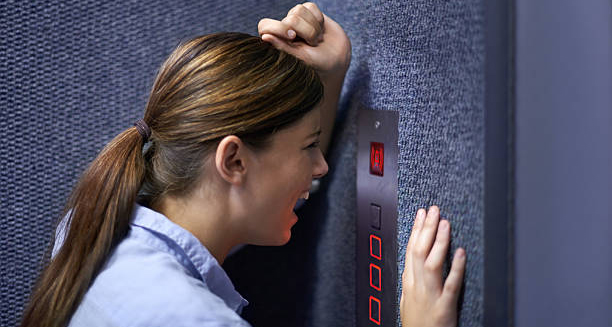
Woman panicking inside lift highlighting causes of claustrophobia

Causes of Claustrophobia

Causes of Claustrophobia Causes of claustrophobia can be complex and multifactorial, involving a combination of past experiences, psychological tendencies, and genetic influences. While not every person with claustrophobia has a clear origin story, many can trace their fear back to a specific incident or pattern of events. Understanding the causes of claustrophobia can assist in developing effective treatment strategies and provide reassurance to those struggling with the condition. 1. Traumatic Experiences One of the most common causes is a distressing experience in a confined space. For instance, a child who was accidentally locked in a cupboard or who got stuck in an elevator may later associate enclosed environments with panic. These events may not have seemed significant at the time, but their emotional impact can persist. 2. Learned Behaviour | Causes of Claustrophobia Phobias can also be learned from close family members. If a parent or caregiver exhibited anxious behaviour in tight spaces, a child may unconsciously adopt this fear through observation and repetition. This is especially true if the child did not receive reassurance or help interpreting the event differently. 3. Genetic and Biological Factors Some individuals may have a genetic predisposition to anxiety disorders, including specific phobias like claustrophobia. Studies suggest that people with a family history of anxiety or panic disorders may be more vulnerable. Certain brain structures, such as the amygdala, may also react more strongly to perceived threats in enclosed spaces. 4. Personality Traits People who are more sensitive, introverted, or prone to high levels of control may be more susceptible to developing claustrophobia. The feeling of being unable to escape or control the situation can trigger panic in those with a heightened sensitivity to stress. 5. Evolutionary Theories | Causes of Claustrophobia Some experts believe that claustrophobia may have evolutionary roots. Being trapped in tight spaces historically posed real threats, such as cave-ins or animal attacks. The fear response may have evolved as a survival mechanism, although it can become maladaptive in modern settings. While the causes of claustrophobia are varied, the common thread is a sense of entrapment or lack of control. Recognising the underlying source of fear can provide insight during therapy and empower individuals to work through the anxiety effectively. [Next: Symptoms of Claustrophobia →]

Causes of Claustrophobia Read More »

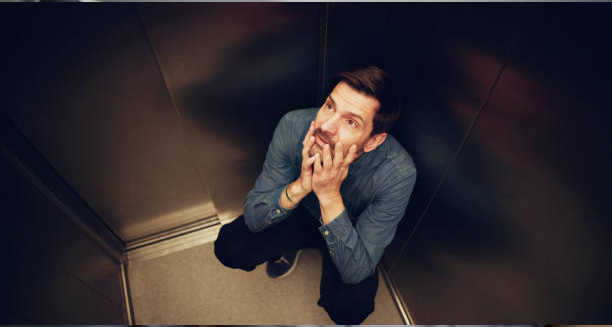
Anxious man crouching in lift showing symptoms of claustrophobia

Symptoms of Claustrophobia

Symptoms of Claustrophobia Symptoms of claustrophobia can vary widely, both in intensity and in how they manifest. However, most people with claustrophobia experience overwhelming anxiety when confronted with enclosed or confined spaces. These symptoms may be physical, emotional, or behavioural, and they can arise suddenly or build gradually as the person approaches a triggering environment. 1. Physical Symptoms Claustrophobia often triggers a strong physiological response, commonly associated with panic attacks. These include: These symptoms arise from the body’s “fight or flight” response and can be intensely distressing, even if the person intellectually knows they are not in danger. 2. Psychological Symptoms | Symptoms of Claustrophobia Emotionally, individuals may experience: Even the anticipation of being in a confined space can cause significant anxiety or dread, known as anticipatory anxiety. 3. Behavioural Symptoms People with claustrophobia often alter their routines or lifestyles to avoid triggering environments. This avoidance can include: These behaviours may initially offer relief but often reinforce the phobia over time, making it worse. 4. Impact on Daily Life | Symptoms of Claustrophobia In severe cases, claustrophobia interferes with employment, relationships, and medical care. Some individuals may refuse necessary health tests or procedures out of fear, posing additional health risks. The symptoms of claustrophobia can be debilitating but are also highly treatable. Recognising them early and seeking support can prevent the fear from escalating and improve overall quality of life. [Next: Diagnosis of Claustrophobia →]

Symptoms of Claustrophobia Read More »

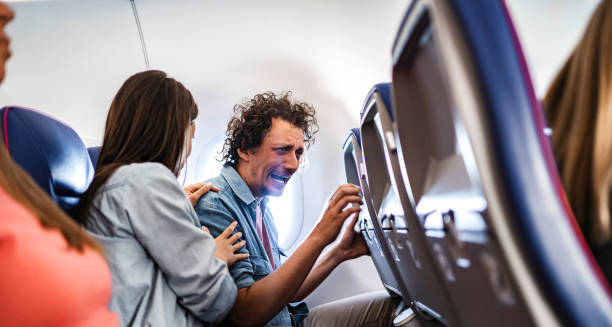
Man experiencing severe claustrophobia during a flight with supportive companion.

Complications and Recovery from Claustrophobia

Complications and Recovery from Claustrophobia Complications and recovery from claustrophobia depend on the severity of the condition and how early it is addressed. While claustrophobia does not directly threaten physical health, its psychological and social consequences can be profound if left untreated. Fortunately, recovery is achievable for most people with the right therapeutic support. 1. Avoidance Behaviour One of the primary complications is excessive avoidance. Individuals may go to great lengths to avoid lifts, planes, crowded shops, or enclosed toilets. This can limit career options, affect relationships, and reduce quality of life. 2. Physical Health Risks Fear of confined medical environments may lead to avoiding essential tests such as MRIs, CT scans, or surgeries. In turn, this can delay diagnoses and treatment of physical illnesses. 3. Social Isolation | Complications and Recovery from Claustrophobia As avoidance behaviours increase, people may withdraw from social situations. They may refuse invitations, miss important events, or avoid commuting, contributing to loneliness or depression. 4. Impact on Career Jobs that require travel, teamwork in small offices, or attending crowded meetings may be declined or abandoned. This can hinder professional growth and financial stability. 5. Emotional Toll The constant fear and stress associated with claustrophobia can erode self-confidence and increase the risk of secondary mental health issues like generalised anxiety, depression, or substance use. Recovery Outlook | Complications and Recovery from Claustrophobia Recovery from claustrophobia is highly likely with treatment. Exposure-based therapies, CBT, and relaxation strategies have high success rates. Many patients are able to resume normal activities within weeks or months of starting therapy. Key factors that support recovery include: In severe cases, recovery may take longer, but significant improvement is still achievable. In conclusion, complications and recovery from claustrophobia highlight the importance of early treatment and ongoing support. With evidence-based therapy and self-help strategies, most individuals can overcome their fear and reclaim their freedom. [Next: Back to Overview →]

Complications and Recovery from Claustrophobia Read More »

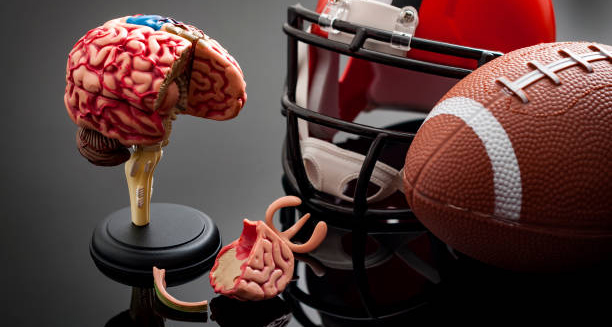
Anatomical brain model next to football helmet and ball symbolising chronic traumatic encephalopathy in athletes.

Chronic Traumatic Encephalopathy

Chronic Traumatic Encephalopathy – Overview Chronic traumatic encephalopathy is a progressive brain condition believed to be caused by repeated head injuries or concussions. Often associated with contact sports, military service, and occupations involving recurrent brain trauma, CTE leads to a gradual decline in cognitive, behavioural, and emotional functioning. The condition has received increasing attention due to its impact on athletes, particularly those involved in boxing, rugby, football, and mixed martial arts. CTE develops over many years and is thought to result from the accumulation of abnormal tau protein in the brain. These proteins disrupt cell communication and eventually cause nerve cell death. The condition is typically diagnosed post-mortem, as definitive markers are only visible through brain autopsy. However, research is advancing towards tools that may allow for earlier diagnosis in living individuals. Chronic Traumatic Encephalopathy Early symptoms are often subtle, such as memory lapses, mood swings, or impulsive behaviour. Over time, these symptoms worsen, leading to more severe problems like depression, aggression, confusion, and eventually dementia. In some cases, symptoms resemble other neurodegenerative disorders, including Alzheimer’s and Parkinson’s disease. CTE is particularly concerning because it can affect relatively young people and progress over decades. Although there is no known cure, strategies for prevention focus on reducing repeated head injuries and improving recovery protocols following concussions. In summary, CTE is a serious neurodegenerative disorder linked to repeated brain trauma. Public awareness, early symptom recognition, and strict head injury protocols are essential to reducing its long-term impact. [Next: Causes of Chronic Traumatic Encephalopathy →]

Chronic Traumatic Encephalopathy Read More »

Scroll to Top