Mental Matters

Mental Health

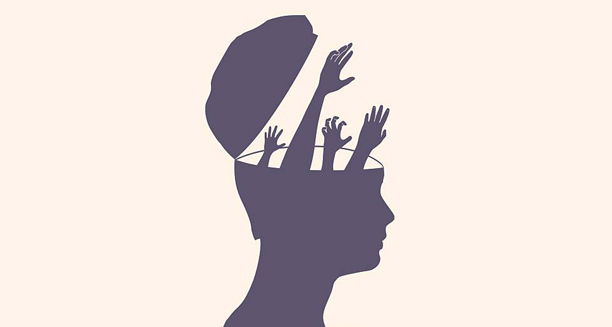
Abstract silhouette of a head with hands reaching out from the brain, symbolising complications of chronic traumatic encephalopathy.

Complications and Recovery from Chronic Traumatic Encephalopathy

Complications and Recovery from Chronic Traumatic Encephalopathy Complications and recovery from chronic traumatic encephalopathy depend on the stage of the disease, the severity of symptoms, and the support systems in place. Because chronic traumatic encephalopathy is progressive and currently irreversible, recovery in the traditional sense is not possible. However, with comprehensive care, individuals can experience significant improvements in daily life and symptom control. 1. Progressive Cognitive Decline As CTE advances, memory loss, confusion, and impaired judgement worsen. Eventually, the patient may become dependent on others for daily activities, posing a significant emotional and financial burden on families. 2. Aggression and Impulsivity Uncontrolled behaviour can strain relationships and lead to dangerous situations. Legal or employment problems may arise if symptoms are misinterpreted or not managed properly. 3. Increased Risk of Suicide Due to mood instability, depression, and cognitive dysfunction, individuals with CTE have a higher risk of self-harm or suicide. This highlights the need for close mental health monitoring and support. 4. Loss of Independence | Complications and Recovery from Chronic Traumatic Encephalopathy As symptoms progress, patients may no longer be able to work, drive, or live alone. Planning for gradual transitions to assisted living or full-time care is crucial. 5. Physical Deterioration Motor symptoms such as tremors, gait instability, or stiffness may develop. Combined with cognitive issues, these can increase the risk of falls and other physical injuries. 6. Family and Caregiver Stress Caring for someone with CTE can be emotionally draining. Providing education, respite care, and psychological support to caregivers is vital to prevent burnout. 7. Delayed Recognition One major complication is misdiagnosis or delayed identification of the disease. People may be treated for depression, bipolar disorder, or Alzheimer’s without recognising the underlying CTE. Living with CTE Although recovery from CTE is not possible in a curative sense, quality of life can be preserved with the right support. Compassionate care, structured routines, early interventions, and mental health services make a significant difference. In conclusion, complications and recovery from chronic traumatic encephalopathy involve managing a wide spectrum of cognitive, emotional, and physical symptoms. While medical science continues searching for a cure, supportive care remains the cornerstone of treatment, offering dignity and comfort to those affected. [Next: Back to Overview →]

Complications and Recovery from Chronic Traumatic Encephalopathy Read More »

I Wasn't Raised — I Was Controlled

I Wasn’t Raised — I Was Controlled

They said we were close. But close isn’t the word. It was tight. Suffocating. Like being wrapped in plastic with no air holes. They called it love. But it felt like a list of expectations I never agreed to. You don’t question the rules. Or make your own choices. And you don’t breathe too loudly. Because someone will take it personally. They’d say, “We just want what’s best for you.” But “best” always meant what they wanted. I couldn’t pick a school without drama.A job without commentary.Even the way I dressed was up for discussion.Apparently, everything about me was up for discussion. I remember thinking,This is just how families are.Maybe everyone walks on eggshells.Maybe this is how everyone feels. But then I met people whose familiesdidn’t make them feel small.Who didn’t guilt them for existing.Didn’t demand loyalty like some twisted tax. And I started to realiseI wasn’t just “the difficult one.”I was just… tired. Tired of having to explain myself.Of pretending their behaviour was normal.Tired of being made to feel guiltyfor wanting peace. One day, I asked my therapist,“Have I just become numb?”She didn’t answer right away.Just looked at me with that facethat says: You already know. And I did. It wasn’t love.Not really.It was control.Wrapped in tradition.Laced with guilt.Masked as care. And now, I’m slowly unlearning.Letting myself feel again.Trusting that I’m allowed to existoutside the roles they wrote for me. Reviewed April 2025. Always consult a professional for individual guidance.

I Wasn’t Raised — I Was Controlled Read More »

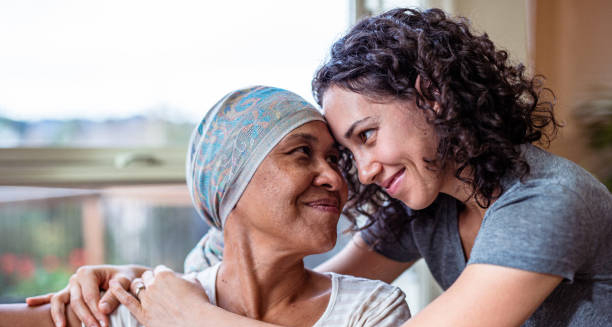
Smiling woman with headscarf embraced by supportive young woman

Complications and Recovery from Cancer

Complications and Recovery from Cancer Complications and recovery from cancer depend on many factors, including the type of cancer, its stage, treatment used, and the patient’s overall health. While many people recover fully, complications of cancer can be physical, emotional, or long-term. Short-Term Complications Long-Term Complications Emotional and Psychological Complications Cancer can cause depression, anxiety, PTSD, and body image issues. Support from counsellors, therapists, and support groups is vital. Many patients experience fear of recurrence even after successful treatment. Recovery and Survivorship Recovery involves physical healing, emotional adjustment, and lifestyle changes. Regular follow-ups monitor for recurrence, side effects, and new symptoms. Many patients benefit from: Complications and Recovery from Cancer With early diagnosis and the right treatment, many cancers are now curable or manageable as chronic conditions. Holistic care during and after treatment improves both survival and quality of life. Understanding complications and recovery from cancer helps patients prepare, seek support, and stay proactive about long-term health. [Next > Back to Overview]

Complications and Recovery from Cancer Read More »

Small white baby shoes on a person's lap

I Lost a Child and They Told Me to Be Grateful

“Loss is part of life.” I have to admit, those words never sat well with me. Not because I don’t believe them—but because they felt like they rushed me through something I wasn’t ready to face. They seemed to suggest that grief has a timetable. That if I just remembered what I still had, I’d be fine. But nothing could have prepared me for the loss of a second child. And the pain that would follow. The shock of expecting twins I was familiar with loss before this. But this felt so different. And I never expected the pregnancy of my second-born to become part of my grief story. At first, it was the shock of falling pregnant again—unexpected, yes, but something I could come to terms with. Then came the next surprise: twins. I had barely wrapped my head around that news when I heard the words no expecting mother ever wants to hear: “It doesn’t look like the one baby will make it.” I went numb. I heard the doctor speaking, but it felt like I was floating outside my body. Half listening. Half in disbelief. So many questions, no real answers What is a hydrops baby?You’re saying he might make it to term… then what?How do I know the other twin will be okay?What does “high risk” in this case actually mean?Will I have to go through another c-section—after the trauma of my last one? I had a hundred questions and no energy to ask any of them. I just listened. Quietly panicked. Here’s what I was told: Each appointment filled me with dread. I’d hold my breath, wondering if today would be the day they told me his heart had stopped. The grief you can’t talk about At 16 weeks, I lost my baby. I felt a strange mix of sadness and relief. Relief that his little body wouldn’t have to fight anymore. But sadness that I never got to meet him. Never got to know who he would be. People tried to comfort me with reminders that I still had one healthy baby growing inside me. That I had a toddler at home who needed me. That I had reasons to stay strong, and to be grateful. They meant well—but those words didn’t help. Because even though I still had children to love, I had lost one. And it felt like there wasn’t room to talk about that grief. Like I wasn’t allowed to mourn in my own way, in my own time. So, I buried it. Tucked it away in the quiet corners of my story. It’s taken time—and courage—to write this down. I used to think that talking about it would make people uncomfortable. That it might sound ungrateful, because I still had a baby to hold. But now I know this: I lost my baby at 16 weeks. And that loss matters—even if I never got to bring him home. To anyone who has experienced pregnancy loss, or the complicated emotions of a high-risk pregnancy: you are allowed to grieve. You are allowed to feel everything, even if others don’t fully understand. Reviewed April 2025. Always consult a professional for individual guidance.

I Lost a Child and They Told Me to Be Grateful Read More »

Thin person measuring waist with tape measure

Bulimia

Bulimia – Overview The Bulimia condition is an eating disorder marked by a cycle of binge eating followed by behaviours aimed at avoiding weight gain. Such as vomiting, excessive exercise, or laxative use. This condition — formally known as bulimia nervosa. This condition s a serious mental health condition that affects both physical and emotional well-being and can lead to severe medical complications if untreated. The disorder typically involves episodes of consuming large amounts of food in a short time (bingeing), accompanied by a sense of loss of control. This is followed by attempts to “undo” the eating through purging, fasting, or overexercising. These behaviours are often hidden and driven by deep fears about body image, weight, and self-worth. Bulimia can affect people of all genders and ages but most commonly begins in adolescence or early adulthood. Although it’s often associated with women, men also suffer from the condition, sometimes with even greater stigma and underdiagnosis. Bulimia The cycle of bingeing and purging can become compulsive, leading to guilt, shame, and distress. Unlike anorexia, individuals with this may maintain a normal weight or even be overweight. Furthermore, making the condition harder to recognise externally. Left untreated, this condition can cause serious health risks — including electrolyte imbalances, heart irregularities, gastrointestinal damage, dental problems, and mental health issues such as depression and anxiety. However, with the right support, recovery is absolutely possible. [Next: Causes of Bulimia →]

Bulimia Read More »

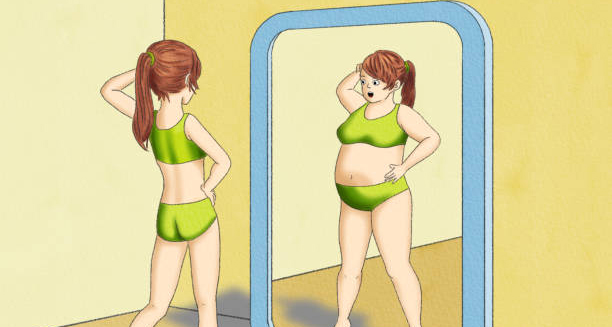
Slim girl viewing a distorted overweight reflection in a mirror

Causes of Bulimia

Causes of Bulimia Causes of bulimia are complex and often involve a mix of psychological, genetic, cultural, and environmental factors. The most common causes of bulimia include low self-esteem, body dissatisfaction, perfectionism, trauma, and societal pressures related to beauty and weight. Psychological factors play a central role. People with bulimia often have distorted beliefs about food, weight, and self-worth. They may use food to cope with stress, sadness, loneliness, or boredom — and then purge to relieve the associated guilt and anxiety. Perfectionism, anxiety disorders, obsessive-compulsive traits, and a need for control are commonly seen in those with bulimia. Family history is another important risk factor. People with a close relative who has an eating disorder, depression, or substance abuse are more likely to develop bulimia. This may be due to genetic vulnerability as well as shared family environments and attitudes towards food and body image. Trauma and difficult life experiences — including childhood abuse, bullying, or significant loss — may increase the risk. These events can lead to a sense of emotional instability or a need to regain control, often expressed through disordered eating patterns. Cultural and societal influences also play a powerful role. Media and fashion industries often promote unrealistic body ideals, particularly thinness in women and muscularity in men. Social media platforms amplify these messages, contributing to body dissatisfaction and dieting behaviours, which can spiral into bulimia. Causes of Bulimia Participation in certain sports or activities that emphasise weight control — such as gymnastics, running, wrestling, ballet, or modelling — may further increase risk, particularly when coaches or peers encourage strict weight standards. Dieting itself is a well-established risk factor. Restrictive eating can lead to intense food cravings, which in turn trigger binge eating. The subsequent guilt often leads to purging, reinforcing the cycle. Understanding the causes of bulimia is key to effective prevention and treatment. Addressing the underlying psychological triggers, societal pressures, and trauma — alongside nutritional rehabilitation — forms the foundation of recovery. [Next: Symptoms of Bulimia →]

Causes of Bulimia Read More »

Woman staring at a single cherry tomato on a plate with her head in her hands

Complications and Recovery from Bulimia

Complications and Recovery from Bulimia Complications and recovery from bulimia are deeply interconnected. If untreated, the condition can cause serious health issues — but with the right care, full recovery is absolutely possible. Understanding the potential complications and recovery from bulimia helps motivate early intervention and long-term support. The most dangerous complications come from purging behaviours. Repeated vomiting can lead to electrolyte imbalances, which affect the heart’s rhythm and can be fatal. Low potassium (hypokalaemia) is especially risky and may lead to cardiac arrest. Frequent vomiting also causes esophageal tears, acid reflux, mouth ulcers, and severe dental erosion. Chronic laxative use may damage the intestines, cause dependency, and lead to dehydration or kidney problems. Overexercising can result in joint injuries, hormonal imbalance, and stress fractures. Mental health complications include depression, anxiety, self-harm, and in severe cases, suicidal thoughts. These issues may predate the eating disorder or develop as a result of living with it. Many people report feelings of isolation, guilt, and shame, especially when the disorder is hidden for years. However, recovery is entirely possible. The path to healing begins with honesty, professional support, and compassionate care. A multidisciplinary team — including doctors, therapists, and dietitians — helps guide each person through nutritional restoration, emotional recovery, and behavioural change. Recovery often follows an up-and-down path. Some days may feel easier than others, and setbacks are not failures. With time, people can rebuild a healthy relationship with food, body image, and self-worth. Complications and Recovery from Bulimia Support from loved ones is crucial. Friends and family should be educated on how to respond supportively and avoid comments about appearance or eating habits. Encouragement, patience, and non-judgement are key. Ongoing care is vital, even after acute symptoms improve. This includes regular therapy, health check-ups, and support groups to help maintain progress and manage stressors that could trigger relapse. With the right support, complications and recovery from bulimia can be managed, and a life free from disordered eating is within reach. Back to Overview

Complications and Recovery from Bulimia Read More »

Burning matchstick symbolising mental and emotional burnout

Recognising Burnout Early

“Just give me a minute…” We say it to others. We say it to ourselves. But what we’re really asking for is space—to breathe, to catch up, to just be for a second. Burnout doesn’t always arrive with sirens or meltdowns. Often, it shows up quietly. It’s sitting in your car a little longer before going inside.It’s staring at your inbox, frozen.It’s ignoring messages because replying feels like too much.It’s snapping when you don’t mean to—and feeling guilty for it. You’re functioning, technically. But you’re not fully there.The joy, peace, and spark you used to feel? Distant. At first, you tell yourself it’s just a rough week.But then that week turns into two. Then a month.And slowly, this numb, stretched-thin version of life starts to feel normal. But. You don’t have to wait until you’re completely depleted to notice something’s off. You can catch burnout when tired starts becoming something deeper.When rest doesn’t work like it used to.When you stop recognising yourself in the middle of the doing and rushing. Burnout doesn’t mean you’re weak.It usually means you’ve been strong for too long—without pausing. You’ve been holding everything together, even when no one sees it.And now, your body and mind are asking for care, not pressure. So here’s your reminder: It’s okay to step back. It’s okay to not feel okay. You don’t have to earn your rest. If your body says pause—listen.If your chest feels heavy—slow down.Don’t wait for a breaking point to take care of yourself. Take the minute.Take ten.Take what you need. Recognising burnout early – watch the signs below. Search our directory to find professionals near you. Reviewed April 2025. Always consult a professional for individual guidance.

Recognising Burnout Early Read More »

Neurodiversity Support Centres By Province

Neurodiversity Support Centres By Province

South Africa is home to a growing number of neurodiversity-affirming centres that offer safe, inclusive spaces for autistic individuals, ADHDers, and others who identify as neurodivergent. This guide breaks down some of the key support centres available across each province—helping you find the right resources, closer to home. Gauteng 1. The Neurodiversity Hive (Pretoria) Brooklyn, Pretoriandhive.co.za At The Neurodiversity Hive, the team champions a neurodiversity-affirming approach. Instead of labelling behaviours as disorders, they recognise them as natural variations in human functioning. They actively challenge the belief that neurodivergent individuals need fixing. Instead, they work closely with each client to understand their personal history and needs, helping them navigate and thrive in a predominantly neurotypical world. Their services include assessments, therapy, and parent support, all delivered in a sensory-friendly, welcoming environment. 2. Spectrum Centre (Johannesburg) Randburg & Edenvalespectrumcentre.co.za Spectrum Centre focuses on autism and ADHD in adults, offering tailored assessments and long-term support. They host a free two-hour virtual autism workshop and run both online and in-person support groups for autistic adults. Spectrum helps adults better understand themselves, build self-confidence, and gain the tools to advocate for their needs in work, relationships, and everyday life. 3. Rise Neurodiversity Centre (Pretoria) Garsfontein, Pretoriarisendcentre.co.za Rise Neurodiversity Centre provides child-centred, neurodiversity-affirming support for children with autism and related learning differences. Guided by Maslow’s Hierarchy of Needs, Rise puts love and belonging at the core of its work. Their team helps children feel safe, accepted, and capable of reaching their potential. They focus on connection first, then tailor support and therapy to meet each child’s unique developmental path. Western Cape 1. Neurodiversity Centre (Multiple Locations) Rondebosch, Durbanville, Paarl, Stellenbosch, Somerset West, Table View, George, Vredendal, Hermanusneurodiversitycentre.co.za The Neurodiversity Centre operates across the Western Cape, offering comprehensive, multidisciplinary support to children, teens, and adults. Their skilled team provides: They empower neurodivergent individuals by helping them embrace their identities, strengthen their skills, and access inclusive environments. 2. GlenBridge Special School Diep River, Cape Townglenbridgeschool.co.za GlenBridge Special School offers remedial education to learners with intellectual and developmental challenges, including autism. Established in 1975, the school became one of the first to welcome all races during apartheid. Today, GlenBridge provides learners with a tailored curriculum from Grade 1 to Grade 12, helping them build academic confidence, social skills, and life readiness. The school’s committed team creates a safe, structured environment that celebrates each learner’s growth. KwaZulu-Natal Neurodiversity Centre KZN Durban North, Salt Rock, Hiltonneurodiversitycentre.co.za Clinical Psychologist Nikki Simons launched the Neurodiversity Centre KZN in 2023, drawing on decades of experience in both South Africa and the UK. Her team offers: They actively promote inclusion and mental well-being across KwaZulu-Natal. By combining compassion with evidence-based care, they help neurodivergent individuals thrive at school, work, and home. Eastern Cape Autism Matters RSA Gqeberha (Port Elizabeth)autismmatters.co.za Autism Matters RSA is a non-profit organisation created by a group of dedicated parents. They established specialised classrooms for autistic children and young adults across the Nelson Mandela Bay Metro to fill the gap left by the lack of inclusive schools. Their reach includes schools in Wells Estate, Zwide, Uitenhage, and Gqeberha’s northern areas. Beyond education, they provide: Autism Matters advocates for systemic change while offering hands-on support. They continue to build a more inclusive and accepting future for autistic South Africans. Reviewed April 2025. Always consult a professional for individual guidance.

Neurodiversity Support Centres By Province Read More »

A Laughter Coach Is a Real Thing

Wait—A Laughter Coach Is a Real Thing?

Turns out, laughing on purpose might just save your sanity. You’ve probably heard that laughter is the best medicine. But did you know, a laughter coach is a real thing? These are actual people whose job is to help you laugh—on purpose. They’re called Laughter Coaches, and while it might sound like a punchline, the work they do is a surprisingly legit mix of science and soul. Let’s break it down. What even is a laughter coach? Think of a Laughter Coach as someone who guides you through exercises designed to help you laugh—yes, even if nothing’s funny. This isn’t about cracking jokes or stand-up comedy. It’s about using intentional laughter as a tool for stress relief, healing, and emotional release. They help people laugh with purpose. And research says that’s no joke: laughter triggers feel-good hormones (like dopamine and endorphins), reduces cortisol (the stress hormone), and even helps your immune system. What do they actually do? Laughter Coaches often blend techniques from practices like: In short, they create a space where you’re allowed—and encouraged—to laugh until your stomach hurts… even if your life currently does. Do you need a degree to be a laughter coach? Not exactly, but many do undergo specialised training and certification to guide people safely and effectively. Some examples include: Is it regulated? Not strictly. But like many wellness fields, credibility comes from how much care and professionalism the coach brings to their work—not just a title on paper. Is this for real, though? Yes. And it’s growing. You’ll find Laughter Coaches in: Because sometimes, laughter breaks through where words can’t. The science + the soul Here’s what makes this whole thing so compelling: laughter is biological and emotional. It’s a body response, but it’s also a release. It connects us. Grounds us. Lifts us. And a good Laughter Coach knows how to create a moment where people feel safe enough to let go and just… laugh. You don’t have to be in a good mood to laugh. But laughter might just help you get there. Would you ever try it? If traditional therapy or self-help feels heavy, maybe what you need is a different kind of medicine—the kind that doesn’t require a prescription, just a willingness to play. Because life is hard enough already. You deserve a moment to breathe, connect, and laugh like you mean it. Reviewed April 2025. Always consult a professional for individual guidance.

Wait—A Laughter Coach Is a Real Thing? Read More »

Scroll to Top