Mental Matters

Mental Health

Man offering emotional support to a distressed individual during a panic attack

How to Support Someone During a Panic Attack

Tips for friends, partners, and family on being a calm, safe space—without accidentally making things worse. Not sure what to do when someone you love is having a panic attack? Many people feel helpless in the moment. But knowing how to support someone during a panic attack can help you stay grounded—and actually make a difference. This guide walks you through what panic attacks are, what to do (and avoid), and how to offer ongoing support without overstepping. First, understand what a panic attack feels like Panic attacks are intense. They’re not “just stress” or something you can snap out of. They come with sudden fear, a racing heart, trouble breathing, and sometimes even the feeling that you’re dying. Learning how to support someone during a panic attack starts with understanding that it’s a real, physical experience—not just a mental one. How to support someone in the moment If you’re with someone during an episode, here’s what can help: What not to do during a panic attack Even with good intentions, some common phrases or behaviours can make things harder: Panic isn’t rational. Your job isn’t to fix it—it’s to help them ride it out safely. How to support someone between panic attacks Ongoing support matters just as much as what happens in the moment. Here’s how to show up consistently: You don’t have to be perfect. Just be present. Learning how to support someone during a panic attack is about being kind, informed, and calm—even when things feel scary. That in itself can be healing. How I built myself a panic attack toolkit. Reviewed April 2025. Always consult a professional for individual guidance.


How to Support Someone During a Panic Attack Read More »

Woman receiving support while experiencing a panic attack

Getting Help for Panic Attacks

If panic attacks have started interfering with your daily life, getting help for panic attacks doesn’t mean something’s “wrong” with you. It means you’re doing something right: choosing to take care of your mental health. In this guide, we’ll walk through when to reach out for support, how to find the right person to talk to, and what to expect from the process. When should you get help for panic attacks? Everyone’s threshold is different. But here are a few signs it may be time to speak with a professional: Even if your symptoms seem “mild” or “manageable,” it’s okay to ask for help early. Support isn’t just for crises—it’s also for prevention, healing, and learning. Where to start: who you can talk to You don’t need to have it all figured out before reaching out. Start with someone you feel safe with—then build from there. Options include: What to expect from the process The first conversation might feel awkward. That’s normal. You don’t need to explain everything perfectly. Just start where you are. You might be asked: This helps the professional understand your situation and recommend the right type of support. Therapy doesn’t mean you’re broken A lot of people worry about what it means to “go to therapy.” But therapy isn’t just about fixing a problem—it’s about finding the right coping tools that actually helps. You don’t have to hit rock bottom to benefit from talking to someone. What if you’re nervous about asking for help? That’s okay. Most people are. If it feels too big to say, try writing it down first. You could even say: “I’ve been having panic attacks, and I’m not sure how to deal with them. Can you help me figure out what to do next?” That one step could be the beginning of real change. Panic attacks can make you feel like you’re the only one going through it—but you’re not. There are people trained to help. And there are people who’ve been exactly where you are, who’ve come out stronger. Reviewed April 2025. Always consult a professional for individual guidance.

Getting Help for Panic Attacks Read More »

Red dart hitting the bullseye in a dark room symbolising emotional precision

How to Identify Emotional Triggers

Emotional triggers can disrupt your day in an instant. One moment you’re calm, and the next, you feel overwhelmed, anxious, or angry. These reactions often seem sudden, but they’re rarely random. Understanding how to identify emotional triggers helps you take control of your emotions and respond more intentionally — rather than reacting on impulse. Step 1: Recognise emotional reactions Start by paying attention to emotional spikes. For instance, do you ever feel unexpectedly irritated, shut down, or tearful in certain situations? These strong emotional shifts are often your mind’s way of saying, “Something deeper is going on.” Step 2: Pinpoint the situation Next, take a closer look at what happened. Often, your emotional response connects to past experiences — not just the moment at hand. Step 3: track patterns over time The more you reflect, the more patterns start to emerge. Keep a journal or voice note log of your daily interactions. Over time, you’ll notice which situations or types of people trigger emotional responses. This insight can help you prepare and respond with more clarity. Step 4: Connect triggers to your past Emotional triggers don’t appear out of nowhere. They’re often linked to unresolved experiences like childhood trauma, bullying, betrayal, or loss. By gently exploring the root causes, you can begin to separate your past pain from your present reactions. Step 5: Practise Self-Awareness and Compassion As you identify emotional triggers, don’t judge yourself for how you feel. Instead, stay curious. Ask, “What is this emotion trying to tell me?” Self-awareness leads to growth — but compassion makes that growth sustainable. Where to get help in South Africa If you feel overwhelmed by emotional triggers, support is available: Reviewed April 2025. Always consult a professional for individual guidance.

How to Identify Emotional Triggers Read More »

why understanding your triggers matters

Why Understanding Your Triggers Matters

Understanding your emotional triggers isn’t just about managing outbursts or keeping calm — it’s about gaining deeper insight into yourself. The more you understand your emotional responses, the more empowered you become in every part of your life. Emotional triggers can catch you off guard. At first, you might feel completely fine; then suddenly, you’re overwhelmed, angry, or deeply hurt. Often, these intense reactions have little to do with what’s happening in the present, but rather everything to do with past experiences that still live beneath the surface. So why does it matter that you understand your triggers? It helps you respond, not react When you recognise what sets you off, you create space between the trigger and your response. Instead of reacting impulsively, you can pause, reflect, and choose how to handle the situation. That control can shift your relationships and reduce conflict. You break harmful patterns Maybe you shut down during arguments, lash out when criticised, or avoid certain people or places. Understanding your triggers helps you notice these patterns and begin to change them. It deepens your self-awareness Each trigger tells a story. It reveals wounds, values, and boundaries. When you explore them, you understand yourself on a much deeper level — emotionally, mentally, and even physically. Your relationships improve When you take responsibility for your emotional responses, you show up differently in relationships. You communicate more clearly, set healthier boundaries, and reduce misunderstandings. It supports your mental health Unaddressed emotional triggers can lead to anxiety, mood swings, or burnout. By identifying and working through them, you create a healthier, more balanced emotional life. Understanding your triggers doesn’t mean you’ll never be caught off guard again. It does however mean you’ll have the tools to deal with those moments when they arise — and that’s a powerful step forward. 👉 Next: How to Identify Your Emotional Triggers Reviewed April 2025. Always consult a professional for individual guidance.

Why Understanding Your Triggers Matters Read More »

understanding emotional triggers

Understanding Emotional Triggers

Understanding emotional triggers is one of the most important steps in developing self-awareness and emotional resilience. But what exactly is an emotional trigger? An emotional trigger is anything — a memory, word, person, or situation — that sparks a strong emotional reaction. These reactions often seem out of proportion to what’s happening in the moment, and that’s because they’re usually tied to past experiences or emotional wounds that haven’t fully healed. For example, someone being late might not bother one person at all, but deeply upset another who has felt abandoned in the past. That emotional response is a trigger — and it’s your mind and body’s way of telling you there’s something deeper going on. Understanding emotional triggers means recognising that your reactions aren’t random. They’re messages. They show you what still hurts, what matters deeply to you, and what needs your attention and care. The goal isn’t to avoid all triggers. It’s to become aware of them so you can respond — rather than react — when they arise. That might mean taking a pause, breathing deeply, or exploring where the reaction is really coming from. The more you understand your triggers, the more power you have over your emotional world. Instead of being thrown off course, you begin to notice patterns, connect the dots, and work through old emotional wounds. Recognising your emotional triggers doesn’t make you weak — it makes you wise. It allows you to build stronger relationships, improve your mental health, and approach challenges with greater calm and clarity. 👉 Next: Examples of Emotional Triggers Reviewed April 2025. Always consult a professional for individual guidance.
Understanding Emotional Triggers Read More »

Therapist and patient in a counselling session, illustrating mental health support for borderline personality disorder.

Borderline Personality Disorder

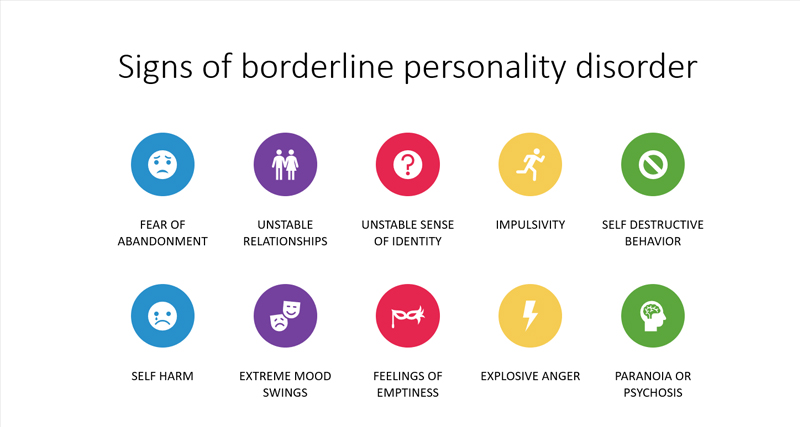
Borderline Personality Disorder (BPD) – Overview Borderline Personality Disorder (BPD) is a complex mental health condition that causes intense instability in emotions, self-image, relationships, and behaviour. People with BPD often struggle with intense mood swings, fear of abandonment, and impulsive actions that can disrupt their personal and professional lives. About 1–2% of the population lives with BPD, and the emotional distress it causes can be intense. Many individuals with BPD experience chronic feelings of emptiness, intense interpersonal conflict, and a fragile sense of identity. Self-harm, suicidal thoughts, and extreme emotional reactions are common. In South Africa, many people misunderstand or misdiagnose BPD, often confusing it with bipolar disorder, depression, or anxiety. Limited access to personality-specific psychological care in many regions makes accurate diagnosis and effective treatment even more difficult. Core symptoms of BPD include: Key challenges faced by people with BPD: Who is affected by Borderline Personality Disorder (BPD)? Despite its severity, BPD is treatable. With the right therapy, individuals can build more stable relationships, improve emotional control, and live meaningful lives. 👉 [Next: Causes and Risk Factors of BPD]

Borderline Personality Disorder Read More »

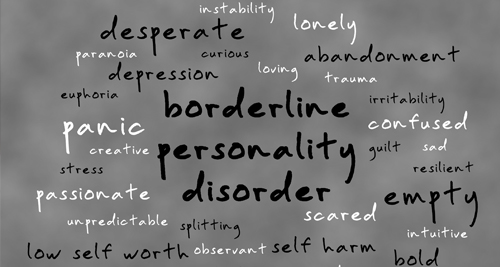
Word cloud showing emotional terms linked to borderline personality disorder such as fear, emptiness, panic, and self-harm.

Causes and Risk Factors of BPD

Causes and Risk Factors of BPD The exact causes of Borderline Personality Disorder (BPD) are not fully understood, but most researchers agree that it results from a combination of biological, psychological, and environmental factors. These interact during early development to influence brain function, emotional regulation, and attachment styles. Learn more about the causes and risk factors of bpd below. 1. Genetic predisposition 2. Brain structure and function 3. Early life trauma 4. Invalidating environment 5. Neurobiological sensitivity 6. Gender and cultural factors 7. Social factors Causes and Risk Factors of BPD Understanding the origins of BPD is essential for approaching it with compassion and clinical accuracy, not judgment. 👉 [Next: Diagnosis and Recognition of BPD]

Causes and Risk Factors of BPD Read More »

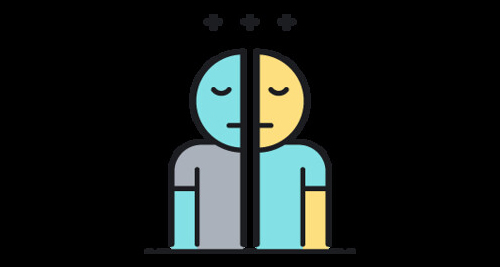
Abstract illustration of a person split into two moods, symbolising emotional instability and duality.

Diagnosis and Recognition of BPD

Diagnosis and Recognition of BPD Diagnosis and recognition of BPD can be challenging because its symptoms overlap with other mental health conditions. Additionally, individuals with BPD may struggle to describe their emotional world clearly, making it difficult for healthcare providers to distinguish BPD from bipolar disorder, PTSD, or depression. A trained mental health professional — typically a psychiatrist, psychologist, or clinical social worker — conducts a comprehensive clinical interview and psychological assessments to make a diagnosis. Diagnostic criteria (DSM-5): To be diagnosed with BPD, a person must exhibit at least five of the following traits: Screening tools that may be used: Differentiating BPD from other conditions: South African challenges in diagnosis: Diagnosis and Recognition of BPD Stigma and misunderstanding around BPD often cause people to be dismissed as “difficult” rather than recognised as someone in need of structured, trauma-informed care. 👉 [Next: Treatment Options for BPD]

Diagnosis and Recognition of BPD Read More »

Infographic showing key signs of borderline personality disorder, including fear of abandonment, mood swings, and impulsivity.

Living with BPD

Living with BPD – Support and Recovery Living with Borderline Personality Disorder (BPD) is not easy, but recovery is possible. With access to treatment, social support, and a personalised approach to wellbeing, many individuals with BPD learn to build stable relationships, manage emotions, and gain a strong sense of identity. Read more about Living with BPD below. 1. Building emotional resilience 2. Strengthening relationships 3. Managing relapses 4. Employment and education 5. Self-care routines 6. Peer support 7. Family support and understanding In the South African context, access to affordable long-term therapy is still limited in many regions. Raising awareness, expanding training for professionals, and offering community-based DBT programmes can help close the treatment gap. Living with BPD Recovery from BPD means not only managing symptoms — it’s about building a life worth living, with confidence, connection, and hope. 👉 [End of Series | Back to Overview]

Living with BPD Read More »

Woman with facial markings and extra arms holding scissors, symbolising inner conflict and distorted self-image linked to body dysmorphic disorder.

Body Dysmorphic Disorder

Body Dysmorphic Disorder (BDD) – Overview Body Dysmorphic Disorder (BDD) is a mental health condition in which a person becomes obsessively concerned with one or more perceived flaws in their physical appearance — flaws that are either minor or not visible to others at all. These worries are far more intense than typical appearance concerns and can significantly impact daily life, relationships, and emotional wellbeing. BDD is not vanity. It is a serious psychological disorder often misunderstood as simple insecurity. People with BDD may spend hours each day checking mirrors, comparing themselves to others, or engaging in repetitive behaviours like skin picking or excessive grooming. In South Africa, BDD is likely underdiagnosed, especially in communities where mental health awareness remains limited. Social media, unrealistic beauty standards, and cultural pressure contribute to growing body image distress, particularly among teens and young adults. Key features of Body Dysmorphic Disorder include: BDD can affect anyone, regardless of gender, although it often begins in adolescence. People with BDD may also have other mental health conditions, such as depression, anxiety, obsessive-compulsive disorder (OCD), or eating disorders. BDD differs from general low self-esteem. The level of distress and obsession is so intense that it can lead to social isolation, work or school disruption, and even suicidal thoughts. If left untreated, the condition can become chronic. However, with appropriate help — particularly therapy and sometimes medication — many people experience meaningful recovery. 👉 [Next: Causes and Risk Factors of BDD]

Body Dysmorphic Disorder Read More »

Scroll to Top