Mental Matters

Mental Health

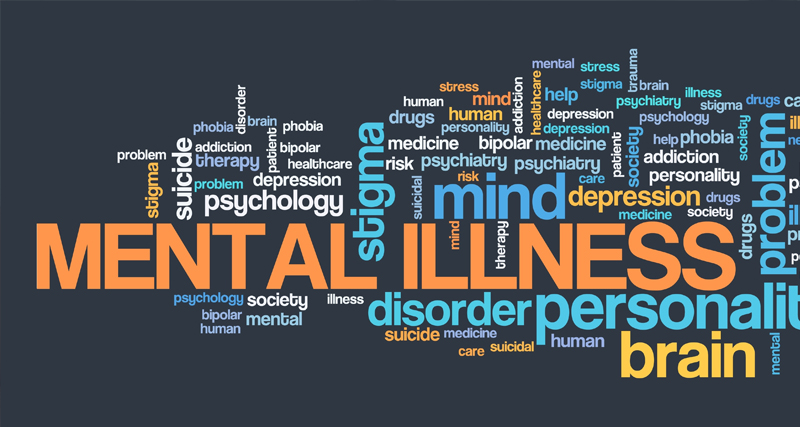
Word cloud highlighting mental illness terms like depression, stigma, disorder, brain, and personality, related to mental health.

Causes and Risk Factors of BDD

Causes and Risk Factors of BDD The exact cause of Body Dysmorphic Disorder (BDD) is not fully understood. Like many mental health conditions, BDD is believed to develop from a combination of biological, psychological, and environmental factors. Genetics, upbringing, trauma, and societal pressure all play a role. Ready more about the causes and risk factors of BDD below. 1. Biological factors 2. Genetic predisposition 3. Psychological factors 4. Environmental and social influences 5. Trauma and abuse 6. Co-occurring conditions Causes and Risk Factors of BDD Many people with BDD are not aware they have a treatable condition. They may believe their concerns are valid and seek help from dermatologists or cosmetic surgeons instead of mental health professionals. Early recognition and intervention are key to improving long-term outcomes. 👉 [Next: Diagnosis and Recognition of BDD]

Causes and Risk Factors of BDD Read More »

Visual showing synonyms for Body Dysmorphic Disorder (BDD) on a blue background, including dysmorphia and dread of deformity.

Treatment Options for BDD

Treatment Options for BDD Body Dysmorphic Disorder (BDD) is highly treatable with the right approach. The most effective treatment plan usually includes a combination of psychotherapy, medication, and supportive interventions. Treatment options for BDD aims to reduce obsessive thoughts, stop harmful behaviours, and improve quality of life. 1. Cognitive Behavioural Therapy (CBT) 2. Exposure and Response Prevention (ERP) 3. Medication 4. Group therapy and support groups 5. Family therapy 6. Avoid cosmetic procedures 7. Mindfulness and stress management In South Africa: Treatment Options for BDD Recovery takes time, but with consistent care, people with BDD can regain freedom from obsession and reconnect with the world in healthier ways. 👉 [Next: Living with BDD – Self-Compassion and Recovery]

Treatment Options for BDD Read More »

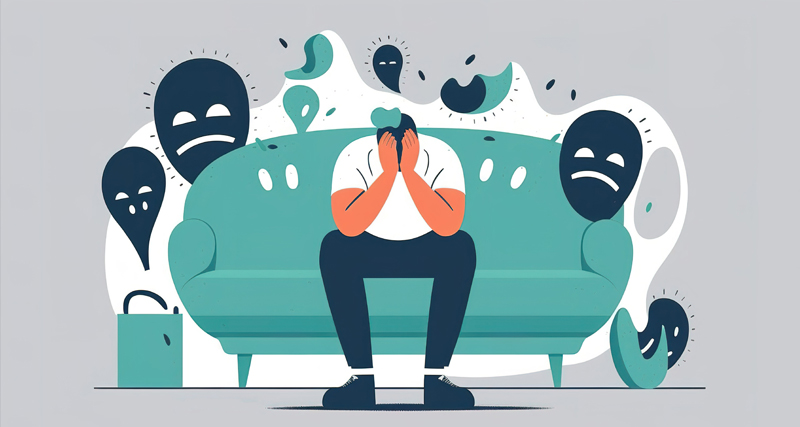
Illustration of a person sitting on a couch with their head in hands, surrounded by negative thoughts symbolising Body Dysmorphic Disorder (BDD).

Living with BDD

Living with BDD – Self-Compassion and Recovery Living with Body Dysmorphic Disorder can feel isolating and overwhelming. However, with support, self-awareness, and ongoing treatment, recovery is possible. Living with BDD and learning to accept uncertainty, reduce compulsive behaviours, and build self-worth beyond appearance are key to long-term wellbeing. 1. Rebuilding self-image 2. Managing setbacks 3. Building a strong support system 4. Limiting triggers 5. Returning to life 6. Finding local help in South Africa 7. Self-care tips Recovery from BDD is not about ignoring appearance altogether — it’s about placing appearance in its rightful place, no longer at the centre of your identity. Living with BDD You are more than what you see in the mirror. With the right help, you can learn to see yourself through a lens of compassion and resilience. 👉 [End of Series | Back to Overview]

Living with BDD Read More »

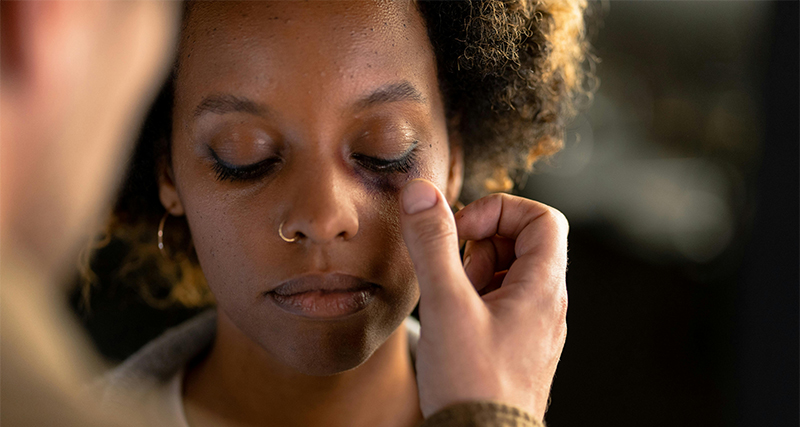
Woman with a black eye being gently examined by another person, suggesting concern and emotional support.

Black Eye Emotional and Social Considerations

Black Eye Emotional and Social Considerations While a black eye is usually temporary, the emotional impact can be significant — especially when it is linked to violence, bullying, or embarrassment. Read more about black eye emotional and social considerations below. Psychological effects: Domestic violence and black eyes: What you can do: Support resources in South Africa: Workplace and school considerations: Black Eye Emotional and Social Considerations Even if the cause is not violence-related, a black eye can affect confidence, participation, and mood. Offering understanding, space, and time to heal — both physically and emotionally — is key. 👉 [End of Series | Back to Overview]

Black Eye Emotional and Social Considerations Read More »

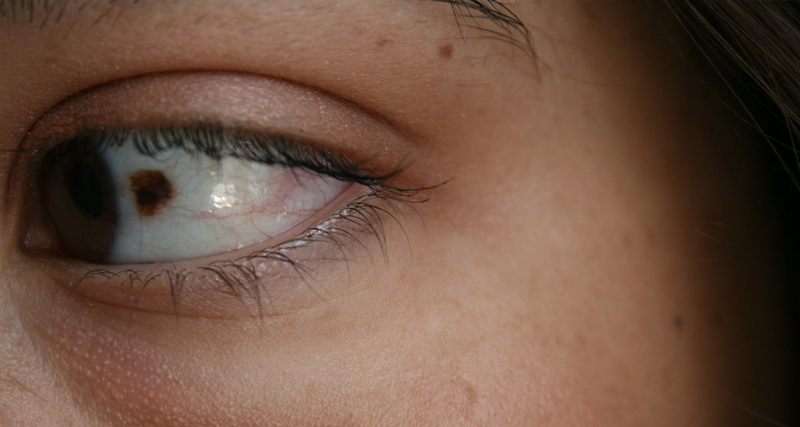
Close-up of an eye with a visible birthmark on the sclera, highlighting the personal and emotional aspects of facial birthmarks.

Emotional and Social Impact of Birthmarks

Emotional and Social Impact of Birthmarks While most birthmarks are medically harmless, their emotional and psychological impact can be significant, especially when located in visible areas or when large in size. Stigma, bullying, and self-consciousness can affect children and adults alike. Read more about the emotional and social impact of birthmarks below. In children: Teenagers: Adults: Support strategies: In South Africa, birthmarks may carry cultural myths or superstitions, ranging from being “blessed” to being “cursed.” These beliefs can be harmful if they prevent proper medical care or cause shame. Health professionals should address such views sensitively while promoting factual information. The emotional journey of living with a birthmark is deeply personal. For many, a blend of acceptance, support, and treatment can help them feel seen, valued, and empowered. 👉 [End of Series | Back to Overview]

Emotional and Social Impact of Birthmarks Read More »

Collage of fragmented facial expressions, representing the emotional highs and lows associated with bipolar disorder.

Bipolar Disorder

Bipolar Disorder Overview Bipolar disorder is a lifelong mental health condition that causes extreme shifts in mood, energy, and activity levels, ranging from emotional highs (mania or hypomania) to lows (depression). These mood episodes are more intense and disruptive than typical mood swings and can severely affect a person’s ability to function in daily life. Previously known as manic depression, this condition affects approximately 1–2% of the global population, though many more remain undiagnosed. It affects both men and women equally, often starting in the late teens to early 30s. There are several types of bipolar disorder: Common symptoms include: This condition is not a character flaw or personal weakness. It is a medical condition rooted in brain chemistry, genetics, and environmental factors. In South Africa, cultural misunderstanding, stigma, and limited access to psychiatric care can delay diagnosis and treatment. Many people live for years with untreated symptoms, leading to relationship breakdowns, financial hardship, and emotional turmoil. With proper treatment, people with bipolar disorder can lead full, productive, and stable lives. 👉 [Next: Causes and Risk Factors of Bipolar Disorder]

Bipolar Disorder Read More »

Medical chart with the words "Bipolar Disorder," surrounded by blue and white capsules, syringe, and ECG printout.

Causes and Risk Factors of Bipolar Disorder

Causes and Risk Factors of Bipolar Disorder The exact causes and risk factors of bipolar disorder remain unknown, but research points to a combination of genetic, biochemical, and environmental influences. It is not caused by a single event, but certain factors increase the risk of developing the condition or triggering an episode. 1. Genetics and family history 2. Brain structure and chemistry 3. Environmental and psychological stressors 4. Sleep disturbances 5. Co-existing conditions In South Africa, social challenges such as poverty, violence, stigma, and limited access to consistent mental health care can increase both the risk and severity of bipolar disorder. Many people go undiagnosed or are mislabelled as “moody,” “possessed,” or “difficult,” particularly in rural or under-resourced settings. Causes and Risk Factors of Bipolar Disorder Understanding the causes helps reduce blame and improve empathy — bipolar disorder is a brain illness, not a behavioural choice. 👉 [Next: Diagnosis of Bipolar Disorder]

Causes and Risk Factors of Bipolar Disorder Read More »

Man shouting at a distressed woman, illustrating emotional conflict and tension related to bipolar disorder complications.

Complications and Living with Bipolar Disorder

Complications and Living with Bipolar Disorder When untreated or poorly managed, bipolar disorder can lead to serious consequences — but when treated properly, many people thrive in their careers, relationships, and personal goals. Read more about the complications and living with bipolar disorder below. Potential complications include: Suicide risk is notably higher in bipolar disorder, especially during depressive or mixed episodes. It’s vital to treat depressive symptoms seriously and maintain consistent psychiatric follow-up. Daily life with bipolar disorder requires: Empowerment tips: In South Africa, those in rural areas or lower-income settings may face added challenges in accessing therapy, stable medication supplies, or consistent care. Advocacy for universal mental health access and better integration of services is ongoing. Complications and Living with Bipolar Disorder While bipolar disorder is a lifelong condition, it does not define your life. With the right tools, support, and treatment, living well is absolutely achievable. 👉 [End of Series | Back to Overview]

Complications and Living with Bipolar Disorder Read More »

Person eating fast food and sugary snacks, surrounded by fizzy drinks and pastries, representing binge eating disorder (BED) behaviour.

Binge Eating Disorder

Binge Eating Disorder Overview Binge Eating Disorder (BED) is a serious mental health condition that involves repeated episodes of eating large quantities of food, often quickly and to the point of discomfort. Unlike bulimia, individuals with BED do not regularly engage in purging behaviours (e.g., vomiting or excessive exercise), which often leads to physical and emotional health challenges. BED is the most common eating disorder worldwide, affecting people of all ages, genders, body types, and backgrounds. The DSM-5 formally recognised it as a distinct diagnosis in 2013. Many people with BED struggle in silence due to shame, misunderstanding, or misdiagnosis. Core features of binge eating disorder: Binge episodes often occur in private and may be planned or impulsive. Foods consumed tend to be high in sugar, fat, or carbohydrates. People may eat even when they’re not hungry or continue eating past the point of fullness. Emotional signs of binge eating disorder include: In South Africa, cultural taboos, weight stigma, and limited mental health access can make BED harder to detect and treat. People often struggle with BED for years before seeking help, especially when their weight looks “normal” or others wrongly assume they simply “overeat.” BED is not about willpower or laziness. Brain chemistry, emotional regulation, and often past trauma or stress cause this legitimate psychiatric disorder. With the right treatment, recovery is absolutely possible. Understanding the condition is the first step toward healing. 👉 [Next: Causes and Risk Factors of Binge Eating Disorder]

Binge Eating Disorder Read More »

List of synonyms for binge eating, including overeating, gluttony, and overconsumption, highlighting language associated with disordered eating.

Causes and Risk Factors of Binge Eating Disorder

Causes and Risk Factors of Binge Eating Disorder The causes and risk factors of binge eating disorder of binge eating disorder are complex and multifactorial, involving a mix of biological, psychological, and environmental factors. Understanding these can help reduce stigma and promote compassionate, effective support. Biological and genetic causes: Psychological risk factors: Environmental and social triggers: Cultural influences: Causes and Risk Factors of Binge Eating Disorder Diet culture, common in both Western and South African society, can also fuel BED. Constant focus on restriction, “good” vs. “bad” foods, or rapid weight loss sets the stage for binge-restrict cycles. Not everyone with BED fits a stereotype. It affects people of all sizes and races — and anyone who feels trapped in cycles of eating, guilt, and secrecy deserves professional support. 👉 [Next: Diagnosis of Binge Eating Disorder]

Causes and Risk Factors of Binge Eating Disorder Read More »

Scroll to Top