Mental Matters

Mental Health

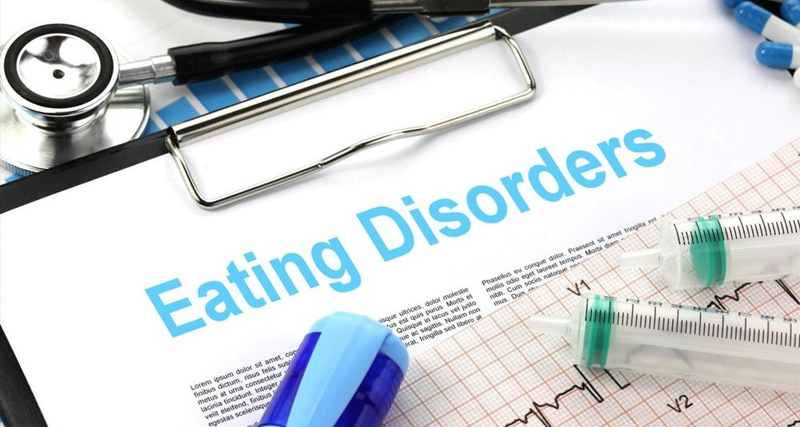
Medical chart with the words “Eating Disorders” surrounded by stethoscope, syringe, and ECG, symbolising clinical diagnosis of binge eating disorder.

Diagnosis of Binge Eating Disorder

Diagnosis of Binge Eating Disorder Diagnosis binge eating disorder involves assessing both eating behaviours and emotional patterns. A medical or mental health professional, such as a GP, psychologist, or psychiatrist, can make the diagnosis using criteria from the DSM-5. Diagnostic criteria for BED include: Assessment process: What BED is not: In South Africa, BED often goes undiagnosed. Cultural stigma, limited access to mental health professionals, and the tendency to equate eating disorders only with thinness can delay recognition. Diagnosis of Binge Eating Disorder Early diagnosis helps prevent worsening health, both mental and physical. If you suspect you or someone you love may have BED, speak to a doctor, psychologist, or dietitian experienced in eating disorders. 👉 [Next: Treatment of Binge Eating Disorder]

Diagnosis of Binge Eating Disorder Read More »

Young woman looking distressed after eating, symbolising emotional struggle and the need for treatment of binge eating disorder.

Treatment of Binge Eating Disorder

Treatment of Binge Eating Disorder Treatment of binge eating disorder focuses on restoring a healthy relationship with food, addressing emotional triggers, and treating any co-existing mental or physical health concerns. The most effective approaches combine psychological therapy, nutritional support, and sometimes medication. 1. Psychological therapies 2. Nutritional counselling 3. Medication 4. Group therapy and support groups Access in South Africa: Treatment of Binge Eating Disorder Recovery is absolutely possible. With time, support, and consistency, individuals can reduce or eliminate binge episodes and learn to eat and live without guilt or secrecy. 👉 [Next: Complications and Living with Binge Eating Disorder]

Treatment of Binge Eating Disorder Read More »

Man holding excess abdominal fat, symbolising health complications related to binge eating disorder and weight gain.

Complications and Living with Binge Eating Disorder

Complications and Living with Binge Eating Disorder When left untreated, BED can have serious physical, psychological, and social consequences. However, with proper support, individuals can achieve recovery and rebuild a healthy, fulfilling life. Learn more about the complications and living with binge eating disorder below. Physical complications: Mental health complications: Social and emotional impact: Living with BED means navigating: Positive steps in recovery: Complications and Living with Binge Eating Disorder In South Africa, mental health is slowly gaining recognition. More professionals are being trained in eating disorder treatment, but stigma, affordability, and awareness gaps remain. You are not alone. BED is real, treatable, and recovery is possible — with dignity, compassion, and support. 👉 [End of Series | Back to Overview]

Complications and Living with Binge Eating Disorder Read More »

Anorexia Nervosa

Anorexia Nervosa Overview

An Overview on Anorexia Nervosa Anorexia nervosa is a serious and potentially life-threatening eating disorder characterised by extreme food restriction, intense fear of gaining weight, and a distorted body image. People with anorexia severely limit their calorie intake, may exercise excessively, and often have an obsessive preoccupation with body shape and weight. This disorder affects both males and females, but is more common in teenage girls and young women. However, increasing numbers of boys, men, and older adults are being diagnosed globally, including in South Africa. Despite being underweight, individuals with anorexia often perceive themselves as overweight and continue to lose weight even when it puts their health at risk. This has the highest mortality rate of all mental health disorders, due to both medical complications and suicide. Key signs and symptoms: Recovery from Anorexia Nervosa Anorexia is a complex mental health condition involving psychological, environmental, and biological factors. Recovery is possible with early diagnosis and comprehensive treatment. 👉 [Next: Causes and Risk Factors of Anorexia Nervosa] Dr Susannah Rose Psychotherapist London Treatment for Anorexia Nervosa Complications of Anorexia Nervosa Diagnosis of Anorexia Nervosa

Anorexia Nervosa Overview Read More »

Getting Urgent Help for Mental Health in South Africa

Getting Urgent Help for Mental Health in South Africa

If you or someone you care about is experiencing a mental health crisis, it’s essential to know that help is available — and you don’t have to face it alone. Whether you’re feeling overwhelmed, suicidal, or are supporting someone in distress, there are trained professionals and organisations ready to support you. Get Urgent Mental Health Help If you’re in crisis and need immediate support, call 0800 456 789 toll-free to reach the Suicide Crisis Helpline, available 24/7. This service is run by the South African Depression and Anxiety Group (SADAG). You can also reach out via SMS at 31393, or WhatsApp SADAG on 087 163 2030 (Monday to Sunday, 8am–5pm) for free support and advice. If someone’s life is in danger — whether they have harmed themselves or are at risk of doing so — call 10111 for emergency services or go to your nearest hospital emergency room immediately. Speak to a GP or Mental Health Professional If your situation is not immediately life-threatening but you need help: Free and Confidential Support Services There are several helplines and listening services offering confidential support, even if you’re not sure what you’re going through: 1. SADAG (South African Depression and Anxiety Group) 2. Childline South Africa (for children and teens) 3. Lifeline South Africa These services are free, confidential, and open to anyone, regardless of age, background, or situation. If You’re in Crisis But Not in Immediate Danger Sometimes you may not need emergency care, but you still need support getting through a difficult moment. There are tools and resources that can help you manage anxiety, panic attacks, suicidal thoughts, or feelings of hopelessness. Visit SADAG’s website for: Staying Safe (UK-based, but globally helpful) In Case of Emergency: Call 10111 or Go to Hospital Mental health emergencies are real emergencies. If: 👉 Call 10111 (South African Police Service) or👉 Go to the nearest hospital emergency department Hospital staff are trained to treat both physical and mental health emergencies. You may be referred to a psychiatry unit, crisis team, or inpatient care depending on your needs. What Happens in Emergency Mental Health Care? At the hospital, you’ll be assessed by a nurse or doctor. If they believe you need specialised mental health care, they may refer you to a: They may also create a treatment plan and help you access community-based services for follow-up care. Planning Ahead: Make a Mental Health Safety Plan Whether you’ve had suicidal thoughts, overwhelming anxiety, or just want to be prepared, creating a safety plan can be life-saving. Living with mental health challenges can feel isolating, but help is out there. South Africa has a growing number of support services, and even if you don’t know where to start, reaching out to just one helpline can open the door to support, care, and hope. 👉 Next: National and Provincial Mental Health Helplines in South Africa Reviewed April 2025. Always consult a professional for individual guidance. The Mind Space Counsellor Randburg Claremont Chiropractic Health Centre Claremont Daily Steps to Manage Depression Crisis and Support Helplines in South Africa

Getting Urgent Help for Mental Health in South Africa Read More »

Agoraphobia

Agoraphobia

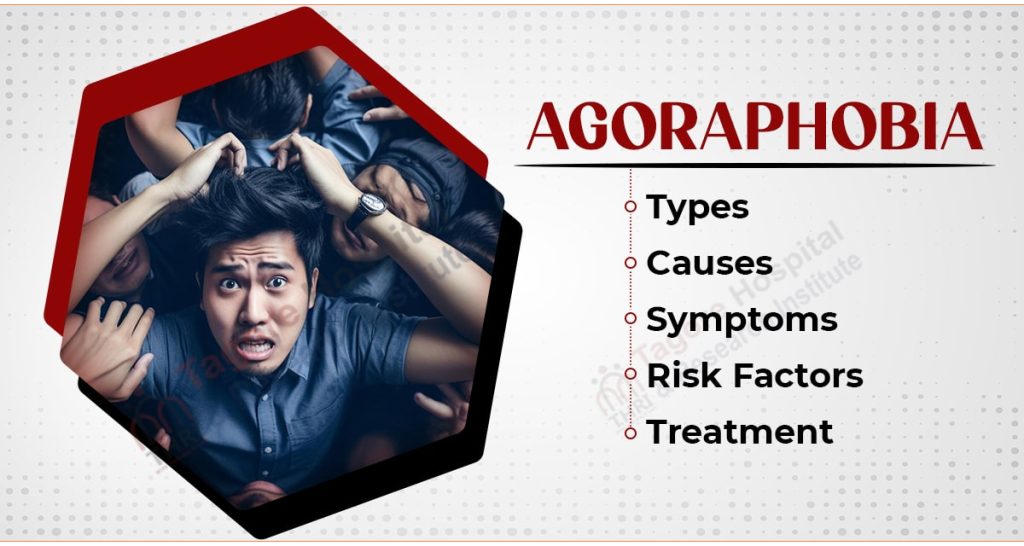
Agoraphobia Agoraphobia is more than just a fear of open spaces. It’s a complex anxiety disorder involving intense fear of situations where escape might be difficult or help might not be available during a panic attack. For people in South Africa and around the world, this condition can lead to isolation and severely limit quality of life. What is Agoraphobia? Agoraphobia involves avoiding places or situations such as crowded areas, public transport, malls, or even leaving home altogether. The fear is not always of the place itself, but of having a panic attack in a public setting with no way to escape or seek help. While commonly associated with panic disorder, agoraphobia can occur with or without panic attacks. It often begins in late adolescence or early adulthood and affects more women than men. Common Avoided Situations In South Africa, challenges like limited access to mental healthcare, social stigma, and transport issues can make this condition even more disabling. Fast Facts 🔹 Next → [Causes and Risk Factors of Agoraphobia] How to Support Someone During a Panic Attack Treatment Options for Agoraphobia Symptoms and Diagnosis of Agoraphobia Living with Agoraphobia – Coping and Support

Agoraphobia Read More »

Living with Agoraphobia

Living with Agoraphobia – Coping and Support

Living with Agoraphobia Living with agoraphobia presents daily challenges, but it’s possible to regain confidence and independence with the right tools, support, and mindset. This anxiety disorder can make even simple tasks — like shopping, commuting, or attending social events — feel overwhelming. However, many people gradually rebuild their freedom through structured coping strategies and compassionate support. In South Africa, the path to recovery may vary depending on access to mental health care, but progress remains possible for all. Practical Coping Strategies for Living with Agoraphobia Living with agoraphobia means taking consistent, manageable steps toward recovery. Rather than forcing drastic changes, progress often begins with small efforts. Some helpful coping strategies include: These strategies build momentum, allowing people to slowly expand their comfort zones and celebrate each success — no matter how small. Local Support Challenges and Solutions In South Africa, access to mental health support varies widely. Urban residents may benefit from private clinics and counselling services, while those in rural areas often rely on NGOs, community outreach, or public clinics. The South African Depression and Anxiety Group (SADAG) plays a vital role by offering national helplines, WhatsApp support, and online resources. For many, SADAG serves as the first point of contact when formal therapy isn’t available. Impact on Work and Education Agoraphobia can disrupt daily life in many ways: Where possible, employers and educational institutions should be informed. With support from a licensed mental health provider, individuals can request reasonable accommodations, such as remote work, flexible schedules, or gradual reintegration into school environments. Hope Through Help Recovery from agoraphobia may not follow a straight line — setbacks happen. But with the right combination of therapy, support, and patience, many people rediscover their strength. Living with agoraphobia doesn’t mean living without hope. Each small victory is a step toward a fuller, more independent life. Hope Therapy & Counselling Services Bath Agoraphobia Treatment Options for Agoraphobia Causes and Risk Factors of Agoraphobia Symptoms and Diagnosis of Agoraphobia

Living with Agoraphobia – Coping and Support Read More »

Causes and Risk Factors of Adult ADHD

Causes and Risk Factors of Adult ADHD

Causes and Risk Factors of Adult ADHD doesn’t develop suddenly in adulthood. It’s a lifelong condition, but symptoms may change or go unnoticed until responsibilities increase. Causes Risk Factors for Adults Causes and Risk Factors of Adult ADHD While anyone can have ADHD, access to diagnosis and treatment in South Africa is unequal. Urban areas with private care offer better services, while many rural patients remain undiagnosed. 🔹 Next → [Diagnosis and Screening for Adult ADHD]

Causes and Risk Factors of Adult ADHD Read More »

Treatment and Lifestyle Strategies of Adult ADHD

Treatment and Lifestyle Strategies of Adult ADHD

Treatment and Lifestyle Strategies of Adult ADHD Medical Treatment Treatment and Lifestyle Strategies of Adult ADHD All medications require monitoring by a qualified healthcare provider, especially in adults with heart conditions or anxiety. Non-Medical Interventions South African medical aids may cover certain medications, but access remains a barrier for many. 🔹 Next → [Living with ADHD – Relationships, Work, and Daily Life] Living with Bladder Pain Syndrome ADHD Tools, Books & Apps for Daily Life You’ve Got This! Take Control of Your Anxiet Understanding ADHD in Children and Young People

Treatment and Lifestyle Strategies of Adult ADHD Read More »

How Insight Timer Can Support Your Mental Health

Insight Timer App: Better Sleep, Focus, and Mental Health

If you’re struggling with anxiety, depression, or just need a way to calm your mind, the Insight Timer app is one of the most popular free meditation apps available. It offers a huge library of guided meditations, music tracks, and talks from therapists, psychologists, and mindfulness experts around the world. What makes it stand out? Unlike many apps, Insight Timer provides thousands of completely free resources — no payment required to access the basics. Whether you’ve got five minutes or 30, you can find something that fits your schedule and your mood. Features that support mental health: You can filter meditations by theme — like stress, grief, or motivation — or by how much time you have. This makes it a flexible tool to fit into your day, whether you’re in the middle of a rough patch or trying to build a new habit. Why the Insight Timer app helps with depression Meditation won’t “fix” depression overnight, but regular mindfulness practice has been shown to reduce symptoms, improve emotional regulation, and promote better sleep. For many, it becomes a moment of calm in a chaotic day. How to get started Download Insight Timer app on iOS or Android, or use it directly from their website. You don’t need to sign up right away, but creating an account lets you save favourites and track your progress. Final thoughts Using the Insight Timer app doesn’t replace therapy or medication, but it can complement your treatment plan and help you feel more grounded. It’s free, easy to use, and there’s something powerful about taking five minutes just to breathe. Reviewed April 2025. Always consult a professional for individual guidance. Back in Action Physiotherapy Cape Town Great Apps for Learning and Communication with Autism Different Types of Meditation Smiling Mind: Free Guided Meditations for the Whole Family ADHD Tools, Books & Apps for Daily Life

Insight Timer App: Better Sleep, Focus, and Mental Health Read More »

Scroll to Top