Mental Matters

Author name: admin

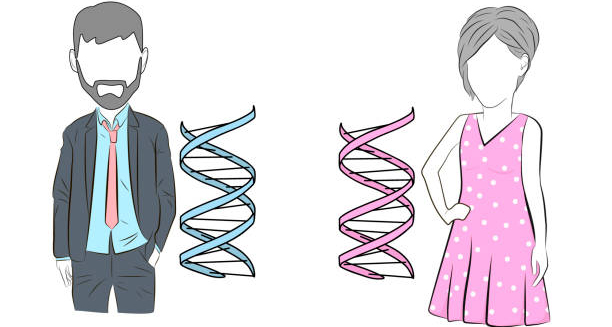
Illustration representing the biological and psychological causes of gender dysphoria

Causes of Gender Dysphoria

Causes of Gender Dysphoria The causes of gender dysphoria are not fully understood. Gender dysphoria is believed to result from a complex interplay of biological, psychological, and social factors. While researchers continue to study the condition, no single explanation accounts for all cases, and each individual’s experience is unique. Biological Factors Some researchers suggest a link between gender dysphoria and Prenatal hormone exposure, which may affect brain development related to gender identity Genetic influences, with certain patterns observed in family or twin studies Brain structure variations, as seen in some imaging studies of transgender individuals However, these biological markers are not definitive, and they vary from person to person. Psychological and Identity Development A person’s internal sense of gender typically develops in early childhood If a child’s sense of self consistently differs from the gender roles expected of them, they may experience discomfort For some, this incongruence persists into adolescence and adulthood, leading to gender dysphoria It’s important to note that having a non-conforming gender identity is not inherently distressing. The distress stems from the mismatch between identity and external realities, such as the body or social expectations. Social and Cultural Influences Societal norms and rigid gender roles can increase pressure on individuals who do not fit into traditional gender categories Stigma, discrimination, and lack of acceptance can heighten the emotional burden, contributing to mental health difficulties In more supportive environments, the intensity of dysphoria may lessen, even if the individual’s gender identity remains unchanged Trauma or Mental Health History? Researchers have found no evidence that trauma, abuse, or other psychiatric conditions cause gender dysphoria. While mental health issues like anxiety or depression may co-occur, they are usually a result of the distress associated with being misunderstood or unsupported—not the cause of the dysphoria itself. Causes of Gender Dysphoria Understanding the causes of gender dysphoria helps reduce stigma, informs compassionate care, and encourages a more holistic approach to gender-affirming treatment. [Next: Symptoms of Gender Dysphoria →]


Causes of Gender Dysphoria Read More »

Person experiencing gender dysphoria looking into a mirror

Symptoms of Gender Dysphoria

Symptoms of Gender Dysphoria The symptoms of gender dysphoria vary widely between individuals but generally involve intense discomfort related to one’s physical characteristics or societal gender roles. Gender dysphoria symptoms can be psychological, emotional, or physical and are more than just occasional doubts or dissatisfaction with gender norms. Emotional and Psychological Symptoms Persistent distress over the mismatch between one’s gender identity and assigned sex Anxiety, depression, or low mood related to body image or gender expectations Social withdrawal or difficulty forming relationships due to discomfort or fear of rejection Obsessive thoughts about transitioning or how one is perceived by others Feelings of isolation or “being trapped in the wrong body” These symptoms may fluctuate but are often chronic and cause significant distress or impairment. Physical Discomfort and Body Incongruence Strong aversion to secondary sex characteristics, such as facial hair, breasts, or genitalia Avoidance of mirrors, tight clothing, or situations where the body is exposed (like swimming) Attempts to alter appearance to reflect gender identity, including: Binding the chest Tucking Using clothing, hairstyles, or makeup to align with one’s experienced gender This discomfort may increase during puberty or in settings where gendered expectations are heightened. Social and Functional Impact Difficulty in work, school, or social settings due to misgendering or dysphoria Repeated desire to be recognised as a different gender Frequent comparisons with people of the experienced gender Changes in eating habits or body image to “correct” perceived mismatches For children, symptoms may include: Preference for toys, games, and clothing typically associated with another gender Insistence on being addressed with a different name or pronouns Distress when expected to conform to their assigned gender role When to Seek Support If the discomfort is persistent and distressing, professional help should be sought Early support and validation can reduce the risk of mental health issues Gender-affirming therapy and support networks often lead to improved self-esteem and functioning Symptoms of Gender Dysphoria Recognising the symptoms of gender dysphoria is the first step in creating a supportive environment where individuals can explore and express their identity safely. [Next: Diagnosis of Gender Dysphoria→]

Symptoms of Gender Dysphoria Read More »

Illustration representing gender dysphoria diagnostic identity split

Diagnosis of Gender Dysphoria

Diagnosis of Gender Dysphoria The diagnosis of gender dysphoria involves a careful assessment by a qualified healthcare professional, often a psychologist, psychiatrist, or GP with experience in gender identity issues. Gender dysphoria is not diagnosed simply based on gender nonconformity—it must involve clinically significant distress or impairment in social, occupational, or other areas of functioning. Diagnostic Criteria According to diagnostic manuals such as the DSM-5 (Diagnostic and Statistical Manual of Mental Disorders, Fifth Edition), the following criteria apply: For Adults and Adolescents: A marked incongruence between one’s experienced gender and assigned sex at birth, lasting at least six months The presence of at least two of the following: A strong desire to be of another gender A strong desire to be treated as another gender A strong dislike of one’s sexual characteristics A strong desire for the sexual traits of a different gender Conviction that one has the typical feelings and reactions of another gender The condition must cause significant distress or functional impairment For Children: Must show at least six consistent and persistent indicators, including: A desire to wear clothing of another gender Preference for toys, roles, or activities associated with another gender A strong dislike of their body A wish to be another gender or belief that they are In both groups, the emphasis is on persistence, insistence, and consistency. Assessment Process A clinical evaluation may include: A comprehensive interview to understand identity development, emotional well-being, and goals Mental health screening for coexisting conditions like anxiety or depression Involvement of family (especially with children and adolescents) Collaboration with gender-affirming care teams, including endocrinologists, therapists, and social workers Cultural and Social Context It is important for healthcare providers to assess gender dysphoria with sensitivity to: Cultural attitudes and expectations Personal safety and levels of community or family support The difference between identity exploration and dysphoric distress Diagnosis of Gender Dysphoria An accurate diagnosis of gender dysphoria allows individuals access to gender-affirming care, emotional support, and medical treatment pathways where appropriate. [Next: Treatment of Gender Dysphoria →]

Diagnosis of Gender Dysphoria Read More »

Treatment of Gender Dysphoria

Treatment of Gender Dysphoria

Treatment of Gender Dysphoria The treatment of gender dysphoria focuses on alleviating the distress caused by the mismatch between gender identity and assigned sex. Healthcare providers tailor gender dysphoria treatment to each individual.. Additionally, may include a combination of psychological support, social transition, hormone therapy, and surgical options, depending on personal goals. Psychological Support Gender-affirming counselling helps individuals explore their gender identity in a safe, non-judgemental space Therapy also addresses mental health challenges such as depression, anxiety, or trauma Support may be extended to families to help them understand and provide acceptance Group therapy and peer support groups can provide community and shared experience Importantly, the role of mental health professionals is not to “cure” dysphoria but to support informed decision-making and emotional well-being. Social Transition Involves adopting the name, pronouns, clothing, and roles that align with one’s gender identity Can include changes at work, school, or within family settings Social transition alone significantly improves self-esteem and reduces anxiety for many people Hormone Therapy For individuals seeking physical changes, hormone replacement therapy (HRT) is often pursued Oestrogen or testosterone may be prescribed under medical supervision Effects include: Breast development or voice deepening Fat redistribution Changes in hair growth and muscle mass Monitoring is essential to manage side effects and ensure safety Gender-Affirming Surgery Not all individuals choose surgery, but for some it is an essential part of care Procedures may include: Chest surgery (top surgery) Facial feminisation or masculinisation Genital reconstruction (bottom surgery) Surgery requires extensive assessment and informed consent Additional Support Services Voice therapy, hair removal, and fertility counselling may also form part of treatment Assistance with legal changes to documents is often provided through advocacy groups Treatment of Gender Dysphoria The treatment of gender dysphoria is not one-size-fits-all. Respecting autonomy and providing a comprehensive, affirming approach lead to the best long-term outcomes. [Next: Complications of Gender Dysphoria →]

Treatment of Gender Dysphoria Read More »

Complications of Gender Dysphoria

Complications of Gender Dysphoria

Complications of Gender Dysphoria The complications of gender dysphoria are largely driven by social stigma, lack of access to care, and prolonged distress. Gender dysphoria itself is not dangerous—but when left unrecognised or unsupported, it can lead to serious mental health and quality-of-life issues. Mental Health Risks People with untreated or unsupported gender dysphoria are at increased risk of: Depression and anxiety Social isolation or withdrawal Self-harm and suicidal thoughts Substance misuse as a coping mechanism Eating disorders, particularly among adolescents These complications are not inherent to being transgender or gender-diverse—they are linked to rejection, discrimination, and internalised stigma. Delayed Access to Care Long waiting lists, medical gatekeeping, or lack of provider training can delay treatment Individuals may resort to unsafe alternatives, such as unregulated hormones or body modification This increases the risk of medical complications, including cardiovascular or liver issues from unsupervised hormone use Discrimination and Violence Trans and gender-diverse individuals face higher rates of: Bullying and harassment in schools or workplaces Housing or employment discrimination Hate crimes and physical violence, particularly against trans women and people of colour These experiences can compound emotional distress and reduce access to safe environments. Impact on Relationships and Education Gender dysphoria may disrupt family dynamics, especially where there is lack of understanding School or workplace attendance may suffer due to discomfort, misgendering, or fear of rejection Youth may face barriers to completing education or maintaining social connections Physical Health Issues Chronic stress linked to gender dysphoria may affect: Sleep and immune function Appetite and weight Management of chronic conditions like diabetes or high blood pressure Access to gender-affirming healthcare improves both physical and emotional health. Protective Factors Supportive families and communities Access to gender-affirming care Legal recognition and workplace inclusivity Education and advocacy that reduce stigma Complications of Gender Dysphoria Preventing the complications of gender dysphoria involves fostering respect, improving access to affirming services, and promoting acceptance in both healthcare and society. [Next: Back to Overview →]

Complications of Gender Dysphoria Read More »

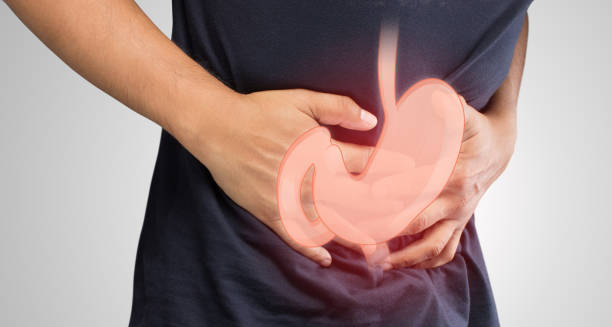
Person clutching stomach with illustrated digestive system overlay indicating stomach discomfort

Gastroparesis

Gastroparesis This condition, gastroparesis is a chronic digestive condition where the stomach muscles do not function properly, causing delayed emptying of food into the small intestine. This condition does not involve a blockage but rather results from impaired movement (motility) in the stomach, leading to symptoms such as nausea, bloating, vomiting, and early satiety. The stomach normally contracts to push food through the digestive tract. In people with gastroparesis, this movement is slowed or absent due to nerve or muscle dysfunction—most commonly involving the vagus nerve. This delay in gastric emptying causes food to remain in the stomach for too long, creating discomfort and nutritional issues. Gastroparesis This conditioncan affect anyone, but it is more common in women and individuals with long-standing diabetes. The condition can range from mild to severe, with symptoms that interfere with eating, digestion, and quality of life. While it is not curable, many people manage the condition through dietary changes, medication, and sometimes surgical intervention. Early recognition and personalised treatment are essential for improving symptoms and preventing complications of gastroparesis. [Next: Causes of Gastroparesis →]

Gastroparesis Read More »

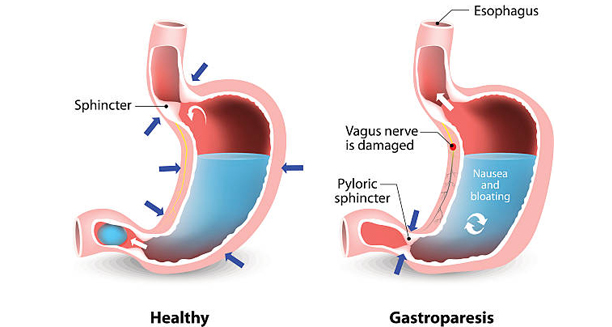
Medical illustration comparing a healthy stomach to one with gastroparesis highlighting vagus nerve damage

Causes of Gastroparesis

Causes of Gastroparesis Gastroparesis occurs when the stomach’s normal muscle or nerve function becomes disrupted, preventing food from moving efficiently through the digestive tract. This dysfunction stems from various underlying conditions, each affecting the digestive system in different ways. Diabetes Among all known causes, diabetes stands out as the most common contributor to gastroparesis. Over time, persistently high blood sugar levels can damage the vagus nerve, which plays a crucial role in triggering the stomach’s muscle contractions. As the nerve weakens, stomach motility slows down significantly. In addition to nerve damage, high blood sugar levels interfere with the body’s digestive hormones, further hindering the emptying process. People with poorly controlled type 1 or type 2 diabetes are especially at risk. Idiopathic (Unknown Cause) In many instances, no identifiable cause is found, which leads to a diagnosis of idiopathic gastroparesis. Even though the exact trigger remains unclear, experts suspect that subtle nerve damage, autoimmune responses, or even lingering effects from viral infections could be responsible. Unfortunately, without a clear origin, treatment often focuses solely on managing symptoms. Post-Surgical Nerve Injury Certain surgical procedures can inadvertently damage the nerves responsible for stomach function. For example, operations involving the stomach, oesophagus, or adjacent organs may lead to gastroparesis if nerves such as the vagus nerve are affected. This scenario is especially common following surgeries like bariatric surgery, vagotomy, or fundoplication, where the risk of nerve disruption is significantly higher. In such cases, gastroparesis symptoms may appear after the body heals from surgery. Neurological and Autoimmune Disorders Several neurological and autoimmune conditions interfere with the stomach’s ability to function normally. These include: Each of these disorders impairs either the nerve signals or muscle responses required for proper digestion, often leading to chronic delays in gastric emptying. Viral Infections Sometimes, gastroparesis develops after a viral illness. Infections such as Epstein-Barr virus, cytomegalovirus, or rotavirus have been linked to either temporary or long-term digestive disruptions. Some individuals begin experiencing symptoms only after recovering from a stomach bug or respiratory infection, suggesting a post-viral onset of the condition. Medications Certain medications are known to slow down gastric emptying, particularly: In drug-induced cases, stopping or replacing the medication often leads to noticeable improvement. Therefore, identifying and addressing medication-related triggers is a key step in managing gastroparesis effectively. Causes of Gastroparesis Gaining a deeper understanding of what causes gastroparesis is essential for developing the most effective treatment plan. By identifying the underlying trigger—whether it’s diabetes, nerve damage, medication, or an unknown factor—healthcare providers can tailor interventions that not only relieve symptoms but also address the root cause. [Next: Symptoms of Gastroparesis →]

Causes of Gastroparesis Read More »

Woman sitting on the floor with her hand on her stomach, showing signs of abdominal discomfort

Symptoms of Gastroparesis

Symptoms of Gastroparesis The symptoms of gastroparesis are caused by delayed stomach emptying, which leads to a build-up of food and gastric secretions. Gastroparesis symptoms often fluctuate and can become worse after meals, making it difficult for people to eat normally or maintain adequate nutrition. Common Digestive Symptoms Nausea and vomiting – especially after eating Bloating and abdominal fullness Early satiety – feeling full after only a few bites Upper abdominal pain or discomfort Loss of appetite Vomiting may include undigested food from previous meals, as the stomach retains contents for longer than normal. Additional Signs Heartburn or acid reflux Fluctuations in blood sugar levels, especially in diabetics Weight loss, due to poor food intake or malnutrition Dehydration, in cases with frequent vomiting Fatigue or low energy, often from inadequate calorie and nutrient absorption Symptom Triggers Large or high-fat meals High-fibre foods that are harder to digest Eating quickly or lying down soon after eating Stress or fluctuating blood glucose levels in diabetic patients Symptom Severity Some people experience mild symptoms that are manageable with diet changes Others may have severe, persistent nausea and vomiting, requiring medical treatment or feeding tubes Symptoms may also come and go, with flare-ups triggered by illness, stress, or dietary slip-ups When to Seek Medical Advice If nausea, vomiting, or bloating lasts longer than a few days In cases of unexplained weight loss or poor appetite If you have diabetes and are experiencing unstable blood sugar despite treatment When symptoms interfere with daily activities or cause emotional distress Symptoms of Gastroparesis Recognising the symptoms of gastroparesis early allows for quicker diagnosis and treatment, which may prevent long-term complications like malnutrition, severe dehydration, or impaired blood sugar control. [Next: Diagnosis of Gastroparesis→]

Symptoms of Gastroparesis Read More »

Medical professional holding a stomach model and pointing with a tool

Diagnosis of Gastroparesis

Diagnosis of Gastroparesis The diagnosis of gastroparesis involves ruling out other gastrointestinal conditions and confirming delayed stomach emptying. Because gastroparesis shares symptoms with many other digestive disorders, it often requires a structured approach, including symptom history, blood tests, and imaging studies. Medical History and Physical Exam A thorough clinical evaluation includes: Discussion of symptoms, triggers, and timing—particularly in relation to meals Review of medical history, such as diabetes, recent infections, or surgeries Assessment of weight loss, bloating, or nutritional status Physical exam to check for abdominal distension or tenderness This initial consultation helps determine whether further testing is needed. Blood Tests Complete blood count (CBC) – to check for anaemia or signs of infection Electrolytes and kidney function – to identify dehydration or imbalances Thyroid function tests – to exclude hypothyroidism Blood glucose and HbA1c – especially important in diabetic patients While blood tests do not confirm gastroparesis, they help rule out other causes of symptoms. Gastric Emptying Studies The most reliable test for diagnosing gastroparesis is the gastric emptying scan: The patient eats a small meal containing a safe radioactive marker A scanner measures how quickly food leaves the stomach over four hours Delayed emptying confirms the diagnosis A normal result excludes significant gastroparesis, while mild, moderate, or severe delay can guide treatment decisions. Other Diagnostic Tools 1. Endoscopy Used to rule out blockages, ulcers, or inflammation May reveal retained food in the stomach 2. Ultrasound or CT scan Helps rule out structural abnormalities, gallstones, or pancreatitis 3. Wireless Motility Capsule Swallowed like a pill, this device measures pressure, temperature, and pH throughout the digestive tract Offers a detailed profile of motility from stomach to colon Diagnosis of Gastroparesis A confirmed diagnosis of gastroparesis allows healthcare providers to tailor treatment plans that reduce symptoms and improve long-term digestion and quality of life. [Next: Treatment of Gastroparesis →]

Diagnosis of Gastroparesis Read More »

Diagram of digestive system showing dietary treatments for gastroparesis

Treatment of Gastroparesis

Treatment of Gastroparesis Treatment of Gastroparesis Effectively treating gastroparesis involves relieving symptoms, enhancing gastric emptying, and preventing malnutrition. Although there is currently no cure for gastroparesis, many individuals manage the condition successfully by combining dietary adjustments, medication, and, in more severe cases, surgical interventions. Dietary Modifications To begin with, changing eating habits is often the most immediate and effective strategy: Additionally, it helps to chew food thoroughly, eat slowly, and remain in an upright position for at least one hour after each meal. These practices can significantly aid in gastric movement and digestion. Medications When dietary changes alone are not enough, medications can provide added relief. Treatment typically involves a combination of the following drug types: Blood Sugar Control For those with diabetes, maintaining tight glycaemic control becomes especially important. Elevated blood sugar levels slow down gastric emptying even further. As a result, patients may need to adjust their insulin regimens. In many cases, using continuous glucose monitors and short-acting insulin can help stabilise blood sugar levels more effectively, which in turn helps improve digestive function. Surgical and Advanced Therapies If the condition does not respond to medications and dietary changes, more advanced treatment options may be necessary: Because these approaches are invasive, doctors usually reserve them for severe cases where symptoms significantly impact quality of life and other treatments have failed. Treatment of Gastroparesis Ultimately, treating gastroparesis requires a personalised, multidisciplinary approach. Patients often need ongoing adjustments to their treatment plan and regular communication between their dietitian, gastroenterologist, and endocrinologist. With the right support and management, many people with gastroparesis can lead more comfortable and nutritionally balanced lives. [Next: Complications of Gastroparesis →]

Treatment of Gastroparesis Read More »

Scroll to Top