
Mental Matters

Author name: admin

Woman clutching her stomach due to complications from gastroparesis

Complications of Gastroparesis

Complications of Gastroparesis The complications of gastroparesis arise from long-term delays in stomach emptying, poor intake of nutrition, and unstable blood sugar levels. Gastroparesis can seriously affect quality of life and lead to a range of physical and emotional problems if not properly managed. Malnutrition The most common and serious complication Caused by: Reduced food intake due to nausea or being full too early Vomiting of food that did not digest properly Avoidance of ‘high calorie’ or ‘nutrient rich’ meals Leads to weight loss, muscle wasting, vitamin deficiencies, and general fatigue Dietary support and supplements may be necessary to maintain adequate nutrition. Severe Dehydration To vommit repeatedly causes loss of fluids and electrolytes Can lead to: Low blood pressure Dizziness or fainting Kidney strain or reduced kidney function IV fluid therapy is sometimes required during flare-ups. Uncontrolled Blood Glucose Particularly dangerous in patients with diabeties Delayed gastric emptying makes insulin timing unpredictable Leads to: Severe hypo- or hyperglycaemia Poor long-term diabetic control Greater risk of diabetic complications like neuropathy and eye disease Close coordination between diabetologists and gastroenterologists is essential. Bezoars Masses of undigested food that form in the stomach Can cause blockages, nausea, or infections May need to be removed endoscopically Bacterial Overgrowth Stagnant food in the stomach may encourage bacterial overgrowth Leads to further bloating, gas, and indigestion Antibiotics or probiotics may be prescribed to help balance gut flora. Emotional and Mental Health Effects Living with a chronic digestive disorder often causes: Depression and anxiety Social withdrawal or fear of eating in public Reduced enjoyment of food and daily activities Counselling and peer support groups may be helpful for emotional resilience. Reduced Quality of Life Ongoing fatigue, pain, unpredictable symptoms, and dietary restrictions significantly affect lifestyle People may struggle with work, travel, or social engagements Persistent gastroparesis may lead to feelings of hopelessness or loss of control Complications of Gastroparesis Addressing the complications of gastroparesis requires a holistic approach, focusing not only on symptom relief but also emotional well-being, nutrition, and long-term monitoring. [Next: Back to Overview →]

Complications of Gastroparesis Read More »

Woman clutching lower abdomen due to gastritis pain

Gastritis

Gastritis This condition, gastritis refers to inflammation of the stomach lining, which can occur suddenly (acute) or develop gradually over time (chronic). This condition may result in discomfort, bloating, nausea, or indigestion. While some cases are mild and short-lived, others can lead to serious complications if left untreated. The stomach lining protects the stomach wall from strong digestive acids. When acid weakens or damages the protective layer, it can irritate or erode the underlying tissue and cause inflammation. Common causes include infection with Helicobacter pylori (H. pylori), long-term use of non-steroidal anti-inflammatory drugs (NSAIDs), alcohol abuse, stress, and autoimmune disorders. Gastritis Most cases of gastritis respond well to treatment, particularly when the underlying cause is identified and addressed. However, persistent or untreated, this condition may lead to ulcers, bleeding, or an increased risk of stomach cancer. Recognising the signs of this condition early allows for timely intervention and long-term relief from symptoms. [Next: Causes of Gastritis →]

Gastritis Read More »

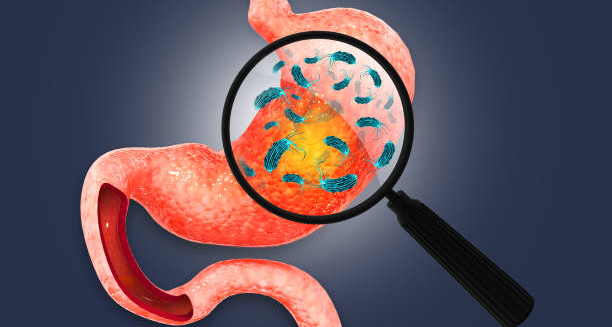
Bacterial infection in the stomach causing gastritis

Causes of Gastritis

Causes of Gastritis The causes of gastritis vary depending on the type and severity of inflammation. Gastritis usually results from damage to the stomach’s protective lining, often triggered by irritants, infections, or autoimmune activity. Understanding what causes gastritis helps in both prevention and targeted treatment. H. pylori Infection Helicobacter pylori is a spiral-shaped bacterium that infects the stomach lining It’s a leading cause of chronic gastritis worldwide Spreads through unclean food, water, or from one person to another contact Over time, H. pylori can weaken the mucosal barrier, causing inflammation and possibly ulcers Non-Steroidal Anti-Inflammatory Drugs (NSAIDs) Long-term use of NSAIDs like ibuprofen, naproxen, and aspirin can damage the stomach lining These medications interfere with prostaglandins, which help maintain the stomach’s protective layer The risk increases with higher doses or longer periods of use Alcohol and Smoking Excessive alcohol irritates the stomach lining and increases acid production Smoking slows the healing of the gastric mucosa and worsens existing inflammation Both are significant risk factors for chronic gastritis Stress-Related Gastritis Physical stress from major surgery, burns, or severe infections can cause acute gastritis Sometimes called “stress ulcers,” these occur when blood flow to the stomach lining is reduced Common in hospitalised or critically ill patients Autoimmune Gastritis The immune system mistakenly attacks the stomach’s parietal cells Leads to vitamin B12 deficiency and increased risk of pernicious anaemia Often associated with other autoimmune disorders like thyroid disease or type 1 diabetes Bile Reflux Occurs when bile flows back into the stomach from the small intestine This irritates the stomach lining and contributes to chronic gastritis May happen after gallbladder surgery or in people with gastrointestinal motility disorders Diet and Lifestyle Spicy foods and caffeine can worsen symptoms in some individuals, although they don’t directly cause gastritis Irregular eating habits, high stress, or skipping meals may also contribute to symptom flare-ups Causes of Gastritis Recognising the causes of gastritis enables healthcare providers to recommend effective lifestyle changes and treatment plans that reduce inflammation and promote healing. [Next: Symptoms of Gastritis →]

Causes of Gastritis Read More »

Woman holding stomach in pain from gastritis symptoms

Symptoms of Gastritis

Symptoms of Gastritis The symptoms of gastritis can range from mild discomfort to severe abdominal pain, depending on the cause and whether the condition is acute or chronic. Gastritis often mimics indigestion and may come and go, particularly when triggered by certain foods, alcohol, or medications. Common Symptoms Upper abdominal pain or burning – often described as gnawing or aching Nausea – may be worse after eating or first thing in the morning Bloating and fullness – especially after small meals Belching or hiccups Loss of appetite Indigestion – discomfort that feels like the food isn’t settling properly These symptoms may develop gradually or appear suddenly, particularly in acute cases caused by infections or NSAID use. Additional Symptoms Vomiting – sometimes containing blood (haematemesis) or material that resembles coffee grounds Black, tarry stools – may indicate internal bleeding Fatigue and weakness – particularly if gastritis leads to anaemia Unintentional weight loss – in more serious or long-term cases Not everyone with gastritis experiences obvious symptoms. In fact, chronic gastritis can remain silent for years, especially in older adults or people with H. pylori infection. Symptom Triggers Eating spicy, acidic, or fatty foods Drinking alcohol or caffeinated beverages Taking NSAIDs without food Emotional stress or physical illness Skipping meals or fasting Symptoms often improve with lifestyle changes and appropriate treatment, though persistent or worsening signs require further investigation. When to See a Doctor If symptoms last more than a week In cases of vomiting blood, black stools, or severe pain If you have a known H. pylori infection or long-term NSAID use When experiencing frequent indigestion, appetite loss, or unexpected weight changes Symptoms of Gastritis Identifying the symptoms of gastritis early helps reduce discomfort, prevent complications, and guide effective medical treatment. [Next: Diagnosis of Gastritis→]

Symptoms of Gastritis Read More »

Doctor comforting patient during gastritis diagnosis discussion

Diagnosis of Gastritis

Diagnosis of Gastritis The diagnosis of gastritis is based on a combination of medical history, physical examination, and diagnostic tests. Because gastritis shares symptoms with many other digestive disorders, accurate diagnosis is essential for effective treatment and prevention of complications. Medical History and Physical Exam The doctor will begin by: Asking about abdominal symptoms, including pain, bloating, nausea, and vomiting Reviewing the use of NSAIDs, alcohol, or tobacco Discussing any history of stress, infections, or chronic diseases like diabetes or autoimmune conditions Performing a physical examination to check for tenderness in the upper abdomen If symptoms are mild, the doctor may recommend empirical treatment before proceeding to further tests. Endoscopy The most accurate diagnostic tool for gastritis is upper gastrointestinal endoscopy (gastroscopy): A thin, flexible tube with a camera is inserted through the mouth into the stomach Allows direct visual inspection of the stomach lining Can detect signs of inflammation, erosion, ulcers, or bleeding Enables biopsies to be taken for lab analysis Biopsy samples can also test for H. pylori infection and rule out more serious conditions such as cancer. H. pylori Testing If H. pylori is suspected, several tests may be used: Urea breath test – detects H. pylori activity in the stomach Stool antigen test – looks for bacterial proteins in faeces Blood test – checks for antibodies, though less reliable for current infection Biopsy during endoscopy – confirms the presence of H. pylori and assesses for chronic gastritis or precancerous changes Blood Tests Complete blood count (CBC) – may show signs of anaemia due to bleeding or B12 deficiency Vitamin B12 levels – low levels suggest autoimmune gastritis Inflammatory markers – sometimes elevated in acute cases Imaging (Rarely Required) Abdominal X-ray or CT scan – occasionally used to rule out other conditions like perforation or obstruction Imaging is not routinely required unless serious complications are suspected Diagnosis of Gastritis A timely and accurate diagnosis of gastritis helps guide appropriate therapy, detect underlying infections, and prevent progression to ulcers or malignancy. [Next: Treatment of Gastritis →]

Diagnosis of Gastritis Read More »

Doctor explaining gastritis treatment using stomach model

Treatment of Gastritis

Treatment of Gastritis The treatment of gastritis depends on the underlying cause, symptom severity, and whether the condition is acute or chronic. Most people with gastritis respond well to a combination of medications, lifestyle changes, and—in the case of bacterial infection—antibiotic therapy. Medications 1. Proton Pump Inhibitors (PPIs) Reduce stomach acid production and promote healing of the lining Common examples include omeprazole, lansoprazole, and pantoprazole Usually taken for 4–8 weeks, depending on severity 2. H2-Receptor Blockers Alternative to PPIs, with similar effect but slightly milder Examples: ranitidine (withdrawn in many countries), famotidine 3. Antacids Provide short-term relief by neutralising existing stomach acid Useful for mild, infrequent symptoms 4. Antibiotics Used to eradicate H. pylori if present Common regimen includes a combination of two antibiotics (e.g. clarithromycin and amoxicillin) plus a PPI Full course must be completed to prevent resistance Treatment of Autoimmune Gastritis Requires vitamin B12 injections to correct deficiency Ongoing monitoring for anaemia and stomach cancer risk is essential Immunosuppressants may be used in rare severe cases Lifestyle and Dietary Modifications Avoid spicy, acidic, and greasy foods that trigger symptoms Limit caffeine, alcohol, and smoking Eat smaller, more frequent meals Avoid eating late at night or lying down immediately after meals Manage stress through exercise, relaxation techniques, or counselling Natural and Supportive Therapies Probiotics may help balance gut bacteria, particularly after antibiotic use Treatment of Gastritis Herbal remedies such as liquorice root or chamomile tea may offer mild soothing effects—though medical advice should be sought before use Most patients with gastritis experience relief within a few weeks of starting treatment. Persistent or recurrent cases may require further investigation or long-term acid suppression therapy. [Next: Complications of Gastritis →]

Treatment of Gastritis Read More »

Woman in discomfort from gastritis complications outdoors

Complications of Gastritis

Complications of Gastritis The complications of gastritis can range from minor uncomfortable cases to serious health risks, especially if the condition is left untreated. Gastritis can erode the stomach lining, which will allow acid to cause deeper damage and making the stomach more vulnerable to infection, bleeding, and cancerous changes. Peptic Ulcers Untreated gastritis may lead to ulcers in the stomach or duodenum Symptoms include burning pain, nausea, vomiting, and sometimes bleeding May cause perforation in severe cases, leading to a life-threatening emergency Internal Bleeding Inflamed or eroded stomach lining can cause bleeding Signs include: Vomiting blood (haematemesis) Black, tarry stools (melena) Fatigue or shortness of breath, particularly in cases of slow, chronic bleeding Blood transfusions and endoscopic intervention may be required in severe cases. Anaemia Ongoing blood loss can lead to iron-deficiency anaemia Autoimmune gastritis may cause pernicious anaemia by reducing absorption of vitamin B12 Symptoms include weakness, pale skin, tingling in hands and feet, and cognitive changes Stomach Cancer Chronic gastritis, particularly caused by H. pylori or autoimmune activity, increases the risk of: Gastric adenocarcinoma MALT lymphoma (a type of cancer affecting stomach lymphoid tissue) Regular monitoring and eradication of H. pylori reduce the long-term cancer risk Delayed Gastric Emptying (Gastroparesis) Chronic inflammation may interfere with stomach motility Can cause bloating, fullness, and nausea, especially after meals Most common in people with diabetes-related gastritis Quality of Life Impact Recurrent symptoms may affect appetite, sleep, and emotional wellbeing Many people with chronic gastritis also experience anxiety about eating or develop food avoidance patterns Psychological support and nutritional guidance are often beneficial Complications of Gastritis Preventing the complications of gastritis involves early diagnosis, effective treatment, and lifestyle adjustments to reduce stomach irritation and support healing. [Next: Back to Overview →] Discover the common complications of gastritis, their causes, symptoms, and how they can impact your digestive health. Ask ChatGPT

Complications of Gastritis Read More »

Ganglion cyst on the wrist of a human hand

Ganglion Cyst

Ganglion Cyst A ganglion cyst is a fluid-filled lump that typically forms near joints or tendons, most commonly around the wrist, hand, or fingers. This cysts are non-cancerous and usually harmless, though they can cause discomfort, pain, or interfere with movement—especially if they press on a nearby nerve. These cysts are filled with a thick, jelly-like fluid known as synovial fluid, which helps lubricate joints. They vary in size and may get larger with increased joint activity. Some appear suddenly, while others develop slowly over time. These cysts are most common in people aged 20 to 50 and tend to occur more often in women than in men. While the exact cause is unknown, they are thought to be linked to joint irritation, repetitive strain, or injury. Ganglion Cyst Although many cysts resolve on their own, others may require treatment, especially if painful or affecting hand function. Understanding this cyst helps individuals make informed decisions about diagnosis, management, and possible treatment options. [Next: Causes of Ganglion Cyst →]

Ganglion Cyst Read More »

Diagram showing ganglion cyst development on wrist tendons and joints

Causes of Ganglion Cyst

Causes of Ganglion Cyst The causes of ganglion cyst formation are not fully understood, but several theories suggest they arise from joint or tendon irritation. Ganglion cysts seem to develop when synovial fluid escapes from a joint or tendon sheath and collects in a pouch or sac, forming a lump beneath the skin. Joint and Tendon Overuse Repetitive wrist or finger movement—especially in activities like typing, sewing, or using tools—may cause microtrauma to the joint lining This repeated strain might lead to fluid leakage from the joint, resulting in a ganglion cyst Manual labourers, musicians, and athletes are at higher risk Joint or Tendon Injury A previous injury or sprain may weaken the joint capsule or tendon sheath The damaged area becomes a weak point, where fluid can accumulate and form a cyst Even minor injuries can result in cyst formation months or years later Underlying Joint Conditions Individuals with osteoarthritis or other joint conditions may be more prone to developing ganglion cysts These conditions lead to degeneration or irritation of joint tissues, increasing the likelihood of cyst formation Age and Gender Most common between ages 20 and 50 Occur more frequently in women, potentially due to hormonal factors or increased exposure to repetitive hand use Unknown Causes In some cases, ganglion cysts develop without any clear cause This makes prevention difficult, although proper joint care and avoiding overuse may reduce the risk Causes of Ganglion Cyst Understanding the causes of ganglion cyst helps in recognising who is most at risk and why certain activities or conditions may contribute to their development. [Next: Symptoms of Ganglion Cyst →]

Causes of Ganglion Cyst Read More »

Finger pointing at a lump on the wrist, indicating a ganglion cyst

Symptoms of Ganglion Cyst

Symptoms of Ganglion Cyst The symptoms of ganglion cyst depend on its size, location, and whether it presses on nearby structures like nerves. Ganglion cysts often appear as visible lumps under the skin, especially on the wrist or fingers, and may vary in how much discomfort they cause. Visible Lump Usually presents as a round or oval-shaped bump beneath the skin The size may range from a pea to a marble, and may increase or decrease over time Located most commonly on: Back or front of the wrist Base of the fingers or thumb Top of the foot or ankle The lump is generally smooth, firm, and may feel tender to pressure. Pain or Discomfort Many ganglion cysts are painless, especially if small Larger cysts or those pressing on a nerve can cause: Dull ache or throbbing pain Weakness or tingling in the affected area Limited joint movement or stiffness Pain often worsens with activity and improves with rest. Fluctuating Size Cysts may change in size, depending on joint use or pressure Some may disappear on their own, only to return later Others remain stable in size for long periods Functional Limitations May interfere with gripping, typing, or hand strength Cysts near tendons may cause a sensation of “snapping” when moving the joint When to Seek Medical Advice If the cyst is painful, growing, or affecting joint function If there is redness, warmth, or signs of infection (rare) If you’re unsure whether the lump is a ganglion cyst or something more serious Symptoms of Ganglion Cyst Recognising the symptoms of ganglion cyst allows for timely medical evaluation and appropriate management to avoid discomfort or impaired hand function. [Next: Diagnosis of Ganglion Cyst→]

Symptoms of Ganglion Cyst Read More »

Scroll to Top