Mental Matters

Author name: admin

Diagnosis of Marfan Syndrome

Diagnosis of Marfan Syndrome

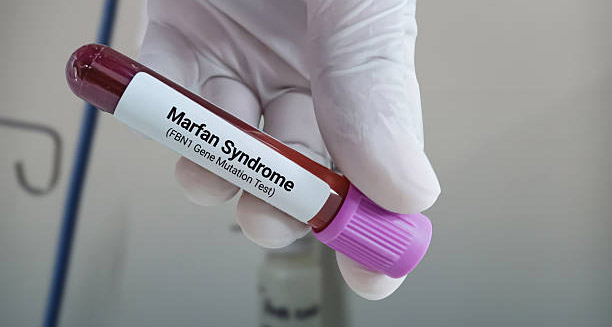
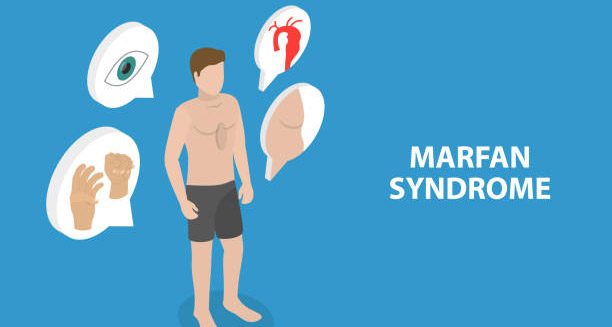
Diagnosis of Marfan Syndrome The Diagnosis of Marfan Syndrome is a complex process that integrates physical examination, family history, specialised imaging, and sometimes genetic testing. Due to its variable presentation and overlapping features with other connective tissue disorders, reaching an accurate Diagnosis of Marfan Syndrome requires a careful, multidisciplinary approach. While some cases are evident early in life due to striking physical features, others go undiagnosed until adulthood, especially when cardiovascular or ocular symptoms develop. Early diagnosis can be life-saving, as it enables proactive monitoring and management of potentially fatal complications such as aortic dissection. The Ghent Criteria: A clinical gold standard Doctors use the internationally accepted Ghent Nosology to guide diagnosis. Updated in 2010, it highlights two main features: If either of these is found, and genetic testing or body signs also suggest Marfan syndrome, the diagnosis is supported. When a family history exists, doctors may lower the diagnostic threshold slightly. This is because Marfan syndrome often runs in families. First steps in clinical evaluation The first step in the Diagnosis of Marfan Syndrome involves a full check-up by a skilled doctor. This check-up includes several important parts: If many of these signs appear, more tests and genetic reviews often follow. Imaging studies: visualising structural changes Scans and images are key in confirming the Diagnosis of Marfan Syndrome. They help spot serious issues inside the body, even when no symptoms are present. 1. Echocardiography This heart scan is very important: 2. MRI or CT angiography These scans help when: 3. Spine imaging An MRI of the lower spine can show dural ectasia. This is when the fluid sac around the spine becomes wider—a common but silent sign of Marfan syndrome. 4. Eye imaging Doctors may use OCT or ultrasound scans to check for lens shift. They also check the back of the eye for signs of damage or retinal problems. Genetic testing and counselling Genetic tests now play a big role, especially when: Important notes: Even though it’s not always needed, this test gives useful details for family planning and risk checks. Family history: a critical component Marfan syndrome passes from parent to child. If one parent has it, each child has a 50% chance of getting it. Because of this: Systemic score: evaluating multi-system signs The updated Ghent criteria include a systemic score. This helps count how many body signs point to Marfan syndrome. Points go to signs like: If someone scores 7 or more, and other signs are also present, doctors strongly suspect Marfan syndrome. This scoring helps when signs are borderline, especially in young people. Differential diagnosis: ruling out similar conditions Many conditions look like Marfan syndrome, so doctors must rule them out: Condition Key Feature Loeys-Dietz Syndrome Twisted arteries, wide-set eyes, cleft palate, fast-growing aneurysms Ehlers-Danlos Syndrome Very stretchy skin, weak tissues, no aorta enlargement Homocystinuria Intellectual issues, blood clots, lens shift downward MASS phenotype Similar signs but no aorta or eye problems Stickler Syndrome Severe nearsightedness, eye damage, hearing loss, flat face Ruling out these helps because their treatments and risks differ from Marfan syndrome. When to suspect Marfan syndrome Doctors should think about the Diagnosis of Marfan Syndrome when these signs appear: General doctors, children’s doctors, eye doctors, and bone specialists must stay alert to these signs and refer when needed. Importance of early diagnosis Catching the Diagnosis of Marfan Syndrome early allows: Without diagnosis, people face a high risk of sudden death from a burst aorta. With early help and modern care, people with Marfan syndrome can live long, active lives. Summary: Diagnosis of Marfan Syndrome in a modern clinical setting The Diagnosis of Marfan Syndrome includes a full exam, imaging, systemic scoring, gene testing, and family checks. Doctors use the Ghent criteria to pull all these together. Signs like aorta enlargement, lens shift, flexible joints, body shape, and gene changes confirm the diagnosis. Finding it early saves lives and improves health for years to come. [Next: Treatment of Marfan Syndrome →]

Diagnosis of Marfan Syndrome Read More »

Treatment of Marfan Syndrome

Treatment of Marfan Syndrome

Treatment of Marfan Syndrome The treatment of Marfan syndrome is comprehensive and ongoing, focusing on preventing complications, improving quality of life, and preserving normal function across multiple systems in the body. Since Marfan syndrome is a genetic connective tissue disorder, it cannot be cured. However, with modern treatments, individuals can live full and relatively normal lives. The goal of treatment is to reduce the risk of life-threatening issues, like aortic dissection, while addressing musculoskeletal, ocular, and cardiovascular symptoms. Cardiovascular Management: The Cornerstone of Treatment The most important part of the treatment of Marfan syndrome is managing cardiovascular risks, especially aortic root dilation and dissection. Since the aorta is structurally weak in Marfan patients, it is more prone to enlarging and rupturing under pressure. Ophthalmic Treatment: Preserving Vision Marfan syndrome often affects the eyes, particularly causing lens dislocation (ectopia lentis), early-onset myopia, or retinal detachment. Eye care is an essential part of the treatment of Marfan syndrome. Musculoskeletal and Orthopaedic Management The skeletal issues in Marfan syndrome can cause pain, deformity, and functional limitations, such as scoliosis, pectus deformities, joint hypermobility, flat feet, and disproportionate limb length. Pulmonary and Neurological Care Other systems affected by Marfan syndrome also require care: Reproductive and Prenatal Considerations Women with Marfan syndrome who become pregnant face higher risks due to the added strain on the cardiovascular system. The treatment of Marfan syndrome includes: Genetic counselling is also advised due to the 50% chance of passing the condition on to children. Psychological Support and Quality of Life Living with Marfan syndrome can be emotionally challenging, especially for young individuals who may struggle with physical differences or lifestyle limitations. Treatment should therefore include: Multidisciplinary Care Team A comprehensive, lifelong treatment plan requires a team of specialists, including: Specialist Role Cardiologist Manages aortic monitoring, medications, and surgery planning Ophthalmologist Manages lens dislocation, myopia, and other eye issues Orthopaedic Surgeon Treats scoliosis, chest deformities, and joint issues Geneticist Provides diagnosis, family planning advice, and genetic counselling Physiotherapist Improves joint stability, posture, and mobility Psychologist Supports emotional well-being and coping mechanisms Gynaecologist Assists with reproductive health and high-risk pregnancy management Each specialist plays a key role in maintaining long-term health and stability. Lifestyle Modifications and Self-Care Patients are encouraged to: Advances in Treatment and Research Current research is exploring: Summary The treatment of Marfan syndrome is a lifelong, multi-layered approach that focuses on preventing complications, especially cardiovascular risks, while supporting overall health. Key elements of treatment include medications like beta-blockers and ARBs, regular monitoring, and surgery when necessary. With added support for the eyes, skeleton, lungs, and mental health, patients can lead fulfilling lives. Education, empowerment, and coordinated care are essential for improving outcomes and enhancing quality of life. [Next: Complications of Marfan Syndrome →]

Treatment of Marfan Syndrome Read More »

Complications of Marfan Syndrome

Complications of Marfan Syndrome

Complications of Marfan Syndrome The complications of Marfan syndrome can be wide-ranging, often affecting several systems in the body due to the disorder’s impact on connective tissue. While some complications can be managed with lifestyle changes or medical treatment, others pose significant risks and may require emergency care or surgery. Understanding these potential complications is crucial for timely management and long-term health. Cardiovascular Complications: The Greatest Threat Among the complications of Marfan syndrome, cardiovascular problems are the most serious and potentially life-threatening. The aorta and heart valves are particularly vulnerable due to the weakness in connective tissue. Ocular Complications: Vision-Threatening Issues The eyes are commonly affected in Marfan syndrome. These complications can significantly affect the quality of life and vision. Musculoskeletal Complications: Physical Strain and Deformity Marfan syndrome weakens bones and joints, leading to: Pulmonary Complications: Breathing Difficulties Although less common than heart issues, lung-related problems can also be significant in Marfan syndrome. Neurological Complications: Nerve and Spine Issues The connective tissue around the brain and spinal cord is also affected in Marfan syndrome, leading to specific neurological problems. Psychological and Emotional Complications Living with a chronic condition like Marfan syndrome can have a psychological impact. Reproductive and Pregnancy-Related Complications Women with Marfan syndrome may face additional risks during pregnancy. Long-Term Outlook and Quality of Life Despite many potential complications, early diagnosis, regular monitoring, and advances in medical care have greatly improved life expectancy and quality of life for individuals with Marfan syndrome. Many complications are preventable or manageable if caught early.With proper care, people with Marfan syndrome often live into their 70s or beyond.Lifelong surveillance and working with a specialist team are essential for staying ahead of complications.Patient education and empowerment lead to better self-monitoring and reduced emergency risks. Summary The complications of Marfan syndrome are varied and can affect nearly every major system in the body, from the heart and lungs to the eyes, spine, and joints. However, with early diagnosis and regular medical care, many of these complications can be managed or avoided. The most dangerous risks—like aortic dissection—require lifelong cardiovascular monitoring, while musculoskeletal and ocular complications can be managed with supportive therapies and surgery where necessary. Emotional and psychological support also plays a key role in long-term well-being. With the right care, individuals with Marfan syndrome can live healthy, fulfilling lives. [Next: Back to Overview →]

Complications of Marfan Syndrome Read More »

Scroll to Top