Mental Matters

Author name: admin

Complications of Mastocytosis

Complications of Mastocytosis

Complications of Mastocytosis Complications of mastocytosis can significantly affect an individual’s quality of life, depending on the severity, type, and progression of the disease. These problems can range from mild skin rashes to very serious reactions in the body. At first, the condition may look manageable. This is especially true in cutaneous mastocytosis, which often affects children. But complications of mastocytosis become more serious when the illness moves into systemic mastocytosis. At that stage, it may reach internal organs and cause long-term health problems or even cancer. So, it is very important to understand these problems early. Doing so helps people get proper treatment, make smart choices, and avoid serious risks later on. Anaphylaxis and Severe Allergic Reactions One of the most dangerous complications of mastocytosis is anaphylaxis. This is a fast and severe allergic reaction that can be deadly. In this case, mast cells release large amounts of histamine and other chemicals. These get released in the wrong way when exposed to things like insect stings, medicine, food, or even changes in weather. This sudden release causes serious symptoms. People may find it hard to breathe, their throat may swell, and their blood pressure may drop suddenly. This can lead to fainting or shock. People with this illness are often extra sensitive to allergens. Because of that, they may need to carry emergency medicines like adrenaline auto-injectors (such as EpiPen) all the time. The chance of repeat allergic attacks makes daily life harder. Patients must avoid triggers and check their health regularly. Even small triggers may cause very strong reactions. Gastrointestinal Issues in Systemic Cases The digestive system is often affected in systemic mastocytosis. This brings many upsetting symptoms, including stomach pain, loose stools, gas, nausea, and sometimes bleeding in the stomach or gut. These problems come from too many mast cells. They release chemicals like histamine, which upset the lining of the stomach and intestines. If this continues for a long time, it may lead to poor absorption of food. That can cause vitamin and mineral loss, weight loss, and tiredness. In children, it can stop normal growth. Things get even harder when mastocytosis is present along with other digestive issues. Conditions like irritable bowel syndrome (IBS) or inflammatory bowel disease (IBD) can make symptoms worse and harder to treat. Bone Health and Skeletal Problems Complications of mastocytosis can also affect bones. Mast cells have a role in how bones grow and change. When there are too many of them, bones can become thin (osteopenia) or weak (osteoporosis). This makes bones more likely to hurt or break. Some people may also develop spots on their bones where tissue is getting destroyed. These changes do not always go away and can cause long-lasting pain or weakness. That’s why regular bone checks, like DEXA scans, are so important. Both kids and adults with systemic mastocytosis may need these tests to protect their bones. Neurological and Cognitive Impacts Brain-related symptoms are less common but still serious. Some people feel mentally slow or “foggy.” Others may have trouble thinking clearly, get headaches, feel dizzy, or notice memory problems. These effects may happen because histamine can pass through to the brain or cause swelling. Sadly, many of these signs are wrongly blamed on stress or mental health problems. As a result, they may not be treated properly. The stress of having to deal with constant changes in symptoms makes things worse. For some, this leads to real anxiety or depression. So, treating both the body and the mind is key to managing these symptoms. Cardiovascular Complications of Mastocytosis The heart and blood vessels can also suffer due to mast cell chemicals like histamine. These cause the blood vessels to open too much. Because of this, patients may faint (syncope), feel their heart racing (palpitations), or even have irregular heartbeats. These signs may come on fast, without warning. This fear of sudden episodes can stop people from doing everyday things, like driving or going outside. Over time, this affects planning for the future. In the worst cases, during a strong allergic reaction, the heart can stop if not treated right away. Social and Mental Health Challenges Living with mastocytosis — especially the systemic form — can deeply affect mental and social life. Ongoing symptoms and fear of allergic attacks can make people feel alone or worried. Patients often feel that others don’t understand their illness. They might avoid social events or struggle at work or school. Some start to feel anxious all the time. Others may become depressed because of constant worry about food, medicine, or how they look. Children can face bullying if their skin looks different. This can hurt their self-confidence and school performance. Progression to Aggressive or Cancerous Forms In rare cases, complications of mastocytosis can lead to dangerous types. These include aggressive systemic mastocytosis (ASM) or mast cell leukemia (MCL). These are very serious and life-threatening. At this point, the number of mast cells becomes very high. Organs may stop working properly. Problems like liver failure, bone marrow damage, low red blood cells, and enlarged spleen can occur. These cases need strong treatments like chemotherapy, special targeted drugs, or even a bone marrow transplant. Sadly, the outlook is not good, so finding and treating these changes early is key. Pregnancy and Mastocytosis: Special Considerations Pregnancy can be tricky for women with this condition. Some do fine, but others may face early labour, stronger allergic reactions, or worsening of skin symptoms. There isn’t much research yet about how pregnancy changes the illness over time. Also, many of the usual medicines — like antihistamines and steroids — need to be adjusted to keep the baby safe. Even the act of giving birth might set off a big mast cell reaction. So, doctors must plan ahead to keep both mother and baby safe during delivery. Treatment Side Effects and Further Risks Medicines help control symptoms, but they can cause problems too. For example, steroids help with swelling but may weaken the immune

Complications of Mastocytosis Read More »

Overview of Mastitis

Overview of Mastitis

Overview of Mastitis Mastitis is an inflammatory condition of the breast tissue that most commonly affects breastfeeding women, though it can also occur in non-lactating women and, in rare cases, men. It typically presents as breast pain, swelling, redness, and warmth, often accompanied by flu-like symptoms such as fever and fatigue. While it may begin as a simple blockage in a milk duct, if left untreated, it can develop into a bacterial infection requiring medical intervention. Understanding mastitis is key for early recognition, effective treatment, and the prevention of complications like abscess formation or recurring infections. Understanding Mastitis: What It Is and Who It Affects Mastitis occurs when the breast tissue becomes inflamed, usually due to a build-up of milk or an infection. It is categorized into two main types: non-infectious mastitis and infectious mastitis. Non-infectious mastitis is often caused by milk stasis, where milk isn’t properly drained from the breast. If bacteria from the skin or the baby’s mouth enter the milk ducts through a cracked nipple, the condition may progress to infectious mastitis. Most cases of mastitis occur in lactating women, particularly within the first six to twelve weeks postpartum. However, it can develop at any stage of breastfeeding. This type is called lactational mastitis, and if not treated promptly, it can discourage women from continuing breastfeeding. Non-lactational mastitis is less common and may be linked to underlying breast conditions, smoking, or nipple piercings. Common Symptoms The hallmark symptoms of mastitis include: Lactational vs. Non-Lactational Mastitis Lactational Mastitis This form occurs during breastfeeding and is the most common type. It is often caused by milk stasis, which may result from: Bacteria like Staphylococcus aureus or Streptococcus species can enter the breast through small cracks or breaks in the nipple, leading to infection. Non-Lactational Mastitis This type typically affects premenopausal women who are not breastfeeding. Contributing factors may include: This form of mastitis is more likely to recur and may be linked to a rare condition called periductal mastitis, where inflammation affects the ducts behind the nipple. Risk Factors and Prevalence Certain factors increase the likelihood of developing mastitis, including: Mastitis affects approximately 10–20% of breastfeeding women, with the highest incidence occurring in the first few postpartum months. It is relatively rare in non-lactating individuals but should not be overlooked, especially in cases of recurrent inflammation or unusual nipple discharge. Impact on Breastfeeding and Emotional Wellbeing Mastitis can significantly disrupt breastfeeding. The pain and discomfort often discourage mothers from continuing, even though frequent breastfeeding or milk expression is typically key to resolving the condition. This physical distress may also contribute to anxiety, guilt, or a sense of failure, particularly in the face of societal or familial pressures. Healthcare providers play a crucial role in supporting mothers during this time by offering education, empathy, and reassurance. With proper management, most women can continue breastfeeding safely and comfortably. When to Seek Medical Attention While mild cases of mastitis may be managed at home through rest, hydration, and frequent milk drainage, certain signs require medical evaluation: In these cases, antibiotic therapy or surgical drainage may be necessary. Early intervention is crucial to prevent complications and ensure a quicker recovery. Summary In summary, mastitis is a painful and sometimes distressing condition that primarily affects breastfeeding women. While it is common and generally treatable, it requires prompt recognition and appropriate management to avoid complications. Understanding the difference between lactational and non-lactational mastitis, recognizing risk factors, and knowing when to seek medical care are essential. With support and proper care, mastitis does not have to interfere with successful breastfeeding or long-term breast health. [Next: Causes of Mastitis →]

Overview of Mastitis Read More »

Causes of Mastitis

Causes of Mastitis

Causes of Mastitis The causes of mastitis vary depending on whether the condition is lactational or non-lactational, but they all share one common issue: inflammation of the breast tissue. The main causes include milk stasis, bacterial infections, and trauma. Understanding these underlying triggers is essential for preventing recurrence, reducing severity, and improving outcomes. Although mastitis primarily affects breastfeeding women, it can also occur in others due to various medical or lifestyle factors. Understanding the Underlying Mechanisms The breast is a complex structure made up of lobules (milk-producing glands), ducts (milk-carrying channels), and connective tissue. Any part of this system can become inflamed, leading to mastitis. Typically, the process starts with milk stasis, where milk isn’t fully drained from the breast. This stagnant milk becomes a breeding ground for bacteria, which leads to infection and inflammation. In non-lactational cases, inflammation may result from blocked ducts, trauma, or chronic conditions like diabetes or smoking-related damage. 1. Milk Stasis (Blocked Ducts) Milk stasis is the most common cause of mastitis in breastfeeding women. It happens when milk builds up in the breast because it isn’t emptied completely during feeds. Some contributing factors include: As milk accumulates, it increases pressure within the breast and reduces blood flow. This impairs the immune response, creating an environment where bacteria can grow. 2. Bacterial Infection Once milk stasis occurs, bacteria can easily enter. The most common bacteria responsible for mastitis are: These bacteria usually enter through cracks or abrasions on the nipple. Damaged skin allows bacteria from the baby’s mouth or the mother’s skin to enter the milk ducts. Once inside, the bacteria multiply, causing the inflammation that leads to mastitis. This is infectious mastitis, which often requires antibiotics to treat. 3. Cracked or Damaged Nipples Cracked nipples contribute to mastitis. They act as entry points for bacteria and can cause pain during feeding, leading to incomplete milk drainage. This worsens the likelihood of infection. Nipple trauma may happen due to: 4. Weaning or Missed Feeds Sudden changes in feeding frequency, like returning to work or reducing night feeds, can cause milk to accumulate and ducts to become blocked. When breasts stay full for too long, they can become engorged, which sets the stage for inflammation and infection. Some mothers mistakenly reduce feeding because of nipple pain, which worsens the issue. Gradual weaning and proper breast-emptying techniques can help prevent this problem. 5. Smoking and Periductal Mastitis For non-lactating women, periductal mastitis is often linked to cigarette smoking. Chemicals in cigarettes can damage the milk ducts and surrounding tissue, causing chronic inflammation and scarring. This condition tends to affect women aged 30 to 50 and can sometimes look like breast cancer. Infections can occur repeatedly, and in severe cases, may lead to abscesses that need surgical intervention. 6. Immune Suppression and Underlying Illnesses Women with weakened immune systems are more vulnerable to mastitis. Their ability to fight infections is reduced. Contributing factors include: In these cases, infections can spread quickly and may even become recurrent. A full health evaluation is important when mastitis occurs outside the typical breastfeeding period. 7. Breast Trauma Direct injuries to the breast can lead to inflammation and even fat necrosis, which may resemble mastitis. Trauma can result from: While less common, trauma-induced mastitis can be painful and may lead to fluid buildup, requiring drainage and antibiotics. 8. Retained Milk After Weaning Even after weaning, milk production may continue. If this residual milk isn’t managed properly, it can cause engorgement and inflammation. This is especially likely if the weaning process was sudden or unplanned. In rare cases, residual milk ducts may become infected months after weaning, requiring treatment with antibiotics or, in some cases, surgical drainage. 9. Obesity and Poor Hygiene Obesity and poor hygiene can create an environment ideal for bacterial growth, which can lead to mastitis. Bacteria such as Staphylococcus epidermidis may grow on the skin and enter small cracks or lesions on the nipple. Other risk factors include: Maintaining good hygiene and allowing the skin to breathe can significantly reduce the risk of mastitis. 10. Hormonal Fluctuations Hormonal changes during pregnancy, the menstrual cycle, or perimenopause may increase breast tissue density and susceptibility to inflammation. Although these shifts aren’t direct causes of mastitis, they may make certain individuals more likely to experience breast pain, tenderness, or mastitis-like symptoms. It’s important to differentiate these from true infections to avoid unnecessary antibiotic treatment. Summary In summary, the causes of mastitis include a mix of physical, bacterial, lifestyle, and hormonal factors. Milk stasis, infections, nipple trauma, smoking, and immune suppression all play major roles in the development of this condition. Identifying and addressing these triggers early can help prevent recurrence and ensure effective treatment. Preventive strategies should focus on proper breastfeeding techniques, good hygiene, gradual weaning, and quick intervention when symptoms first appear. [Next: Symptoms of Mastitis →]

Causes of Mastitis Read More »

Symptoms of Mastitis

Symptoms of Mastitis

Symptoms of Mastitis Mastitis symptoms typically appear suddenly and can cause significant discomfort. These symptoms include breast pain, swelling, redness, and warmth, often accompanied by systemic signs like fever and fatigue. The severity of symptoms can vary depending on whether the condition is inflammatory or infectious. Recognizing these symptoms early is crucial to begin treatment promptly and prevent complications such as abscess formation. 1. Localized Breast Pain and Tenderness The first noticeable symptom of mastitis is usually pain in the affected breast. The pain tends to be focused in one area and may get worse during or after breastfeeding. It is caused by inflammation due to blocked ducts, infection, or trauma. Breastfeeding mothers often describe the pain as: This pain may lead the mother to avoid using the affected breast, which can cause milk to accumulate, worsening the condition. 2. Swelling and Hard, Engorged Area Swelling in the affected breast is another common sign. The swollen area may feel: This swelling often occurs in one or more parts of the breast and is typically on only one side. Blocked milk ducts and inflammation contribute to the hard texture. 3. Redness or Wedge-shaped Area of Inflammation A classic sign of mastitis is a red, triangular or wedge-shaped patch extending from the nipple. This redness happens due to increased blood flow and inflammation. The affected skin may also appear: The red area often matches the most painful or swollen part of the breast. 4. Warmth Over the Affected Area The affected breast may feel warmer than the surrounding skin because of the increased blood flow and inflammation. Early on, the heat may be subtle, but as inflammation progresses, the area becomes noticeably warmer. In infectious mastitis, the warmth is often more intense than in non-infectious cases, though both can feel hot to the touch. 5. Fever and Chills When mastitis becomes infectious, systemic symptoms like fever and chills can occur. A fever is a sign that the body is fighting an infection. Women with mastitis may experience: These symptoms can resemble flu-like illnesses, so it’s important to consider the breast symptoms. If a woman has a fever along with breast pain, mastitis should be suspected. 6. Fatigue and General Malaise Even if mastitis isn’t infectious, it can cause significant fatigue and a general feeling of being unwell. This happens as the immune system works to manage the inflammation and potential infection. Symptoms may include: When combined with the demands of breastfeeding and caring for a newborn, this fatigue can be overwhelming. 7. Nipple Changes and Discharge Nipple and areola changes are common due to inflammation or infection. Symptoms can include: Sometimes, thick yellow discharge may look like milk but is actually a sign of infection. Nipple trauma can make the symptoms worse and increase the risk of infection. 8. Lymph Node Enlargement Lymph nodes in the armpit (axillary nodes) on the side of the affected breast may become swollen and tender. This is a normal immune response to the nearby infection. These nodes may feel: Enlarged lymph nodes are more common in infectious mastitis, though inflammation alone can also cause mild swelling. 9. Decreased Milk Supply or Milk Refusal Pain can make breastfeeding more difficult, and the baby may refuse to feed from the affected breast. Other issues may include: If mastitis affects both breasts or lasts too long, mothers may notice a drop in their overall milk supply. 10. Signs of Abscess Formation (in Advanced Cases) If mastitis is not treated promptly, it can lead to an abscess — a pocket of pus within the breast. Warning signs of an abscess include: In such cases, ultrasound or drainage may be required for diagnosis and treatment. How Symptoms Vary by Mastitis Type Type Main Symptoms Lactational Mastitis Pain, swelling, redness, fever, nipple trauma, reduced milk flow Non-Lactational Pain, redness, duct blockage, nipple discharge (especially in smokers) Chronic Mastitis Recurrent pain, thick discharge, skin changes, and hard breast tissue Abscess Formation Persistent lump, fever, visible drainage, and pus-filled mass When to Seek Medical Attention Seek medical advice if: Delays in treatment can lead to complications that may require surgery or hospitalization. Summary In summary, the symptoms of mastitis include localized breast pain, swelling, redness, and warmth, often accompanied by fever and fatigue. Nipple trauma, decreased milk supply, and lymph node tenderness are common as well. Recognizing these symptoms early enables prompt treatment, preventing the condition from advancing to complications such as abscesses. A careful assessment helps determine whether the mastitis is inflammatory or infectious, guiding the best treatment approach. [Next: Diagnosis of Mastitis →]

Symptoms of Mastitis Read More »

Diagnosis of Mastitis

Diagnosis of Mastitis

Diagnosis of Mastitis Diagnosing mastitis involves a combination of clinical evaluation, patient history, and sometimes diagnostic imaging or lab tests. Mastitis is often diagnosed based on typical symptoms and physical signs, especially in breastfeeding women. However, other conditions, such as inflammatory breast cancer or abscesses, can mimic mastitis. A careful assessment is necessary to ensure accurate diagnosis and treatment. 1. Patient History and Symptom Discussion The diagnostic process starts with gathering a detailed medical history. The healthcare provider will ask about: In breastfeeding women, mastitis often happens within the first six weeks postpartum, but it can appear at any time. For non-lactating individuals, more investigation may be needed to rule out other causes. 2. Physical Examination of the Breasts A breast exam is key to diagnosing mastitis. The provider will: In infectious mastitis, the affected area often shows a wedge-shaped area of redness, tenderness, and swelling. Non-infectious inflammation may look similar but usually doesn’t cause a fever or discharge that looks like pus. 3. Measuring Body Temperature A high temperature can help confirm the diagnosis of infectious mastitis. Fevers above 38.5°C (101.3°F) are common in bacterial infections. If the fever persists, it may suggest the need for stronger treatment or the development of an abscess. 4. Milk Culture and Sensitivity (in Specific Cases) Though not always needed, testing the milk can help in complex or recurring cases. A milk sample can be tested to: This test is more common when: 5. Complete Blood Count (CBC) and Inflammatory Markers Blood tests can show signs of infection or inflammation, including: While these results are not specific, they help support the suspicion of an infection and can guide the next steps in treatment. 6. Breast Ultrasound Breast ultrasound is an important tool, especially if: An ultrasound can help tell the difference between simple mastitis, abscesses, cysts, and solid tumors. In the case of an abscess, ultrasound often shows a fluid-filled cavity with or without surrounding inflammation. 7. Fine Needle Aspiration (FNA) or Biopsy In rare cases, such as when mastitis doesn’t improve after treatment, or in non-breastfeeding women, further testing may include: These tests help doctors distinguish between chronic mastitis, granulomatous mastitis, and inflammatory breast cancer, as all can look like infectious mastitis. 8. Differential Diagnosis: Conditions That Mimic Mastitis It’s important to rule out other breast conditions that might look like mastitis. These include: Condition Distinguishing Features Breast Abscess A soft, movable lump, confirmed with ultrasound Galactocele A painless, milk-filled cyst, soft to touch Inflammatory Breast Cancer Persistent redness and swelling, skin dimpling, nipple retraction, usually non-lactating Fat Necrosis Firm lump after trauma or surgery, painless, no fever Duct Ectasia Green or black nipple discharge, inflammation around the ducts If there is any doubt, it’s best to refer the patient to a breast specialist or surgeon. 9. Special Considerations in Non-lactating Women Mastitis in women who are not breastfeeding is rare and needs careful evaluation. In these cases: 10. When Referral Is Necessary Referral to a breast specialist, surgeon, or infectious disease expert may be needed if: Timely referral ensures the best care and avoids delays in identifying serious underlying issues. Summary To conclude, diagnosing mastitis generally starts with a clinical evaluation based on typical symptoms and physical findings, particularly in breastfeeding women. Additional tests, like breast ultrasound, milk cultures, or blood tests, are used for severe, persistent, or unusual cases. Accurate diagnosis helps rule out more serious conditions, like abscesses or breast cancer. Early detection leads to faster recovery, helps continue breastfeeding, and prevents complications. [Next: Treatment of Mastitis →]

Diagnosis of Mastitis Read More »

Treatment of Mastitis

Treatment of Mastitis

Treatment of Mastitis Treatment of mastitis focuses on easing symptoms, treating infection (if present), and preventing complications like abscesses or stopping breastfeeding. Most cases, especially in lactating women, are treated with a mix of medical care, breastfeeding support, and self-care. For non-lactating individuals, treatment depends on the cause and severity of the condition. 1. Continue Breastfeeding or Milk Expression One of the key parts of treating mastitis in breastfeeding women is to keep emptying the affected breast often. Although it might seem painful, this is important to prevent milk buildup and worsening inflammation. Breastfeed every 2–3 hours to drain the breast well. Start on the affected side so the baby’s stronger initial suck can help. Try different nursing positions to empty all the ducts properly. If latching is painful or not working, use manual expression or a breast pump to help. Stopping breastfeeding suddenly can lead to more milk buildup, worsening symptoms, or even causing abscesses. 2. Antibiotic Therapy Infectious mastitis is usually caused by Staphylococcus aureus, and antibiotics are essential when an infection is present. First-line oral antibiotics: Alternatives for those allergic to penicillin: Considerations: If there’s no improvement after 48–72 hours or in recurring cases, culture-directed therapy may be needed. Breastfeeding is safe during antibiotic treatment, as most antibiotics are safe for nursing infants. 3. Pain Relief and Anti-inflammatory Medication Pain and inflammation are common in mastitis, and managing these symptoms is crucial for recovery. Taking medication regularly works better than using it just when needed. These medicines are generally safe while breastfeeding. 4. Hydration and Rest Rest is essential for both lactating and non-lactating individuals to help the body fight infection and recover from inflammation. If rest is neglected, recovery may take longer, and complications may increase. 5. Warm Compresses and Massage Applying warmth and using gentle massage can help milk flow and reduce blocked ducts. Avoid pressing too hard, as this can damage the tissue. Combining warmth, massage, and regular feeding/pumping is effective for symptom relief and resolution. 6. Treatment of Breast Abscess (if present) If mastitis develops into a breast abscess, the treatment plan must include drainage along with antibiotics. Breastfeeding or pumping is still encouraged, though you may need to avoid the abscess area. Drainage brings significant pain relief and helps clear the infection faster. 7. Lactation Consultation and Prevention of Recurrence A lactation consultant can help with effective latching and feeding schedules to prevent mastitis from coming back. Key tips include: Lactation consultants may also suggest therapeutic ultrasound, proper positioning, and checking for tongue-tie in infants. 8. Non-lactational Mastitis Treatment For non-lactating individuals, treating mastitis focuses on finding and addressing the underlying cause. In these cases, seeing a breast specialist or surgeon is often necessary. 9. When to Seek Immediate Medical Attention Most cases of mastitis improve with basic treatment, but you should get medical help if: Getting prompt medical attention can prevent hospitalization and lower the risk of complications. 10. Home Remedies: Helpful or Harmful? While some traditional remedies like cabbage leaves, herbal compresses, or acupuncture are popular, they don’t have strong scientific support. Relying solely on home remedies could delay recovery or worsen the condition. Summary In summary, treating mastitis involves easing pain, clearing infections, and supporting breastfeeding. Antibiotics, continued milk removal, anti-inflammatory medications, and self-care are the main treatments. For more complicated or non-lactating cases, targeted treatments like drainage, referrals to specialists, or biopsies might be needed. Early and thorough treatment can prevent complications like abscesses or stopping breastfeeding, helping both maternal health and infant nutrition. [Next: Complications of Mastitis →]

Treatment of Mastitis Read More »

Complications of Mastitis

Complications of Mastitis

Complications of Mastitis Complications of mastitis can develop when the condition is not treated, poorly managed, or keeps coming back. While most cases improve with early treatment, some people—especially breastfeeding mothers—may face problems that affect both their physical health and emotional well-being. Complications can be local (affecting the breast tissue), systemic (affecting the whole body), or psychological. Understanding these risks is important for early prevention, quick detection, and the right treatment. 1. Breast Abscess A serious complication of mastitis is the formation of a breast abscess. This happens when pus builds up in the breast, usually due to an untreated infection. It shows up as a painful, red, swollen, and hard lump that feels warm. You may also experience fever, chills, and a soft spot that indicates pus under the skin. An abscess often needs to be drained, either by a needle or with surgery. Antibiotics alone are usually not enough to fully treat the abscess. This complication can delay recovery and make breastfeeding much harder. 2. Recurrent Mastitis Mastitis can return repeatedly, especially in breastfeeding mothers who may have ongoing mechanical problems or bacterial infections. Problems like poor latch, tight bras, skipped feeds, or oversupply can cause inflammation to return. Bacteria, such as Staphylococcus aureus, may stay in the nipple or breast ducts, leading to flare-ups. Chronic mastitis might also suggest other conditions like duct ectasia, granulomatous mastitis, or autoimmune issues. Treatment includes fixing breastfeeding techniques, finishing antibiotic treatments, and sometimes testing breast milk to choose the right therapy. 3. Scarring and Ductal Damage If mastitis or an abscess is severe or keeps happening, it can cause scarring in the breast tissue. This can lead to: Although these changes might not always be visible on the outside, they can affect breastfeeding comfort and function, especially for women planning to breastfeed future children. 4. Breastfeeding Cessation Pain, emotional stress, and lack of support may cause some mothers to stop breastfeeding earlier than planned. This isn’t usually medically necessary. Stopping breastfeeding early can be physically hard on the mother because of engorgement and hormonal changes. It may also deprive the baby of the best nutrition. The emotional toll of stopping breastfeeding due to mastitis—rather than a choice—can cause guilt, sadness, or even symptoms of postnatal depression. This highlights the importance of clear advice and support from lactation specialists during treatment to help mothers continue breastfeeding when safe. 5. Systemic Infection (Sepsis) In rare cases, untreated or severe mastitis can lead to a systemic infection, known as sepsis, which is a life-threatening condition. Sepsis symptoms include high fever, a fast heartbeat, low blood pressure, confusion, and trouble breathing. It occurs when bacteria from the breast spread into the bloodstream, causing widespread inflammation. Sepsis requires urgent hospital treatment, including antibiotics through an IV and fluids. Recognizing worsening symptoms and seeking medical help quickly is crucial. 6. Fistula Formation In some cases of non-lactational mastitis, especially those with periductal or granulomatous inflammation, a fistula may form between the breast ducts and skin. This creates a chronic discharge from a skin opening near the areola. Surgical treatment may be needed, particularly if abscesses or tissue damage happen repeatedly. Smoking is a known risk factor for this kind of mastitis and should be addressed during treatment. Fistulae can be distressing and affect quality of life, both physically and emotionally. 7. Chronic Pain and Nipple Damage Even after treatment, some women continue to experience ongoing breast pain or nipple damage. This can be caused by scarring, nerve sensitivity, or unresolved feeding problems. Cracked nipples may return or lead to infections like thrush. Chronic pain can make breastfeeding or even wearing clothes uncomfortable. Conditions like costochondritis or intercostal neuralgia may be mistaken for recurring mastitis. These issues show the importance of follow-up care and educating patients to help them recover and feel confident breastfeeding in the future. 8. Delayed Milk Production or Reduced Supply In severe or both-sided mastitis, milk supply can drop temporarily. This may happen because of: This can lead to a fussy baby or force mothers to use formula, which can reduce demand and milk production even more. Lactation consultants are key to helping restore milk supply during and after recovery. 9. Emotional and Mental Health Impacts Mastitis often happens during the vulnerable postpartum period, and its complications can affect mental health. Feelings of failure, frustration, or isolation are common. Frequent infections or breastfeeding struggles may lead to postnatal anxiety or depression. Hospital treatment, drainage procedures, or having to suddenly stop breastfeeding can be traumatic for some mothers. Mental health support, peer counseling, and reassurance from healthcare professionals are vital to the overall care of mastitis. 10. Misdiagnosis or Delayed Diagnosis of Breast Cancer Although rare, inflammatory breast cancer can look like mastitis, especially in women who aren’t breastfeeding. Symptoms like ongoing redness, swelling, and skin changes (peau d’orange) should be investigated further if they don’t go away. If “mastitis” keeps coming back or doesn’t respond to treatment, it’s important to get imaging (ultrasound or mammogram) and possibly a biopsy to rule out cancer. A misdiagnosis can delay cancer treatment and hurt the chances of recovery. Vigilance is especially important for high-risk individuals. Summary In summary, the complications of mastitis can range from local issues like abscesses and duct damage to serious problems like sepsis and emotional distress. Many of these complications can be prevented with early diagnosis, the right antibiotics, and proper breastfeeding support. Lactation consultants, healthcare providers, and family members all play an important role in ensuring recovery and emotional well-being. Recognizing warning signs and empowering patients with knowledge can reduce the risks linked to this common condition. [Next: Back to Overview →]

Complications of Mastitis Read More »

Marfan Syndrome

Marfan Syndrome

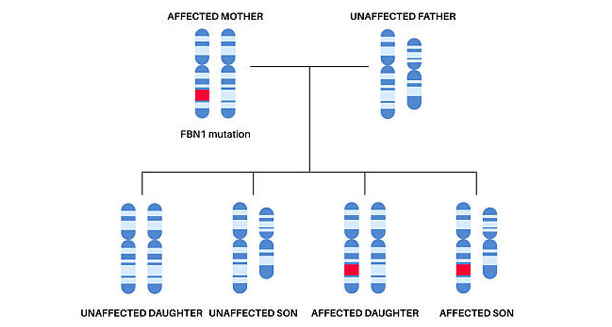
Overview of Marfan Syndrome Marfan syndrome is a genetic disorder that affects the body’s connective tissue — the fibres that support and anchor organs and other structures in the body. This inherited condition primarily impacts the skeleton, eyes, cardiovascular system, and skin. Individuals with Marfan syndrome are typically tall and slender, with disproportionately long limbs, fingers, and toes. However, the severity of the symptoms can vary greatly, even among people within the same family. Genetic Basis and Inheritance Pattern: Overview of Marfan Syndrome Marfan syndrome follows an autosomal dominant inheritance pattern. A person only needs to inherit one defective gene from one parent to develop the condition. In about 75% of cases, an affected parent passes it on. However, roughly 25% of cases come from a new mutation in the FBN1 gene. That means no prior family history exists in those cases. The gene mutation leads to abnormal production of fibrillin‑1. That weakens the elasticity and strength of connective tissue throughout the body. As a result, the disorder affects many organ systems. Therefore, doctors consider it a complex, multisystem disorder. Systems Affected by Marfan Syndrome: Overview One key part of the Overview of Marfan Syndrome is the wide range of body systems that can suffer. The main affected systems include: 1. Skeletal SystemPeople often have: These skeletal features often show first in children. 2. Cardiovascular SystemThis system carries the greatest risk. The weakened connective tissue in the heart and blood vessels can cause life‑threatening problems, including: Because of the risk, early detection and management of cardiovascular issues are crucial. Additional Systems Affected & Diagnosis 3. Ocular SystemEye problems also appear commonly: Regular eye checks help catch and treat these issues. 4. Pulmonary SystemAlthough lungs get less attention, Marfan syndrome affects them: Severe scoliosis or chest wall changes may worsen breathing. 5. Skin and Integumentary SystemSkin signs include: These help round out the clinical picture. Diagnosis, Outlook, and Support Diagnosis and MonitoringBecause symptoms overlap with other connective tissue disorders, Marfan syndrome can be hard to diagnose. Doctors rely on: They often use the revised Ghent criteria to make a formal diagnosis. These focus on the most serious issues, such as aortic problems and eye features. Life Expectancy and OutlookTraditionally, people with Marfan syndrome had shorter life spans due to heart complications. But now, medical advances help many live into adulthood with near‑normal life expectancy. Routine cardiac checks, medication, and surgery when needed make a big difference. Also, lifestyle changes like avoiding heavy lifting and strenuous sports help protect the heart. Importance of Early Detection and ManagementEarly diagnosis leads to better outcomes. It lets doctors plan preventive treatment and follow‑up care. Children of affected parents should get genetic counselling and regular screening. Moreover, people with Marfan syndrome should: Support and AdvocacySupport groups and genetic counselling help individuals and families. They provide emotional help, info about research, and advice on lifestyle and education. Organisations like The Marfan Foundation and local support groups offer forums, educational events, and updates. Summary: Overview of Marfan Syndrome Overview of Marfan Syndrome shows it as a complex genetic disorder with wide effects on many body systems. Though the heart and blood vessels face the highest risks, the skeleton, eyes, lungs, skin, and other parts can suffer. Because symptoms vary, medical vigilance, early detection, and strong support matter. With timely care, many people with Marfan syndrome lead full and healthy lives. [Next: Causes of Marfan Syndrome →]

Marfan Syndrome Read More »

Causes of Marfan Syndrome

Causes of Marfan Syndrome

Causes of Marfan Syndrome Causes of Marfan syndrome lie within the very fabric of a person’s genetic makeup. This inherited connective tissue disorder results from a mutation in a specific gene, disrupting normal protein production and weakening structural support throughout the body. Understanding the Causes of Marfan syndrome is essential not only for accurate diagnosis but also for managing expectations about disease progression, treatment, and inheritance risks. In this section, we will explore the key mechanisms behind the disorder, including genetic mutations, inheritance patterns, and the role of fibrillin-1 in connective tissue stability. Genetic Mutation in the FBN1 Gene The most prominent among the Causes of Marfan syndrome is a mutation in the FBN1 gene on chromosome 15. This gene holds instructions to make fibrillin-1, a protein that builds microfibrils. Microfibrils support elasticity and structure in skin, ligaments, blood vessels, and the lens of the eye. When the FBN1 gene mutates, you see: High TGF‑β levels lead to abnormal growth and shape of connective tissues. That worsens many features of Marfan. These changes show that the Causes of Marfan syndrome involve more than just structure—they reach down to molecular signals. Inheritance Pattern Inheritance plays another key role in the Causes of Marfan syndrome. The disorder works in an autosomal dominant pattern. That means one copy of the bad gene from either parent causes the condition. Key points: About 75% of cases come from a parent with Marfan syndrome. In the other 25%, the mutation arises spontaneously (de novo). Even spontaneous cases can then pass the mutated gene to next generations. Sporadic Mutations (De Novo Cases) In many cases, the Causes of Marfan syndrome include de novo mutations. These mutations occur at conception or early embryo growth. Neither parent shows signs, yet the child carries a faulty FBN1 gene. That child can also pass the mutation to their own children. Although spontaneous, these cases still show the same structural and functional damage seen in inherited ones. Clinicians must treat them with equal seriousness. Role of Fibrillin‑1 and Connective Tissue To grasp the Causes of Marfan syndrome, one must see how fibrillin‑1 works. Fibrillin‑1: When fibrillin‑1 fails, tissues lose stretch and recoil ability. They grow weak under pressure. That failure explains risks such as aortic aneurysm, lens dislocation, or joint problems. Environmental and Epigenetic Influences Although genes cause Marfan syndrome, external factors may affect how bad the symptoms become. These factors include: These do not cause Marfan syndrome directly. However, they can worsen joint pain or stress the heart. Epigenetic changes—shifts in gene expression without DNA change—may also play some role. This area remains under study, so it is not yet part of standard causal models. Associated Genetic Disorders Many disorders look like Marfan syndrome but come from different genes. Doctors must tell them apart. For example: Differentiation matters because management, treatments, and outlook differ. Genetic testing and clinical review help in this. Genetic Testing and Family Screening Given how inheritable the Causes of Marfan syndrome are, genetic counselling and testing matter greatly. Testing the FBN1 gene in someone affected lets families: In some instances, prenatal genetic testing can provide early information. If one parent carries the FBN1 mutation, prospective parents gain insights and options ahead of time. Summary: What Drives the Causes of Marfan syndrome The Causes of Marfan syndrome stem from a mutation in a single gene, FBN1, which undermines fibrillin‑1 production. Whether inherited or spontaneous, this mutation weakens connective tissue across many systems. By knowing how the gene works and how the disorder passes on, people and doctors can plan early, monitor closely, and adapt lifestyle. Genetic testing, early diagnosis, and awareness remain central tools in handling what Causes of Marfan syndrome bring. [Next: Symptoms of Marfan Syndrome →]

Causes of Marfan Syndrome Read More »

Symptoms of Marfan Syndrome

Symptoms of Marfan Syndrome

Symptoms of Marfan Syndrome The Symptoms of Marfan Syndrome span multiple body systems because the underlying problem—fragile connective tissue—exists throughout the body. Recognising the Symptoms of Marfan Syndrome early helps clinicians prioritise life saving cardiovascular monitoring while supporting eyesight, skeletal alignment, and overall quality of life. Although no two people present exactly alike, common patterns emerge in the skeleton, heart and blood vessels, eyes, lungs, skin, and nervous system. Importantly, symptom severity can vary widely even within the same family. Skeletal features: the most visible clues Changes in the skeleton often provide the first signs to investigate: While many of these signs aren’t dangerous, worsening spine or chest changes and ongoing pain should be checked by a specialist. Cardiovascular symptoms: the highest risk domain Heart and blood vessel symptoms carry the most risk and need close watching: Even when a person feels well, regular heart scans (echocardiograms) are important. Eye symptoms: lens, retina, and focusing issues Eye problems are common and can change over time: Seeing an eye doctor who understands connective tissue problems can help protect sight and decide when surgery is needed. Lung and breathing symptoms Connective tissue weakness can affect breathing too: Improving posture, chest movement, and sleep habits can boost energy levels and daily function. Nervous system and spine-related symptoms The connective tissue around the spinal cord (called the dura) may stretch: Doctors may order an MRI to check for dural ectasia and suggest physical therapy or, rarely, surgery. Skin and soft tissue clues Skin signs may be mild but help in diagnosis: These signs add to the big picture when paired with other symptoms. Dental, speech, and ENT features Mouth and face shape can cause: Early help from a dentist or speech therapist can prevent future issues. Symptoms of Marfan Syndrome across life stages Children: Fast growth may highlight long limbs, spine curves, or chest changes. Parents might notice tiredness during play, clumsy movement, or frequent joint pain. Eye issues like squinting or sitting close to screens can point to vision changes. Teens and young adults: Sports performance may drop due to joint pain, shortness of breath, or heart flutters. Risk of lung collapse is highest in this group. Visible body differences can affect self-confidence. Adults: Heart risks increase over time. Any new chest pain, tiredness, or heart fluttering needs quick attention. Ongoing back pain or nerve signs may suggest dural ectasia. Red flag symptoms that require urgent care Get emergency help right away for: Quick treatment can prevent life-threatening outcomes. Variability and overlap with other conditions Not everyone shows all symptoms. Some people mainly have vision problems, while others have serious heart issues but no outward signs. The Symptoms of Marfan Syndrome can also look like other conditions such as Loeys-Dietz or Ehlers-Danlos syndromes. Because of this, full checks—physical exams, family history, imaging, and sometimes genetic testing—are essential. Living with symptoms: practical tips Understanding the full range of Symptoms of Marfan Syndrome helps people take early action and lower their risk. Summary: Managing the Symptoms of Marfan Syndrome The Symptoms of Marfan Syndrome come from weak connective tissue affecting many systems: tall body shape, long limbs, spine and chest changes, joint looseness and pain, eye issues like lens shift and severe myopia, collapsed lungs, skin signs, and spine problems. The most serious risks involve the aorta. Since symptoms vary widely, it’s important to stay alert and treat red flag signs fast. With regular check-ups, support, and awareness, many people live full and healthy lives. [Next: Diagnosis of Marfan Syndrome →]

Symptoms of Marfan Syndrome Read More »

Scroll to Top