Mental Matters

Author name: admin

Doctor examining woman's neck for fibromyalgia diagnosis

Diagnosis of Fibromyalgia

Diagnosis of Fibromyalgia The diagnosis of fibromyalgia can be challenging, as there is no single test to confirm the condition. Fibromyalgia is diagnosed based on a combination of clinical symptoms, medical history, and the exclusion of other conditions with similar presentations. Due to the complexity and variety of symptoms, diagnosis often takes time and may involve several healthcare providers. Clinical Evaluation Doctors start by taking a full medical history and asking about: Widespread pain, including when and where it occurs Sleep patterns, including insomnia or non-refreshing sleep Cognitive issues, like memory and concentration difficulties Fatigue levels and how daily life is affected Digestive symptoms, mood changes, or sensory sensitivities The healthcare provider will also ask about previous illnesses, medications, and any personal or family history of chronic pain or autoimmune disorders. Diagnostic Criteria The current diagnostic guidelines for fibromyalgia include: Widespread pain index (WPI) and symptom severity score (SSS) Symptoms must be present for at least three months No other condition should better explain the symptoms Pain must be felt in multiple areas of the body The older “tender point” examination is no longer required but may still be used informally in some clinical settings. Exclusion of Other Conditions Because fibromyalgia shares symptoms with many other illnesses, doctors may order tests to rule out: Rheumatoid arthritis Lupus Hypothyroidism Multiple sclerosis Anaemia or vitamin deficiencies Tests may include blood work, thyroid panels, inflammatory markers, and sometimes imaging. Referral to Specialists If diagnosis is uncertain or symptoms are complex, referral to: Rheumatologists (who specialise in musculoskeletal pain) Neurologists (for neurological symptoms) Pain clinics or multidisciplinary teams specialising in chronic pain Mental health professionals may also help rule out or support co-existing conditions like depression, anxiety, or trauma-related disorders. Challenges in Diagnosis of Fibromyalgia People may dismiss symptoms, especially in women or those with multiple diagnoses Patients may go undiagnosed for years Stigma and misunderstanding still exist, despite growing awareness A timely and accurate diagnosis of fibromyalgia can provide relief, validation, and access to effective treatment and support. [Next: Treatment of Fibromyalgia →]


Diagnosis of Fibromyalgia Read More »

Women practising yoga for fibromyalgia treatment

Treatment of Fibromyalgia

Treatment of Fibromyalgia The treatment of fibromyalgia focuses on managing symptoms, improving quality of life, and helping individuals maintain function and wellbeing. Fibromyalgia has no cure, but many people improve through a personalised combination of medication, therapy, and lifestyle changes. Medication Several medications can help relieve pain, improve sleep, and reduce fatigue: Antidepressants, such as amitriptyline or duloxetine, to manage pain and improve sleep Anti-seizure drugs, like pregabalin or gabapentin, which calm overactive nerves Pain relievers, including paracetamol or low-dose tramadol (NSAIDs are often less effective) Sleep aids, prescribed short-term to manage severe insomnia Doctors often start with low doses and adjust based on response and side effects. Non-Medication Therapies 1. Exercise and Movement Low-impact activities such as walking, swimming, or yoga Regular exercise can reduce pain and improve energy levels A gradual and consistent approach is best—overexertion may worsen symptoms 2. Cognitive Behavioural Therapy (CBT) Helps reframe thoughts about pain and disability Improves coping strategies and reduces emotional distress 3. Mindfulness and Relaxation Meditation, breathing exercises, and guided imagery help reduce stress Mind-body therapies like tai chi or qigong can be beneficial 4. Occupational Therapy Teaches energy conservation and pain management strategies Helps adapt work and home routines to individual needs Diet and Lifestyle Balanced diet, rich in anti-inflammatory foods and low in processed sugar Regular sleep schedule, with a calming bedtime routine Limiting caffeine and alcohol, especially in the evening Pacing activities, to avoid overdoing it on good days and crashing later Support groups and educational resources are also crucial for emotional wellbeing and practical advice. Emerging Treatment of Fibromyalgia Some clinics offer transcranial magnetic stimulation (TMS) Ongoing research into nerve-targeted therapies and brain stimulation The treatment of fibromyalgia is most effective when patients are supported by a knowledgeable, multidisciplinary team. A holistic, patient-led approach improves outcomes and empowers individuals to take control of their health. [Next: Complications of Fibromyalgia →]

Treatment of Fibromyalgia Read More »

Woman experiencing chronic neck pain due to fibromyalgia

Complications of Fibromyalgia

Complications of Fibromyalgia The complications of fibromyalgia are mostly related to its impact on daily functioning, mental health, and social wellbeing. While fibromyalgia is not life-threatening or degenerative, it can be profoundly disabling when left unmanaged. Physical Health Complications Chronic pain may lead to reduced physical activity, which in turn worsens stiffness, fatigue, and cardiovascular fitness Poor sleep quality contributes to daytime exhaustion and difficulty concentrating Co-existing conditions are common, including: Irritable bowel syndrome (IBS) Chronic fatigue syndrome (CFS/ME) Migraines Restless leg syndrome These overlapping conditions can make treatment more complex and contribute to a higher symptom burden. Mental Health Impacts Depression and anxiety are common due to long-term pain and lack of understanding Persistent symptoms can erode self-confidence and motivation Social withdrawal may develop if fatigue or cognitive issues affect relationships Emotional support, counselling, and peer networks are essential to prevent mental health decline. Work and Daily Function People with fibromyalgia may struggle to maintain full-time employment Frequent absences, reduced productivity, or job loss are not uncommon Simple tasks like shopping, cleaning, or cooking may feel overwhelming, leading to dependence on others or isolation Accessible workplaces and disability accommodations can help maintain independence. Relationship Strain Partners, family, and friends may misunderstand the condition or become frustrated by its unpredictability Fatigue and pain can affect intimacy, parenting, and social life Open communication and shared understanding are vital for maintaining support networks Financial Strain Ongoing medical appointments, therapies, and time off work can create a financial burden Some patients struggle to access disability benefits or face challenges proving their condition due to its invisibility Support with navigating healthcare systems and benefits is important for long-term stability. Stigma and Misunderstanding People with fibromyalgia often face dismissal, scepticism, or minimisation of their symptoms This can delay diagnosis, affect mental health, and reduce access to care Awareness campaigns and education help change public and professional attitudes Complications of Fibromyalgia The complications of fibromyalgia can be reduced with early diagnosis, compassionate care, and a support network that validates the patient’s experience. With the right tools, many individuals living with fibromyalgia lead fulfilling and empowered lives. [Next: Back to Overview →]

Complications of Fibromyalgia Read More »

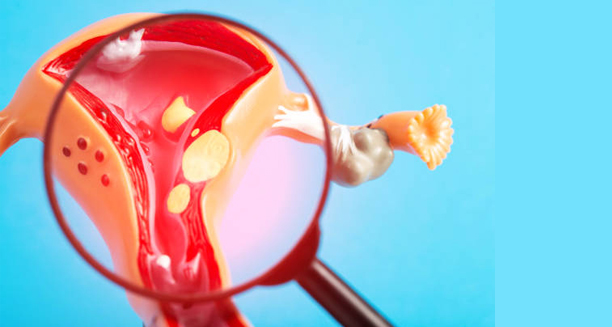
Uterine fibroids under magnifying glass illustration

Fibroids

Fibroids Fibroids are non-cancerous growths that develop in or around the uterus (womb). Also known as uterine leiomyomas or myomas, this condition is very common—particularly among women of reproductive age. While many women have no symptoms, this condition can sometimes cause heavy periods, pelvic pain, and fertility issues. Fibroids can vary in size. Some are as small as a pea, while others can grow large enough to distort the uterus. They may appear as a single growth or in clusters. The exact cause of this condition is unknown, but they are influenced by hormonal factors—especially oestrogen and progesterone. Most fibroids are found during routine gynaecological exams or investigations for menstrual problems. Some women don’t know they have this condition until they try to conceive or undergo imaging for unrelated issues. Fibroids Although these conditions are not cancerous, they can interfere with quality of life. Pain, pressure symptoms, or frequent urination may become daily challenges. Fortunately, various treatment options exist, from medication to minimally invasive surgery. Understanding this condition helps women make informed choices about managing symptoms, protecting fertility, and maintaining reproductive health. [Next: Causes of Fibroids →]

Fibroids Read More »

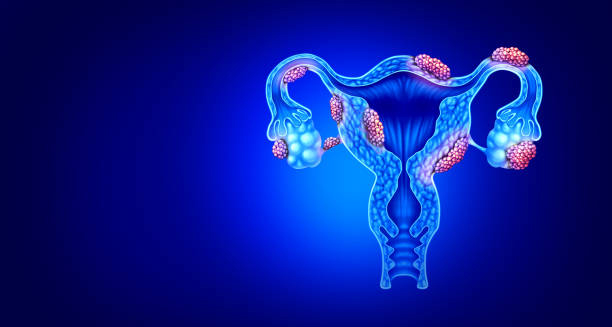
Digital illustration of fibroids in the female reproductive system

Causes of Fibroids

Causes of Fibroids The causes of fibroids are not fully understood, but researchers believe a mix of hormonal, genetic, and environmental factors contribute to their development. Fibroids are especially influenced by oestrogen and progesterone—hormones that regulate the menstrual cycle and encourage uterine lining growth. Hormonal Factors Fibroids tend to: Grow during reproductive years, when oestrogen and progesterone levels are higher Shrink after menopause, due to the drop in hormone levels Enlarge during pregnancy, when hormone levels rise significantly Some hormonal contraceptives or hormone therapies may affect fibroid growth, although this varies between individuals. Genetic and Familial Factors Women with a family history of fibroids are more likely to develop them Certain genetic changes have been observed in fibroid tissue Identical twins are more likely to have fibroids than non-identical twins While genetics play a role, they do not guarantee fibroids will develop. Age and Ethnicity Fibroids are most common between the ages of 30 and 50 Black women are more likely to develop fibroids, often at a younger age and with more severe symptoms The reasons for ethnic disparities are not fully known but may involve genetics, vitamin D deficiency, or environmental influences Lifestyle and Health Some studies suggest that risk factors may include: Obesity Early onset of menstruation Vitamin D deficiency Excessive alcohol consumption Diet high in red meat and low in green vegetables or dairy However, lifestyle alone doesn’t determine whether fibroids will form. Reproductive History | Causes of Fibroids Women who have never given birth (nulliparous women) may have a slightly higher risk Pregnancy appears to have a protective effect, possibly due to hormonal and structural changes in the uterus The causes of fibroids are likely multifactorial. Understanding these risks helps women take preventive steps where possible, such as maintaining a healthy weight and monitoring changes in menstrual health. [Next: Symptoms of Fibroids →]

Causes of Fibroids Read More »

Woman holding lower abdomen in pain indicating uterine fibroid symptoms

Symptoms of Fibroids

Symptoms of Fibroids The symptoms of fibroids vary widely depending on the size, number, and location of the growths. Fibroids may be silent and go unnoticed for years, or they can cause chronic discomfort and disrupt daily life. In many cases, symptoms prompt women to seek medical help, leading to a diagnosis. Common Symptoms Heavy or prolonged periods (menorrhagia) May lead to iron-deficiency anaemia Pelvic pain or pressure Often described as a constant dull ache or heaviness Frequent urination, if fibroids press on the bladder Constipation, when fibroids press on the bowel Lower back pain, especially with large or posterior fibroids These symptoms can worsen over time and may fluctuate with hormonal changes throughout the menstrual cycle. Reproductive and Sexual Symptoms Pain during intercourse (dyspareunia) Difficulty getting pregnant, especially with submucosal fibroids (inside the uterine lining) Pregnancy complications, including miscarriage, premature labour, or breech positioning Not all fibroids affect fertility, but their presence may interfere with implantation or distort the uterine cavity. Types of Fibroids and Symptom Patterns The type of fibroid often influences the symptom: Submucosal fibroids (just under the uterine lining) tend to cause heavy bleeding Intramural fibroids (within the uterine wall) may lead to pressure and pain Subserosal fibroids (on the outer wall of the uterus) are more likely to press on nearby organs Large fibroids or multiple growths can cause noticeable abdominal swelling or bloating, often mistaken for weight gain or pregnancy. When to See a Doctor Seek medical advice if you experience: Periods that last more than 7 days Heavy bleeding with clots or flooding Severe pelvic pain or cramping Urinary urgency or trouble emptying the bladder Difficulty conceiving after 6–12 months of trying Symptoms of Fibroids Recognising the symptoms of fibroids early leads to quicker diagnosis and better outcomes. There are many effective treatments that can reduce discomfort, preserve fertility, and improve quality of life. [Next: Diagnosis of Fibroids→]

Symptoms of Fibroids Read More »

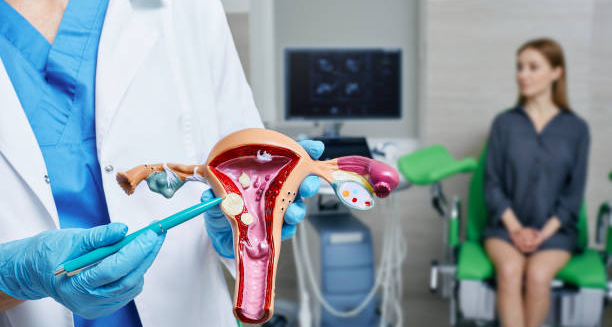
Gynaecologist explaining fibroid diagnosis with anatomical uterus model

Diagnosis of Fibroids

Diagnosis of Fibroids The diagnosis of fibroids often begins when a woman presents with symptoms such as heavy periods, pelvic pressure, or difficulty conceiving. However, many fibroids are found incidentally during routine gynaecological check-ups or imaging for unrelated issues. Confirming their presence and determining the type is essential for planning treatment. Clinical History and Physical Examination Doctors begin by asking about: Menstrual patterns and bleeding severity Pelvic pain, cramping, or discomfort Bladder and bowel symptoms Fertility concerns or history of miscarriage Family history of fibroids or other gynaecological conditions During a pelvic examination, the uterus may feel enlarged, irregular, or firm—suggesting the presence of fibroids. Ultrasound Pelvic ultrasound (transabdominal or transvaginal) is the first-line imaging tool It helps measure the size, number, and location of fibroids Transvaginal ultrasound offers clearer images for smaller or deeper fibroids Ultrasound is safe, non-invasive, and widely available. MRI (Magnetic Resonance Imaging) Provides detailed images of the uterus and surrounding structures Useful in complex cases or when surgery is being considered Can distinguish fibroids from other uterine masses, such as adenomyosis MRI is not always necessary but is helpful for treatment planning, especially before embolisation or myomectomy. Hysteroscopy Involves inserting a thin camera into the uterus through the cervix Helps detect submucosal fibroids that grow into the uterine cavity Often done as an outpatient procedure, especially before surgical removal Hysteroscopy is ideal when fibroids are suspected to affect the uterine lining and cause bleeding or infertility. Sonohysterography A special type of ultrasound using saline to highlight the uterine cavity Provides better visualisation of small submucosal fibroids Sometimes used in fertility assessments Blood Tests Full blood count (FBC) checks for anaemia in women with heavy periods Hormonal tests may be done to rule out other causes of irregular cycles Diagnosis of Fibroids The diagnosis of fibroids requires a combination of clinical skill and imaging. Once confirmed, the size, location, and impact of the fibroids guide the next steps in treatment and management. [Next: Treatment Options for Fibroids →]

Diagnosis of Fibroids Read More »

Doctor examining abdomen for fibroid treatment

Treatment Options for Fibroids

Treatment Options for Fibroids The treatment options for fibroids depend on symptoms, size, location, age, fertility goals, and overall health. While some fibroids need no treatment, others may require medication, minimally invasive procedures, or surgery. A personalised approach ensures women receive the most appropriate care for their needs. Watchful Waiting Many fibroids cause no symptoms and do not require treatment Regular monitoring with ultrasound may be advised This is a safe option for women nearing menopause, when fibroids often shrink naturally Medication Medications help manage symptoms but do not remove fibroids: Hormonal birth control pills, patches, or injections to control heavy bleeding Progestin-releasing intrauterine devices (IUDs) for lightening periods Tranexamic acid, a non-hormonal option to reduce menstrual blood loss GnRH agonists, which shrink fibroids temporarily by inducing a menopause-like state Pain relief medications, such as NSAIDs, to manage cramping These are typically short-term or for women not ready for surgery. Minimally Invasive Procedures 1. Uterine Artery Embolisation (UAE) Blocks blood supply to fibroids, causing them to shrink Performed under local anaesthetic by a radiologist Suitable for women not planning pregnancy 2. MRI-guided Focused Ultrasound Surgery (FUS) Uses high-intensity ultrasound waves to destroy fibroid tissue Non-invasive but not widely available Suitable for specific fibroid types 3. Endometrial Ablation Destroys the uterine lining to control bleeding Not suitable for women who wish to become pregnant Surgical Options 1. Myomectomy Surgical removal of fibroids, preserving the uterus Suitable for women wishing to retain fertility May be done laparoscopically, abdominally, or hysteroscopically 2. Hysterectomy Complete removal of the uterus The only definitive cure for fibroids Considered when other treatments fail or in women with severe symptoms who no longer wish to conceive Lifestyle and Nutritional Support | Treatment Options for Fibroids Maintaining a healthy weight Increasing intake of green vegetables and vitamin D Reducing red meat and alcohol While not curative, these changes may support overall health and hormone balance. The wide range of treatment options for fibroids allows for flexible, tailored care. From conservative monitoring to advanced surgery, women can manage fibroids in a way that suits their goals and lifestyle. [Next: Complications of Fibroids →]

Treatment Options for Fibroids Read More »

Woman experiencing abdominal pain due to fibroid complications

Complications of Fibroids

Complications of Fibroids The complications of fibroids vary depending on size, number, and location. While many fibroids remain harmless, others can significantly affect reproductive health, daily life, and emotional health. Furthermore, left without treatment, problematic fibroids may lead to long-term issues. Anaemia and Fatigue Heavy or extended periods can lead to iron-deficiency anaemia Symptoms include tiredness, weakness, pale skin, and shortness of breath Severe anaemia may require iron supplements or blood transfusions Anaemia is one of the most common fibroid-related complications. Fertility and Pregnancy Issues Fibroids may interfere with implantation of a fertilised egg They can distort the uterine cavity or block the fallopian tubes Increased risk of miscarriage, preterm labour, or breech presentation Some women may require a caesarean delivery due to fibroid obstruction Not all fibroids cause infertility, but they are a consideration during fertility evaluations. Pelvic Pain and Pressure Large fibroids can press on nearby organs, causing: Urinary frequency or urgency Constipation Lower back or leg pain Pain during intercourse These symptoms may worsen with menstrual cycles or hormone fluctuations. Degeneration and Infection As fibroids outgrow their blood supply, they may begin to degenerate, causing: Sudden, severe pain Fever and inflammation Nausea or vomiting Rarely, therefore, fibroids can become infected, particularly after childbirth or surgery. Fibroid Torsion In pedunculated fibroids (attached by a stalk), the fibroid may twist. Thereby, cutting off its blood supply This causes acute pain and requires emergency surgery Emotional and Social Impact Ongoing symptoms can affect quality of life, causing stress or anxiety Women may avoid work, travel. Additionally, intimacy due to pain or bleeding Concerns about fertility or appearance may contribute to depression or low self-esteem Support and counselling may be helpful in managing the emotional aspects of fibroids. Rare Complications of Fibroids In extremely rare cases, fibroids may transform into cancerous tumours (leiomyosarcoma) The risk is extremely low and does not justify removal in asymptomatic cases The complications of fibroids are often manageable with the right medical care. Furthermore, early diagnosis, regular monitoring, and personalised treatment plans help reduce risk and improve wellbeing. [Next: Back to Overview →]

Complications of Fibroids Read More »

Alcoholic beverages casting a shadow of a fetus representing Fetal Alcohol Spectrum Disorder

Fetal Alcohol Spectrum Disorder

Fetal Alcohol Spectrum Disorder This fetal alcohol spectrum disorder (FASD) refers to a range of lifelong physical, .Additionally, cognitive disabilities result from exposure during pregnancy. This alcohol spectrum disorder is entirely preventable, yet it remains one of the leading causes of developmental disability worldwide. It can affect children to varying degrees and often goes undiagnosed or misdiagnosed due to overlapping symptoms with other conditions. FASD occurs when alcohol consumed by a pregnant person passes through the placenta. Therefore, it affects the developing baby’s brain and organs. There is no known safe amount of alcohol to drink during pregnancy. Furthermore, even small amounts may interfere with foetal development, particularly in the early weeks—often before a person knows they are pregnant. Alcohol Spectrum Disorder The condition encompasses a spectrum of outcomes. Some children may have distinctive facial features, growth issues, and intellectual disability. Others may appear physically typical but struggle with learning, attention, memory, and behaviour. FASD is a hidden disability in many cases, which means the affected individual may look typical but face significant daily challenges. Raising awareness of this alcohol spectrum disorder is key to prevention, early diagnosis, and improving quality of life through appropriate care and support. [Next: Causes of Fetal Alcohol Spectrum Disorder →]

Fetal Alcohol Spectrum Disorder Read More »

Scroll to Top