Mental Matters

Author name: admin

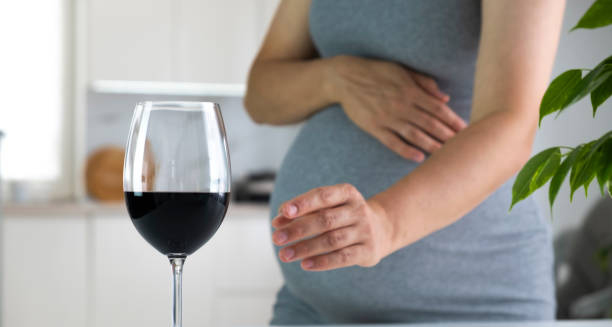
Pregnant woman reaching for a glass of red wine, highlighting the cause of Fetal Alcohol Spectrum Disorder

Causes of Fetal Alcohol Spectrum Disorder

Causes of Fetal Alcohol Spectrum Disorder The causes of fetal alcohol spectrum disorder are directly linked to alcohol exposure during pregnancy. Fetal alcohol spectrum disorder is not inherited, contagious, or caused by the behaviour of the child after birth. It results from a teratogenic effect—meaning alcohol disrupts the development of the growing foetus. Alcohol and Pregnancy When a pregnant person consumes alcohol: It passes quickly through the placenta into the baby’s bloodstream The developing foetus cannot process alcohol efficiently Alcohol interferes with cell growth, brain development, and organ formation Damage can occur at any time during pregnancy, but the first trimester—when the brain, heart, and facial features are forming—is the most critical period. No Safe Limit Despite myths, no amount of alcohol is safe during pregnancy: Even small or occasional consumption can affect development Binge drinking (4+ drinks in one session) is especially harmful Risk increases with frequency, quantity, and timing of alcohol exposure Different people metabolise alcohol at different rates. What might be considered a “small amount” by one person could still harm a developing foetus. Risk Factors While alcohol exposure is the cause, some factors may influence how severely a child is affected: Genetic sensitivity to alcohol’s effects Nutritional status of the pregnant person Other substance use, including smoking or drug use Poor prenatal care or lack of medical support Stress, trauma, or lack of awareness about the risks In some communities, FASD is more common due to high rates of unplanned pregnancy and limited access to health education or support services. Preventability | Causes of Fetal Alcohol Spectrum Disorder The most important fact about FASD is that it is 100% preventable: Avoiding alcohol entirely during pregnancy eliminates the risk Public health campaigns are working to promote this message Support services are available for people with alcohol dependency who are pregnant or planning to conceive Understanding the causes of fetal alcohol spectrum disorder empowers healthcare systems, families, and communities to prevent this avoidable condition and promote healthier futures for children. [Next: Symptoms of Fetal Alcohol Spectrum Disorder →]

Causes of Fetal Alcohol Spectrum Disorder Read More »

Facial features indicating Fetal Alcohol Spectrum Disorder in a child

Symptoms of Fetal Alcohol Spectrum Disorder

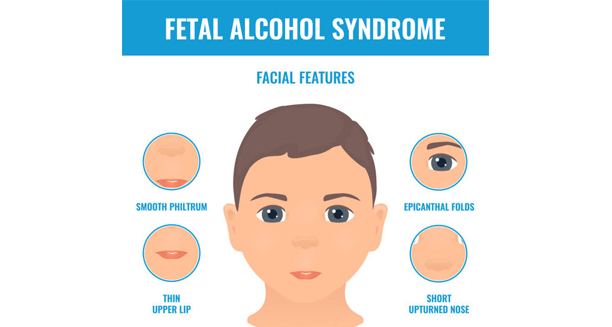
Symptoms of Fetal Alcohol Spectrum Disorder The symptoms of fetal alcohol spectrum disorder vary widely depending on the timing, amount, and duration of alcohol exposure during pregnancy. Fetal alcohol spectrum disorder may affect a child’s physical appearance, cognitive ability, behaviour, and emotional development. Some symptoms are evident at birth, while others emerge as the child grows. Physical Symptoms Some individuals with FASD may show: Distinct facial features, such as: Smooth philtrum (the groove between nose and upper lip) Thin upper lip Small eye openings Low birth weight and poor growth after birth Smaller-than-average head size (microcephaly) Organ abnormalities, such as heart defects Hearing or vision problems Poor motor coordination These signs are more common in cases of Fetal Alcohol Syndrome (FAS), the most recognisable and severe form within the FASD spectrum. Cognitive and Learning Difficulties Delayed speech and language development Poor memory, even for tasks just completed Difficulty understanding time and abstract concepts Problems with planning, organisation, and completing tasks Learning disabilities, including dyslexia and dyscalculia Children with FASD may perform well in some areas but struggle with consistency, attention, and applying knowledge across different settings. Behavioural and Emotional Issues Impulsiveness and poor judgement Hyperactivity and trouble sitting still Difficulty understanding consequences Poor social skills, including misreading social cues Emotional dysregulation, such as sudden anger or anxiety Sleep disturbances These behaviours can be mistaken for ADHD, autism, or oppositional defiant disorder, often leading to misdiagnosis or delayed support. Symptoms Over Time | Symptoms of Fetal Alcohol Spectrum Disorder In adolescence and adulthood, symptoms may include: Mental health challenges, such as anxiety, depression, or substance use Trouble with employment or independent living Legal issues, often due to poor impulse control or misunderstandings Vulnerabilities to abuse, exploitation, or homelessness With early diagnosis and lifelong support, many people with FASD can thrive. However, without understanding or appropriate care, they are at higher risk of school failure, social exclusion, and emotional distress. Recognising the symptoms of fetal alcohol spectrum disorder is key to early intervention and improved outcomes. Every child deserves a support system that understands the unique challenges they face. [Next: Diagnosis of Fetal Alcohol Spectrum Disorder→]

Symptoms of Fetal Alcohol Spectrum Disorder Read More »

Facial features used to diagnose Fetal Alcohol Spectrum Disorder

Diagnosis of Fetal Alcohol Spectrum Disorder

Diagnosis of Fetal Alcohol Spectrum Disorder The diagnosis of fetal alcohol spectrum disorder (FASD) is complex and often requires a multidisciplinary approach. Fetal alcohol spectrum disorder can present with a wide range of physical, cognitive, and behavioural features, many of which overlap with other conditions like ADHD, autism spectrum disorder, or learning disabilities. Early Recognition Diagnosis begins with: A detailed medical history, including confirmed or suspected prenatal alcohol exposure Developmental assessment, focusing on cognitive, social, and motor milestones Physical examination, looking for facial features and growth patterns Behavioural observations, particularly attention, memory, and emotional regulation Many children with FASD do not have the typical facial features, so the absence of physical signs does not rule out the condition. Diagnostic Criteria Some countries follow the Canadian Guidelines, CDC definitions, or Four-Digit Diagnostic Code, which assess: Growth deficiencies – below-average height or weight Facial anomalies – smooth philtrum, thin upper lip, small palpebral fissures Brain function impairment – poor memory, delayed development, learning difficulties Confirmed alcohol exposure in pregnancy A diagnosis may be categorised as: Fetal Alcohol Syndrome (FAS) – includes facial features, growth restriction, and brain involvement Partial FAS, Alcohol-Related Neurodevelopmental Disorder (ARND), or Neurobehavioural Disorder associated with Prenatal Alcohol Exposure (ND-PAE) The type depends on which areas of functioning are affected and whether facial or growth features are present. Diagnostic Tools and Assessments Neuropsychological testing, to assess cognitive ability, memory, attention, and executive function Speech and language evaluations Occupational therapy assessments, especially for fine motor skills and sensory issues Standardised facial measurements, often using specialised software or clinicians trained in FASD diagnosis Confirming alcohol exposure can be challenging, particularly in adoption or foster care cases. Diagnosis may still proceed based on developmental concerns and clinical judgement. Challenges and Misdiagnosis Many children are misdiagnosed with ADHD, conduct disorder, or autism before FASD is considered Lack of awareness or stigma about maternal alcohol use may delay referral In some cases, FASD is never formally diagnosed, but the child still benefits from support services for developmental needs Diagnosis of Fetal Alcohol Spectrum Disorder The diagnosis of fetal alcohol spectrum disorder allows children and families to access appropriate support, plan for the future, and understand the root cause of the child’s difficulties. [Next: Treatment and Support for FASD →]

Diagnosis of Fetal Alcohol Spectrum Disorder Read More »

Smiling doctor speaking with a mother holding her baby

Treatment and Support for FASD

Treatment and Support for FASD The treatment and support for fetal alcohol spectrum disorder is lifelong and focuses on improving function, coping strategies, and quality of life. Fetal alcohol spectrum disorder has no cure, but early intervention and tailored support significantly improve outcomes for individuals and families. Early Intervention Early diagnosis allows children to: Receive special education support Access speech and language therapy Improve motor skills through physiotherapy and occupational therapy Build self-regulation through behavioural therapy and social skills training The earlier the intervention, the better the chance of developing healthy routines, school readiness, and emotional stability. Educational Support Children with FASD often need: Individualised Education Plans (IEPs) in school Classroom aides or adapted materials Repetition and routine, as they may struggle with generalisation or transitions Visual cues and structure, rather than verbal-only instruction Teachers and school staff must understand FASD-related challenges, including poor memory, difficulty with abstract concepts, and impulsivity. Behavioural and Mental Health Care FASD often involves emotional and behavioural issues that benefit from: Cognitive behavioural therapy (CBT) Parent-child interaction therapy (PCIT) Trauma-informed counselling, especially in children who have experienced instability or neglect Mental health support, as anxiety, depression, and low self-esteem are common Some children may also be prescribed medication, such as stimulants or mood stabilisers, though medication is not a primary treatment. Family and Carer Support Parents and carers may need: Training in FASD-friendly parenting, including clear routines, calm environments, and consistent rules Respite care, to manage exhaustion or burnout Peer support groups, both online and in person Counselling or therapy, especially when caring for children with high needs Adoptive and foster families often benefit from education about trauma and neurodivergence, as these experiences can overlap with FASD. Community and Advocacy Resources | Treatment and Support for FASD Support organisations offer toolkits, workshops, and navigation assistance Advocacy services can help families secure education or disability funding Public awareness campaigns reduce stigma and promote prevention The treatment and support for fetal alcohol spectrum disorder must be coordinated, compassionate, and adapted to the individual’s strengths and needs. With the right approach, people with FASD can learn, grow, and lead fulfilling lives. [Next: Complications of Fetal Alcohol Spectrum Disorder →]

Treatment and Support for FASD Read More »

Teacher helping a young boy with learning difficulties

Complications of Fetal Alcohol Spectrum Disorder

Complications of Fetal Alcohol Spectrum Disorder The complications of fetal alcohol spectrum disorder affect not only the individual’s development but also their social, emotional, and physical wellbeing. Fetal alcohol spectrum disorder is a lifelong condition, and without support, many individuals face serious secondary challenges that could be prevented or reduced with early intervention. Educational Difficulties Children may fall behind academically due to memory issues, poor concentration, and language delays They may struggle with abstract thinking, time management, and problem-solving Without tailored learning environments, they risk being labelled as disruptive or lazy, when the issue is neurological Early school exclusion or misdiagnosis as ADHD or behavioural disorder is common. Social and Emotional Problems FASD often leads to: Social isolation, due to difficulty reading cues or maintaining friendships Poor emotional regulation, resulting in outbursts or withdrawal Low self-esteem, especially when children realise they are different from peers Difficulty forming safe relationships, which may lead to exploitation These complications increase in adolescence when expectations of independence grow but cognitive maturity remains delayed. Legal and Justice System Involvement Studies show that many individuals with undiagnosed FASD are overrepresented in the justice system due to: Impulsivity and poor judgement Trouble understanding consequences Difficulty following instructions Susceptibility to peer pressure or manipulation Some commit offences without fully understanding the implications, making legal advocacy and supported decision-making essential. Mental Health Complications High risk of anxiety, depression, and substance misuse Suicidal thoughts or self-harm may arise, especially if unsupported Psychiatric diagnoses may be layered over FASD, making care more complex Integrated care that addresses both mental health and neurodevelopment is critical. Health and Daily Functioning Sleep disturbances, sensory sensitivities, and poor coordination affect everyday living Poor hygiene, meal preparation, and money management are common struggles Many require lifelong support with housing, employment, and relationships Without structured routines and long-term planning, these difficulties can become overwhelming for the individual and family. Secondary Trauma in Families Parents and carers may experience: Burnout, due to behavioural challenges or navigating complex systems Frustration at slow progress or misinformed professionals Emotional distress, particularly when support is limited Access to early diagnosis, clear guidance, and compassionate services reduces the severity of these complications. Complications of Fetal Alcohol Spectrum Disorder The complications of fetal alcohol spectrum disorder are not inevitable. With awareness, appropriate care, and strong community support, people with FASD can be protected from avoidable harm and enabled to reach their full potential. [Next: Back to Overview →]

Complications of Fetal Alcohol Spectrum Disorder Read More »

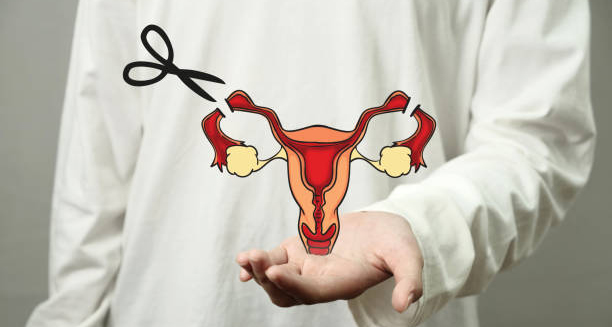
Illustration of female reproductive system with scissors symbolising genital mutilation

Female Genital Mutilation

Female Genital Mutilation These prosedures, Female genital mutilation (FGM) refers to procedures that intentionally alter or injure the female genital organs for non-medical reasons. This mutilation is a violation of human rights and has no health benefits. Instead, it causes severe pain, trauma, and long-term physical and emotional consequences. People mostly carry out FGM on girls between infancy and age 15. Often, without anaesthesia and in unsanitary conditions. People practice FGM in parts of Africa, the Middle East, and Asia. As well as within certain immigrant communities around the world, including in Europe and North America. Cultural, social, and sometimes religious beliefs deeply root it. Often, aimed at controlling female sexuality or ensuring marriageability. Female Genital Mutilation There are four main types of FGM, ranging from partial removal of the clitoris to full infibulation. Where the vaginal opening is narrowed by cutting and repositioning the labia. All forms are harmful and carry risk of complications such as infection, infertility, childbirth complications, and psychological trauma. FGM has no basis in modern healthcare or religious doctrine. Global campaigns led by the United Nations, WHO, and local organisations are working to eliminate the practice through education, legal reform, and community engagement. Raising awareness about this mutilation is key to ending it and supporting survivors. [Next: Causes and Cultural Roots of Female Genital Mutilation →]

Female Genital Mutilation Read More »

Group of traditionally dressed women in a rural setting, representing cultural practices

Causes and Cultural Roots of Female Genital Mutilation

Causes and Cultural Roots of Female Genital Mutilation The causes and cultural roots of female genital mutilation are complex and vary across regions and communities. Female genital mutilation is often driven by deep-seated beliefs about purity, social acceptance, and gender roles. Understanding these motivations is essential for developing respectful and effective prevention strategies. Social Pressures Many communities consider FGM a rite of passage from girlhood to womanhood. Communities may celebrate it as a cultural milestone that prepares a girl for marriage, motherhood, and full social participation. Families may feel pressure to conform to these expectations to avoid stigma, shame, or exclusion. Some communities may consider a girl who has not undergone FGM as “unclean” or unmarriageable Mothers and grandmothers often play key roles in perpetuating the practice Men may support it based on cultural conditioning, though some are unaware of its full impact Beliefs About Purity and Morality FGM is frequently linked to controlling female sexuality: Many believe FGM reduces sexual desire, promoting virginity before marriage and fidelity afterwards Some think it enhances cleanliness or femininity Others believe it fulfils religious obligations, although no major religion mandates FGM Families and communities often pass down these beliefs through generations, reinforcing them with misinformation and fear. Misconceptions and Misinformation Many communities lack accurate medical knowledge: Some people may falsely present FGM as safe or hygienic People may not realise the long-term complications associated with the procedure Healthcare providers in some areas may perform FGM under the guise of “medicalisation,” giving a false sense of safety Education is essential to challenge myths and promote understanding of the risks. Economic and Social Factors In some cultures, families link FGM to bride price or dowry, making it economically appealing Traditional practitioners may rely on performing FGM as a source of income Parents may believe they are acting in the child’s best interest based on community values Migration and Diaspora | Causes and Cultural Roots of Female Genital Mutilation FGM is also found in diaspora communities where the practice continues as a way to preserve cultural identity. However, second-generation migrants often question or reject the tradition, leading to generational tension and a growing shift in attitudes. Understanding the causes and cultural roots of female genital mutilation helps frame interventions in a respectful, community-led way. Solutions must address not only health and human rights, but also the cultural fears and misinformation that sustain the practice. [Next: Symptoms and Signs of Female Genital Mutilation →]

Causes and Cultural Roots of Female Genital Mutilation Read More »

Woman in green dress clutching lower abdomen in pain

Symptoms and Signs of Female Genital Mutilation

Symptoms and Signs of Female Genital Mutilation The symptoms and signs of female genital mutilation depend on the type performed, the girl’s age, and the circumstances under which it was carried out. Female genital mutilation causes both immediate physical trauma and long-term complications that may affect a woman’s reproductive, sexual, and mental health. Immediate Symptoms Short-term effects may include: Severe pain, especially when performed without anaesthesia Excessive bleeding (haemorrhage) Swelling and inflammation of the vulva Shock, which can be life-threatening in young girls Infection, due to the use of non-sterile instruments Urination difficulties, from swelling or scarring Difficulty walking or sitting In severe cases, girls may die from sepsis, tetanus, or massive blood loss. These outcomes are more likely when the procedure is performed by untrained individuals or in unsanitary environments. Long-Term Physical Complications Women who have undergone FGM may experience: Chronic pelvic pain Menstrual problems, including obstructed flow and painful periods Urinary tract infections Cysts or abscesses, especially in infibulated individuals Pain during sexual intercourse Increased risk of complications during childbirth, such as obstructed labour or postpartum haemorrhage Infertility, in rare cases The severity of these complications often depends on the type of FGM. Type III (infibulation) tends to cause the most serious long-term effects. Psychological and Emotional Effects The trauma of FGM can lead to: Post-traumatic stress disorder (PTSD) Depression and anxiety Sleep disturbances and nightmares Fear of medical procedures, particularly gynaecological exams Low self-esteem, especially around sexuality and body image These effects may last into adulthood and interfere with relationships, intimacy, and parenting. Signs in Clinical or Social Settings Health professionals or teachers may observe signs of FGM, especially in young girls or recently migrated populations: Reluctance to participate in physical education or swimming Frequent urinary or menstrual issues Difficulty sitting or walking comfortably Avoidance of medical exams Emotional distress or withdrawal | Symptoms and Signs of Female Genital Mutilation In many cases, FGM is not disclosed willingly due to shame, fear, or loyalty to family traditions. Sensitive questioning and non-judgemental support are key to identifying and helping survivors. Recognising the symptoms and signs of female genital mutilation allows for timely intervention, emotional support, and protection of those at risk. It also plays a crucial role in preventing the cycle from continuing [Next: Diagnosis of Female Genital Mutilation→]

Symptoms and Signs of Female Genital Mutilation Read More »

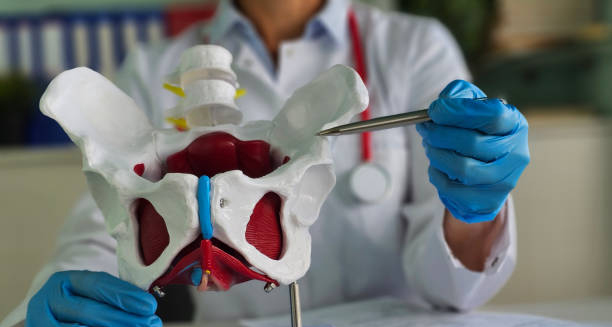
Doctor pointing at pelvic model with a pen

Diagnosis of Female Genital Mutilation

Diagnosis of Female Genital Mutilation The diagnosis of female genital mutilation is typically made during a clinical examination, especially in contexts where survivors seek care for related complications. Female genital mutilation may also be identified during routine check-ups, maternity care, or when investigating symptoms like chronic pelvic pain or menstrual irregularities. Clinical Identification Healthcare professionals may recognise FGM through: Visual inspection of the external genitalia Patient disclosure, though many may be hesitant due to fear, stigma, or cultural pressure Medical history, including past surgeries, childbirth complications, or sexual pain Complications during gynaecological exams, such as narrow vaginal openings or scarring In some cases, children or adolescents may be referred by teachers, social workers, or school nurses who observe behavioural or physical signs suggesting they may have undergone FGM or be at risk. Types of FGM (WHO Classification) Diagnosing FGM also involves identifying the type: Understanding the type of FGM is essential for developing appropriate medical and psychological care plans. Screening in Migrant Populations In countries with low prevalence of FGM, healthcare systems may screen: Pregnant women from practising countries Girls at risk during safeguarding assessments New arrivals, as part of refugee health services These screenings are guided by ethical principles and patient consent. They must be done with sensitivity and respect for cultural context. Legal and Reporting Obligations In some countries, professionals have a legal duty to report known or suspected cases of FGM, especially in minors. Mandatory reporting laws are intended to protect children at risk but must be balanced with cultural sensitivity and patient trust. Documentation should: Use accurate, non-judgemental language Avoid making assumptions about intent or family dynamics Focus on the medical findings and any safeguarding concerns Diagnosis of Female Genital Mutilation The diagnosis of female genital mutilation is both a medical and social responsibility. Early recognition leads to better care, trauma-informed support, and potentially protects others from harm. [Next: Treatment and Support for Survivors →]

Diagnosis of Female Genital Mutilation Read More »

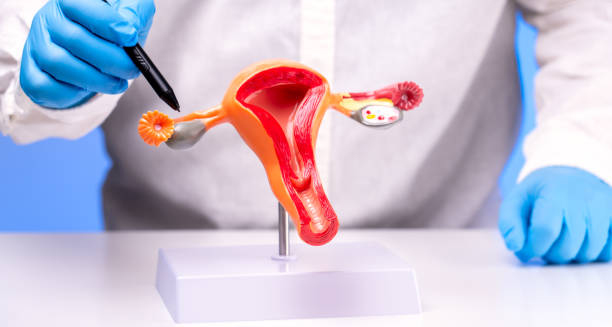
Anatomical female reproductive system model held by medical professional

Survivors of Female Genital Mutilation

Treatment and Support for Survivors The treatment and support for survivors of female genital mutilation must be holistic, compassionate, and trauma-informed. Female genital mutilation causes not only physical injury but also emotional distress and long-term reproductive health issues. Care plans should address medical, psychological, and social needs. Medical Treatment Immediate or long-term care may involve: Wound care, if a girl or woman presents shortly after undergoing FGM Antibiotics, to treat infections or abscesses Pain management, especially for menstrual or sexual discomfort Surgical interventions, such as: Deinfibulation, which involves opening the sealed vaginal area (often necessary before childbirth) Reconstructive surgery, aimed at restoring normal anatomy and improving function Treatment should always be offered with consent and full explanation, especially in cultures where discussing genital health may be taboo. Gynaecological and Reproductive Health Ongoing support may include: Menstrual care, particularly in women with obstructed flow or painful periods Fertility support, if damage has affected the reproductive system Maternity care, including planning for safer delivery if infibulation is present Sexual health counselling, to address pain, fear, or difficulty with intimacy Healthcare providers must offer non-judgemental, culturally aware services that allow patients to feel safe and heard. Mental Health Support Many survivors of FGM live with: Anxiety and depression Post-traumatic stress disorder (PTSD) Shame, guilt, or low self-esteem Difficulty forming relationships or trusting others Therapies that may help include: Cognitive behavioural therapy (CBT) Trauma-focused counselling Support groups, especially those led by survivors Culturally competent therapists, who understand the emotional and cultural weight of FGM Social and Community Support | Treatment and Support for Survivors Safeguarding services for minors or women at continued risk Legal aid and advocacy in countries where FGM is a criminal offence Education and outreach, helping communities understand the harms of FGM and promote alternatives Empowerment programmes, especially for women in diaspora settings where traditional roles may be changing Supporting survivors of female genital mutilation means treating more than just physical scars. It involves building trust, restoring dignity, and helping women and girls regain control of their bodies and lives. [Next: Complications of Female Genital Mutilation →]

Survivors of Female Genital Mutilation Read More »

Scroll to Top