Mental Matters

Author name: admin

Medical model of female pelvis held by doctor in gloves

Complications of Female Genital Mutilation

Complications of Female Genital Mutilation The complications of female genital mutilation can be immediate, long-term, and deeply personal. Female genital mutilation affects every aspect of a girl or woman’s health, including physical, reproductive, sexual, and psychological wellbeing. The severity often depends on the type of FGM performed and the age at which it was done. Immediate Complications Short-term risks include: Severe pain and shock Excessive bleeding (haemorrhage) Swelling and inflammation Infections, including tetanus, HIV, or sepsis Urinary retention, due to swelling or pain Death, in rare cases from uncontrolled bleeding or infection Many of these complications occur because the procedure is performed without anaesthesia, sterile tools, or medical training. Long-Term Physical Complications Survivors may experience: Chronic pelvic pain Recurring urinary tract infections (UTIs) Painful menstruation or blocked flow Sexual dysfunction, including pain during intercourse or reduced pleasure Infertility, in some cases linked to scarring or infection Complicated childbirth, often requiring surgical intervention or caesarean delivery Obstetric fistula, a rare but devastating injury from obstructed labour These complications can lead to lifelong health issues and repeated hospital visits. Psychological Complications The emotional impact of FGM may include: Anxiety or panic attacks, especially during medical exams Depression, guilt, or shame Post-traumatic stress disorder (PTSD) Body image issues, especially around intimacy or sexuality Relationship difficulties, due to physical pain or emotional disconnection Supportive counselling is often essential to help survivors process these experiences and begin healing. Social and Cultural Effects Women affected by FGM may: Struggle to access appropriate care, especially if language or cultural barriers exist Face stigma if they reject or speak out against FGM Fear rejection from their community or family Encounter barriers in education or work, particularly if trauma leads to withdrawal or low confidence Children at risk may be removed from school or hidden from authorities in efforts to avoid legal consequences, disrupting their education and safety. Medicalisation Risks | Complications of Female Genital Mutilation In some regions, FGM is now performed by healthcare professionals to reduce harm. However, this medicalisation does not eliminate complications and continues to violate human rights. It also risks legitimising a harmful practice. The complications of female genital mutilation are far-reaching and deeply damaging. Eliminating FGM requires more than legal bans—it requires education, healthcare access, survivor support, and cultural change driven from within affected communities. [Next: Back to Overview →] Complications of Female Genital Mutilation

Complications of Female Genital Mutilation Read More »
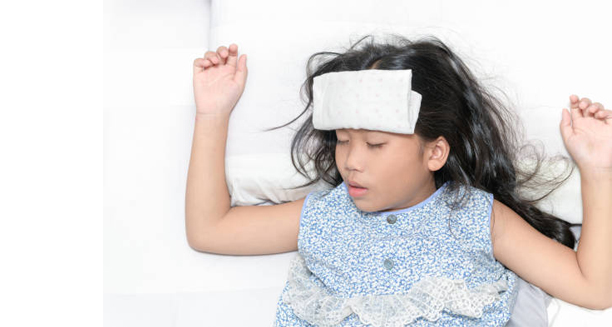
Child lying in bed with a fever compress on forehead during a febrile seizure

Febrile Seizures

Febrile Seizures These Febrile seizures are convulsions that occur in young children due to a sudden rise in body temperature. Often, during a fever caused by infection. These seizures typically affect children between six months and five years of age and are not related to epilepsy or long-term brain damage. Although frightening for parents, they are usually harmless and do not cause lasting harm. During a these seizure, the child may lose consciousness, shake or twitch their limbs, roll their eyes, or become stiff. These episodes generally last less than five minutes, though they can feel much longer to those watching. The child may be sleepy or confused after the seizure but usually recovers fully within a short time. These seizures are relatively common, occurring in 2% to 5% of children worldwide. They are usually linked to viral or bacterial infections that cause a rapid spike in temperature, such as flu, ear infections, or tonsillitis. It is not always the height of the fever that triggers a seizure—but rather how quickly the temperature rises. Febrile Seizures There are two types: simple febrile seizures (brief and generalised) and complex febrile seizures (longer, recurring, or affecting one side of the body). Simple seizures are more common and less concerning from a neurological perspective. Understanding these seizures helps parents respond calmly, seek appropriate care, and avoid unnecessary panic during a very distressing moment. [Next: Causes of Febrile Seizures →]

Febrile Seizures Read More »

Hand blocking virus particles representing infection causes of febrile seizures

Causes of Febrile Seizures

Causes of Febrile Seizures The causes of febrile seizures are linked to the rapid rise in body temperature during infections. These seizures are not caused by epilepsy, brain injury, or low blood sugar, but by a developing nervous system’s response to fever. They are more about how the child’s brain reacts to temperature changes than the illness itself. Infections Triggering Fever Common illnesses that can trigger febrile seizures include: Viral infections, such as influenza, roseola, and adenovirus Bacterial infections, like tonsillitis, ear infections, and pneumonia Childhood illnesses, such as measles or chickenpox Post-vaccination fever, occasionally seen after immunisations like MMR (measles, mumps, rubella) It’s important to note that febrile seizures are not caused by the vaccine itself but by the fever that may follow as a natural immune response. Fever Response in Young Children Young children have immature thermoregulatory and nervous systems. When their temperature rises quickly—particularly over 38.5°C (101.3°F)—the brain may respond with a seizure. This is more likely during the first day of fever. Factors increasing seizure risk: Rapid temperature rise, rather than the highest temperature reached First-time fevers, especially in infants Sleep or drowsiness, as seizures are more likely when the brain is already in a relaxed state Genetic Predisposition There is a strong hereditary element: A child is more likely to have febrile seizures if a parent or sibling had them Some families may carry genes that make children more sensitive to fever spikes However, most children with febrile seizures do not go on to develop epilepsy Not Caused By Febrile seizures are not caused by: Head injuries Low blood sugar Teething Poor parenting or neglect Epileptic disorders (though the distinction can require assessment) Causes of Febrile Seizures Understanding the causes of febrile seizures reassures parents that they are not due to anything they’ve done wrong and helps reduce unnecessary worry during future fevers. [Next: Symptoms of Febrile Seizures →]

Causes of Febrile Seizures Read More »

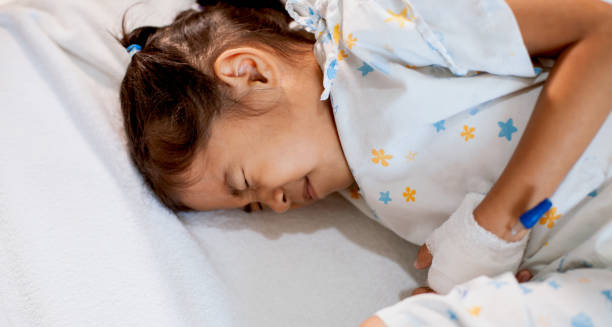
Child experiencing a febrile seizure while lying in a hospital bed

Symptoms of Febrile Seizures

Symptoms of Febrile Seizures The symptoms of febrile seizures can be alarming but are usually brief and self-limiting. Febrile seizures almost always happen in the early stages of a fever and may be the first sign that a child is unwell. Recognising the signs helps ensure a quick and calm response. Simple Febrile Seizures These are the most common type. They usually: Occur once during a single fever episode Last less than 5 minutes Affect both sides of the body Cause loss of consciousness and generalised shaking or stiffness During the seizure, the child may: Lose awareness or appear unresponsive Stiffen their body or jerk their arms and legs rhythmically Roll their eyes or clench their jaw Become flushed or pale Drool or foam at the mouth Once the seizure ends, the child may be sleepy, irritable, or briefly confused—but they usually recover fully within 15–30 minutes. Complex Febrile Seizures These are less common and: Last more than 15 minutes Occur more than once in 24 hours Affect only one part of the body (focal seizures) Children with complex febrile seizures may need additional medical evaluation, including blood tests or scans, to rule out other causes. Warning Signs Before a Seizure Parents may notice: Rapid fever rise, even if the child doesn’t seem very sick Sudden irritability, tiredness, or shivering High-pitched cry or sudden unresponsiveness just before the seizure starts When to Seek Emergency Help Always seek immediate medical attention if: The seizure lasts longer than 5 minutes The child has difficulty breathing or turns blue The seizure happens after a head injury The child has a stiff neck, rash, or is difficult to wake after the seizure It is the child’s first seizure These signs may suggest something more serious, such as meningitis or epilepsy, and require urgent care. Symptoms of Febrile Seizures Recognising the symptoms of febrile seizures ensures parents stay alert and respond calmly. While the event can be distressing, reassurance, observation, and follow-up are usually all that’s required after a simple febrile episode. [Next: Diagnosis of Febrile Seizures→]

Symptoms of Febrile Seizures Read More »

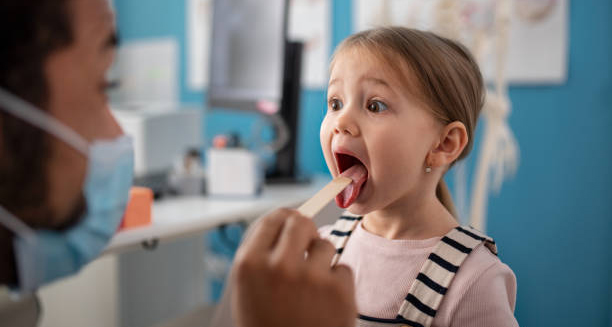
Paediatrician examining young girl for febrile seizure diagnosis

Diagnosis of Febrile Seizures

Diagnosis of Febrile Seizures The diagnosis of febrile seizures is mainly clinical, based on a clear history of seizure activity during a fever in a child between six months and five years old. Febrile seizures are usually diagnosed by a general practitioner, paediatrician, or emergency room doctor after careful examination and observation. Medical History and Observation Doctors ask detailed questions, including: Child’s age at the time of the seizure Duration and nature of the seizure (generalised or focal) Presence of fever before or during the seizure Whether it was the first seizure episode Family history of febrile seizures or epilepsy They will also check: If the child regained consciousness quickly Whether the seizure recurred within 24 hours Signs of a current or recent infection If the seizure fits the pattern of a simple febrile seizure, no further investigations are typically required. Physical Examination The doctor will examine: Temperature and vital signs Neck stiffness or rash (to rule out meningitis) Ear, throat, and chest for signs of infection Neurological responses (reflexes, eye tracking, responsiveness) A normal exam with signs of a viral illness supports the diagnosis of febrile seizures. When Tests Are Needed Further testing may be recommended if: The child is younger than six months or older than five years The seizure lasted more than 15 minutes There were multiple seizures in one day The child had focal (one-sided) movements The child did not recover consciousness promptly These cases are classified as complex febrile seizures, and further evaluation is needed. Tests may include: Blood and urine tests, to check for infection or metabolic imbalances Lumbar puncture, if meningitis or encephalitis is suspected (especially in infants) Electroencephalogram (EEG), if epilepsy is a concern CT or MRI scan, in rare cases, to rule out structural brain problems Differential Diagnosis Doctors must rule out: Meningitis or brain infection Epilepsy, if seizures occur without fever or continue after age 6 Breath-holding spells, fainting, or other non-epileptic events A thorough history and examination are usually enough to make a confident diagnosis. Diagnosis of Febrile Seizures The diagnosis of febrile seizures is mostly straightforward. For typical cases, reassurance and fever management are all that’s needed, while more complex or unusual episodes require additional assessment. [Next: Treatment of Febrile Seizures →]

Diagnosis of Febrile Seizures Read More »

Mother helping child during febrile seizure recovery

Treatment of Febrile Seizures

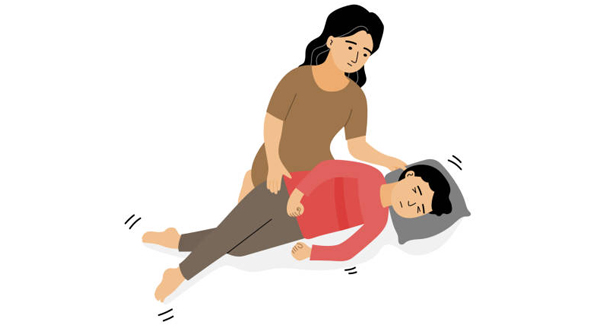
Treatment of Febrile Seizures The treatment of febrile seizures focuses on managing the seizure, reducing fever, and preventing harm. Febrile seizures usually resolve on their own within minutes and do not require long-term medication or hospitalisation in most cases. Immediate Steps During a Seizure If a child is having a seizure: Stay calm and place the child on their side (recovery position) Clear the area of hard or sharp objects Do not restrain the child’s movements Do not put anything in the mouth (including food, medicine, or fingers) Loosen tight clothing, especially around the neck Time the seizure — seek medical help if it lasts longer than 5 minutes After the seizure ends, keep the child in the recovery position and allow them to rest. They may be drowsy or confused for a short time. Reducing the Fever While fever reduction won’t stop a seizure once it begins, it may help the child feel more comfortable: Use paracetamol or ibuprofen Keep the child hydrated Dress the child in light clothing Use tepid sponging sparingly—avoid cold baths or ice These measures may ease discomfort but don’t necessarily prevent febrile seizures. When to Go to Hospital | Treatment of Febrile Seizures Take the child to hospital or call emergency services if: The seizure lasts longer than 5 minutes The child doesn’t wake up fully after 15 minutes There is difficulty breathing or bluish skin The child has a stiff neck, vomiting, or rash It’s the first febrile seizure or an unusual presentation Doctors may observe the child briefly and rule out serious infections. Long-Term Management Most children do not need daily medication. However: Children with complex febrile seizures or a strong family history of epilepsy may need further evaluation Rescue medications like rectal diazepam or buccal midazolam may be prescribed for children who have long seizures Follow-up with a paediatrician may be advised in certain cases Parental Reassurance and Education Parents should be: Reassured that febrile seizures are not dangerous or harmful in most cases Educated on what to do during future episodes Encouraged to treat fevers promptly, not to prevent seizures but to reduce distress The treatment of febrile seizures is mostly about immediate care and reassurance. With clear instructions and follow-up, most families cope well after the first event. [Next: Complications of Febrile Seizures →]

Treatment of Febrile Seizures Read More »

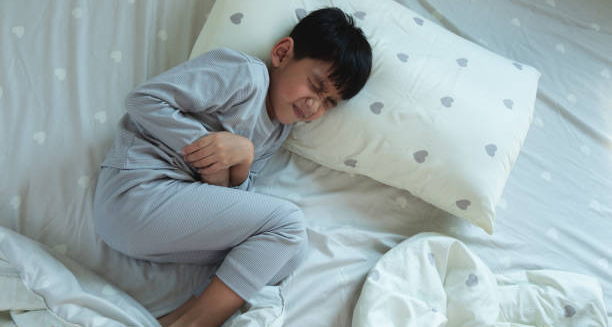
Young boy in pain holding his stomach during a febrile seizure episode

Complications of Febrile Seizures

Complications of Febrile Seizures The complications of febrile seizures are rare, but the condition can still cause anxiety and disruption for families. Most children with febrile seizures recover fully with no long-term effects. However, a small number may face further challenges. Physical Complications Simple febrile seizures do not cause: Brain damage Learning disabilities Paralysis Developmental delay They are not linked to sudden death or major injury unless a serious underlying illness is present. Risk of Epilepsy The chance of developing epilepsy after febrile seizures is slightly increased, especially in children who have: Complex febrile seizures A family history of epilepsy Neurological abnormalities or developmental delays Febrile seizures before 12 months of age Even then, most children (over 95%) do not go on to develop epilepsy. Recurrence of Seizures Around 1 in 3 children who have a febrile seizure will experience another during future fevers. Recurrence is more likely if: The first seizure occurred at a young age The fever was not very high There is a strong family history Despite recurrence, most children outgrow febrile seizures by age five or six. Parental Anxiety Many parents feel traumatised or frightened after witnessing a seizure Fear of future episodes can lead to over-monitoring or avoiding social situations Guilt or self-blame is common, even though nothing could have prevented the event Education and support are essential to help families manage future episodes with confidence. Emotional and Social Impact Children may be kept out of daycare or school unnecessarily Siblings or caregivers may also feel anxious or overprotective In rare cases, the seizure may highlight an undiagnosed infection, such as meningitis, requiring hospital care Healthcare teams must balance safety with reassurance to reduce unnecessary alarm. Medical Complications (Rare) Serious complications are extremely rare but may occur if: The seizure is prolonged (>15 minutes) The child has an underlying brain condition A serious infection is present and undiagnosed Prompt medical care minimises these risks. Complications of Febrile Seizures The complications of febrile seizures are minimal in most cases. With proper guidance and follow-up, the overwhelming majority of children recover completely and continue to develop normally. [Next: Complications of Febrile Seizures →]

Complications of Febrile Seizures Read More »

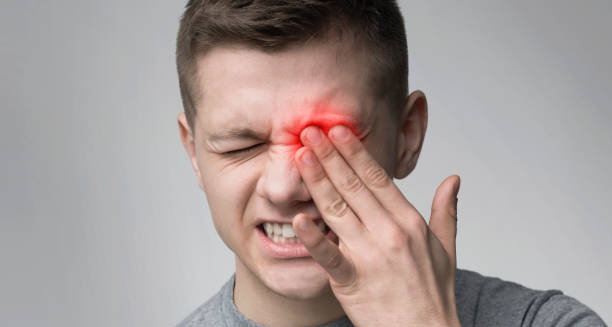
Man holding eye in pain with red inflammation indicating an eye injury

Eye Injuries

Eye Injuries This condition, eye injuries refer to any physical harm affecting the eye or its surrounding structures, including the eyelids, cornea, retina, and orbit. These injuries can range from minor irritations to serious trauma that threatens vision. Whether caused by accidents, chemicals, sports, or workplace incidents. All these injuries should be taken seriously—even those that seem minor at first. There are several types of these injuries: Corneal abrasions – scratches on the surface of the eye Blunt trauma – from being hit by an object Penetrating injuries – when something pierces the eye Chemical burns – from household cleaners, industrial substances, or workplace exposure Foreign objects – dust, metal shavings, or wood splinters that enter the eye Common symptoms include redness, pain, tearing, blurred vision, light sensitivity, or the feeling of something stuck in the eye. In more severe cases, there may be bleeding, swelling, or visible damage. Eye Injuries Prompt treatment is essential. Even minor scratches or irritation can lead to infection or long-term damage if not addressed properly. Severe eye trauma requires emergency medical attention to preserve sight. Globally, these injuries are a major cause of preventable blindness—especially in children, workers, and athletes. Proper protection, awareness, and fast care help prevent many injuries or ensure they are successfully treated. [Next: Causes of Eye Injuries →]

Eye Injuries Read More »

Causes of Eye Injuries

Causes of Eye Injuries

Causes of Eye Injuries The causes of eye injuries are varied and depend on factors such as environment, occupation, recreational activities, and personal habits. Eye injuries often occur suddenly and unexpectedly, but many can be prevented with basic safety measures. Common Causes of Eye Injuries 1. Foreign Bodies Tiny particles like sand, dust, metal shavings, or wood chips Common in construction, metalworking, or gardening Can cause scratches (corneal abrasions) or embed in the eye’s surface 2. Blunt Trauma Caused by fists, balls, tools, or falls Can result in: Black eye (bruise) Hyphema – bleeding inside the eye Orbital fractures – break in the eye socket Retinal detachment, in severe cases 3. Penetrating Injuries Occur when sharp objects like scissors, knives, broken glass, or wires pierce the eye These are medical emergencies requiring immediate surgery 4. Chemical Exposure Household cleaning products, industrial solvents, or gardening chemicals Acid or alkali burns can rapidly damage the eye’s surface and inner structures Immediate irrigation is critical to reduce damage 5. Radiation and Light Injuries Overexposure to UV light (e.g., welding without eye protection) Sunlight reflected off snow or water (snow blindness) Laser exposure or bright camera flashes (rarely harmful but irritating) 6. Thermal Burns Caused by sparks, boiling water, or hot grease Often seen in kitchens, industrial settings, or during fires 7. Sports-Related Injuries Common in contact sports like rugby, boxing, basketball, or racquet sports Often the result of accidental elbow strikes, ball impact, or flying equipment 8. Childhood Accidents Toys, pencils, and small projectiles can easily injure children’s eyes Many childhood eye injuries occur at home or school High-Risk Environments | Causes of Eye Injuries People working in construction, metalwork, laboratories, or agriculture face a higher risk. Using proper safety goggles and shields significantly reduces incidents. Understanding the causes of eye injuries helps in both prevention and early action when injuries occur. [Next: Symptoms of Eye Injuries →]

Causes of Eye Injuries Read More »

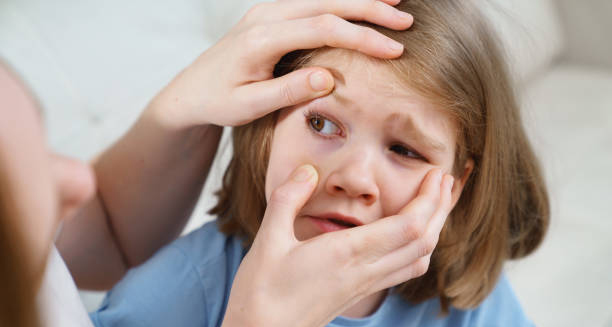
Adult examining young girl’s injured eye for signs of trauma

Symptoms of Eye Injuries

Symptoms of Eye Injuries The symptoms of eye injuries vary depending on the type and severity of trauma. Eye injuries can affect vision, comfort, and the physical structure of the eye. Some signs may appear immediately, while others develop over hours or days. Quick recognition of symptoms leads to better outcomes. General Symptoms Most eye injuries present with: Eye pain or discomfort Redness and irritation Tearing or watery eyes Blurry or distorted vision Light sensitivity (photophobia) Swelling of the eyelids or surrounding tissue A feeling of something in the eye (foreign body sensation) These symptoms may occur in one or both eyes, depending on the injury’s cause. Specific Symptoms by Injury Type 1. Corneal Abrasions Sharp, stinging pain Excessive tearing Sensitivity to light Foreign body sensation Even small scratches can cause intense discomfort. 2. Foreign Object in the Eye Gritty feeling Inability to keep the eye open Visible particle on the eye’s surface Reflexive blinking 3. Blunt Trauma Swelling and bruising (black eye) Double vision Headache or facial pain Difficulty moving the eye Vision changes Internal damage like retinal detachment may not cause pain but can result in sudden flashes of light or a “curtain” over vision. 4. Chemical Burns Intense burning or stinging Redness and blurred vision Difficulty opening the eye Pain may worsen over time if not treated Alkaline chemicals often cause more severe damage than acids. 5. Penetrating Injuries Severe eye pain Visible cut or hole in the eye Eye contents may leak or appear misshapen Bleeding or swelling inside the eye Sudden loss of vision These are medical emergencies and should never be touched or rinsed without guidance. When to Seek Medical Help | Symptoms of Eye Injuries You should see an eye doctor urgently if you experience: Sudden vision loss Ongoing pain A foreign object that cannot be removed Blood in or around the eye Persistent double vision Any trauma caused by chemicals or sharp objects Identifying the symptoms of eye injuries early helps prevent complications and permanent damage. [Next: Diagnosis of Eye Injuries→]

Symptoms of Eye Injuries Read More »

Scroll to Top