Mental Matters

Author name: admin

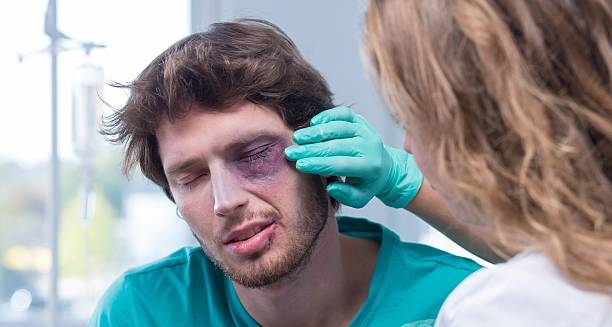
Medical professional examining bruised eye of an injured man

Diagnosis of Eye Injuries

Diagnosis of Eye Injuries The diagnosis of eye injuries begins with a detailed history and clinical examination. Because eye injuries can range from mild surface irritation to life-threatening trauma, early and accurate assessment is essential. Misdiagnosis or delay can lead to long-term complications, including vision loss. Initial Evaluation Doctors first ask about: How and when the injury occurred What object or substance caused it Whether vision changed immediately after the incident Presence of pain, discharge, or swelling Any previous eye conditions or use of contact lenses This information helps determine if the injury is likely blunt, penetrating, chemical, or foreign-body related. Visual Acuity Test A standard eye chart test checks how well the person can see in each eye. Any significant drop in vision may indicate internal damage and warrants further investigation. Physical Examination A thorough examination includes: External inspection of the eyelids and surrounding tissue for bruising, cuts, or swelling Slit lamp examination, using magnification and light to check the cornea, iris, and anterior chamber Pupil reactivity, to assess for neurological or structural damage Eye movement testing, to detect muscle injury or nerve damage Any difficulty moving the eye may suggest orbital fracture or nerve involvement. Special Tests 1. Fluorescein Staining A special dye is applied to highlight corneal abrasions or foreign bodies Viewed under blue light, scratches or defects glow green 2. Tonometry Measures intraocular pressure, useful in trauma cases where glaucoma or bleeding is suspected 3. Ocular Ultrasound Performed when the eye cannot be opened or if internal bleeding blocks visualisation Useful for detecting retinal detachment, vitreous haemorrhage, or foreign objects 4. X-rays or CT Scans Recommended if orbital fractures, embedded foreign bodies, or deep trauma are suspected CT scans are especially helpful for evaluating penetrating injuries or assessing damage behind the eye When to Refer | Diagnosis of Eye Injuries Referral to an ophthalmologist is necessary for: Chemical burns Penetrating trauma Intraocular foreign bodies Persistent vision loss Suspected retinal or optic nerve damage The diagnosis of eye injuries must be handled with care. Thorough assessment ensures prompt, appropriate treatment and minimises long-term risk. [Next: Treatment of Eye Injuries →]

Diagnosis of Eye Injuries Read More »

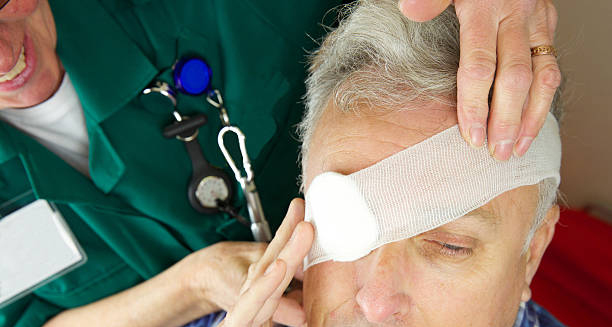
Medical professional applying bandage to injured man's eye

Treatment of Eye Injuries

Treatment of Eye Injuries The treatment of eye injuries varies depending on the severity and type of injury. Eye injuries may require anything from simple flushing with clean water to emergency surgery. Early treatment helps preserve vision, reduce discomfort, and prevent infection or complications. Immediate First Aid For all types of injuries: Avoid rubbing or touching the eye Do not apply pressure to the injured area Use clean water or saline to rinse the eye in case of chemical exposure Remove contact lenses only if they are not stuck or painful Seek medical care urgently if symptoms worsen or do not improve quickly Treatment by Injury Type 1. Corneal Abrasions Treated with antibiotic eye drops or ointment to prevent infection Lubricating eye drops ease discomfort Most heal within a few days 2. Foreign Bodies Removed gently using sterile instruments or irrigation Anaesthetic eye drops may be used during removal Followed by antibiotic drops to prevent infection If the foreign object is embedded, specialist removal may be required. 3. Blunt Trauma Cold compresses help reduce swelling Pain relief with oral anti-inflammatory medications Monitoring for complications like retinal detachment or hyphema is essential In some cases, referral to a hospital or eye specialist is necessary 4. Penetrating Injuries Do not remove the object yourself Cover the eye with a rigid shield (not pressure patch) Immediate surgical consultation is required Antibiotics and tetanus prevention are started urgently These injuries are vision-threatening and need rapid, expert intervention. 5. Chemical Burns Irrigate immediately with water or saline for 15–30 minutes Doctors know that flushing the eye as soon as possible leads to better outcomes Alkaline burns are more dangerous than acids and need longer rinsing Follow-up treatment includes anti-inflammatory and antibiotic drops 6. Orbital Fractures Mild cases may heal with rest and cold compresses Severe fractures may require surgical repair Doctors give antibiotics to prevent sinus infections from spreading to the eye Follow-Up and Monitoring | Treatment of Eye Injuries Doctors may need to re-examine patients over several days to monitor healing Doctors must promptly address infections, delayed swelling, or vision changes The treatment of eye injuries depends on fast action, the right tools, and careful follow-up. Patients should always seek professional medical advice if they have any doubt about the severity. [Next: Complications of Eye Injuries →]

Treatment of Eye Injuries Read More »

Young boy wearing glasses with an eye patch on one eye

Complications of Eye Injuries

Complications of Eye Injuries The complications of eye injuries can range from short-term discomfort to permanent vision loss. Eye injuries, especially those that are deep, neglected, or improperly treated, may result in serious and sometimes irreversible outcomes. Common Short-Term Complications 1. Infection Any scratch or foreign object can lead to a bacterial infection if not treated Conjunctivitis, keratitis, or orbital cellulitis may follow Redness, discharge, or increased pain after injury could signal infection 2. Corneal Scarring Deep abrasions or untreated ulcers may cause scar tissue Can lead to blurry vision, glare, or even need for corneal transplant 3. Photophobia and Dry Eye Light sensitivity is common after corneal injury Some injuries damage tear production, leading to chronic dry eye Serious Long-Term Complications 4. Retinal Detachment Often the result of blunt trauma Causes flashes of light, floaters, or a “curtain” effect in the field of vision Surgical treatment is urgent to prevent permanent blindness 5. Glaucoma May develop after trauma due to increased intraocular pressure Can be painless in early stages but causes irreversible vision loss if untreated 6. Vision Loss Severe trauma may result in partial or total blindness Caused by optic nerve damage, globe rupture, or infection Some vision loss is immediate, while other cases worsen over time 7. Cosmetic Deformity Eyelid damage or eye shrinking (phthisis bulbi) may lead to changes in appearance May require reconstructive surgery or a prosthetic eye Psychological and Functional Impact Anxiety and fear, especially if vision is affected Loss of confidence or independence Challenges with reading, driving, working, or recognising faces Impact on quality of life, particularly in children or working adults Prevention of Complications of Eye Injuries Timely diagnosis and appropriate treatment Wearing eye protection during high-risk activities Adhering to follow-up care and completing antibiotic or steroid courses The complications of eye injuries are often preventable. Education, safety equipment, and access to emergency care play a vital role in reducing the burden of trauma-related vision loss. [Next: Back to Overview →]

Complications of Eye Injuries Read More »

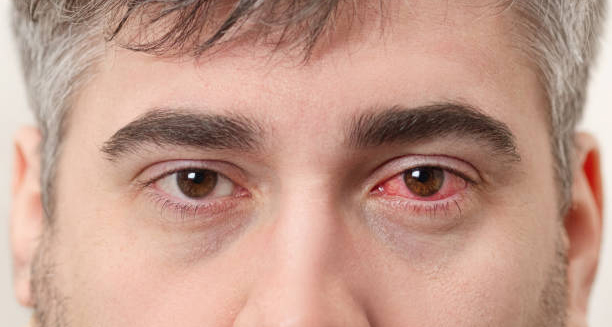
Close-up of a man with red, infected eye

Eye Infections

Eye Infections Eye infections occur when bacteria, viruses, fungi, or parasites invade the surface or inner parts of the eye. These infections can affect any part of the eye, including the eyelids, conjunctiva, cornea, and deeper structures. While many are mild and resolve with treatment, others can lead to vision loss or complications if not addressed promptly. The most common types of Eye Infections include: Conjunctivitis (pink eye) Keratitis (corneal infection) Blepharitis (eyelid inflammation) Endophthalmitis (severe internal infection) Stye or chalazion (eyelid gland infection) Symptoms often include redness, itching, swelling, discharge, pain, or blurred vision. In some cases, patients may experience light sensitivity or feel like something is in their eye. The exact symptoms depend on the cause and location of the infection. Anyone can develop this infection, but people who wear contact lenses, have a weakened immune system, or live in areas with poor water sanitation may be at higher risk. Travellers are also more susceptible due to exposure to unfamiliar pathogens or unsanitary environments. Globally, these infections contribute significantly to temporary and permanent vision problems. Prompt treatment and proper hygiene can reduce the risk and severity of infection, preserving vision and comfort. [Next: Causes of Eye Infections →]

Eye Infections Read More »

Illustration of virus particles causing eye infection

Causes of Eye Infections

Causes of Eye Infections The causes of eye infections depend on the type of organism involved. Eye infections can be caused by bacteria, viruses, fungi, or parasites—each requiring different treatment and carrying varying risks. Bacterial Infections Bacteria are among the most common causes of eye infections. They may result from: Staphylococcus aureus, commonly found on the skin Streptococcus pneumoniae, often linked to respiratory infections Pseudomonas aeruginosa, particularly in contact lens users Bacterial conjunctivitis causes red, sticky eyes with yellow or green discharge. More serious infections like bacterial keratitis or endophthalmitis may follow trauma, surgery, or contact lens misuse. Viral Infections Viruses such as: Adenoviruses – the most common cause of viral conjunctivitis (highly contagious) Herpes simplex virus (HSV) – can infect the cornea and lead to recurrent keratitis Varicella-zoster virus – causes shingles near the eye, which may affect the cornea or retina Viral infections are often harder to treat than bacterial ones, as antibiotics have no effect. Antiviral medications or supportive care are usually required. Fungal Infections Fungal eye infections are less common but can be severe: Fusarium or Aspergillus fungi may enter the eye after trauma with organic material Common in tropical or agricultural areas Often seen in people with compromised immunity or those using corticosteroid eye drops These infections can be sight-threatening and require antifungal eye drops or systemic treatment. Parasitic Infections One of the most serious parasitic infections is caused by: Acanthamoeba – found in water and soil, it can infect the cornea, especially in contact lens wearers who rinse lenses with tap water These infections are rare but extremely painful and difficult to treat. Risk Factors | Causes of Eye Infections Poor hygiene Use of contaminated eye makeup or lenses Eye injury or surgery Swimming in unclean water Chronic illness or immunosuppression Understanding the causes of eye infections helps doctors choose the correct treatment early and prevent vision loss. [Next: Symptoms of Eye Infections →]

Causes of Eye Infections Read More »

Woman touching her eye in discomfort

Symptoms of Eye Infections

Symptoms of Eye Infections The symptoms of eye infections vary depending on the cause and part of the eye affected. Eye infections may range from mild irritation to severe pain and vision loss. Prompt recognition and treatment are crucial to prevent long-term complications. General Symptoms Most eye infections share a set of common signs: Redness of the eye or eyelid Eye discharge – clear, yellow, green, or thick mucus Itching or burning sensation Watery eyes Swelling of the eyelid or conjunctiva Gritty feeling, as if something is in the eye Sensitivity to light (photophobia) Blurred vision or reduced clarity These symptoms can affect one or both eyes, depending on the infection type and severity. Bacterial Infections Thick, yellow or green discharge Eyes stuck shut in the morning Swelling and tenderness around the eye Conjunctivitis caused by bacteria typically starts in one eye and spreads to the other. Viral Infections Watery discharge Redness and swelling, often with a scratchy or gritty sensation Associated cold or sore throat Viral conjunctivitis is highly contagious and often affects both eyes. Fungal Infections Persistent redness and eye pain Blurred vision that worsens over time History of trauma with plant matter or contact lens overuse These symptoms tend to develop slowly but can become severe without treatment. Parasitic Infections Severe pain, particularly in contact lens wearers Light sensitivity Rings or haze in the cornea (seen by a specialist) These signs require urgent ophthalmic care. When to Seek Help | Symptoms of Eye Infections Seek immediate medical attention if you notice: Sudden vision loss Intense eye pain Swelling around the eye that spreads to the face Inability to open the eye properly Persistent symptoms not improving in 48 hours Early recognition of symptoms of eye infections leads to more effective treatment and a lower risk of permanent damage. [Next: Diagnosis of Eye Infections→]

Symptoms of Eye Infections Read More »

Doctor examining a young woman's eyes

Diagnosis of Eye Infections

Diagnosis of Eye Infections The diagnosis of eye infections typically begins with a clinical examination by an eye care professional. Because eye infections vary widely in severity and cause, it is important to correctly identify the underlying issue to provide effective treatment and prevent complications. Medical History and Symptom Review Doctors begin by asking detailed questions about: When the symptoms started What kind of discharge is present (watery, thick, coloured) Whether one or both eyes are affected Any recent illness, like a cold or sore throat Use of contact lenses or recent eye injury History of travel or exposure to contaminated water These questions help narrow down whether the infection is bacterial, viral, fungal, or parasitic. Eye Examination A visual inspection is the first step. Doctors use tools like: Slit lamp microscope – Allows a close-up view of the cornea, iris, and conjunctiva Ophthalmoscope – To assess the retina and optic nerve if infection may involve the inner eye Fluorescein dye test – Highlights damage to the cornea and identifies ulcers or abrasions Swelling, redness, corneal haze, or discharge help determine the likely cause and site of infection. Swabs and Cultures For persistent or severe cases, a sample of eye discharge may be collected: Bacterial cultures – Help determine the exact strain and antibiotic sensitivity Viral PCR testing – Detects specific viruses such as adenovirus or herpes Fungal or parasitic tests, where suspected, are more specialised and may take longer Swabs are especially useful if the infection doesn’t respond to first-line treatments or recurs frequently. Additional Investigations If the infection is severe or vision-threatening: Ultrasound of the eye may be done if visibility is limited by swelling or opacities Blood tests could be ordered if a systemic infection or immune deficiency is suspected Imaging such as CT or MRI may be used in rare cases when orbital cellulitis or internal spread is a concern Contact Lens Users If a contact lens-related infection is suspected, the lenses and storage case may also be tested to identify contamination. Importance of Timely Diagnosis of Eye Infections Early and accurate diagnosis ensures targeted treatment. Misdiagnosing a viral infection as bacterial (or vice versa) can lead to ineffective therapy, prolonged symptoms, or worse outcomes. The diagnosis of eye infections is usually straightforward but may require specialised tools or lab tests in more complex cases. Prompt evaluation protects vision and speeds recovery. [Next: Treatment of Eye Infections →]

Diagnosis of Eye Infections Read More »

Woman applying eye drops for eye infection

Treatment of Eye Infections

Treatment of Eye Infections The treatment of eye infections depends on the underlying cause—whether bacterial, viral, fungal, or parasitic. Doctors can often treat eye infections successfully with eye drops, ointments, or oral medications. However, some severe infections require urgent specialist care. Bacterial Infections Mild to moderate bacterial infections are treated with: Antibiotic eye drops, such as chloramphenicol or ofloxacin Antibiotic ointments, for cases involving the eyelid Warm compresses, to reduce swelling and ease discomfort In more serious infections like bacterial keratitis or endophthalmitis, treatment may include: Stronger antibiotic eye drops, applied frequently throughout the day Oral antibiotics, especially if the surrounding tissues are involved Hospital admission for intensive care in rare, vision-threatening cases Viral Infections Most viral infections, such as adenoviral conjunctivitis, do not require antibiotics. Treatment focuses on: Cold compresses Artificial tears Good hygiene practices, to prevent spread Doctors prescribe antiviral eye drops or oral antivirals like acyclovir to treat herpes simplex eye infections. Patients must take these promptly to prevent corneal scarring or recurrence. Fungal Infections Fungal infections of the eye, though rare, are serious: Treated with antifungal eye drops (e.g., natamycin) May require oral antifungal medication Severe cases sometimes need surgical intervention or corneal transplant These infections respond slowly and require prolonged treatment. Parasitic Infections Parasitic infections like Acanthamoeba keratitis are treated with: Antiseptic eye drops Pain relief Contact lens suspension during treatment These cases often need long-term care and may result in vision damage if not treated early. Supportive Care for All Types Avoid using contact lenses during active infection Do not share towels or cosmetics Dispose of old makeup and lens cases Regular handwashing, especially when applying eye medication When Surgery Is Needed | Treatment of Eye Infections In severe cases like abscess formation, corneal perforation, or endophthalmitis, doctors may need to perform surgical drainage or a vitrectomy. Early surgical consultation improves outcomes. The treatment of eye infections is most effective when tailored to the specific cause. Timely intervention prevents complications and restores eye health. [Next: Complications of Eye Infections →]

Treatment of Eye Infections Read More »

Elderly man experiencing eye discomfort from infection complications

Complications of Eye Infections

Complications of Eye Infections The complications of eye infections can range from mild irritation to serious, long-term vision problems. When eye infections are left untreated or not managed properly, they may lead to structural damage, scarring, or even blindness—especially in aggressive or deep-seated infections. Common Complications 1. Corneal Scarring Occurs when the infection damages the outer layer of the eye (the cornea) May cause permanent blurred vision or glare sensitivity Often follows severe keratitis or herpetic infections 2. Vision Loss Results from damage to the retina, optic nerve, or extensive corneal injury Can be partial or total, depending on severity More common in untreated or drug-resistant infections 3. Spread of Infection Bacteria or fungi may spread beyond the eye to the orbit (eye socket), causing orbital cellulitis In rare cases, the infection may enter the bloodstream or brain, leading to sepsis or meningitis Prompt treatment reduces this risk dramatically. 4. Chronic Dry Eye or Irritation Especially after viral conjunctivitis or prolonged use of antibiotic drops Can lead to long-term discomfort and visual fatigue 5. Recurrent Infections Common in herpes simplex virus, which lies dormant and can reactivate Poor lens hygiene may lead to repeated infections in contact lens users Surgical Complications In cases where surgery is needed: Corneal transplant risks include rejection, infection, and scarring Vitrectomy carries risks of bleeding or retinal detachment Careful follow-up is needed after any procedure Emotional and Lifestyle Impact Missed work or school days, due to discomfort and visual disturbance Embarrassment or anxiety, particularly if infection is visible or contagious Cost of treatment, especially in countries where specialist care is limited or not publicly funded Global Health Concerns | Complications of Eye Infections In low-resource settings, delayed treatment often leads to worse outcomes. Avoidable blindness from eye infections remains a global challenge, particularly in areas lacking basic healthcare, sanitation, or eye protection education. The complications of eye infections are preventable in most cases. Timely diagnosis, correct treatment, and good hygiene can preserve sight and prevent long-term problems. [Next: Complications of Eye Infections →]

Complications of Eye Infections Read More »

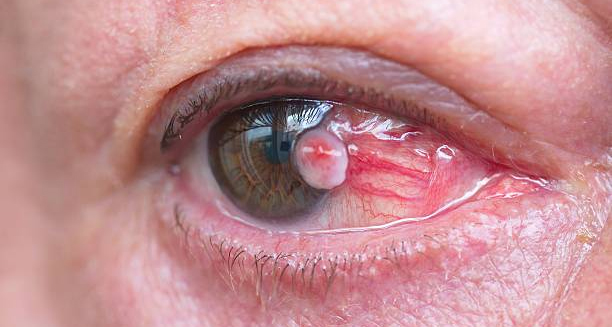
Close-up of eye showing visible tumour from eye cancer

Eye Cancer

Eye Cancer Eye cancer refers to any cancer that starts in or around the eye. Although rare, thiscancer can affect people of all ages and may develop in different parts of the eye, including the eyeball (globe), eyelid, orbit (eye socket), or conjunctiva. When detected early, many types of this cancer are treatable, but some can lead to vision loss or spread to other parts of the body if not addressed promptly. There are several types of this cancer. The most common in adults is intraocular melanoma, which begins in the pigmented cells of the eye. In children, the most prevalent form is retinoblastoma, a genetic cancer that affects the retina. Other forms include squamous cell carcinoma, lymphoma, and sebaceous gland carcinoma, each with varying levels of aggressiveness. Symptoms may be subtle and are sometimes mistaken for benign eye conditions. These include blurry vision, changes in eye colour, visible tumours, or flashes of light. In some cases, this cancer is discovered during routine eye examinations, emphasising the importance of regular vision screening. Eye Cancer While the exact cause of this cancer is not always known, genetic mutations, prolonged UV exposure, and family history may play a role. Research into early genetic markers and improved imaging techniques continues to advance detection and treatment. Globally, this cancer remains rare, but its impact on vision, appearance, and health can be profound. Recognising the signs early and seeking specialised care are essential for protecting sight and overall wellbeing. [Next: Causes of Eye Cancer →]

Eye Cancer Read More »

Scroll to Top