Mental Matters

Author name: admin

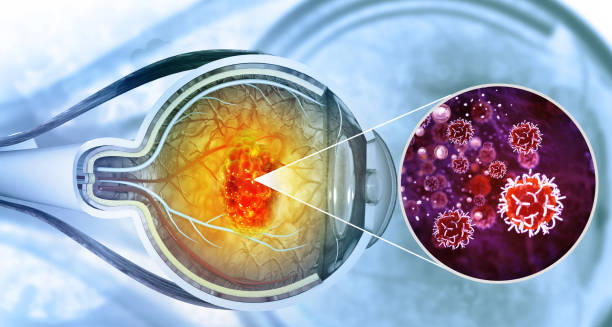
Medical illustration showing cancer cells inside the eye

Causes of Eye Cancer

Causes of Eye Cancer The causes of eye cancer are not always fully understood, but a number of genetic, environmental, and medical risk factors have been identified. Eye cancer arises when abnormal cells grow uncontrollably in or around the eye, often due to mutations in DNA that affect cell division and repair. Genetic Mutations Certain forms of eye cancer, such as retinoblastoma, are linked to inherited genetic mutations. In these cases, children inherit a faulty gene (RB1) that predisposes them to tumour growth in the retina. While rare, this form is aggressive and usually diagnosed before the age of five. In ocular melanoma, mutations in genes such as GNAQ, GNA11, and BAP1 have been associated with increased cancer risk. These mutations can occur spontaneously or be influenced by environmental exposures. UV Radiation Exposure Just like skin cancer, ultraviolet (UV) radiation from the sun or tanning beds may contribute to eye cancer, particularly in fair-skinned individuals. Long-term exposure without eye protection may increase the risk of conjunctival melanoma and other surface cancers of the eye. Wearing sunglasses that block UV-A and UV-B rays is a simple yet effective way to reduce this risk. Eye Colour and Ethnicity People with lighter eye colours—such as blue or green—have a slightly higher risk of developing uveal melanoma. This may be due to reduced pigment protection within the eye. Incidence rates also vary by ethnic group, with white populations experiencing higher rates of intraocular cancers than those with darker skin tones. Pre-existing Conditions Some conditions may raise the risk of developing eye cancer: Oculodermal melanocytosis, which causes increased pigmentation in the eye and surrounding skin AIDS-related immunosuppression, which increases the risk of lymphoma in the eye Chronic inflammation, such as long-standing uveitis Environmental and Occupational Exposure There is ongoing research into the role of chemical exposure, particularly in industries involving welding, petroleum, or heavy metals. While evidence remains inconclusive, some studies suggest a possible link between these exposures and ocular tumour development. Global Patterns | Causes of Eye Cancer Eye cancer rates are highest in countries with established cancer registries, but many cases in low-resource settings may go undiagnosed or misclassified. Improved awareness and diagnostic access are helping to close this gap. Understanding the causes of eye cancer enables earlier identification of high-risk individuals and promotes preventative strategies across global populations. [Next: Symptoms of Eye Cancer →]


Causes of Eye Cancer Read More »

Blurred vision with dark spots representing symptoms of eye cancer

Symptoms of Eye Cancer

Symptoms of Eye Cancer The symptoms of eye cancer can vary widely depending on the type, size, and location of the tumour. While some individuals notice obvious changes, others remain unaware until the cancer is discovered during a routine eye exam. Eye cancer may be silent in its early stages but become more noticeable as the tumour grows. Common Symptoms Blurry or distorted vision – One of the most frequent complaints A visible dark spot on the iris or white of the eye Partial or complete loss of vision, especially in one eye Eye pain or pressure, although not all cancers are painful Bulging of the eye (proptosis), particularly if the tumour is behind the eye Changes in eye movement, such as difficulty looking in certain directions Flashing lights or floating spots, similar to retinal detachment symptoms In young children, signs of retinoblastoma may include: A white pupil that shows up in photographs (leukocoria) Crossed or misaligned eyes (strabismus) Swelling or redness in the eye Poor vision or difficulty tracking movement Less Common Signs A persistent red or irritated eye Drooping eyelid A growing lump on or near the eye Changes in pupil shape or size Because these symptoms can mimic more common eye conditions like conjunctivitis, glaucoma, or cataracts, it’s essential to seek specialist evaluation if symptoms persist or worsen. When to See a Doctor | Symptoms of Eye Cancer Prompt referral to an ophthalmologist or ocular oncologist is recommended for: Unexplained vision loss Unusual eye appearance Persistent changes in eye shape, movement, or comfort Early detection is critical. Many tumours are treatable with high success rates if caught before they spread. Global Perspective In high-income countries, routine optometric screening often leads to early diagnosis. In lower-income regions, delayed detection is more common due to limited access to eye care and low awareness. Campaigns to educate the public and train local healthcare workers are helping bridge this gap. Recognising the symptoms of eye cancer early increases the chances of preserving vision, reducing treatment complexity, and improving survival outcomes worldwide. [Next: Diagnosis of Eye Cancer→]

Symptoms of Eye Cancer Read More »

Doctors analysing eye cancer scan using digital imaging technology

Diagnosis of Eye Cancer

Diagnosis of Eye Cancer The diagnosis of eye cancer requires a thorough eye examination and a series of specialised tests to confirm the presence and type of tumour. Since eye cancer is relatively rare, early signs can be missed or misdiagnosed. Prompt referral to an eye specialist improves the chances of early detection and successful treatment. Clinical Evaluation An ophthalmologist begins by reviewing: Symptoms, such as vision changes, pain, or visible growths Medical history, including family history of eye disease or cancer Eye appearance, using a magnifying tool called a slit lamp to examine the front and back of the eye This detailed eye exam helps identify abnormalities in the retina, choroid, iris, and optic nerve. Imaging and Diagnostic Tests If cancer is suspected, further investigations are needed: 1. Ultrasound Scan (B-scan) Uses sound waves to create an image of the eye Detects the size, location, and consistency of a tumour Commonly used for intraocular tumours like melanoma 2. Ocular Coherence Tomography (OCT) Provides high-resolution cross-sectional images of the retina and surrounding structures Useful for tumours involving the retinal layers 3. Fluorescein Angiography A dye is injected into the bloodstream to highlight blood vessels in the retina Helps differentiate between benign and cancerous growths 4. MRI or CT Scan Used if the tumour may have extended beyond the eye or into surrounding tissues Also used to check for spread to lymph nodes or the brain 5. Biopsy In some cases, especially with surface tumours or when the diagnosis is unclear, a small tissue sample may be taken. However, biopsies inside the eye are rare due to the risk of vision loss or spreading cancer cells. Genetic Testing | Diagnosis of Eye Cancer For children with retinoblastoma, genetic testing is essential to confirm if the condition is inherited. This information guides treatment and screening for siblings or future children. Blood Tests and Systemic Evaluation If secondary cancer (metastasis) is suspected, blood tests and imaging of the liver, lungs, or brain may be necessary to locate the primary cancer or other sites of spread. Global Access In countries with well-equipped eye hospitals, diagnosis is efficient and often non-invasive. However, in lower-resource settings, lack of imaging tools and specialists can delay accurate diagnosis. Awareness campaigns and mobile eye clinics are beginning to improve this situation. The diagnosis of eye cancer must be prompt and precise to preserve vision and save lives. Early detection opens the door to effective treatment and better long-term outcomes. [Next: Treatment of Eye Cancer →]

Diagnosis of Eye Cancer Read More »

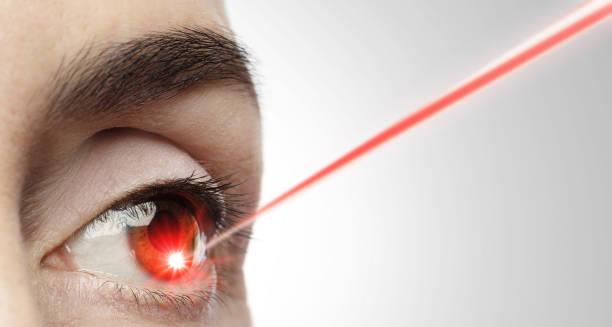
Laser therapy targeting eye for cancer treatment

Treatment of Eye Cancer

Treatment of Eye Cancer The treatment of eye cancer depends on the type, size, and location of the tumour, as well as whether the cancer has spread. Eye cancer can often be treated successfully, especially when detected early. The goal is to remove or shrink the tumour while preserving as much vision as possible. Main Treatment Options 1. Radiation Therapy Brachytherapy (plaque radiotherapy) – A small disc with radioactive seeds is temporarily attached to the eye to deliver targeted radiation External beam radiotherapy – Used for larger or more advanced tumours Radiation is effective for many intraocular melanomas and retinoblastomas. Side effects may include dry eye, cataracts, or mild vision loss. 2. Laser Therapy Transpupillary thermotherapy (TTT) uses infrared laser to destroy small tumours Often combined with radiation or chemotherapy 3. Chemotherapy Used more commonly in children with retinoblastoma: Doctors can deliver chemotherapy systemically (IV) or locally through intra-arterial or intravitreal routes Helps shrink tumours before applying local therapies In adults, chemotherapy is less common unless the cancer has spread. 4. Surgery Enucleation – Surgeons completely remove the eye when vision cannot be saved or the cancer is large Resection – In some cases, surgeons can remove the tumour surgically without removing the entire eye After enucleation, doctors can fit patients with a custom prosthetic eye for cosmetic purposes. 5. Immunotherapy and Targeted Therapy Doctors are exploring newer approaches, such as checkpoint inhibitors or drugs that target specific gene mutations (e.g., BAP1 in uveal melanoma), especially in advanced or metastatic cases. Supportive Therapies Vision rehabilitation for those with partial or full vision loss Psychological counselling to support emotional health Cosmetic surgery or prosthesis fitting, where needed Monitoring and Follow-up | Treatment of Eye Cancer Regular follow-up is critical to detect recurrence, manage side effects, and monitor the unaffected eye. Some patients need lifelong monitoring, especially those with inherited forms of cancer. Global Access and Challenges In high-income countries, most treatment options are available and coordinated by multi-disciplinary eye cancer teams. Additionally, in developing regions, lack of radiotherapy, paediatric oncology services, and prosthetic support may limit care. Telemedicine and cross-border treatment referrals are improving access in some regions. The treatment of eye cancer is advancing quickly. Furthermore, with personalised care and early action, many patients can survive and maintain good quality of life—even after losing sight in one eye. [Next: Complications of Eye Cancer →]

Treatment of Eye Cancer Read More »

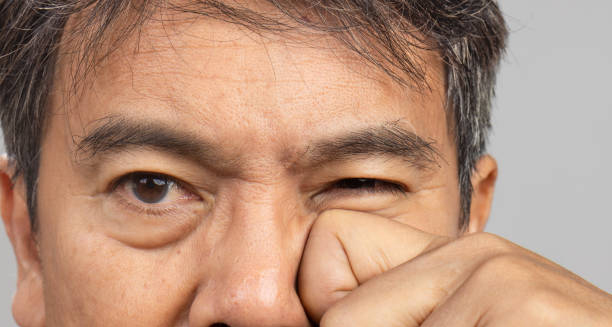
Man experiencing discomfort from eye cancer complications

Complications of Eye Cancer

Complications of Eye Cancer The complications of eye cancer depend on the tumour’s location, the stage at diagnosis, and the type of treatment received. Eye cancer can cause problems ranging from partial vision loss to life-threatening spread, especially if left untreated or caught late. Vision Loss The most common complication is partial or total loss of vision in the affected eye. This may be due to: Damage from the tumour itself Side effects of radiation (e.g., optic nerve damage or retinal detachment) Surgical removal of the eye (enucleation) Vision loss may be temporary or permanent. Children who lose sight in one eye may adapt well, but depth perception and peripheral vision are often reduced. Cosmetic and Emotional Impact Facial asymmetry or changes in appearance after surgery Need for a prosthetic eye, which requires ongoing care Body image concerns, especially among teenagers and young adults Emotional trauma, including fear, depression, and anxiety Support groups, peer counselling, and psychological therapy can help individuals adjust and regain confidence. Spread (Metastasis) Some forms of eye cancer, especially uveal melanoma, can spread to other organs—most commonly the liver. Once spread occurs, survival rates decrease significantly. Regular liver scans and blood tests are needed in high-risk patients. Retinoblastoma, if left untreated, can spread along the optic nerve to the brain or metastasise to the bone marrow. Early detection is critical to preventing these outcomes. Treatment Side Effects Each treatment type carries specific risks: Radiotherapy – Cataracts, dry eye, eyelash loss, and retinal damage Chemotherapy – Nausea, lowered immunity, and hair loss Surgery – Risk of infection, bleeding, or complications with the eye socket Most side effects are manageable with proper follow-up care. Psychological and Developmental Impact Children with retinoblastoma may experience: Developmental delays, particularly if treatment interrupts early schooling Anxiety during frequent hospital visits Need for long-term screening, especially in inherited cases Adults may face career limitations, driving restrictions, or lifestyle changes depending on vision loss severity. Global Considerations | Complications of Eye Cancer In resource-limited settings, complications are often worsened by: Delayed diagnosis, resulting in advanced tumours Limited access to specialists or radiation therapy Lack of psychological or rehabilitative support Efforts to train local healthcare workers and expand diagnostic capacity can improve outcomes and reduce complications. The complications of eye cancer can be serious, but early detection, effective treatment, and ongoing support greatly improve survival and quality of life. A holistic care approach addresses both physical and emotional needs. [Next: Back to Overview →]

Complications of Eye Cancer Read More »

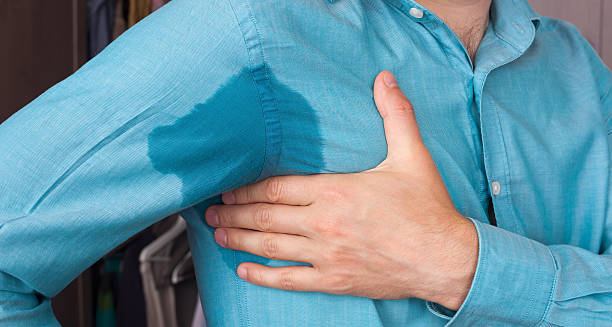
Man with underarm sweat stain experiencing excessive sweating

Excessive Sweating

Excessive Sweating Excessive sweating is a condition where a person produces more sweat than the body needs to regulate temperature. This sweating, also known as hyperhidrosis, can affect the underarms, hands, feet, face, or entire body. For many, it leads to embarrassment, emotional distress, and disruption to daily activities—even during cool weather or minimal physical exertion. There are two main types: Primary hyperhidrosis, where excessive sweating occurs without an underlying medical cause and usually affects specific areas (focal sweating) Secondary hyperhidrosis, which is caused by a medical condition or medication and often leads to generalised sweating To sweat is a normal function, but when it becomes excessive and uncontrollable. It can interfere with work, relationships, self-confidence, and quality of life. It can also cause practical problems such as constantly damp clothing, skin irritation, and the need to change outfits multiple times a day. Excessive Sweating In South Africa, where warmer climates are common and air conditioning may be unavailable in some regions. This sweating can be particularly troublesome. However, despite its impact, it is often dismissed or misunderstood. Recognising this as a medical condition, not just a hygiene issue. Additionally, it is the first step to managing it effectively and improving comfort and wellbeing. [Next: Causes of Excessive Sweating →]

Excessive Sweating Read More »

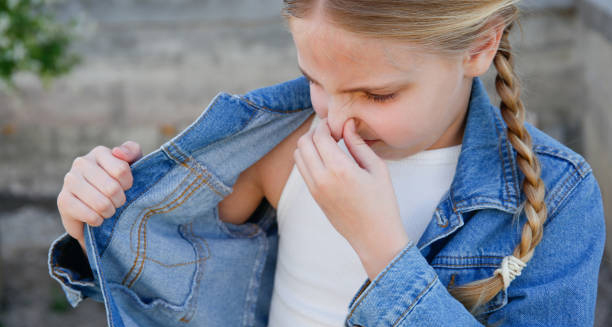
Young girl smelling her underarm for body odour

Causes of Excessive Sweating

Causes of Excessive Sweating The causes of excessive sweating differ depending on whether it is primary or secondary in nature. Excessive sweating may result from overactive sweat glands, medical conditions, or side effects of certain medications. Identifying the cause is key to finding the right treatment. Primary Hyperhidrosis This form usually begins in childhood or adolescence and has no underlying medical cause. It typically affects: Palms Soles of the feet Underarms Forehead or face The sweating is usually symmetrical (occurs on both sides equally), and may be triggered by stress, anxiety, or no clear cause at all. In many cases, it runs in families, suggesting a genetic component. Primary hyperhidrosis occurs without sweating during sleep and tends to worsen during social interactions or emotional stress, regardless of temperature. Secondary Hyperhidrosis This form is caused by another condition or external factor. It can start at any age and often results in widespread (generalised) sweating. Causes include: Medical Conditions Thyroid disorders, especially hyperthyroidism Diabetes, particularly when blood sugar is low (hypoglycaemia) Infections, such as tuberculosis or HIV Menopause, due to hormonal shifts and hot flushes Certain cancers, including lymphoma or leukaemia Heart or lung disease Medications Antidepressants Painkillers (opioids) Diabetes medication Hormonal treatments Sweating may improve once the underlying condition is treated or the medication adjusted. Triggers and Aggravating Factors Heat and humidity Emotional stress Spicy foods or caffeine Alcohol Wearing synthetic fabrics Causes of Excessive Sweating In South Africa In South Africa, excessive sweating is often linked to infections like TB or untreated thyroid problems. The stigma attached to sweating—especially in professional or social settings—can prevent people from seeking help. Education about hyperhidrosis and better access to diagnosis can improve outcomes. Understanding the causes of excessive sweating ensures that patients are not misdiagnosed and that appropriate therapies are explored early. [Next: Symptoms of Excessive Sweating →]

Causes of Excessive Sweating Read More »

Woman surprised by underarm sweat patch

Symptoms of Excessive Sweating

Symptoms of Excessive Sweating The symptoms of excessive sweating go beyond moisture. Excessive sweating affects comfort, hygiene, mental health, and sometimes physical wellbeing. It may also impact social and professional interactions, making people feel self-conscious or anxious. Main Symptoms Visible sweating, even in cool environments or when at rest Sweat soaking through clothing, often requiring frequent changes Sweaty palms or soles, which may interfere with writing, gripping objects, or walking Shiny or damp face and scalp, especially during social interactions Sweating during stress or minimal exertion, sometimes unrelated to temperature Episodes occurring multiple times daily, often without warning The condition may appear symmetrical (affecting both armpits, hands, or feet equally) in primary hyperhidrosis. In secondary cases, sweating may be widespread and occur during sleep. Associated Physical Effects Skin irritation – Prolonged moisture leads to chafing, rashes, or infections (especially fungal) Foot odour or body odour – Due to bacteria thriving in warm, moist areas Cracked skin – Particularly on the feet, where prolonged dampness softens and breaks down skin Blisters or friction injuries, especially if wearing tight or synthetic clothing Psychological and Emotional Impact People with hyperhidrosis often struggle with: Embarrassment, especially in public or professional settings Social anxiety, due to fear of visible sweating or handshakes Low self-esteem, leading to avoidance of group activities Depression, in chronic or severe cases Children and teenagers may be particularly vulnerable to bullying or social exclusion. Sleep Disturbance In secondary hyperhidrosis, night sweats may disrupt sleep and leave people feeling tired and irritable during the day. This is particularly common in menopausal women, those with infections, or individuals undergoing cancer treatment. Symptoms of Excessive Sweating In South Africa In South Africa, symptoms of hyperhidrosis are often underreported due to stigma. Many people don’t realise it is a treatable condition and believe they must “live with it”. Increased awareness campaigns can help reduce shame and encourage people to seek help. Recognising the symptoms of excessive sweating is the first step towards diagnosis, treatment, and regaining confidence and control over daily life. [Next: Diagnosis of Excessive Sweating→]

Symptoms of Excessive Sweating Read More »

Doctor with skin model and clock discussing sweat gland activity

Diagnosis of Excessive Sweating

Diagnosis of Excessive Sweating The diagnosis of excessive sweating focuses on identifying whether the condition is primary or secondary in nature. Since excessive sweating can have a wide range of causes—from overactive sweat glands to serious medical issues—thorough assessment is essential for effective treatment. Medical History Doctors begin by asking detailed questions about: When the sweating started Where it occurs (palms, feet, underarms, entire body) How often and how long episodes last Whether it happens during sleep Family history of similar symptoms Triggers such as heat, stress, or exercise Associated symptoms, such as weight loss, fatigue, or fever Sweating that starts in adolescence, is localised, and doesn’t happen during sleep typically points to primary hyperhidrosis. Generalised or night-time sweating is more likely to be secondary. Physical Examination A doctor will examine the affected areas for: Skin breakdown Signs of infection Damp patches or active sweating during the exam They may also check blood pressure, heart rate, and the thyroid gland. Diagnostic Tests Although primary hyperhidrosis is often diagnosed without tests, further evaluation may include: 1. Blood and Hormone Tests Thyroid function tests, to check for overactive thyroid Blood glucose levels, to rule out diabetes Infection screening, especially for tuberculosis or HIV Hormone levels, including cortisol and sex hormones in specific cases Full blood count, to detect signs of anaemia, infection, or malignancy 2. Imaging If secondary causes are suspected: Chest X-ray, for TB, lung disease, or lymphoma CT or MRI scans, in cases of unexplained systemic symptoms 3. Sweat Testing (Thermoregulatory Tests) In specialist centres, tests like: Starch-iodine test – Highlights areas of sweat overproduction Gravimetric test – Measures the actual amount of sweat produced These are mainly used for diagnostic confirmation or before surgery. Classification Excessive sweating is classified by severity: Mild – Inconvenient but manageable Moderate – Interferes with daily activities Severe – Disrupts work, social life, or mental health This classification helps guide treatment options. Diagnosis of Excessive Sweating In South Africa In South Africa, sweat testing is rarely performed in public hospitals. Diagnosis usually relies on history and examination. Primary care clinics may refer complex or treatment-resistant cases to dermatologists or endocrinologists. The diagnosis of excessive sweating is straightforward when symptoms are clearly described. Pinpointing the cause allows for faster relief and more effective long-term management. [Next: Treatment of Excessive Sweating →]

Diagnosis of Excessive Sweating Read More »

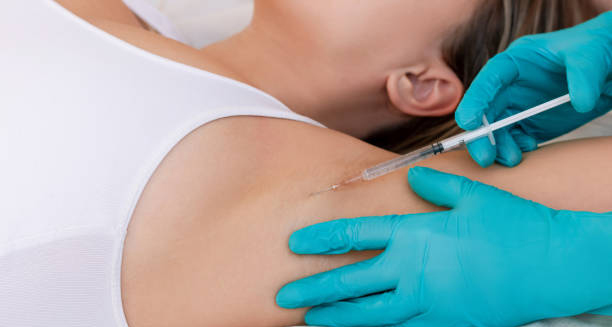
Botox injection in armpit to treat excessive sweating

Treatment of Excessive Sweating

Treatment of Excessive Sweating The treatment of excessive sweating aims to reduce sweat production, control odour, and restore confidence. Excessive sweating can often be managed successfully using topical products, medication, lifestyle changes, or advanced therapies—depending on severity and cause. First-Line Treatments For mild to moderate cases: Clinical-strength antiperspirants, containing aluminium chloride. Applied at night and washed off in the morning, these block sweat ducts. Powders, to absorb moisture and prevent fungal infections, especially for feet and underarms Loose, breathable clothing, such as cotton or moisture-wicking fabrics Socks changed frequently, ideally made of natural fibres or athletic materials Over-the-counter options may be sufficient for some, but prescription products are available for more stubborn cases. Oral Medications When topical treatment isn’t enough: Anticholinergics (e.g. oxybutynin or glycopyrrolate) – Reduce overall sweating by blocking nerve signals to sweat glands Beta-blockers or benzodiazepines – Help manage stress-induced sweating Antidepressants, if anxiety or depression is contributing Side effects can include dry mouth, blurred vision, or urinary retention—so medical supervision is important. Botulinum Toxin Injections Botox injections are highly effective for underarm, hand, and foot sweating. They work by temporarily blocking the nerves that stimulate sweat glands. Effects last 4–9 months Treatment may be repeated as needed Done in outpatient settings Botox is safe and well-tolerated but may be costly or inaccessible in some public healthcare settings. Iontophoresis A treatment where mild electrical currents pass through water to shut down sweating in hands and feet: Typically done several times per week Maintenance sessions needed Home machines are available Iontophoresis is suitable for people who sweat heavily from their palms or soles. Surgery For very severe, treatment-resistant hyperhidrosis: Endoscopic thoracic sympathectomy (ETS) – Cuts or clamps the nerves controlling sweating Highly effective but carries risks like compensatory sweating (excessive sweating in other areas) Surgery is a last resort and only done after all other options fail. Treating Secondary Causes In secondary hyperhidrosis: Treat the underlying illness (e.g., thyroid disease, infection) Adjust or stop any triggering medication Manage hormonal changes in menopause with appropriate therapy Treatment of Excessive Sweating In South Africa Access to Botox and iontophoresis is mostly limited to urban centres or private practices. Public sector patients often rely on strong antiperspirants and oral medication. Partnerships between dermatologists and primary care providers can improve care. The treatment of excessive sweating improves physical comfort, boosts confidence, and helps people re-engage socially. Early intervention leads to better outcomes. [Next: Complications of Excessive Sweating →]

Treatment of Excessive Sweating Read More »

Scroll to Top