Mental Matters

Author name: admin

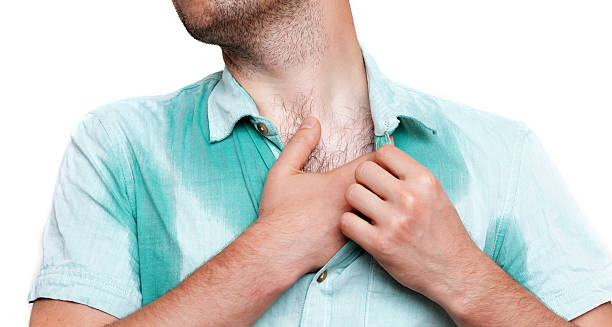
Man with sweat-soaked shirt scratching chest due to excessive sweating

Complications of Excessive Sweating

Complications of Excessive Sweating The complications of excessive sweating extend far beyond discomfort. Excessive sweating, when unmanaged, can cause physical, emotional, and social problems that affect daily life, self-esteem, and overall wellbeing. Skin and Hygiene Problems Persistent moisture leads to: Fungal infections, especially athlete’s foot and underarm candidiasis Bacterial infections, including body odour and boils Skin maceration, where the skin becomes soggy, white, and breaks easily Eczema or contact dermatitis, triggered by constant wetness or irritation from antiperspirants Blisters, calluses, and cracked heels, particularly in the feet Sweat itself is odourless, but when it mixes with bacteria, it causes strong body odour, often leading to embarrassment and social withdrawal. Emotional and Social Consequences Excessive sweating can seriously impact mental health: Anxiety, especially around handshakes, public speaking, or dating Low self-confidence, leading to withdrawal from social or professional environments Avoidance behaviour, such as choosing not to wear certain clothes or avoiding exercise Depression, particularly in people with chronic or untreated symptoms Schoolchildren may face bullying, while adults may feel judged or misunderstood. Occupational Impact Hyperhidrosis can interfere with: Manual tasks, like writing, using tools, or operating machinery Professional interactions, including interviews, presentations, or teamwork Clothing choices, as sweat patches may be visible In some industries, such as healthcare, food preparation, or beauty, visible sweating may cause stress or hygiene concerns. Sleep Disruption Night sweats linked to secondary hyperhidrosis can: Interrupt sleep, leaving people tired, irritable, and unfocused Contribute to daytime fatigue and poor concentration This is especially common in people with menopause, infections, or hormone-related conditions. Complications of Excessive Sweating In South Africa In South Africa, people with excessive sweating often suffer in silence. Lack of awareness, stigma, and poor access to specialist care mean that complications can persist for years. Many only seek help after developing infections or emotional distress. The complications of excessive sweating are avoidable. With the right treatment and support, most people can manage symptoms, reduce risks, and regain confidence in both personal and professional life. [Next: Back to Overview →]

Complications of Excessive Sweating Read More »

Woman sleeping on open books due to excessive daytime sleepiness

Excessive Daytime Sleepiness

Excessive Daytime Sleepiness Excessive daytime sleepiness is a condition in which a person feels overwhelmingly drowsy or fatigued during the day, even after what appears to be adequate nighttime sleep. This sleepiness can interfere with concentration, work performance, driving, and overall quality of life. It is not a diagnosis on its own, but rather a symptom that may indicate an underlying medical or lifestyle issue. People with this condition may unintentionally fall asleep during meetings, conversations, meals, or while watching TV. In more severe cases, they may doze off while driving or operating machinery, putting themselves and others at risk. The drowsiness may feel unrelenting, regardless of how much sleep the person gets at night. It is important to distinguish excessive sleepiness from normal tiredness. True excessive sleepiness persists for weeks or months, does not improve with rest, and often comes with other symptoms such as memory issues, mood changes, or sleep disruptions. Excessive Daytime Sleepiness In South Africa, this sleepiness is common but often overlooked. Many people blame stress, workload, or poor diet, without realising it could signal a sleep disorder or medical condition. With increased public awareness and access to sleep medicine specialists, more individuals can receive proper diagnosis and support. Understanding this sleepiness is essential to addressing its root cause and improving both mental and physical wellbeing. [Next: Causes of Excessive Daytime Sleepiness →]

Excessive Daytime Sleepiness Read More »

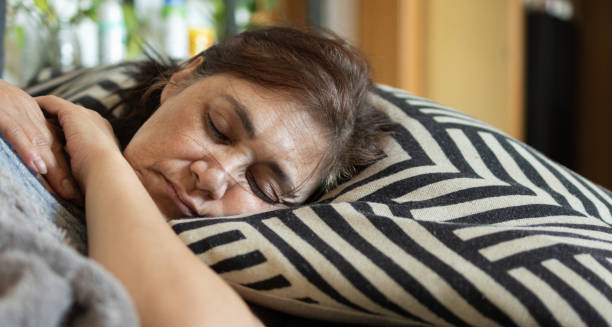
Older woman sleeping on a patterned pillow during the day

Causes of Excessive Daytime Sleepiness

Causes of Excessive Daytime Sleepiness The causes of excessive daytime sleepiness can be broadly grouped into lifestyle-related factors, sleep disorders, and medical conditions. Excessive daytime sleepiness is usually a sign that the brain is not getting enough high-quality sleep or is being affected by disrupted sleep cycles or chronic fatigue. Lifestyle and Behavioural Causes Poor sleep habits are a leading contributor: Inadequate sleep duration, often due to late nights, shift work, or busy schedules Irregular sleep patterns, especially among students or travellers Excessive screen time before bed, which suppresses melatonin production Stimulant or alcohol use, which disrupts deep sleep stages Poor diet and lack of exercise, both of which reduce sleep quality Sleep Disorders Several sleep-related conditions directly result in daytime sleepiness: Obstructive sleep apnoea (OSA) – A common condition where the airway collapses during sleep, causing repeated wake-ups and reduced oxygen supply Narcolepsy – A neurological disorder where the brain cannot regulate sleep-wake cycles properly, leading to sudden sleep attacks Restless legs syndrome (RLS) – Causes uncontrollable urges to move the legs, disturbing sleep Insomnia – Difficulty falling or staying asleep, often linked to anxiety or depression Delayed sleep phase disorder – A circadian rhythm condition where the body’s internal clock is shifted later than normal Medical Conditions Some underlying health problems cause fatigue and reduced alertness: Depression and anxiety – Common mental health conditions that alter sleep patterns Chronic fatigue syndrome – Characterised by persistent exhaustion unrelieved by rest Anaemia – Reduced oxygen-carrying capacity in the blood can lead to tiredness Thyroid disorders, especially hypothyroidism Diabetes, particularly if poorly controlled Medication side effects, including sedatives, antihistamines, or antidepressants Causes of Excessive Daytime Sleepiness In South Africa In South Africa, undiagnosed sleep apnoea is a significant contributor, especially among people with obesity or hypertension. Many patients are unaware of the condition and may be misdiagnosed with depression or burnout. Limited access to sleep studies in public hospitals adds to the underdiagnosis. Understanding the causes of excessive daytime sleepiness helps patients and healthcare providers pinpoint the issue and begin proper treatment—whether that means improving sleep hygiene, treating a sleep disorder, or managing a medical condition. [Next: Symptoms of Excessive Daytime Sleepiness →]

Causes of Excessive Daytime Sleepiness Read More »

Young woman in glasses falling asleep at a desk during the day

Symptoms of Excessive Daytime Sleepiness

Symptoms of Excessive Daytime Sleepiness The symptoms of excessive daytime sleepiness go beyond simply feeling tired. Excessive daytime sleepiness affects mental clarity, physical functioning, and emotional stability. It may also lead to unsafe behaviours if not recognised and treated appropriately. Core Symptoms Persistent sleepiness during the day, even after a full night’s rest Falling asleep unintentionally, such as while reading, watching TV, or during conversations Difficulty staying awake in passive settings, such as meetings, classrooms, or while driving Frequent yawning or eyelid heaviness Feeling unrefreshed after waking up in the morning These symptoms usually last for weeks or longer and do not resolve with more sleep alone. Cognitive and Emotional Effects Sleepiness affects brain function, leading to: Poor concentration and memory Reduced problem-solving ability Slower reaction times Irritability or mood swings Lack of motivation or feelings of apathy In children, it may mimic attention-deficit disorders or behavioural problems. Physical and Social Consequences People with excessive daytime sleepiness may also experience: Accidents and injuries, especially when driving or using machinery Decline in job or academic performance Poor social interaction, due to fatigue or mood changes Avoidance of social or physical activities Weight gain, if tiredness leads to inactivity Sleep Episodes (Microsleeps) One of the most dangerous symptoms is microsleep—a brief, involuntary sleep episode that may last just seconds. This can happen while driving or operating equipment and may go unnoticed until an error or accident occurs. Symptoms of Excessive Daytime Sleepiness In South Africa In South Africa, symptoms are often mislabelled as “laziness” or burnout. Many people delay seeking help, believing their tiredness is normal or will pass. Increasing awareness in workplaces and schools can help identify affected individuals early. Recognising the symptoms of excessive daytime sleepiness is crucial for early intervention. By paying attention to how sleepiness affects daily functioning, people can seek help and regain control of their wellbeing. [Next: Diagnosis of Excessive Daytime Sleepiness→]

Symptoms of Excessive Daytime Sleepiness Read More »

Man sleeping with smartwatch tracking sleep and heart rate

Diagnosis of Excessive Daytime Sleepiness

Diagnosis of Excessive Daytime Sleepiness The diagnosis of excessive daytime sleepiness requires a detailed clinical evaluation to uncover the cause of the drowsiness. Since excessive daytime sleepiness can result from sleep disorders, medical conditions, or lifestyle factors, doctors use a combination of history-taking, physical exams, and specialised tests. Medical History and Sleep Diary Doctors begin by asking: How many hours of sleep you get each night Whether you wake up feeling refreshed If you experience snoring, gasping, or leg movements during sleep When and where you feel sleepy during the day Any recent changes in weight, mood, or medication A sleep diary, kept for one to two weeks, can help track sleep duration, quality, and daytime symptoms. It may reveal patterns such as inconsistent bedtimes, frequent awakenings, or signs of sleep deprivation. Physical Examination The exam may check for: Obesity or large neck circumference (linked to sleep apnoea) Thyroid enlargement, which may suggest hypothyroidism Pale skin, indicating anaemia Signs of nasal obstruction, like enlarged tonsils or a deviated septum If sleep apnoea or other disorders are suspected, further testing is required. Screening Tools Doctors may use standard questionnaires like: Epworth Sleepiness Scale (ESS) – Rates how likely you are to fall asleep in various situations STOP-BANG questionnaire – Screens for risk of sleep apnoea High scores on these tools suggest the need for referral to a sleep specialist or for a sleep study. Sleep Studies (Polysomnography) The most definitive diagnostic test is a sleep study, which records: Brain activity Breathing rate and airflow Oxygen levels Heart rate Muscle and eye movements Sleep studies help diagnose: Obstructive sleep apnoea Narcolepsy Periodic limb movement disorder REM behaviour disorder For suspected narcolepsy, a multiple sleep latency test (MSLT) may also be done the next day to measure how quickly and often a person falls asleep during short naps. Blood Tests Doctors may also order: Full blood count (FBC) – To detect anaemia Thyroid function tests – To rule out hypothyroidism Blood glucose tests – To check for diabetes Vitamin B12 and iron levels – Deficiencies may cause fatigue Diagnosis of Excessive Daytime Sleepiness In South Africa In South Africa, sleep studies are mostly available in private centres, limiting access for many patients. As a result, many diagnoses are based on symptoms and physical findings alone. Increasing public and professional awareness can lead to earlier recognition and intervention. The diagnosis of excessive daytime sleepiness requires a holistic approach. With proper evaluation, the root cause can be identified and treated effectively. [Next: Treatment of Excessive Daytime Sleepiness →]

Diagnosis of Excessive Daytime Sleepiness Read More »

Female nurse sleeping on a couch during a break

Treatment of Excessive Daytime Sleepiness

Treatment of Excessive Daytime Sleepiness The treatment of excessive daytime sleepiness focuses on correcting the root cause and improving sleep quality. Excessive daytime sleepiness may respond to lifestyle changes, medical therapies, or specific treatments for sleep disorders. Early intervention can restore energy levels and prevent accidents. Lifestyle Changes For many people, better sleep habits make a significant difference: Get 7–9 hours of sleep nightly, aiming for a consistent bedtime and wake time Avoid caffeine and alcohol several hours before bed Create a quiet, dark, and cool sleeping environment Avoid screens at least 1 hour before bedtime Exercise regularly, but not right before bed Improving sleep hygiene may reduce or eliminate mild daytime sleepiness. Medical Treatments Treatment depends on the underlying condition: 1. Obstructive Sleep Apnoea (OSA) CPAP (Continuous Positive Airway Pressure) is the first-line treatment. It keeps the airway open during sleep, improving oxygen levels and restoring restful sleep. Weight loss and positional therapy may also help. 2. Narcolepsy Stimulants such as modafinil or methylphenidate may be prescribed to keep patients awake during the day Sodium oxybate, in some cases, improves nighttime sleep and reduces daytime sleepiness 3. Restless Legs Syndrome (RLS) Treated with dopaminergic agents, iron supplements, or lifestyle adjustments 4. Depression or Anxiety Managed with antidepressants, cognitive behavioural therapy (CBT), and stress reduction strategies 5. Hypothyroidism or Anaemia Treated with thyroxine or iron and vitamin B12 supplements, respectively Behavioural Therapies Cognitive behavioural therapy for insomnia (CBT-I) can improve sleep patterns and reduce daytime fatigue Sleep restriction therapy helps reset the body’s internal clock in cases of delayed sleep phase disorder Driving and Safety Patients should be advised not to drive or operate heavy machinery if their sleepiness is severe or untreated. Regular follow-ups are essential for people using sedating medications or those with a history of accidents. Treatment of Excessive Daytime Sleepiness In South Africa In South Africa, access to CPAP machines and sleep medications may be limited in public healthcare. However, lifestyle changes and basic treatments like iron or thyroid supplements are widely available and effective. Better training of primary care providers in sleep medicine could improve outcomes. The treatment of excessive daytime sleepiness restores productivity, improves mood, and reduces health risks. Most people improve significantly once the cause is found and addressed. [Next: Complications of Excessive Daytime Sleepiness →]

Treatment of Excessive Daytime Sleepiness Read More »

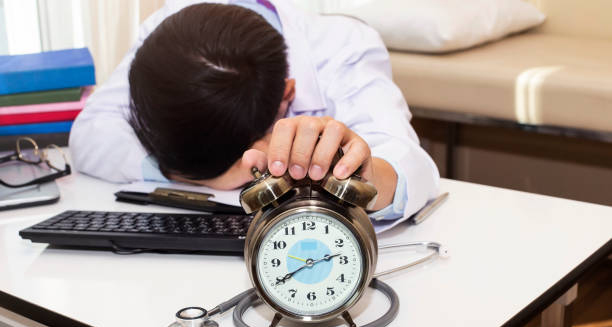
Tired doctor resting at desk with alarm clock and stethoscope

Complications of Excessive Daytime Sleepiness

Complications of Excessive Daytime Sleepiness The complications of excessive daytime sleepiness affect nearly every area of life, from safety and performance to emotional wellbeing. When excessive daytime sleepiness is untreated, it can increase the risk of serious accidents, health problems, and long-term cognitive decline. Road and Work Accidents Drowsiness slows reaction time and impairs judgement. It can lead to: Car accidents, especially during long drives or in early morning traffic Workplace injuries, particularly in jobs requiring focus, such as construction or machine operation Poor academic or job performance, due to lapses in attention and reduced memory Microsleeps while driving are particularly dangerous and often go unnoticed until it’s too late. Mental and Emotional Health Persistent sleepiness contributes to: Irritability and mood swings Depression and anxiety, especially if quality of life is reduced Social withdrawal, due to embarrassment or exhaustion Poor motivation, making daily tasks harder to complete These emotional effects can strain relationships and reduce life satisfaction. Physical Health Risks If the root cause is untreated, serious health consequences may follow: Heart disease, especially in people with untreated sleep apnoea High blood pressure and stroke, due to oxygen deprivation during sleep Obesity and type 2 diabetes, due to hormonal disruptions and reduced activity Immune suppression, increasing the risk of infections Cognitive Decline Over time, inadequate sleep may affect: Memory consolidation Attention span Decision-making ability Learning and academic performance In older adults, long-standing sleep deprivation may even raise the risk of developing dementia. Social and Lifestyle Consequences People may experience: Embarrassment or shame, especially if they fall asleep in public or during conversations Misunderstandings, where others perceive them as lazy or disengaged Difficulty maintaining relationships, due to irritability or lack of energy Financial strain, from lost productivity or frequent sick leave Complications of Excessive Daytime Sleepiness In South Africa In South Africa, these complications are often overlooked. A lack of access to sleep studies and specialist care means many people suffer in silence or are misdiagnosed. Public campaigns promoting sleep health and workplace wellness initiatives could help change this. The complications of excessive daytime sleepiness are avoidable in most cases. Early recognition, proper treatment, and supportive care make a substantial difference in health, safety, and overall quality of life. [Next: Back to Overview →]
Complications of Excessive Daytime Sleepiness Read More »

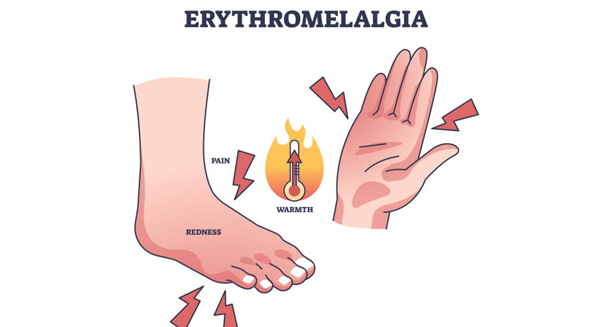
Illustration showing symptoms of erythromelalgia in hands and feet

Erythromelalgia

Erythromelalgia Doctors define erythromelalgia as a rare condition that causes episodes of burning pain, redness, and increased temperature in the hands, feet, or sometimes the face or ears. Erythromelalgia symptoms are typically triggered by heat, exercise, or stress, and they improve with cooling or rest. The name comes from Greek words meaning “red limb pain”. This condition can range from mildly irritating to severely disabling. Attacks can last from minutes to hours and may occur several times a day or only occasionally. For some people, the symptoms become chronic and interfere with sleep, mobility, or everyday activities. There are two main types: Primary erythromelalgia, which occurs without another underlying condition and may be inherited in some families Secondary erythromelalgia, which develops due to another health issue such as blood disorders, autoimmune diseases, or nerve damage Although rare, this condition can significantly impact quality of life if not managed properly. It is more common in women than men and often begins in middle age, though children and adolescents can also be affected. Erythromelalgia In South Africa, awareness of erythromelalgia is low, and many cases may go misdiagnosed. People living in hot climates or rural areas may struggle to manage symptoms without access to supportive treatments. Recognising erythromelalgia early helps patients take control of triggers, seek medical care, and avoid unnecessary suffering. Understanding the Impact of Erythromelalgia Erythromelalgia, while rare, is a condition that can greatly affect those who suffer from it. The intense burning pain, redness, and heat in the limbs can range from an occasional nuisance to a debilitating chronic issue. Because symptoms often mimic other disorders, erythromelalgia is frequently misdiagnosed or dismissed, especially in healthcare systems with limited resources or low awareness. Early recognition is key to improving patient outcomes and helping individuals regain control over their quality of life. Differentiating Between Primary and Secondary Forms Distinguishing between primary and secondary erythromelalgia is crucial for appropriate treatment. Primary cases may be genetic and require symptom-focused care, while secondary erythromelalgia needs investigation into underlying causes such as blood disorders or nerve damage. A proper diagnosis not only ensures that serious root conditions are not missed but also allows for a more tailored and effective management plan, especially when symptoms are severe or persistent. Raising Awareness and Improving Access to Care In South Africa and similar regions, increasing awareness of erythromelalgia among both healthcare providers and the public is essential. Hot climates and limited access to specialised care can make symptom management more difficult, particularly in rural communities. With improved recognition, education, and support, patients can learn to identify triggers, make lifestyle adjustments, and access the care they need to manage this challenging condition more effectively. [Next: Causes of Erythromelalgia →]

Erythromelalgia Read More »

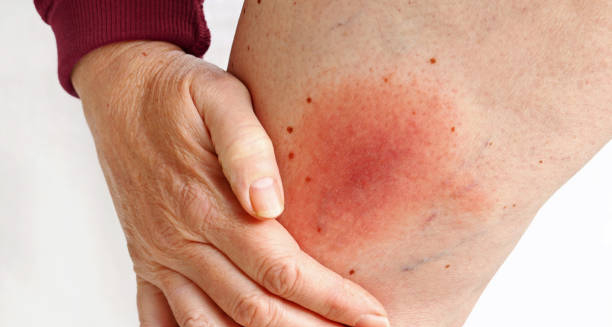
Red, inflamed patch on a person’s leg indicating possible erythromelalgia

Causes of Erythromelalgia

Causes of Erythromelalgia The causes of erythromelalgia can be primary (genetic or idiopathic) or secondary to other medical conditions. Erythromelalgia is not caused by infection or trauma but by abnormalities in how blood vessels and nerves respond to heat or exertion. Primary Erythromelalgia This form often begins in childhood or adolescence. It may be: Idiopathic – where no clear cause is found Inherited – linked to mutations in the SCN9A gene, which affects sodium channels in nerve cells. This leads to increased pain signalling and poor regulation of blood vessel dilation. Primary cases may worsen over time or remain stable, but there is no cure. Secondary Erythromelalgia This form develops in response to another condition. Common causes include: 1. Blood Disorders Polycythaemia vera Essential thrombocythaemia Myelofibrosis These disorders increase blood cell counts, making the blood thicker and causing abnormal blood flow in small vessels. 2. Autoimmune Diseases Systemic lupus erythematosus (SLE) Rheumatoid arthritis Sjögren’s syndrome These diseases cause inflammation and affect blood vessels and nerves. 3. Nerve Damage (Neuropathy) People with small fibre neuropathy may develop erythromelalgia-like symptoms due to abnormal nerve signalling. Diabetes and alcohol abuse are common causes. 4. Medications and Toxins Some drugs may trigger or worsen symptoms, such as: Calcium channel blockers Bromocriptine Certain antidepressants Causes of Erythromelalgia In South Africa In South Africa, erythromelalgia may go unrecognised in patients with underlying blood or autoimmune disorders. Limited access to specialist testing, such as genetic or nerve studies, means diagnosis may be delayed. Clinicians should consider erythromelalgia in patients with unexplained burning pain and redness in the extremities—especially if the symptoms are heat-sensitive or worsen after exertion. Understanding the causes of erythromelalgia helps guide treatment and determine whether further testing for associated conditions is necessary. [Next: Symptoms of Erythromelalgia →]

Causes of Erythromelalgia Read More »

Red patches and irritation on the upper back due to erythromelalgia symptoms

Symptoms of Erythromelalgia

Symptoms of Erythromelalgia The symptoms of erythromelalgia are distinctive and often follow a specific pattern of burning pain, redness, and warmth. Erythromelalgia mainly affects the hands and feet, but other areas such as the face, ears, or even the knees can sometimes be involved. Key Symptoms Burning pain – Often described as stinging, tingling, or aching Redness (erythema) – Skin turns red or purplish, especially during an attack Increased warmth – The affected area feels hot to the touch Swelling – Mild to moderate swelling may occur during flares Flare-ups triggered by heat, exertion, or emotional stress The symptoms often occur in both hands or both feet and usually appear symmetrically. Flares may last minutes to several hours and typically resolve with cooling or elevation of the limbs. Triggers Common triggers include: Warm weather or hot baths Exercise or walking Tight footwear or socks Emotional stress or anxiety Alcohol or spicy food Patients often learn to avoid triggers, but this may lead to social withdrawal or avoidance of normal activities. Chronic vs Episodic Some individuals have only occasional episodes, while others experience daily or near-constant symptoms. In chronic cases, sleep disturbance, anxiety, and reduced quality of life are common. Severe forms may prevent walking or standing for long periods. Additional Sensory Issues In people with underlying nerve damage, symptoms may include: Pins and needles Numbness Extreme sensitivity to touch (allodynia) These signs suggest involvement of the small nerve fibres and may complicate treatment. Symptoms of Erythromelalgia In South Africa In warmer parts of South Africa, the hot climate may make erythromelalgia worse or more frequent. Lack of air conditioning and access to cooling strategies can make day-to-day life very uncomfortable for affected individuals. Doctors should consider erythromelalgia in patients who complain of burning pain that worsens with heat but improves when feet or hands are placed in cool water. However, repeated soaking in cold water can lead to skin damage or ulcers, so guidance on safe cooling methods is vital. Recognising the symptoms of erythromelalgia allows patients and doctors to work together on reducing flares, improving comfort, and screening for underlying disorders. [Next: Diagnosis of Erythromelalgia→]

Symptoms of Erythromelalgia Read More »

Scroll to Top